
What are some eco-friendly ways to control pests in my lawn?
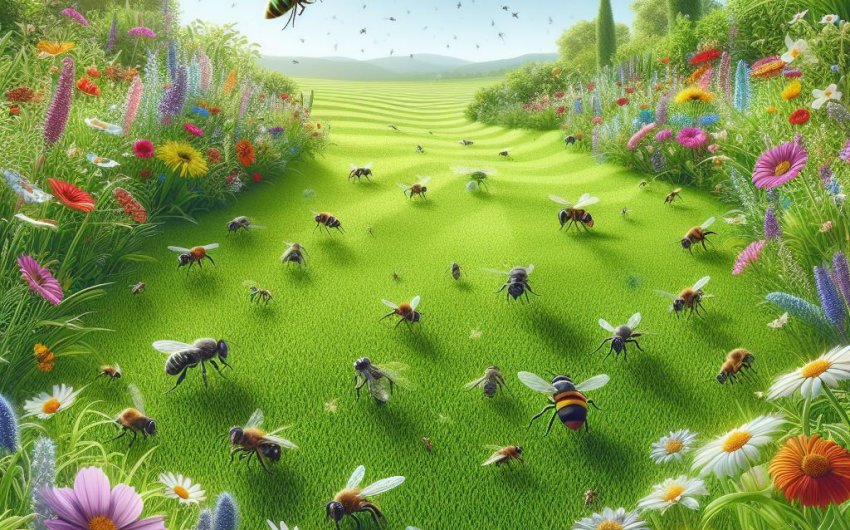
A vibrant, green lawn is often the pride of a homeowner, providing a beautiful space for recreation and relaxation. However, the unwelcome arrival of pests can quickly turn that lush expanse into a source of frustration. From unsightly brown patches to damaged roots, lawn pests can cause significant headaches. While chemical pesticides offer a quick fix, they often come with environmental concerns, harming beneficial insects, polluting waterways, and potentially posing risks to children and pets. This has led many environmentally conscious gardeners to seek out kinder, greener alternatives.
Embracing eco-friendly pest control for your lawn is about fostering a balanced, resilient ecosystem where nature does much of the work for you. It's a holistic approach that moves beyond simply killing invaders to creating an environment where your grass is strong enough to resist problems and where natural predators can thrive. By understanding the life cycles of common lawn pests and employing simple, sustainable practices, you can maintain a beautiful, healthy lawn that is safe for your family, pets, and the planet. Dive into the world of sustainable lawn pest management and discover how to achieve pest-free turf, the natural way.
Why Choose Eco-Friendly Pest Control for Your Lawn?
Opting for eco-friendly pest control methods offers benefits that extend far beyond simply eliminating pests, positively impacting your family, pets, and the wider environment.
How Does it Protect Your Family and Pets?
This is often the most compelling reason for homeowners to switch to eco-friendly methods.
- Reduced Chemical Exposure: The primary benefit is minimizing or eliminating exposure to synthetic chemical pesticides. Many conventional pesticides carry warning labels due to potential health risks, especially for young children and pets who spend a lot of time playing and lying on the lawn.
- Safer Play Areas: An organic lawn provides a safe space for kids and pets to run, roll, and play without the worry of contact with harmful residues. You won't need to keep them off the lawn for hours or days after treatment.
- Peace of Mind: Knowing that your lawn is treated with natural, non-toxic methods gives you peace of mind that you're creating a healthy environment for your loved ones. A pet-friendly lawn care product will typically be an eco-friendly option.
How Does it Benefit the Environment?
The environmental advantages of eco-friendly pest control are significant and far-reaching.
- Protects Beneficial Insects: Synthetic pesticides are often broad-spectrum, meaning they kill good insects (like pollinators and predatory insects) along with the bad ones. Eco-friendly methods aim to preserve these beneficial insects, which are crucial for a healthy ecosystem.
- Prevents Water Pollution: Chemical runoff from lawns can contaminate storm drains, rivers, and lakes, leading to eutrophication (algae blooms) and harming aquatic life. Natural methods greatly reduce this risk.
- Enhances Soil Health: Many eco-friendly pest control strategies focus on building healthy soil, which in turn supports a thriving soil food web (microorganisms, worms) vital for nutrient cycling and overall lawn resilience.
- Reduces Chemical Footprint: Minimizes the overall chemical load in your yard and the broader environment.
Does it Create a Healthier, More Resilient Lawn?
Yes, absolutely. Eco-friendly pest control builds a lawn that is strong enough to defend itself.
- Focus on Root Cause: Instead of just treating symptoms (killing pests), eco-friendly methods address the underlying issues that make a lawn susceptible to infestations, such as poor soil health, incorrect watering, or improper mowing.
- Promotes Natural Defenses: A healthy, vigorous lawn with a robust root system is naturally more resistant to pests and can often recover more quickly from minor infestations without intervention.
- Balanced Ecosystem: By encouraging beneficial insects and healthy soil microbes, you create a balanced ecosystem in your lawn where natural predators help keep pest populations in check, reducing the need for constant human intervention. A soil test kit can help identify imbalances.
What Are Cultural Practices for Pest Prevention?
The best defense against lawn pests is a healthy, well-maintained lawn. These cultural practices are the foundation of eco-friendly pest control.
How Does Proper Mowing Height Help?
The way you mow your lawn has a huge impact on its health and resistance to pests.
- Taller Grass is Stronger Grass: Most lawn grasses perform best when mowed at a height of 3-4 inches (7.5-10 cm) or even higher. Taller blades allow the grass to photosynthesize more effectively, leading to deeper, stronger root systems.
- Shades Out Weeds: Taller grass shades the soil, making it harder for weed seeds to germinate and reducing weed competition, which means fewer stressed plants that might attract pests.
- Provides Shelter: Slightly taller grass can provide shelter for beneficial insects.
- Never Cut More Than One-Third: Never remove more than one-third of the grass blade length in a single mowing. Cutting too much at once stresses the grass, making it vulnerable. A lawn mower with height adjustment is essential.
Why is Proper Watering Essential for Pest Control?
Watering correctly keeps your lawn hydrated and healthy, deterring many pests.
- Deep and Infrequent: Water deeply (providing about 1 inch of water) and infrequently. This encourages grass roots to grow deep, making the lawn more resilient to drought and better able to outcompete pests.
- Avoid Shallow, Frequent Watering: Frequent, shallow watering encourages shallow roots, making the grass more susceptible to stress and pest damage. It also keeps the soil surface constantly moist, which can attract certain pests like fungus gnats or create conditions for fungal diseases.
- Timing: Water in the early morning to allow the grass blades to dry before nightfall. Wet grass blades for prolonged periods can encourage fungal diseases. A lawn sprinkler with timer is helpful.
How Does Good Soil Health Resist Pests?
Healthy soil is the foundation of a healthy, pest-resistant lawn.
- Organic Matter: Build up the organic matter content in your soil by mulch mowing (leaving grass clippings on the lawn) and top-dressing with compost. Organic matter improves soil structure, water retention, drainage, and aeration.
- Feeds Microbes: Organic matter feeds the soil food web (beneficial bacteria, fungi, earthworms), which are crucial for breaking down organic material, making nutrients available to plants, and even suppressing some soil-borne pests.
- Strong Roots: Healthy soil fosters strong, deep grass roots that are better equipped to withstand pest feeding. A bag of organic compost is a great way to boost soil health.
What is the Role of Aeration and Dethatching?
These practices improve the physical conditions for grass growth.
- Aeration: Aeration (creating small holes in the lawn) reduces soil compaction, allowing air, water, and nutrients to penetrate deeply to the roots. This strengthens the grass, making it less vulnerable to grubs and other soil-dwelling pests.
- Dethatching: Thatch is a layer of dead and living organic matter (stems, roots) that builds up between the green grass blades and the soil surface. A thick thatch layer (over ½ inch) can harbor insect pests, impede water and nutrient penetration, and prevent new grass from rooting properly. Dethatching removes this excess layer, improving air circulation and reducing pest habitats. An aeration tool for lawns and a dethatching rake are useful tools.
Why is Overseeding Important?
Overseeding means spreading new grass seed over your existing lawn.
- Density: It helps maintain a dense, thick lawn. A thick lawn naturally crowds out weeds and makes it harder for insect pests to find weak spots to lay eggs or feed.
- Fills Bare Spots: Fills in bare or thinning areas that might otherwise become entry points for weeds or sites for pests to congregate.
- Improved Resilience: Introduce new, potentially more pest or disease-resistant grass varieties.
What Are Biological Controls for Lawn Pests?
Biological controls use living organisms to manage pest populations, working with nature to maintain balance.
How Do Beneficial Nematodes Control Grubs?
Beneficial nematodes are microscopic, naturally occurring roundworms that are highly effective biological pest control agents for grubs.
- Target Specific Pests: Different species of nematodes target different pests. For lawn grubs (like Japanese beetle grubs, grub worms, crane fly larvae), look for species like Heterorhabditis bacteriophora (Hb) or Steinernema carpocapsae (Sc).
- How They Work: When applied to the lawn, these nematodes seek out and enter the grubs through natural body openings. Once inside, they release symbiotic bacteria that kill the grub. The nematodes then reproduce inside the dead grub, releasing a new generation to find more pests.
- Safe and Eco-Friendly: They are completely harmless to humans, pets, plants, and beneficial insects like earthworms. They are a fantastic organic grub control method.
- Application: Available as a powder or sponge that is mixed with water and applied with a garden sprayer or watering can. Timing is crucial – apply when grubs are small and actively feeding (usually late summer to early fall, or spring). Store according to instructions, as they are living organisms. A package of beneficial nematodes for grub control is an excellent eco-friendly option.
What Role Do Birds Play in Pest Control?
Birds are natural predators of many lawn pests.
- Insectivores: Many bird species (robins, starlings, jays, sparrows) actively feed on grubs, caterpillars, cutworms, and other insects found in your lawn.
- Encourage Birds: Create a bird-friendly yard by providing:
- Food: Plant berry-producing shrubs or trees, or use a bird feeder with appropriate seeds.
- Water: A clean bird bath for drinking and bathing.
- Shelter: Dense shrubs, trees, or nest boxes.
- Avoid Pesticides: Crucially, avoid all synthetic pesticides, as they harm the insects birds eat, and can directly poison birds.
Can Other Beneficial Insects Help My Lawn?
Yes, a healthy ecosystem includes many beneficial insects that keep pest populations in check.
- Ground Beetles: These nocturnal predators hunt various insects and slugs on the soil surface.
- Ladybugs: While famous for eating aphids on garden plants, some species will also consume soft-bodied pests on grass.
- Spiders: Many spiders are generalist predators, catching a wide range of lawn insects.
- How to Attract: Avoid pesticides, provide diverse plantings (flower beds nearby with nectar/pollen sources), and maintain a varied landscape (some undisturbed areas, leaf litter) to provide habitat. You can also purchase ladybug larvae for release.
What About milky spore for Japanese Beetles?
Milky spore is a naturally occurring bacterium (Paenibacillus popilliae) that specifically targets Japanese beetle grubs.
- How it Works: When ingested by Japanese beetle grubs, the bacteria cause a fatal disease, turning the grub's body a milky white color.
- Specificity: It is highly specific to Japanese beetle grubs and does not harm other insects, humans, pets, or plants.
- Long-Lasting: Once established in the soil, milky spore can remain effective for many years, often providing long-term control.
- Application: Applied as a granular powder to the lawn. It works best when applied over a large area (e.g., across a neighborhood) because it spreads slowly.
- Limitations: It can take several years for the disease to build up to effective levels in the soil, so results are not immediate. It's only effective against Japanese beetle grubs, not other grub species. A container of milky spore powder can be part of a long-term strategy.
What Are Eco-Friendly Treatment Options for Specific Pests?
When cultural and biological controls aren't enough, some targeted, eco-friendly treatments can be used.
How Can I Treat Grubs Organically?
- Beneficial Nematodes: As mentioned, these are the top choice for treating active grub infestations. Apply them when grubs are young and actively feeding (usually late summer to early fall, or spring).
- Milky Spore: For long-term control of Japanese beetle grubs, integrate milky spore into your program.
- Rake/Aeration: Physically disturbing the soil through raking or aeration can expose grubs to birds and other predators.
- Avoid Over-Fertilizing: Too much nitrogen can make grass overly lush and attractive to some pests.
What About Chinch Bugs and Billbugs?
These are common surface-feeding lawn pests.
- Chinch Bugs: Small, black and white insects that cause irregular brown patches in hot, dry conditions.
- Solutions: Ensure adequate watering during dry spells. Introduce beneficial insects like predatory big-eyed bugs. Apply insecticidal soap or neem oil to affected areas if severe. Some resistant grass varieties exist.
- Billbugs: Small weevils whose larvae tunnel into grass stems, causing them to break off easily at the crown.
- Solutions: Beneficial nematodes (certain species like Steinernema carpocapsae) can be effective. Promote healthy turf through proper watering and fertilization. Avoid excessive thatch buildup.
How Can I Control Armyworms and Cutworms?
These caterpillars feed on grass blades.
- Armyworms: March across lawns in large "armies," devouring grass blades.
- Cutworms: Curl into a C-shape when disturbed and cut grass blades near the soil line.
- Solutions:
- Bacillus thuringiensis (Bt): This naturally occurring bacterium is a highly effective and very specific organic insecticide for caterpillars. When ingested, it paralyzes their digestive system. It is harmless to humans, pets, and other beneficial insects. Apply when caterpillars are small and actively feeding. A BT spray for lawn caterpillars is easy to use.
- Hand-Picking: For smaller infestations, you can often find and remove them.
- Birds: Encourage birds, as they are natural predators.
What About Ants and Moles?
These are not typically direct threats to grass blades but can cause cosmetic damage or uneven surfaces.
- Ants: Often build unsightly mounds.
- Solutions: Pour boiling water (carefully, away from desirable plants) directly into mounds to destroy colonies. Sprinkle diatomaceous earth around mounds (works by dehydrating insects). Avoid using broad-spectrum ant killers on the lawn. A bag of diatomaceous earth for garden pests can be effective.
- Moles: Create unsightly tunnels and mounds as they hunt for food (often grubs and earthworms).
- Solutions: The best long-term solution is to control their food source (grubs) with nematodes or milky spore. You can also use humane traps or castor oil-based repellents. Avoid using toxic baits, which can harm other wildlife or pets. A mole repellent granules can offer a temporary solution.
What Are Important Considerations for Eco-Friendly Application?
Applying eco-friendly pest control products still requires care and attention to maximize effectiveness and safety.
How Do I Correctly Identify the Pest?
- Crucial First Step: Before applying any treatment, you must correctly identify the pest causing the damage. Different pests require different solutions. What works for grubs won't work for chinch bugs.
- Look for Signs: Observe the damage, look for the pests themselves (adults, larvae, eggs), and note their activity patterns.
- Resources: Use online resources, gardening books, or consult your local university extension office for accurate identification. A magnifying glass for gardening is very helpful for identifying tiny pests.
What is the Importance of Timing and Proper Application?
- Life Cycle: Many eco-friendly treatments (especially biological ones like nematodes) are most effective when applied at a specific stage of the pest's life cycle. For example, nematodes are best against young grubs.
- Follow Instructions: Always read and follow the product label's instructions carefully regarding mixing ratios, application rates, and environmental conditions (e.g., "apply to moist soil," "avoid direct sunlight").
- Weather Conditions: Avoid applying sprays on windy days (to prevent drift) or in the hottest part of the day (can cause plant stress or rapid evaporation). Early morning or late evening are often best.
- Consistency: Some organic solutions may require more frequent or repeated applications than synthetic ones to be fully effective.
Should I Monitor My Lawn Regularly?
Yes, regular monitoring is a cornerstone of eco-friendly pest control.
- Early Detection: Early detection of pest problems allows you to intervene before infestations become severe and widespread, making them much easier to manage with eco-friendly methods.
- Assess Effectiveness: Monitoring helps you gauge the effectiveness of your treatments and determine if further action is needed.
- General Health: It keeps you in tune with the overall health of your lawn, allowing you to catch stress factors (watering, nutrient deficiencies) before they lead to pest susceptibility. A pair of garden kneepads makes frequent inspections more comfortable.
Are There Any Safety Precautions for Organic Products?
While generally safer than synthetics, even organic products require care.
- Read Labels: Always read the product label for any specific safety instructions, even for natural products.
- Protective Gear: Wear garden gloves and eye protection when mixing or applying any product.
- Storage: Store products according to label instructions, out of reach of children and pets.
- Wash Hands: Always wash your hands thoroughly after handling any gardening products.
- Don't Ingest: Even natural products are not for consumption.
By adopting a holistic, eco-friendly approach to lawn pest control, you can cultivate a beautiful, resilient lawn that not only looks great but also contributes to a healthier environment for everyone.