
What are some creative ways to use compost beyond just in the garden?
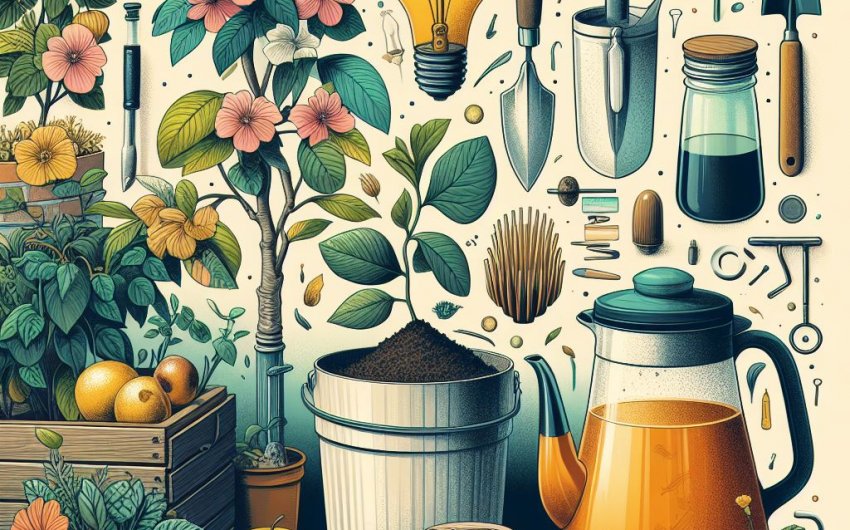
The process of transforming kitchen scraps and yard waste into rich, dark, earthy material is truly remarkable. Compost, often called "black gold," is celebrated by gardeners for its incredible ability to nourish soil and boost plant growth. It's an essential part of healthy gardening, improving soil structure, providing nutrients, and helping plants thrive. For most people, the immediate thought when they hear "compost" is its direct use in garden beds, improving vegetable patches, or feeding flower borders.
But what if you make more compost than your garden beds can handle? Or what if you don't even have a traditional garden? The truth is, the benefits of compost extend far beyond conventional gardening. This valuable resource can be used in surprisingly creative ways, both indoors and out, adding value, sustainability, and life to many aspects of your home and landscape. Let's uncover some ingenious and lesser-known uses for your homemade compost, proving that this "gold" is truly versatile.
What is Compost and Why is it So Valuable?
Before exploring its creative uses, let's quickly recap what compost is and why it's considered such a treasure, even beyond typical garden applications.
What Exactly is Compost?
Compost is simply organic matter that has broken down through a natural process called decomposition. It happens when microorganisms (like bacteria, fungi, and protozoa), earthworms, and other small creatures consume and transform organic waste materials (like food scraps, leaves, and grass clippings) into a stable, dark, crumbly, and nutrient-rich substance. It smells like fresh earth or a forest floor. This end product is often called humus, which is the stable organic component of soil.
What Makes Compost So Valuable?
- Nutrient Rich: Compost contains a balanced array of macro and micronutrients that plants need for healthy growth. Unlike synthetic fertilizers, these nutrients are released slowly over time, providing a steady food supply.
- Improves Soil Structure: It fundamentally changes the physical properties of soil.
- For heavy clay soils, it breaks up compaction, creates air pockets, and improves drainage.
- For sandy soils, it adds bulk, increases water-holding capacity, and helps retain nutrients.
- Boosts Soil Biology: Compost is teeming with beneficial microorganisms. These microbes are essential for healthy soil, helping to cycle nutrients, suppress diseases, and create a vibrant soil food web.
- Enhances Water Retention: Its spongy texture allows it to hold a significant amount of water, slowly releasing it to plants. This reduces watering needs.
- Balances pH: Compost acts as a buffer, helping to moderate the pH level of soil, making it more suitable for a wider range of plants.
- Reduces Waste: It's a prime example of recycling, diverting organic waste from landfills where it would otherwise produce harmful methane gas.
These inherent qualities make compost an invaluable resource, ready to be leveraged in many creative ways beyond just traditional garden beds.
Creative Uses for Compost in Outdoor Spaces (Beyond the Garden Bed)
Your backyard is full of opportunities for compost to work its magic, even in areas you might not consider typical "gardens."
Can Compost Be Used to Improve Lawns?
Yes! Compost is fantastic for lawns, helping them become healthier, greener, and more resilient, reducing the need for chemical fertilizers and excessive watering.
- Top-Dressing Lawns:
- Method: Spread a thin, even layer (about 1/4 to 1/2 inch thick) of fine, screened compost over your existing lawn. Use a rake or the back of a shovel to gently work it down into the grass blades.
- Benefits: This adds nutrients, improves soil structure (reducing compaction), enhances water retention, and boosts beneficial microbial activity. It encourages deeper root growth, making the lawn more drought-tolerant and less prone to weeds and diseases.
- Frequency: Apply once or twice a year, typically in spring or fall. You can find convenient Lawn Spreader Tools to help.
- New Lawn Establishment: When establishing a new lawn from seed or sod, incorporate 2-3 inches of compost into the top 4-6 inches of soil before planting. This provides an excellent base.
What About Improving Trees and Shrubs?
Compost is highly beneficial for both new and established trees and shrubs, improving their vigor and long-term health.
- Planting Trees and Shrubs: When planting a new tree or shrub, mix compost with the native soil that you backfill into the planting hole. A ratio of 1 part compost to 2-3 parts original soil is generally good. Do not replace all the native soil with compost, as this can create a "bathtub effect" leading to drainage issues.
- Mulching/Top-Dressing Established Trees: Spread a 2-4 inch layer of compost around the base of established trees and shrubs, extending to their drip line (the edge of their branches). Keep the compost a few inches away from the trunk to prevent rot.
- Benefits: Acts as a slow-release fertilizer, improves soil structure, conserves moisture, suppresses weeds, and moderates soil temperature. This replaces the need for synthetic tree fertilizers.
How Can Compost Enhance Rain Gardens and Swales?
Rain gardens and vegetated swales are designed to capture, filter, and absorb stormwater runoff, preventing it from polluting waterways.
- Improved Infiltration: Amending the soil in these features with large amounts of compost dramatically increases its ability to absorb and infiltrate rainwater quickly. This is crucial for their function.
- Nutrient Filtration: Compost acts as a natural filter, absorbing pollutants and excess nutrients from stormwater runoff, preventing them from reaching natural bodies of water.
- Plant Health: The rich, well-draining soil created by compost helps the plants in these features thrive, enhancing their natural filtering capabilities. You might consider specific Rain Garden Plant Seeds.
What About Revitalizing Problem Areas?
Compost can transform tough spots in your landscape.
- Compacted Areas: For compacted areas (like heavily trafficked paths or former construction sites), a thick layer of compost can be spread and slowly worked into the soil. Over time, it helps break up compaction.
- Poor Soil Patches: If you have areas where nothing seems to grow well, a generous application of compost can kickstart soil health and prepare it for new plantings.
These outdoor applications highlight compost's power to build healthier, more resilient landscapes, reducing the need for costly chemical inputs and extensive watering.
Creative Uses for Compost in Containers and Potting Mixes
If you do a lot of container gardening, or just have houseplants, compost is an invaluable ingredient for creating healthier, more vibrant potted plants without relying on synthetic fertilizers.
Can Compost Replace Potting Mix?
No, compost should generally not be used as 100% potting mix.
- Density: Pure compost is often too dense for containers and can compact over time, leading to poor aeration and drainage.
- Nutrient Levels: While rich, it can sometimes be too strong for delicate roots if used alone, or it might not provide the exact balance needed for every potted plant.
- Pathogens: Unless it's very hot, finished compost might contain fungi or bacteria not ideal for all closed container systems.
How to Use Compost in Homemade Potting Mixes?
This is where compost truly shines for containers. You can create your own custom, nutrient-rich, and sustainable potting mixes.
- General Potting Mix Recipe: A good starting point for many container plants is:
- Seed Starting Mix: For starting seeds, mix 1 part well-screened, fine compost with 3-4 parts Sterile Seed Starting Mix. The compost adds natural nutrients and beneficial microbes for strong seedling growth.
- Repotting Houseplants: When repotting existing houseplants, incorporate 10-20% compost into your fresh potting mix. This replenishes nutrients and revitalizes the soil.
How to Top-Dress Containers and Houseplants?
- Method: Gently remove the top inch or two of old potting mix from your container or houseplant. Replace it with fresh, finished compost.
- Benefits: This is an excellent way to provide a slow, steady feed of nutrients to your potted plants throughout the growing season without using liquid or granular synthetic fertilizers. It also improves moisture retention and introduces beneficial microbes.
- Frequency: Top-dress every 2-4 months for actively growing plants, or once in spring for plants that slow down in winter.
What About "Compost Tea" for Liquid Feeding?
Compost tea is a liquid extract made by steeping finished compost in water. It's a powerful way to deliver nutrients and beneficial microbes directly to your potted plants, whether indoors or out.
- Method: Place 1-2 cups of finished compost into a porous bag (like an old nylon stocking or mesh bag). Suspend the bag in a 5-gallon bucket of non-chlorinated water (let tap water sit for 24 hours to off-gas chlorine, or use filtered water). Let it steep for 12-24 hours, stirring occasionally. For "aerated" compost tea, use an aquarium air pump and air stone to keep the water oxygenated.
- Application: Dilute the finished tea to a light brown color. Use it as a liquid drench around the base of plants or as a foliar spray (sprayed directly on the leaves).
- Benefits: Provides fast-acting nutrients and a direct dose of beneficial microbes to both the soil and plant leaves, enhancing plant health and disease resistance. Use freshly brewed tea within a few hours.
Using compost in your containers and potting mixes is a fantastic way to create healthier, more robust plants with fewer chemical inputs, leading to greener growth and more vibrant blooms.
Creative Uses for Compost in Permaculture and Ecological Design
Compost is a central component in permaculture and other ecological design systems, where the goal is to create self-sustaining, productive landscapes that mimic natural ecosystems.
What is Sheet Mulching (Lasagna Gardening)?
Sheet mulching, often called lasagna gardening, is a no-dig method of creating new garden beds directly over grass or existing ground. Compost is a key layer.
- Method: You layer various organic materials on top of each other, starting with a weed barrier (like cardboard), then alternating "green" (nitrogen-rich, like fresh food scraps, grass clippings) and "brown" (carbon-rich, like dry leaves, straw, shredded paper) layers, much like a lasagna. Compost is usually incorporated into several of these layers, especially at the top.
- Benefits:
- Builds Soil: Creates rich, fertile soil over time without digging.
- Smothers Weeds: Effectively suppresses existing grass and weeds.
- Conserves Water: The thick layers act as an excellent mulch.
- Reduces Waste: Utilizes yard waste and food scraps directly.
- Timing: Best done in fall or several months before planting to allow materials to break down.
How Does Compost Enhance Hugelkultur Beds?
Hugelkultur is a practice of building raised garden beds by first creating a mound of decaying wood (logs, branches) and then layering other organic materials, including compost, on top.
- Method: After the woody base, layers of smaller woody debris, leaves, grass clippings, and soil are added, with significant amounts of compost mixed throughout and forming the top layer.
- Benefits:
- Water Retention: The decaying wood acts like a giant sponge, holding enormous amounts of water and reducing the need for irrigation.
- Slow-Release Nutrients: As the wood and other organic materials (including compost) break down over many years, they release a continuous supply of nutrients to plants.
- Increased Surface Area: The mound shape increases planting surface area.
- Compost's Role: Compost adds immediate fertility to the new bed and provides the necessary microbial life to kickstart the breakdown of the woody material, accelerating the entire process.
What About Establishing Food Forests and Pollinator Habitats?
Food forests are multi-layered edible ecosystems designed to mimic natural forests. Pollinator habitats focus on attracting and supporting bees, butterflies, and other beneficial insects.
- Soil Foundation: In both cases, building rich, healthy soil with compost is fundamental. It supports a diverse range of plants, including native species preferred by pollinators, and helps new plantings establish quickly.
- Nutrient Cycling: Compost ensures a robust soil food web that continuously cycles nutrients, allowing these complex systems to become largely self-sustaining.
- Water Management: Improved water retention from compost means these systems are more resilient to dry spells.
In permaculture and ecological design, compost is seen as a living soil builder and nutrient recycler, key to creating resilient, productive, and low-input landscapes that benefit both humans and the environment.
Creative Uses for Compost Beyond the Garden Fence (DIY & Craft)
This category really stretches the imagination, demonstrating the versatility of finished compost even for non-gardening applications.
Can Compost Be Used to Create "Living" Art or Crafts?
While not common, the earthy texture and natural composition of compost can inspire unique creative projects.
- Moss Art/Sculptures: Mix finely screened compost with a little buttermilk or yogurt and blend with moss. Paint this mixture onto porous surfaces (like terra cotta pots, stones, or concrete garden ornaments) to encourage moss growth and create an aged, living effect.
- Eco-Friendly Potting Medium for Kokedama: Kokedama is a Japanese art form where a plant's roots are bound in a moss-covered ball of soil. A mixture including compost can be used as the base for the soil ball, providing nutrients and stability.
- Seed Bombs/Seed Balls: Mix dry, finished compost with native wildflower seeds and a bit of clay and water to form small balls. Let them dry. These "seed bombs" can be tossed into neglected areas (with permission, of course) to introduce wildflowers and improve the soil. You can make your own Wildflower Seed Mix.
What About Soil Blocks for Seed Starting?
Soil blocks are small, compressed blocks of potting mix that act as individual pots, eliminating the need for plastic seed trays.
- Compost Integration: A key ingredient in a good soil block mix is finely screened compost. It provides structure and nutrients.
- Benefits: Reduces plastic waste, allows for easy transplanting with minimal root disturbance, and promotes healthy root development. You'll need a Soil Blocker Tool.
Can Compost Be Used in Educational Projects?
- Hands-on Learning: Compost is perfect for demonstrating decomposition, soil science, and nutrient cycling for children or students. A small, transparent worm bin (vermicomposting) is an excellent way to observe the process up close.
- Community Gardens/School Programs: Excess compost can be donated to local community gardens, school gardens, or urban farming initiatives, helping to spread sustainable practices and educate more people.
What About as a Component in Natural Building?
While more specialized, compost can sometimes be found as a small component in natural building materials or techniques.
- Earth Plasters: In some natural building contexts, small amounts of aged, stable organic matter (like fine compost) might be included in earth plasters or cob mixes to add a slight fibrous quality or help with moisture regulation. This is very niche but shows its fundamental earthly properties.
These creative applications demonstrate that compost is far more than just a garden additive. It's a powerful, versatile, and environmentally beneficial resource that can infuse life and sustainability into diverse aspects of our homes, landscapes, and even artistic endeavors. From nourishing our plants to reducing our waste and fostering connection with nature, compost truly is a multi-talented hero.