
How do I harvest and store compost for future use?
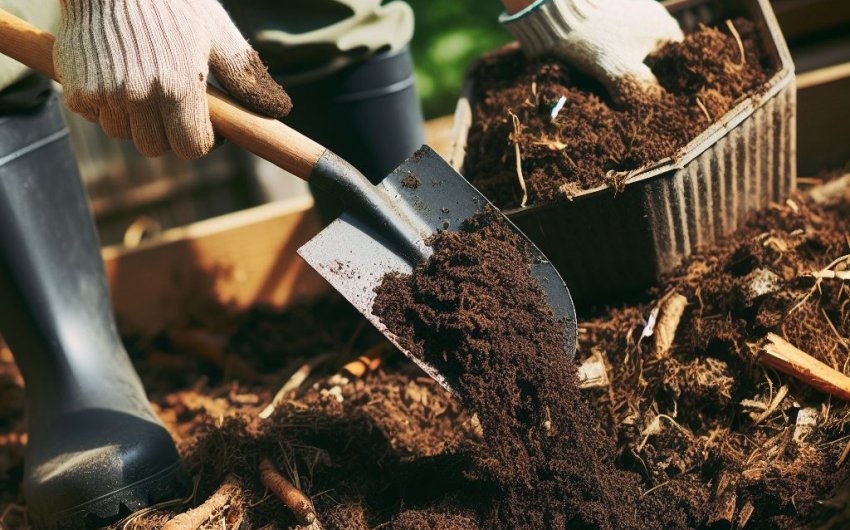
Composting is truly magical. It's the process of turning kitchen scraps, yard waste, and other organic materials into a rich, dark, nutrient-filled soil amendment that gardeners affectionately call "black gold." This amazing material, compost, breathes new life into your garden soil, making plants healthier, more productive, and less prone to disease. It's a fantastic way to recycle, reduce waste, and improve your garden all at once. But once you've nurtured your compost pile and watched it transform, the next big question arises: how do you know when it's ready, and what do you do with it then? Harvesting and storing your finished compost correctly ensures you get the most benefit from your efforts. Let's dig into the secrets of knowing when your compost is perfectly aged and how to keep it ready for your garden's needs.
How do I know my compost is ready to use?
Knowing when your compost is truly finished is important. Using compost that isn't fully broken down can actually harm your plants instead of helping them. You're looking for a mature, stable product that won't "steal" nitrogen from your plants as it continues to decompose. There are a few key signs and tests that tell you your compost is ready for your garden.
What does finished compost look and smell like?
The easiest way to tell if your compost is ready is to use your senses. Your finished compost should have a very distinct look and smell.
- Look: Finished compost should be a uniform, dark brown or black color. It should look like rich, earthy soil. You should no longer be able to easily identify the original materials you put in, such as food scraps, leaves, or grass clippings. While you might see a few tiny, stubborn bits (like small twigs or fruit pits), the vast majority of the material should be completely broken down and resemble fine crumbs. If you still see large chunks of identifiable food or plant matter, it's not quite ready and needs more time to decompose.
- Smell: Finished compost should have a pleasant, earthy smell – like fresh forest soil after a rain. It should not smell rotten, sour, ammoniac, or like garbage. A bad smell means the compost process is out of balance, likely due to too much moisture or not enough air. A strong, unpleasant odor indicates that the material is still actively decomposing in an anaerobic (without oxygen) state and needs to be turned or aerated before it's ready for use. If it smells good and looks good, you're halfway there!
How do I check the temperature of my compost?
The temperature of your compost pile is a good indicator of how active the decomposition process is. During the active phase of composting, when microorganisms are rapidly breaking down organic matter, the pile heats up considerably. This "hot composting" can reach temperatures of (120^\circ\text{F}) to (160^\circ\text{F}) ((49^\circ\text{C}) to (71^\circ\text{C})), which is hot enough to kill most weed seeds and harmful pathogens.
However, when the compost is finished, its temperature should have dropped significantly. It should be roughly the same temperature as the surrounding air, or at most, only slightly warmer. If your compost pile is still actively heating up after you turn it or add new materials, it's still in the active decomposition phase and isn't fully mature. You can check the temperature by sticking your hand into the pile (be careful if it's hot!) or, more accurately, by using a compost thermometer. A long-stem compost thermometer is a very useful tool for monitoring your pile's progress.
What is the "bag test" for compost maturity?
The "bag test," also known as the germination test, is a simple and effective way to confirm your compost's maturity. It helps you determine if the compost is stable enough to be used around plants without harming them. Unfinished compost can sometimes contain compounds that inhibit plant growth, or it might draw nitrogen from the soil as it continues to break down, "stealing" it from your plants.
Here's how to do the bag test:
- Take a small sample of your finished-looking compost.
- Place it in a sealed plastic bag or a small container.
- Add a few quick-sprouting seeds, like radish or mustard greens.
- Keep the compost moist and in a warm place.
- Observe the seeds over a few days to a week.
If the compost is mature and stable, the seeds should sprout readily and grow vigorously. If the seeds fail to sprout, sprout very weakly, or turn yellow and die, it indicates that the compost is not yet fully broken down and might contain compounds harmful to plants. In this case, your compost needs more time to mature before you use it in your garden.
How do I actually harvest compost from my bin?
Once you've determined your compost is ready, it's time to harvest that beautiful black gold! The method you use will depend a lot on the type of compost bin or pile you have.
Harvesting from a single-chamber bin or pile
If you have a single-chamber compost bin (like a tumbler or a simple upright bin) or an open compost pile, harvesting can be a bit like digging for treasure. Since new materials are usually added to the top, the most finished compost will be at the bottom of the pile.
For an upright bin that you can lift off, simply lift the bin, and the finished compost will be at the bottom, while the less decomposed material will stay in a pile. You can then scoop out the mature compost. If you can't lift the bin, or with an open pile, you'll need to use a pitchfork or shovel to access the finished material. Carefully dig from the bottom or sides of the pile, pulling out the dark, crumbly compost. You'll likely encounter layers of less-finished material above or around it. You can move these less-finished materials back into the active pile for further decomposition. This method is often called "continuous harvesting" because you keep adding new material to the top while removing finished material from the bottom. A sturdy garden shovel will be essential here.
Harvesting from a multi-chamber or batch composting system
Multi-chamber compost bins or batch composting systems are often easier for harvesting because they keep the composting stages separate. In a multi-chamber system, you typically add fresh materials to the first chamber, turn them into the second chamber as they decompose, and let them finish in the third chamber.
With this setup, the compost in the last chamber should be fully mature and ready for harvesting. You can simply scoop it out without disturbing the actively decomposing materials in the other chambers. This makes the harvesting process much cleaner and more efficient. For batch composting, where you fill a bin all at once and let it decompose completely before starting a new batch, you simply empty the entire bin once the compost is ready. This method yields a large amount of finished compost all at once. This system allows for more organized compost tumblers that can simplify your composting efforts.
Do I need to screen my compost?
Screening compost is an optional step, but many gardeners choose to do it to get a finer, more uniform product. A compost screen (also called a "sifter" or "riddle") is essentially a mesh frame that you shake or shovel compost through.
- Why screen? Screening removes any larger, uncomposted bits like stubborn twigs, corn cobs, or eggshells that haven't fully broken down. This results in a finer, fluffier compost that's easier to spread, especially for top-dressing lawns, using in seed-starting mixes, or for potting plants.
- When to screen? You don't always need to screen your compost. For amending garden beds, spreading around established trees, or burying in trenches, a coarser compost is perfectly fine and often preferred, as the larger pieces will continue to break down and improve soil structure over time. However, for seed starting, potting mixes, or finely textured garden beds, screening gives you that ideal "black gold" consistency.
- How to screen? You can buy ready-made compost screens or easily make one yourself using a wooden frame and hardware cloth (a sturdy metal mesh). Place the screen over a wheelbarrow or tarp, shovel compost onto it, and shake or rake the compost through. The finer material will fall through, and the larger bits will remain on top. Toss these larger bits back into your active compost pile for another round of decomposition.
What is the best way to store harvested compost?
Once you have that beautiful, finished compost in hand, you might not need to use it all right away. Proper storage is key to preserving its quality and ensuring it's ready when your garden needs it.
Where should I store compost to maintain its quality?
The goal of storing finished compost is to keep it moist (but not wet), aerated, and protected from harsh elements.
- Cool, Shady Location: Store compost in a cool, shady spot. Direct sunlight can dry out the compost, and excessive heat can lead to the loss of beneficial microorganisms and nutrients.
- Good Airflow: While active composting needs a lot of air, finished compost still benefits from some airflow to prevent it from becoming anaerobic and smelly. Don't compact it too tightly.
- Protection from Rain/Snow: Excessive rain or snow can leach valuable nutrients out of the compost and make it soggy. Store it under a roof, tarp, or in a covered bin.
- Away from Pests: Make sure your storage location is secure from rodents and other pests that might be attracted to any remaining organic matter.
A corner of a shed, under a porch, or even a covered area in your garden can work well.
What kind of containers are suitable for compost storage?
The type of container you use for compost storage depends on how much you have and how long you plan to store it.
- Breathable Bags: For smaller quantities, breathable bags are excellent. Think of burlap sacks, old feed bags, or even large, sturdy paper bags. These allow for some airflow and prevent the compost from becoming waterlogged or suffocating. Avoid tightly sealed plastic bags, as these can lead to anaerobic conditions and unpleasant odors. If you must use plastic, poke a few holes in it for ventilation.
- Covered Bins/Piles: For larger quantities, a simple, covered bin (like a repurposed trash bin with holes drilled for drainage and ventilation) or a dedicated pile covered with a tarp works well. Make sure the tarp isn't sealed tightly around the edges, as this can prevent airflow. You want to shed rain while still allowing the compost to breathe.
- Bulk Storage: If you have a very large amount of compost, consider creating a designated, covered storage area or a large, simple wood frame bin.
No matter the container, the key is to allow for some airflow and protect it from excessive moisture and drying out. A stack of durable burlap sacks can be surprisingly useful for compost storage.
How long can finished compost be stored?
Finished compost can be stored for quite a while, often up to a year or even longer, without significant loss of quality, as long as it's stored correctly. However, it's generally best to use it within about six months to a year for maximum benefit.
Over time, even finished compost will continue to slowly break down and its nutrient content might change slightly. More importantly, the beneficial microbial life within the compost, which is a major part of its value, will gradually decrease if it's not regularly "fed" or turned. Think of compost as a living soil amendment; while it stays good for a long time, it's most vibrant and effective when relatively fresh.
The main thing to avoid during storage is letting it dry out completely or become waterlogged. Both extremes can reduce the population of beneficial microbes and impact its structure. If your compost dries out during storage, simply moisten it lightly before use. If it becomes too wet, spread it out to dry slightly and introduce more air.
When and how should I use my harvested compost?
Having a stash of finished compost is like having a secret weapon for your garden. It can be used in countless ways to improve soil health, nourish plants, and boost yields. Here's how to deploy your black gold effectively.
How do I use compost for amending garden beds?
Amending garden beds is one of the most common and beneficial uses for compost. It's fantastic for improving soil structure, adding slow-release nutrients, and enhancing water retention.
- Before Planting: The best time to heavily amend your garden beds with compost is before planting, especially at the beginning of a growing season. Spread a 1-3 inch layer of finished compost over the entire bed.
- Incorporation: Gently work the compost into the top 4-6 inches of existing soil using a garden fork or tiller. You don't need to dig too deeply, as the soil microbes and worms will continue to pull the organic matter down.
- Benefits: This process enriches the soil with a wide range of essential nutrients, improves drainage in heavy clay soils, helps sandy soils hold more water, and creates a healthy environment for roots to thrive. It also introduces beneficial microorganisms to your soil, which are crucial for nutrient cycling. Using a sturdy garden fork will make incorporating compost much easier.
What is top-dressing and how do I do it with compost?
Top-dressing involves spreading a thin layer of compost over the soil surface around existing plants, lawns, or garden beds. It's a fantastic way to give your plants a continuous boost of nutrients and improve the soil without disturbing roots.
- For Gardens and Planters: Spread a \( \frac{1}{2} \) to 1-inch layer of finished compost around the base of plants, extending to the drip line (the outer edge of the plant's foliage). For established garden beds, you can top-dress lightly a few times during the growing season. The nutrients will slowly leach into the soil with watering and rain, and the compost will help suppress weeds and retain moisture.
- For Lawns: Top-dressing lawns with compost can greatly improve their health and appearance. Spread a \( \frac{1}{4} \) to \( \frac{1}{2} \)-inch layer evenly over the lawn, then rake it gently to work it into the grass. Do this in spring or fall.
- Benefits: Top-dressing provides a slow, steady release of nutrients, improves soil structure, encourages beneficial soil life, and helps retain moisture. It's a gentle way to feed your plants continuously. For even application on larger areas, a compost spreader can be a helpful tool.
Can I use compost for potting mixes or seed starting?
Yes, compost is a fantastic ingredient for both potting mixes and seed starting mixes, but there are some important considerations.
- For Potting Mixes: You can mix finished, screened compost into your existing potting soil for container plants. A good ratio is typically 1 part compost to 2-3 parts potting soil. Compost adds nutrients, improves drainage, and enhances moisture retention in containers. It also reintroduces beneficial microbes that can be missing in sterile potting mixes.
- For Seed Starting Mixes: For seed starting, you need a very fine, well-draining, and consistent mix. Use only fully mature, finely screened compost for seed starting. Mix it with other ingredients like vermiculite and perlite for good drainage and aeration. A common ratio might be 1 part screened compost, 1 part vermiculite, and 1 part perlite. Using too much compost, or compost that isn't fully broken down, can harm delicate seedlings by being too rich or causing damping-off disease. Always ensure your compost for seed starting is truly fine and crumbly. For a DIY seed starting mix, you'll want some fine vermiculite and perlite to ensure proper drainage.
What is compost tea and how do I make it?
Compost tea is a liquid fertilizer made by steeping finished compost in water. It's packed with beneficial microorganisms and soluble nutrients that can be applied directly to plants as a soil drench or a foliar spray (sprayed on leaves). It's like a nutritious smoothie for your plants!
- How to Make Simple Compost Tea (Passive Method):
- Fill a porous bag (like a nylon stocking or burlap sack) with about 1-2 cups of finished, mature compost.
- Suspend the bag in a 5-gallon bucket filled with dechlorinated water (let tap water sit out for 24 hours to dissipate chlorine, or use rainwater).
- Let it steep for 1-3 days, stirring occasionally. The water should turn a light brown color.
- Remove the compost bag (you can add the remaining compost back to your compost pile or garden).
- Using Compost Tea: Dilute the tea with more water until it looks like weak iced tea. Use it to water plants at their base or spray it on plant leaves.
- Benefits: Compost tea provides a quick burst of nutrients and, more importantly, introduces beneficial microbes to your plant's leaves and the soil around its roots. These microbes can help plants absorb nutrients more efficiently and even help fight off some diseases. For an aerated version, you can use an aquarium air pump to bubble air through the tea as it brews, which encourages a wider range of beneficial aerobic microbes.