
Best Composting Methods to Avoid Attracting Pests like Rodents and Flies
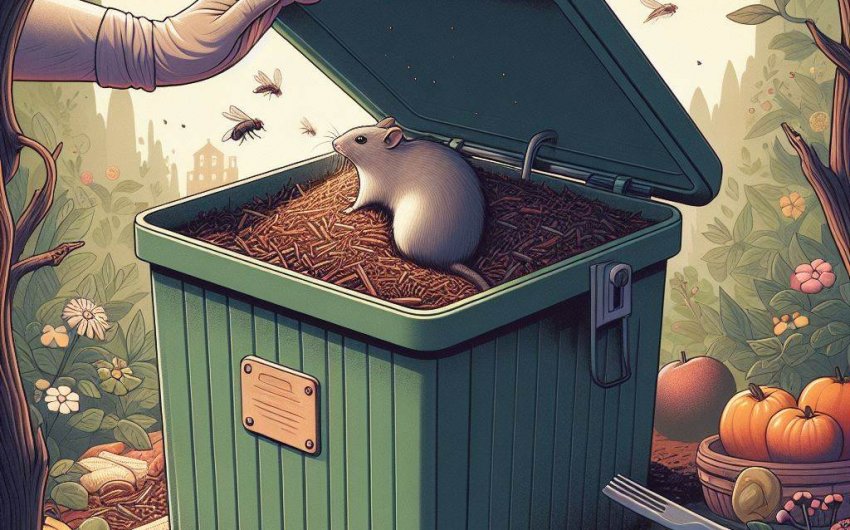
Composting is an incredibly rewarding practice. It's a fantastic way to recycle your kitchen scraps and yard waste, turning them into nutrient-rich "black gold" for your garden. It reduces landfill waste, enriches your soil, and supports healthier plants. Many people are eager to start composting, but a common worry often holds them back: "Won't it attract pests like rodents and flies?" This concern is valid, as a poorly managed compost pile can indeed become an unwelcome buffet for critters.
The good news is that you absolutely can compost without turning your backyard into a pest hot spot. The key lies in choosing the right composting methods and following smart practices that deter unwanted visitors. It's all about understanding what attracts pests and then making your compost pile an unappealing place for them. We'll explore the best strategies and setups to ensure your composting journey is smooth, productive, and wonderfully pest-free.
What Attracts Pests to a Compost Pile?
Understanding why rodents and flies are drawn to a compost pile is the first step in preventing them. They are primarily attracted by easily accessible food and a comfortable habitat.
What Food Attracts Pests?
- Meat, Dairy, and Oily Foods: These are the biggest culprits.
- Reason: When meat, fish, poultry, bones, dairy products (milk, cheese, yogurt), or oily/greasy foods (cooking oil, salad dressing, butter) decompose, they produce strong odors that are highly attractive to rodents (rats, mice, raccoons, opossums) and flies. They also break down slowly and can putrefy (rot badly) in a cool compost pile, creating more intense smells.
- Solution: Avoid adding these items to traditional or open compost piles altogether.
- Cooked Food Scraps: While raw fruit and vegetable scraps are fine, cooked leftovers can sometimes be more problematic.
- Reason: Cooked foods (especially those with fats, oils, or sugars) can be more immediately recognizable as food to pests and can spoil faster in a cold pile, producing stronger odors.
- Solution: Bury them deep in the compost, or consider using specialized methods like vermicomposting or enclosed tumblers for these.
- Sugary Foods: Large quantities of sugary items, like fruit pulp from juicing or excessive sweet fruit scraps.
- Reason: Attracts fruit flies and other insects.
- Solution: Bury deep, ensure good carbon-rich cover, and balance with browns.
- Exposed Food Scraps: Any food scraps left uncovered on the surface of the compost pile.
- Reason: Visually attractive to rodents and birds, and a direct landing spot for flies.
- Solution: Always bury all food scraps immediately and completely under at least 6-8 inches of carbon-rich (brown) material or finished compost.
What Conditions Attract Pests?
Beyond food, the environment of your compost pile can also be an inviting place for pests.
- Odors: A foul-smelling compost pile (sour, ammonia, rotten) is a beacon for pests.
- Reason: Usually indicates an imbalance (too many greens, too wet, not enough air).
- Solution: Balance greens and browns, ensure good aeration, maintain proper moisture.
- Easy Access: An open compost pile or one with large gaps can be an open invitation.
- Reason: Rodents can easily enter, nest, and feed.
- Solution: Use pest-proof compost bins, or manage open piles diligently.
- Lack of Activity/Heat: A cold, slow-moving compost pile where food sits for a long time.
- Reason: Pests prefer stable, cool environments where food decomposes slowly and is easy to find. Hot, active compost piles are too warm and dynamic for most pests to thrive in.
- Solution: Aim for hot composting, or ensure rapid breakdown even in cold composting by managing moisture and balance.
By eliminating or managing these attractants, you can maintain a clean, active compost pile that's productive for your garden and unappealing to pests.
What Are the Best Composting Methods to Avoid Rodents?
Rodents (like rats, mice, raccoons, and opossums) are attracted to compost piles by food odors and easy access. The best strategies for avoiding them involve secure bin designs and careful management of what goes in.
What is an Enclosed and Rodent-Proof Compost Bin?
This is the most effective way to deter rodents.
- Material: Choose bins made of sturdy materials that rodents cannot chew through.
- Plastic Compost Bins: Many commercially available plastic compost bins are designed to be enclosed. Look for ones with tight-fitting lids and small openings that a mouse cannot squeeze through. Ensure the bottom is secure or rodent-proofed. You can find excellent Plastic Compost Bins.
- Metal Bins: Bins made from heavy-duty metal (like galvanized steel) are rodent-proof.
- Tumblers: Fully enclosed compost tumblers are excellent at keeping rodents out.
- No Gaps: Ensure there are no gaps wider than 1/4 inch (the size a mouse can squeeze through) anywhere in the bin. This includes the lid, side panels, and base.
- Secure Bottom: If the bin sits directly on the ground, ensure the base is secured to the ground, or place hardware cloth (1/4 inch mesh, not chicken wire which is too large) underneath the entire bin to prevent tunneling. You can buy Hardware Cloth for Rodent Control.
- Tight Lid: The lid should fit tightly and ideally have a latch or locking mechanism that a clever rodent cannot open.
How Does Composting in Tumblers Help?
Compost tumblers are highly effective at preventing rodent access.
- Enclosed Design: They are completely sealed units, preventing entry.
- Elevated: Most tumblers are off the ground, making them difficult for rodents to access.
- Regular Turning: The tumbling action constantly mixes and aerates the pile, promoting faster decomposition and often generating heat, which rodents dislike.
- How to Use: Fill with a balanced mix of greens and browns, ensuring proper moisture. Tumblers require regular turning (every few days). You can find many kinds of Compost Tumblers.
- Limitations: Can be smaller than static bins, so capacity might be an issue for large amounts of yard waste.
What About Vermicomposting (Worm Bins)?
Vermicomposting is another excellent method for rodent prevention, especially for kitchen scraps.
- Enclosed Bins: Worm bins are typically enclosed, usually plastic, with tight-fitting lids.
- Indoor Use: Often used indoors (basement, laundry room, kitchen), where rodents are less likely to be a direct issue.
- No Meat/Dairy: When managed correctly (avoiding meat, dairy, and oily foods), there's little odor to attract rodents.
- How to Set Up: Use a Worm Composting Bin with appropriate air holes but no large entry points for pests. Place on a tray to collect any leachate. You'll need specific red wiggler worms.
What Foods Should You Avoid?
Regardless of the bin type, avoiding the "no-go" foods is crucial.
- No Meat, Bones, Fish, Dairy, Oily/Greasy Foods: These are the primary attractants for rodents and cause strong odors.
- No Pet Waste: Can contain pathogens and attract pests.
By choosing a secure, enclosed composting method and being strict about what goes into your bin, you can successfully avoid attracting rodents to your compost.
What Are the Best Composting Methods to Avoid Flies?
Flies, especially fruit flies and houseflies, are primarily attracted to the smell of rotting food and exposed organic matter. Preventing them means managing odors, burying food, and ensuring good conditions.
How Does Burying Food Scraps Help?
This is the most critical step for fly prevention in any outdoor compost system.
- No Exposed Food: Flies cannot lay eggs or feed on food scraps if they cannot access them.
- Method: Every time you add kitchen scraps (greens) to your compost bin or pile, immediately bury them under at least 6-8 inches of carbon-rich (brown) material like dry leaves, shredded paper, or finished compost.
- Benefits: This prevents immediate access for flies, reduces odors, and helps balance the compost pile's green-to-brown ratio.
What About the Right Carbon-to-Nitrogen (C:N) Ratio?
A well-balanced compost pile with the correct ratio of carbon (browns) to nitrogen (greens) breaks down efficiently and without bad odors, which deters flies.
- Ideal Ratio: Aim for roughly 2-3 parts browns to 1 part greens by volume.
- Too Many Greens: If you have too many nitrogen-rich items (food scraps, fresh grass clippings) without enough carbon, the pile can become anaerobic (lack oxygen) and putrefy, producing foul odors that attract flies (and rodents).
- Solution: Always have a ready supply of dry browns (shredded leaves, straw, newspaper, cardboard) near your compost bin. Every time you add kitchen scraps, follow with an equal or double amount of browns.
How Does Good Aeration Help Prevent Flies?
An actively aerated compost pile breaks down quickly and generates heat, which is less appealing to flies.
- Oxygen for Microbes: Aeration provides oxygen for the beneficial microbes that break down organic matter. Without oxygen, anaerobic decomposition occurs, producing smelly compounds.
- Turning the Pile: Regularly turning your compost pile (especially in a hot composting system or tumbler) mixes the materials, introduces oxygen, and helps maintain high temperatures.
- Compost Tumblers: Are excellent for aeration as they are designed to be easily turned.
- Aerator Tools: Use a Compost Aerator Tool or a pitchfork to turn static piles.
- Benefits: Reduces bad odors, speeds up decomposition, creates an inhospitable environment for flies.
How Do You Manage Moisture Levels?
- Damp, Not Soggy: Your compost pile should be consistently moist, like a wrung-out sponge.
- Too Wet: Overly wet or soggy conditions create anaerobic pockets and lead to foul odors, which attract flies.
- Solution: If your pile is too wet, add more dry, carbon-rich material (browns) and turn it to aerate.
- Too Dry: If it's too dry, decomposition will slow down, and food scraps might sit for longer, attracting pests. Add water and turn.
What About Speedy Decomposition (Hot Composting)?
- High Temperatures: A well-managed hot compost pile can reach temperatures of 130-160°F (55-70°C). These high temperatures are too hot for most flies and their larvae to survive or thrive.
- Rapid Breakdown: The quick breakdown of organic matter in a hot pile means food scraps don't sit around long enough to become a significant attractant.
- Method: Requires careful balancing of greens and browns, consistent moisture, and frequent turning.
By diligently managing your compost pile's balance, moisture, and aeration, and consistently burying food scraps, you can create a system that smells pleasantly earthy and remains free of pesky flies.
What Are Some General Best Practices for Pest-Free Composting?
Beyond specific methods, consistently applying good composting practices is key to keeping your pile free from unwanted visitors like rodents and flies.
Why is Location Important?
- Distance from Home: Place your compost bin or pile a reasonable distance from your house, patios, and outdoor living areas. This helps contain any residual odors and keeps potential pests away from immediate proximity to your home.
- Shade and Airflow: Choose a spot that gets some shade (to prevent drying out) but also has good air circulation around the bin.
- Away from Attractants: Don't place your compost near pet food bowls, garbage cans, or other areas that might already attract rodents.
Why Should You Avoid "No-Go" Items?
- Meat, Dairy, Bones, Oils, Greasy Foods: As discussed, these are the primary attractants for rodents and cause terrible odors for flies. Strictly avoid adding them to any outdoor compost system.
- Pet Waste: Beyond attracting pests, pet waste can contain pathogens that are harmful to humans and should not be added to home compost.
What is the Importance of a Covered Bin?
- Deterring Pests: A sturdy lid or cover is essential for keeping rodents and larger animals out of your compost. It also helps contain odors and regulate moisture.
- Rain Protection: A cover also prevents the pile from becoming waterlogged during heavy rains.
How Does Chopping Materials Small Help?
- Faster Breakdown: Smaller pieces of organic matter break down much faster because the microorganisms have more surface area to work on.
- Less Attractive: Rapid decomposition means food scraps don't sit around rotting and smelling for long periods, which reduces their attractiveness to flies and rodents.
- Method: Chop up fruit and vegetable scraps, shred leaves with a mower, and break down larger plant stalks before adding them to the compost.
What About Being Consistent with Management?
- Regular Turning: If using a hot pile or tumbler, consistent turning is vital. This provides aeration, maintains heat, and ensures rapid breakdown.
- Regular Feeding and Burying: Make it a habit to bury all new food scraps immediately and deeply under brown material.
- Monitor: Periodically check your compost for odors, moisture levels, and signs of pest activity. Addressing issues early is much easier than fixing a big problem.
By consistently applying these general best practices, you create an environment where compost thrives, produces valuable soil amendment, and remains a peaceful, pest-free part of your garden. Composting should be a source of joy, not stress!