
Can I compost paper towels and cardboard toilet paper rolls?
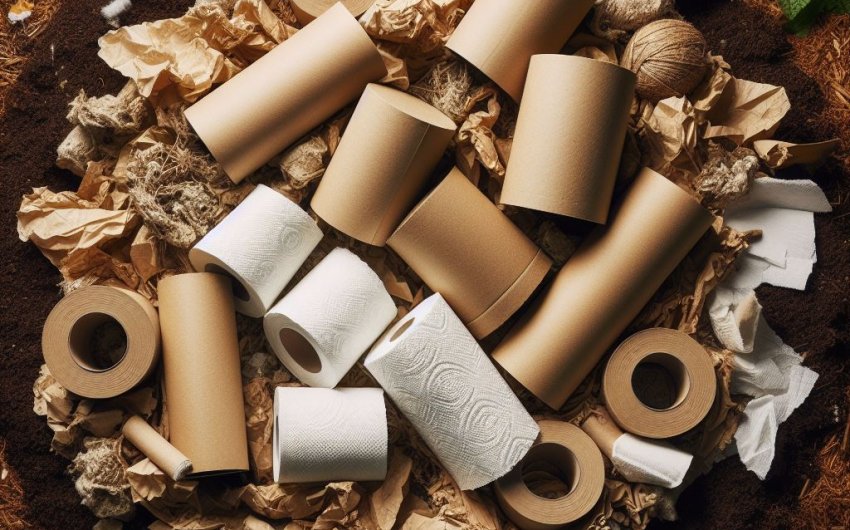
Composting is a cornerstone of sustainable living for many gardeners and environmentally conscious households. It's a powerful way to reduce waste and create nutrient-rich material for your garden. While the benefits of composting kitchen scraps and yard trimmings are widely known, you might find yourself wondering about other common household items. Specifically, can those used paper towels from wiping up spills, and the ever-present cardboard toilet paper rolls, find a new life in your compost pile? The short answer is often a resounding yes, but with important conditions for each! Understanding these nuances can significantly boost your compost's health and divert even more waste from landfills.
Why Are Paper Products Good for Compost (Generally)?
Before diving into the specifics, let's understand why many paper-based items are valuable additions to a compost pile.
What Role Do "Browns" Play in Composting?
Paper products, including paper towels and cardboard toilet paper rolls, are considered "brown" materials in composting.
- Carbon Source: Browns are rich in carbon, which provides energy for the microorganisms that break down organic matter. Carbon is just as vital as nitrogen ("greens") for a healthy, active compost pile.
- Aeration: Their fibrous nature helps to create structure and air pockets within the pile. This is crucial for aeration, which prevents anaerobic conditions (lack of oxygen) that lead to foul, rotten smells.
- Moisture Absorption: Browns help absorb excess moisture from wetter "green" materials, preventing the pile from becoming soggy and promoting balanced decomposition.
How Does Composting Paper Products Reduce Waste?
- Landfill Diversion: Every piece of paper you compost means less trash going to a landfill. Landfills are filling up, and diverting waste is a key environmental benefit.
- Methane Reduction: When organic materials, like paper, decompose in an oxygen-deprived landfill, they produce methane, a potent greenhouse gas. Composting ensures aerobic decomposition, producing carbon dioxide (a less harmful greenhouse gas) and valuable compost for your garden.
- Resource Creation: You transform what would be waste into a valuable soil amendment, closing the loop on resource use.
Can I Compost Paper Towels? (The Important Conditions)
This is where the "it depends" comes in. Not all paper towels are suitable for your compost pile.
What to Avoid: Bleach, Dyes, and Chemical Residues
This is the most critical consideration for paper towels:
- Bleaching Agents: Many conventional paper towels are bleached white using chlorine or chlorine compounds. These chemicals can be harmful to the beneficial microorganisms in your compost pile and can leave unwanted residues in your finished compost, which you'll then use on your plants. You do not want to introduce potentially toxic substances to your garden soil.
- Dyes and Inks: If your paper towels have patterns, colors, or decorative prints, these dyes and inks often contain heavy metals or other chemicals that are not safe for composting.
- Fragrances or Lotions: Scented paper towels or those with added softeners or lotions contain artificial ingredients that can disrupt microbial activity and introduce unnecessary chemicals.
- Chemical Cleaning Products: Absolutely DO NOT compost paper towels used with harsh cleaning chemicals (e.g., bleach, oven cleaner, disinfectants, strong bathroom cleaners). These chemicals are toxic and will kill your beneficial compost microbes, stopping the decomposition process. They can also make your finished compost unsafe.
What to Avoid: Food and Oil Residues
- Meat, Dairy, Fats, Oils: If a paper towel was used to wipe up meat juices, cooking oil, grease, or dairy products, it's generally best to avoid composting it in a typical home compost pile. These residues can attract pests (rodents, flies), create foul odors, and slow down decomposition due to their fat content. (For more on this, see my separate blog post on composting meat/dairy/bones).
- Large Amounts of Sugary Residue: While fruit juices are fine, paper towels heavily saturated with sugary syrups or sweet foods might attract more ants or flies.
What Kinds of Paper Towels CAN Be Composted? (The Golden Rule)
The safest paper towels for composting are:
- Unbleached: Look for paper towels that are naturally brown or off-white. These are typically processed without chlorine-based bleaches. You can find unbleached paper towels.
- Plain and Chemical-Free: Ensure they have no dyes, fragrances, or added lotions.
- Used for Simple Messes: Ideal for wiping up water, coffee spills, fruit peels, vegetable scraps, or just drying hands.
- Recycled Content (Bonus!): If they are also made from recycled paper, that's an even better eco-friendly choice!
In summary: Only compost unbleached, chemical-free paper towels used for simple, plant-based, or water-based messes. If in doubt, throw it out!
How to Prepare Paper Towels for Composting:
- Tear or Shred: This is crucial. Whole paper towels can mat together, creating dense layers that block airflow and slow down decomposition. Tear or shred them into smaller pieces (1-2 inch squares or strips) to increase surface area for microbes and promote better aeration.
- Mix Well: Don't just dump them. Layer them into your compost pile, mixing them with "green" materials (like kitchen scraps) and other "browns" (like leaves).
- Bury Deep: Bury any paper towels that contain even mild food residue a few inches deep in the active part of your pile to deter pests and contain odors.
Can I Compost Cardboard Toilet Paper Rolls?
Unlike paper towels, cardboard toilet paper rolls are much simpler: the answer is almost always YES!
Why Are Cardboard Toilet Paper Rolls Excellent for Compost?
- Pure Carbon Source: They are made from simple, untreated cardboard, which is a fantastic "brown" material – pure carbon, exactly what your compost pile needs.
- No Dyes or Chemicals: They typically contain no dyes, bleaches, fragrances, or other additives that would be problematic for composting.
- Excellent Structure: Their tubular shape helps create air pockets in the pile, improving aeration.
- Breaks Down Readily: Once wet and torn, they break down surprisingly quickly.
How to Prepare Cardboard Toilet Paper Rolls for Composting:
- Tear or Shred: This is the only preparation needed. Tear the cardboard toilet paper rolls into smaller pieces or strips. The smaller the pieces, the faster they will decompose. You can even rip them in half and then rip those halves into smaller strips.
- Mix with Greens: Layer them in with your kitchen scraps or other "green" materials to balance the carbon-to-nitrogen ratio. The moisture from the "greens" will also help soften the cardboard.
- No Need to Bury Deep: While burying doesn't hurt, it's not as critical for cardboard toilet paper rolls as it is for food scraps, as they don't generally attract pests or create foul odors on their own.
General Composting Principles for All Kitchen Scraps and Paper Products
To ensure your compost pile is a thriving, odor-free ecosystem that turns waste into garden gold, always follow these fundamental rules.
1. Balance Your Greens and Browns
- The Golden Ratio: Aim for a ratio of roughly 2-3 parts "brown" (carbon-rich) materials to 1 part "green" (nitrogen-rich) materials by volume.
- Greens (Nitrogen): Kitchen scraps (fruit/vegetable peels, coffee grounds, tea bags), fresh grass clippings. These are typically wet and provide fuel for microbial growth.
- Browns (Carbon): Dry leaves, shredded newspaper, cardboard toilet paper rolls, paper towels (the safe kind!), straw, wood chips. These are typically dry and provide the bulk and structure.
- Why Balance? Too many "greens" (too much nitrogen) can lead to a smelly, slimy pile. Too many "browns" (too much carbon) can make the pile break down too slowly.
2. Chop Everything into Smaller Pieces
- Surface Area: The smaller the pieces of any material (fruit peels, vegetable scraps, paper towels, cardboard rolls), the more surface area is exposed to the decomposer microbes, and the faster it will break down.
- Mixing: Smaller pieces also mix better, creating a more uniform pile.
3. Bury Fresh Kitchen Scraps
- Pest Control: Always dig a hole and bury your kitchen scraps (especially fruit and vegetable waste) a few inches deep in the middle of the compost pile. This hides them from flies, rodents, and other scavengers.
- Odor Control: Burying also helps contain any initial odors from fresh food waste.
4. Provide Good Aeration (Turn Your Pile!)
- Oxygen is Key: Composting is an aerobic process, meaning it requires oxygen. When oxygen is lacking, the pile becomes anaerobic, which smells terrible and slows down decomposition.
- Regular Turning: "Turning" your compost pile (mixing it with a compost fork or a compost aerator tool) introduces oxygen. Aim to turn every few days or at least once a week for a faster, hotter pile.
- Structural Browns: The fibrous nature of paper towels and cardboard rolls helps create those vital air pockets.
5. Maintain Proper Moisture Levels
- Like a Wrung-Out Sponge: Your compost pile should be consistently moist, like a wrung-out sponge – damp, but not soggy.
- Adjust: If it's too dry, add a little water as you turn. If it's too wet, add more dry "brown" materials.
6. What to Absolutely AVOID Composting (for Home Piles):
- Meat, Dairy, Bones, Fats, Oils, Grease: Attract pests, create odors, slow decomposition.
- Diseased Plants: Can spread plant diseases to your garden.
- Pet Waste (Dog/Cat Feces): Can contain harmful pathogens and parasites.
- Chemically Treated Materials: Any plant material (including grass clippings or leaves) treated with pesticides, herbicides, or other harsh chemicals. These harm microbes and contaminate your compost.
- Heavily Processed Foods: Things like very salty snacks, processed meats, or large amounts of baked goods.
- Non-Biodegradable Items: Plastics, synthetic fabrics, glass, metal, treated wood, disposable diapers.
By carefully selecting and preparing your paper towels and happily tossing in those cardboard toilet paper rolls, you're taking another step towards a truly eco-friendly and resourceful lifestyle. These seemingly insignificant items can contribute significantly to a healthy, thriving compost pile, turning household waste into valuable "black gold" for your garden and making a positive impact on the environment. Happy composting!