
Essential Gardening Tips for Beginners
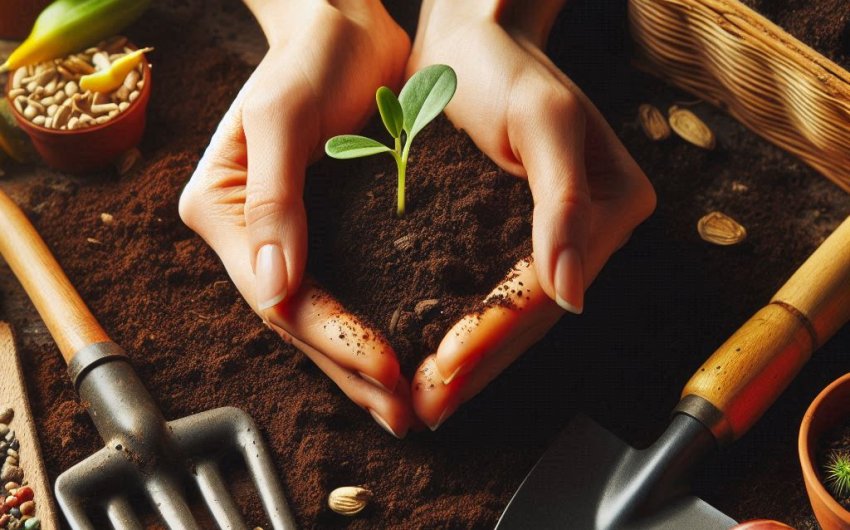
Getting started with gardening is a rewarding journey that can transform your outdoor space and provide fresh produce or beautiful blooms. For beginners, the most essential gardening tips involve choosing the right location, preparing your soil, selecting easy-to-grow plants, and understanding basic watering and feeding needs.
Where Should I Start My Garden?
Choosing the right location is the absolute first step for any new gardener. The success of your plants largely depends on where you decide to put your garden.
How Much Sun Does My Garden Need?
- Sunlight is Key: Most vegetables, fruits, and flowering plants need a lot of sunlight to thrive. Aim for a spot that receives at least 6-8 hours of direct sunlight per day. This is often called "full sun."
- Observe Your Space: Before you even dig, spend a day or two observing your yard. Note which areas get morning sun, afternoon sun, and shade.
- What if I Don't Have Full Sun?
- Partial Sun (4-6 hours): Good for leafy greens (lettuce, spinach, kale), root vegetables (carrots, radishes), and some herbs.
- Partial Shade (2-4 hours): Can work for very tolerant greens and some flowers.
- Full Shade (less than 2 hours): Very few edible plants do well here. Focus on shade-loving ornamentals.
What About Water Access?
- Proximity to a Water Source: Your garden will need regular watering, especially when plants are young or during dry spells. Choose a spot that's easily accessible with a hose or watering can. Hauling water across a large yard gets tiring quickly!
- Drainage: Ensure your chosen spot has good drainage. You don't want water to pool after a rain or watering. If water stands for hours, consider building raised beds or improving your soil drainage.
What Kind of Space Do I Need?
- Start Small: For beginners, a common mistake is to try and do too much too soon. Start with a manageable size, maybe a 4x4 foot (1.2x1.2 meter) or 4x8 foot (1.2x2.4 meter) raised bed, or even a few large containers.
- Consider Raised Beds: Raised garden beds are excellent for beginners. They offer:
- Better drainage.
- Warmer soil earlier in spring.
- Fewer weeds (if filled with new soil).
- Easier access, reducing bending.
- Containers: If you have limited space, a sunny balcony, or a patio, container gardening is a fantastic option. Just ensure containers are large enough for your plants and have drainage holes.
How Do I Prepare My Garden Soil?
Good soil is the foundation of a successful garden. For beginners, understanding basic soil preparation will make a huge difference in plant health and yield.
Why is Soil Important?
- Nutrient Delivery: Soil provides essential nutrients that plants need to grow.
- Water Retention & Drainage: The right soil holds enough water for roots but also drains excess water away, preventing root rot.
- Root Support: It anchors plants firmly.
- Aeration: Healthy soil allows air to reach roots, which is crucial for their survival.
What is Healthy Soil Like?
Healthy garden soil is often described as "loamy." It's a balanced mix of sand, silt, and clay, with a good amount of organic matter.
- Color: Dark and rich.
- Texture: Crumbly and easy to dig. Not too sandy (falls apart) or too clayey (hard and sticky).
- Smell: Earthy and pleasant.
Simple Steps to Prepare Your Soil:
- Clear the Area: Remove any weeds, grass, rocks, or debris from your chosen garden spot. For grass, you can dig it out, smother it with cardboard, or use a tiller (for larger areas).
- Test Your Soil (Optional but Recommended): A soil test kit can tell you about your soil's pH and nutrient levels. This helps you know exactly what amendments are needed. You can get a simple Luster Leaf Rapitest Soil Test Kit.
- Add Organic Matter (The Most Important Step!): This is the best thing you can do for your soil. Organic matter improves drainage in clay soil, helps sandy soil retain water, and adds vital nutrients.
- Compost: Well-rotted compost is gardening gold. Spread a 2-4 inch (5-10 cm) layer over your garden bed.
- Well-rotted Manure: Adds nutrients and organic matter.
- Leaf Mold: Decomposed leaves.
- Shredded Leaves: Can be incorporated directly.
- Incorporate Amendments: Gently work the compost or other organic matter into the top 6-12 inches (15-30 cm) of your existing soil using a garden fork or shovel. Avoid tilling excessively, as it can disrupt soil structure.
- Level the Bed: Rake the surface smooth, creating a level planting area.
By focusing on enriching your soil with organic matter, you create a vibrant living environment that will support strong, healthy plants from the start.
What Are Easy Vegetables for Beginners to Grow?
Choosing the right plants when you're just starting out can make all the difference between frustration and a bountiful harvest. For beginners, selecting easy-to-grow vegetables that are generally forgiving is key.
Characteristics of Easy Vegetables:
- Fast-growing: Provide quicker gratification.
- Tolerant of minor mistakes: Can bounce back from slight over or under-watering.
- Resistant to common pests/diseases: Less likely to be plagued by problems.
- High yield: Produce a good amount of food for your effort.
Top Easy Vegetables for Beginners:
- Lettuce & Other Leafy Greens:
- Why easy: Fast-growing, adaptable, can be harvested often ("cut and come again"). Tolerate partial sun.
- Varieties: Romaine, Butterhead, loose-leaf varieties, spinach, arugula, Swiss chard, kale.
- Tip: Plant small batches every few weeks for continuous harvest.
- Radishes:
- Why easy: Super fast! Ready in as little as 3-4 weeks. Great for impatient gardeners.
- Tip: Don't let them get too big, or they become woody and spicy.
- Bush Beans:
- Why easy: Grow quickly, produce heavily, and don't need trellising like pole beans.
- Tip: Plant after all danger of frost has passed.
- Carrots:
- Why easy: Just need loose, well-drained soil. Fun to pull up!
- Tip: Sow seeds thinly or they will be small and twisted.
- Zucchini & Summer Squash:
- Why easy: Extremely prolific producers. Almost too easy!
- Tip: Give them plenty of space. Check daily for fruit, as they grow fast.
- Cucumbers:
- Why easy: Vining plants that produce a lot.
- Tip: Provide a trellis or cage for them to climb to save space and keep fruit clean.
- Cherry Tomatoes:
- Why easy: While larger tomatoes can be tricky, cherry varieties are more forgiving and produce a huge abundance of sweet fruit.
- Tip: Need full sun and a sturdy stake or cage for support.
- Herbs:
- Why easy: Many herbs are very easy to grow, both in the ground and in pots.
- Examples: Basil, mint, parsley, chives, oregano, thyme.
- Tip: Mint can be invasive, so grow it in a pot!
| Vegetable | Days to Harvest (approx.) | Sun Needs | Key Tip for Beginners |
|---|---|---|---|
| Lettuce | 30-60 | Partial to Full | Harvest outer leaves often |
| Radishes | 21-30 | Full | Don't let them get too big |
| Bush Beans | 50-60 | Full | Plant after last frost |
| Carrots | 60-80 | Full | Ensure loose, deep soil |
| Zucchini | 45-60 | Full | Needs lots of space |
| Cherry Tomatoes | 60-80 | Full | Requires staking/caging |
| Basil | 30-60 | Full to Partial | Pinch off flowers for more leaves |
By starting with these resilient and productive plants, beginners can quickly build confidence and enjoy the literal fruits of their labor.
How Do I Know When to Water My Plants?
Proper watering is one of the most critical gardening tips for beginners. Too much or too little water can quickly harm your plants. Understanding when and how to water correctly is a game-changer.
Why Watering is Tricky (and Important):
- Different Needs: Every plant has slightly different water needs based on its type, size, growth stage, and the weather.
- Root Health: Roots need both water and air. Overwatering starves roots of oxygen, leading to rot. Underwatering causes dehydration.
The Finger Test (Your Best Tool):
This is the simplest and most effective way to know if your plants need water.
- Stick Your Finger In: Push your finger about 1-2 inches (2.5-5 cm) deep into the soil near your plant.
- Feel the Moisture:
- If it feels dry: It's time to water.
- If it feels moist: Wait. Check again in a day or two.
When to Water:
- Early Morning is Best: This gives plants time to absorb water before the heat of the day. It also allows leaves to dry before nightfall, reducing the risk of fungal diseases.
- Avoid Midday Watering: Much of the water will evaporate before reaching the roots.
- Avoid Late Evening Watering: Can leave leaves wet overnight, encouraging fungal problems.
How to Water:
- Water the Soil, Not the Leaves: Aim your watering can or hose nozzle at the base of the plant. Wetting the leaves unnecessarily can promote diseases, especially in hot, humid weather.
- Water Deeply and Slowly: Don't just sprinkle a little water on top. Water until the soil is thoroughly saturated. For container plants, water until it drains from the bottom. For in-ground gardens, water until the soil is moist several inches down. Deep watering encourages roots to grow deeper, making plants more drought-tolerant.
- Observe Your Plants: Wilting leaves are a clear sign of thirst. However, also note that sometimes leaves can wilt in extreme midday heat even if the soil is moist – they're just conserving energy. Check the soil before watering.
Tips for Watering Success:
- Mulch: Apply a 2-4 inch (5-10 cm) layer of organic mulch (straw, shredded leaves, wood chips) around your plants. Mulch helps retain soil moisture, reduces evaporation, and suppresses weeds.
- Containers Dry Faster: Plants in pots need to be watered more frequently than those in the ground because pots dry out faster.
- Consistency: Try to be consistent with your watering routine, as plants prefer a stable environment.
A good watering routine is one of the most fundamental gardening tips for beginners that will lead to healthy and thriving plants.
Do I Need to Fertilize My Garden Plants?
Fertilizing is an important part of gardening for beginners, especially if your soil isn't naturally rich. While organic matter is always the best foundation, supplemental nutrients can give your plants a boost.
Why Fertilize?
Plants need various nutrients to grow, bloom, and produce fruit. The three main ones are:
- Nitrogen (N): For leafy green growth.
- Phosphorus (P): For root development, flowering, and fruiting.
- Potassium (K): For overall plant health, disease resistance, and strong stems.
These are often shown as an N-P-K ratio on fertilizer packaging (e.g., 10-10-10).
When to Fertilize:
- Healthy Soil First: If you've incorporated plenty of compost and organic matter into your soil, your plants might not need much supplemental fertilizer, especially in the first year.
- During Growing Season: Fertilize plants when they are actively growing, blooming, or producing fruit (typically spring and summer).
- Avoid Dormancy: Don't fertilize in late fall or winter when most plants are dormant or growing very slowly.
Types of Fertilizers for Beginners:
- Organic Fertilizers:
- Compost: The best! Continues to slowly release nutrients and improves soil structure.
- Compost Tea: A liquid fertilizer made by steeping compost in water.
- Blood Meal (N): Good for leafy greens.
- Bone Meal (P): Good for root crops, flowers, and fruits.
- Liquid Seaweed or Fish Emulsion: All-purpose, readily available to plants. A product like Neptune's Harvest Organic Hydrolized Fish & Seaweed Fertilizer is highly rated.
- Benefits: Release nutrients slowly, improve soil health, less risk of burning plants.
- Synthetic (Chemical) Fertilizers:
- Granular or Liquid: Provide a quick boost of nutrients.
- Benefits: Fast-acting, precise nutrient ratios.
- Drawbacks: Can burn plants if overused, don't improve soil structure, can leach into waterways.
- Caution: Always follow package directions precisely, and "less is more" for beginners.
Tips for Fertilizing:
- Read the Label: Always follow the instructions on your chosen fertilizer packaging for dosage and frequency.
- Dilute Liquid Fertilizers: When using liquid fertilizers, it's often safer for beginners to dilute them to half-strength to avoid over-fertilization.
- Water First: Always water your plants before applying liquid fertilizer. Applying to dry soil can burn roots.
- Observe Your Plants: If plants look healthy and vigorous, they might not need much fertilizer. Yellowing leaves or stunted growth can indicate a nutrient deficiency.
By starting with good soil and fertilizing judiciously, beginners can ensure their garden plants have the nutrients they need to flourish.
How Do I Deal with Weeds and Pests Naturally?
Weeds and pests are a natural part of gardening, even for beginners. The good news is that many common issues can be managed effectively using natural, organic methods that are safe for your family and the environment.
Why Control Weeds?
- Competition: Weeds compete with your plants for water, nutrients, and sunlight, reducing your harvest.
- Pest & Disease Hiding: Some weeds can harbor pests or diseases that can spread to your crops.
- Aesthetics: A tidy garden is more enjoyable.
Natural Weed Control for Beginners:
- Mulch, Mulch, Mulch! This is your best defense. A 2-4 inch (5-10 cm) layer of organic mulch (straw, shredded leaves, wood chips, cardboard) blocks sunlight, preventing most weed seeds from sprouting.
- Hand-Pulling: The most satisfying method! It's easiest to pull weeds when the soil is moist. Get them when they are small before they establish deep roots or go to seed.
- Hoeing: For larger areas, a garden hoe can quickly cut down young weeds. Do this on a sunny day so the dislodged weeds dry out and die.
- Don't Let Them Go to Seed: The most important rule of thumb: pull weeds before they produce seeds, or you'll have many more next year.
Why Control Pests?
- Plant Damage: Pests can munch on leaves, stems, roots, and fruits, weakening or killing plants.
- Disease Spread: Some pests can transmit plant diseases.
Natural Pest Control for Beginners:
- Inspect Regularly: The best defense is early detection. Spend a few minutes each day looking at your plants, especially the undersides of leaves and new growth, for signs of pests.
- Hand-Picking: For larger pests like tomato hornworms or slugs, simply pick them off and drop them in soapy water.
- Strong Water Spray: A strong jet of water can dislodge aphids, spider mites, and other soft-bodied pests from plant leaves.
- Beneficial Insects: Encourage "good bugs" that eat "bad bugs."
- Attract them: Plant flowers like dill, cilantro, marigolds, and sunflowers to attract ladybugs, lacewings, and predatory wasps.
- Buy them: You can even buy Ladybugs for Pest Control online.
- Neem Oil: An organic pesticide derived from a tree. It acts as an insect repellent and disrupts pest growth cycles. Mix according to directions and spray on affected plants. It's effective against aphids, spider mites, and whiteflies.
- Insecticidal Soap: A safe option for soft-bodied insects. It suffocates pests without harming beneficial insects if applied correctly. Make sure to spray thoroughly, covering the pests.
- Crop Rotation: Don't plant the same vegetable family in the exact same spot year after year. This helps break pest and disease cycles.
| Problem | Natural Control Method | Key Tip |
|---|---|---|
| Weeds | Mulch, hand-pulling, hoeing | Get them when small, don't let them seed |
| Aphids | Water spray, insecticidal soap, ladybugs | Inspect regularly, especially new growth |
| Slugs | Hand-picking, beer traps, copper tape | Check at night, use barriers |
| Spider Mites | Water spray, neem oil, increase humidity | Look for webbing, act early |
By being proactive and consistent with these natural methods, beginners can successfully manage common garden challenges without resorting to harsh chemicals, keeping their garden healthy and safe.
What Tools Do I Need to Start Gardening?
You don't need to break the bank to start gardening. For beginners, a few essential, good-quality tools will cover most tasks and make your gardening experience much more enjoyable.
Essential Hand Tools:
- Hand Trowel: This is your go-to tool for planting seedlings, scooping soil, and digging small holes.
- Tip: Choose one with a comfortable handle and a sturdy blade that won't bend easily. A Fiskars Ergo Trowel is a great durable option.
- Garden Fork (or Digging Fork): Perfect for loosening soil, incorporating compost, and turning over beds. It's easier than a shovel for breaking up compacted soil.
- Hand Pruners (or Secateurs): Essential for harvesting vegetables, cutting flowers, and pruning small branches.
- Tip: Invest in a sharp, comfortable pair of bypass pruners (blades overlap like scissors) for clean cuts that are healthier for plants. Felco Pruners are a favorite among gardeners.
- Weeding Tool:
- Hand Weeder: A simple tool with a forked end to pop out tap-rooted weeds.
- Hoe: For larger garden beds, a hoe (e.g., a stirrup hoe or collinear hoe) makes quick work of surface weeds.
- Garden Gloves: Protect your hands from thorns, blisters, and dirt.
- Tip: Look for durable, breathable gloves that fit well.
Watering Tools:
- Watering Can: For small gardens, containers, or gentle watering of seedlings.
- Garden Hose with Nozzle: For larger areas. Choose a nozzle with different spray patterns, including a gentle shower setting.
- Rain Gauge (Optional but Useful): Helps you track how much natural rainfall your garden receives.
Other Useful Tools (As You Progress):
- Wheelbarrow or Garden Cart: For moving soil, compost, mulch, or harvested crops around the garden.
- Rake: For leveling soil and spreading mulch.
- Shovel or Spade: For digging larger holes, moving soil, or turning compost.
- Garden Kneeler/Seat: Saves your knees and back during long gardening sessions.
Tool Care Tips:
- Clean Tools: After each use, wipe dirt off your tools.
- Dry Tools: Store tools in a dry place to prevent rust.
- Sharpen Pruners: Keep your pruners sharp for clean cuts.
- Oil Wooden Handles: If you have wooden handles, periodically rub them with linseed oil to prevent drying and cracking.
Starting with a basic set of quality tools will make your gardening journey smoother and more enjoyable, allowing you to focus on the plants themselves.
How Do I Protect My Garden from Pests and Diseases?
Protecting your garden from pests and diseases is an ongoing part of gardening for beginners. The goal is prevention and early intervention, using methods that keep your garden healthy without harsh chemicals.
Proactive Measures (Prevention is Best!):
- Healthy Soil & Plants: The best defense is a strong offense. Healthy plants grown in good soil are more resistant to pests and diseases.
- Choose Resistant Varieties: When buying seeds or plants, look for varieties labeled as "disease resistant" or "pest resistant."
- Proper Spacing: Give plants enough room to grow. Good air circulation between plants helps prevent fungal diseases that thrive in damp, stagnant conditions. Follow spacing recommendations on seed packets.
- Crop Rotation: Don't plant the same type of vegetable (especially from the same plant family) in the exact same spot year after year. Rotate your crops to different areas of the garden. This helps break disease cycles and confuses pests that might overwinter in the soil.
- Sanitation:
- Clean Up Debris: Remove fallen leaves, dead plants, and weeds. These can harbor pests and disease spores.
- Clean Tools: Sterilize your pruning shears and other tools, especially if you're cutting diseased plants, by wiping them with rubbing alcohol.
- Water Wisely: Water the soil, not the leaves, to reduce fungal issues. Water in the morning so leaves can dry.
- Inspect Regularly: Make it a habit to walk through your garden daily or every other day, closely examining your plants for any unusual spots, holes, sticky residue, or actual pests. Early detection makes control much easier.
Responding to Problems (Early Intervention):
- Identify the Problem: Don't just spray! Figure out what pest or disease you're dealing with first. There are many online resources and gardening books to help with identification.
- Hand-Pick Pests: For larger pests (snails, slugs, hornworms), simply pick them off and drop them in a bucket of soapy water.
- Strong Water Spray: For aphids and spider mites, a strong jet of water from the hose can dislodge them. Repeat regularly.
- Prune Affected Parts: For localized fungal spots or pest infestations, prune off the affected leaves or branches. Dispose of them in the trash.
- Organic Sprays (Use Judiciously):
- Insecticidal Soap: Effective against soft-bodied insects (aphids, mealybugs, whiteflies). It suffocates them. Safer Brand Insect Killing Soap is a common choice.
- Neem Oil: A natural repellent and insecticide that disrupts pest growth. Also has some fungicidal properties.
- Baking Soda Spray (for mildews): Mix 1 tsp baking soda with 1 quart water and a few drops of dish soap.
- Beneficial Insects: Introduce predatory insects (like ladybugs or lacewings) that eat garden pests.
- Companion Planting: Some plants can deter pests. For example, marigolds are said to repel nematodes, and basil can deter flies and mosquitoes.
By focusing on prevention and using organic, targeted treatments, beginners can effectively manage pests and diseases, ensuring a healthy and productive garden.