
The Essential Hoe: Cultivating Your Garden with Ease
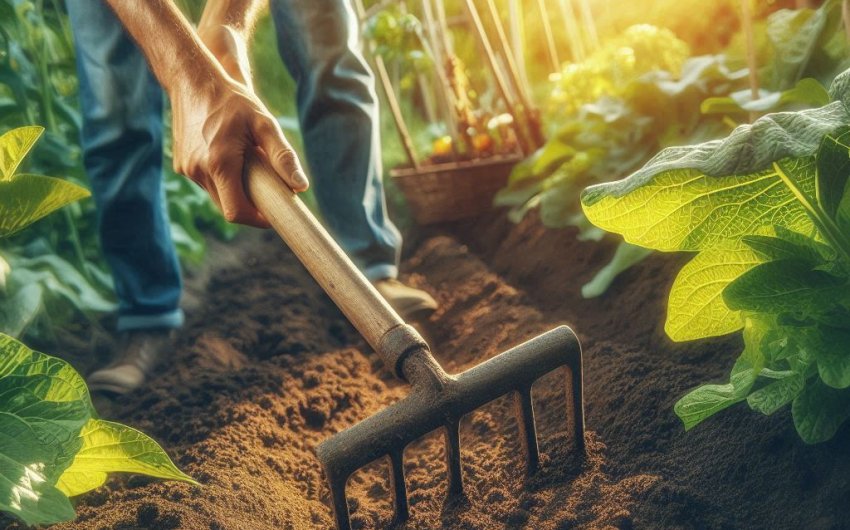
Discovering the essential hoe can truly transform the way you cultivate your garden with ease. This seemingly simple tool, often overlooked in favor of more complex machinery, is a gardener's best friend for a myriad of tasks, from effortless weeding to preparing perfect planting beds. Understanding the different types of hoes available and mastering the techniques for using them effectively will not only save you time and effort but also lead to a healthier, more productive garden. Let's delve into why the hoe is indispensable for both novice and experienced gardeners.
Why is a Hoe Considered an "Essential" Garden Tool?
The hoe might seem basic, but its simplicity belies its incredible versatility and effectiveness in the garden. For centuries, it has been a cornerstone tool for cultivating soil and controlling weeds, making it truly essential for gardeners worldwide.
Efficiency in Weed Control
Weeding is often cited as the most laborious and time-consuming garden chore. This is where the hoe truly shines.
- Speed: A well-used hoe can clear a large area of young weeds much faster than hand-pulling. Its broad blade or sharp edge allows you to cover more ground with each stroke.
- Reduced Back Strain: Compared to bending over for extended periods to hand-pull weeds, many types of hoes allow you to work from an upright or slightly bent position, significantly reducing strain on your back and knees.
- Disruption of Roots: Hoes sever weeds at or just below the soil surface, effectively killing them, especially when they are young. This prevents them from re-rooting and competing with your desirable plants for water and nutrients.
Soil Cultivation and Preparation
Beyond weeding, the hoe is invaluable for various soil preparation tasks.
- Breaking Up Crusted Soil: After heavy rain or prolonged dry spells, soil can form a hard crust. A hoe can easily break this crust, improving water penetration and aeration.
- Creating Furrows: For planting seeds or seedlings in neat rows, a hoe can quickly and precisely create furrows of uniform depth.
- Mounding Soil: For crops like potatoes, corn, or beans that benefit from hilling, a hoe makes it easy to draw soil up around the plants.
- Leveling Beds: Before planting, a hoe can be used to smooth and level the surface of a garden bed.
Versatility and Durability
The term "hoe" actually encompasses a wide range of designs, each optimized for specific tasks, yet many are versatile enough for multiple uses. They are generally robust tools, designed to withstand the rigors of garden work, offering years of service with proper care. This combination of efficiency, versatility, and durability firmly establishes the hoe as an essential tool in any gardener's shed.
What Are the Different Types of Hoes and Their Uses?
While all hoes are designed to work the soil, their variations in blade shape, angle, and size make them suited for specific tasks. Understanding these differences will help you choose the essential hoe for your needs.
Draw Hoes (Grubbing/Chopping Hoes)
These are arguably the most traditional type of hoe, characterized by a heavy, broad blade set at a nearly right angle to the handle. They are designed for chopping and drawing soil.
- Garden Hoe (American Hoe): The most common type, with a rectangular or pointed blade.
- Uses: Heavy-duty weeding, breaking up compacted soil, making furrows, digging trenches, chopping down established weeds.
- Technique: Lift and chop down into the soil, then draw the soil (and weeds) towards you.
- Grub Hoe: A very heavy-duty version, often with a more pointed or elongated blade.
- Uses: Breaking up very hard or rocky soil, digging out stubborn roots, clearing new ground, creating large furrows. Similar to an adze.
- Mortar Hoe (Concrete Hoe): Features holes in the blade, designed for mixing cement or other materials, but also surprisingly effective for aerating heavy soil or mixing amendments into garden beds.
Push Hoes (Scuffle/Action/Oscillating Hoes)
These hoes have blades that are designed to be pushed and pulled just below the soil surface, cutting weeds with minimal disturbance to the soil. They are excellent for light weeding and maintaining clean beds.
- Loop Hoe (Scuffle Hoe, Stirrup Hoe, Oscillating Hoe): Features a distinctive loop-shaped blade that pivots or "oscillates" as you push and pull.
- Uses: Cutting weeds just below the soil surface with very little effort. Ideal for young weeds and keeping beds tidy. The oscillating action means it cuts on both the push and pull stroke.
- Technique: Keep the blade flat against the ground, pushing and pulling to sever weed roots. This hoe is excellent for working around established plants without disturbing their roots deeply. A Hula Hoe (oscillating hoe) is a popular choice.
- Dutch Hoe: Has a flat, sharp blade angled forward, designed to be pushed along the soil surface.
- Uses: Skimming just below the surface to cut young weeds. Less effective on tough, established weeds.
- Technique: Push the blade forward, keeping it flat to skim off weeds.
Specialty Hoes
These hoes are designed for more specific or delicate tasks.
- Collinear Hoe (Long-Handled Stirrup Hoe): A very thin, narrow, sharp blade (often like a knife edge) set on a long handle.
- Uses: Very precise weeding, working between closely spaced plants, especially in raised beds. Allows for upright work.
- Technique: Push-pull motion just below the soil surface to slice off weeds. Often considered the ultimate weeding tool by many.
- Onion Hoe (Warren Hoe): Features a heart-shaped or triangular blade.
- Uses: Perfect for weeding between rows of vegetables, creating small furrows, and cultivating around delicate plants. The pointed tip allows for precise work.
- Horticultural Hoe (Drawn Hoe, Japanese Hoe): Often a smaller, lighter draw hoe with a sharp, pointed or rectangular blade.
- Uses: General weeding, preparing small beds, versatile for various tasks in compact gardens.
- Azada/Dug Hoe (Broad Fork Hoe): A very heavy, wide blade, often used for breaking new ground or making broad furrows. More common in market gardens or farms.
Choosing the essential hoe depends on your primary gardening tasks, the size of your garden, and your soil type. Many gardeners find it beneficial to own more than one type to handle different needs.
How Do I Choose the Right Hoe for My Garden?
Selecting the essential hoe for your gardening needs involves considering several factors beyond just the type of blade. The quality of materials, handle length, and specific tasks you'll perform are all important.
Consider Your Primary Tasks
- Weeding:
- Light/Maintenance Weeding (young weeds, frequent): A scuffle hoe (oscillating/hula hoe) or collinear hoe is ideal. They are fast and low-effort.
- Heavy/Established Weeds (tough roots): A draw hoe (garden hoe) or grub hoe will provide the chopping power needed.
- Precision Weeding (around delicate plants): An onion hoe or collinear hoe offers better control.
- Soil Cultivation:
- Breaking Up Soil/Digging: A draw hoe or grub hoe is best.
- Making Furrows/Hilling: A garden hoe or onion hoe is effective.
- Leveling Beds: A broad garden hoe works well.
Blade Material and Construction
- Forged Steel: This is the highest quality. Forged blades are made from a single piece of steel, heated and hammered into shape. They are incredibly strong, durable, hold a sharp edge well, and resist bending or breaking. Look for blades that are polished and show no rough edges.
- Stamped Steel: More common and less expensive. Stamped blades are cut from a sheet of steel. While adequate for light use, they are generally less durable than forged blades and may bend or dull more quickly.
- Stainless Steel: Offers excellent rust resistance, which is a plus for easy maintenance. However, ensure it's a good quality stainless steel that will hold an edge. It can sometimes be less strong than high-carbon forged steel.
- Blade Sharpness: A sharp blade is crucial for efficient work. Regardless of material, choose a hoe with a sharpened edge or be prepared to sharpen it yourself.
Handle Material and Length
- Wood (Ash or Hardwood): Traditional, comfortable, and absorbent. Ash is particularly favored for its strength and flexibility. Look for smooth, splinter-free handles.
- Fiberglass: Durable, lightweight, and weather-resistant. It doesn't swell or shrink with moisture. Often brightly colored, making it easy to spot in the garden.
- Steel: Very durable and strong, but can be heavier and conduct cold.
- Length: The handle length should be appropriate for your height.
- Long Handles (5-6 feet): Allow you to work mostly upright, reducing back strain. Ideal for larger areas and general weeding. Most hoes for garden beds will have long handles.
- Short Handles (1-2 feet): For close-up work, containers, or raised beds where you might be kneeling or sitting.
Weight and Balance
- Comfort: Lift and hold different hoes. A good hoe should feel balanced and comfortable in your hands, not too heavy or unwieldy.
- Swing/Push: The weight distribution impacts how easily you can swing (draw hoes) or push (scuffle hoes) the tool.
Ergonomics
- Grip: Some handles have ergonomic grips that reduce hand fatigue.
- Overall Feel: If possible, try out different hoes in a store to get a feel for how they handle.
Investing in a high-quality hoe (or two!) that matches your needs is an investment in your gardening pleasure and efficiency. A well-chosen hoe will last for many years and make your garden chores significantly easier.
What Are the Best Techniques for Using a Hoe Effectively?
Mastering the correct techniques for using your hoe will not only make your gardening tasks easier and faster but also reduce strain and lead to better results. Different hoe types require slightly different approaches.
General Hoeing Principles
- Work When Weeds Are Young: This is the golden rule. Hoes are most effective on young weeds (2-4 inches tall) that haven't developed deep root systems. At this stage, they are easily severed and left to dry on the soil surface.
- Work on Dry Soil: Hoeing is best done on dry soil, ideally a day or two after rain or watering. Wet soil tends to clump and stick to the hoe, making work harder and potentially allowing weeds to re-root.
- Keep Your Blade Sharp: A sharp blade slices through weed roots effortlessly. A dull blade tears and can require more force, leading to fatigue and less effective weed removal. Sharpen your hoe blade regularly with a sharpening stone or file.
- Maintain an Upright Posture: Use the longest handle length that is comfortable for your height to reduce bending and back strain. Work with your body, not just your arms.
- Don't Dig Too Deeply: Unless you're specifically cultivating or making furrows, for weeding, you only need to skim the surface or go just an inch or two deep to sever weed roots. Deeper digging can bring dormant weed seeds to the surface, encouraging more weeds.
Techniques for Draw Hoes (e.g., Garden Hoe)
- The Chop and Pull:
- Stance: Stand with your feet shoulder-width apart, facing the area you want to clear.
- Lift and Drop: Lift the hoe with both hands, letting gravity do some of the work. Bring the blade down with a chopping motion into the soil, just behind the weed you want to remove.
- Pull: Draw the hoe blade back towards you, just below the soil surface, to sever the weed root and pull the weed (and some soil) towards you.
- Repeat: Take rhythmic, overlapping strokes.
- Making Furrows: Use the pointed corner of the blade to draw a straight line, pulling soil to either side to create a V-shaped trench.
Techniques for Push Hoes (e.g., Scuffle Hoe, Dutch Hoe, Collinear Hoe)
- The Push-Pull Skim:
- Stance: Stand upright, holding the hoe with both hands, hands relatively far apart on the handle for control.
- Angle: Angle the blade slightly so that it can easily slide just below the soil surface.
- Push and Pull: With the scuffle hoe or collinear hoe, push the blade forward, then pull it back. The oscillating blade (on a scuffle hoe) or sharp edge will cut on both strokes.
- Dutch Hoe: Push forward to skim the weeds.
- Shallow Cuts: Aim to sever weeds just at the root crown, often only 1/2 to 1 inch deep.
- Leave Weeds to Die: After hoeing, leave the severed weeds on the soil surface to dry out and die in the sun. This also adds a small amount of organic matter back to the soil.
Advanced Tips for Hoe Use
- Edge Your Beds: Use a sharp draw hoe to create crisp, clean edges for your garden beds, preventing grass and weeds from encroaching.
- Create a Dust Mulch: In very dry climates, light, frequent hoeing can create a fine layer of dry soil (dust mulch) on the surface, which helps trap moisture deeper in the soil and prevent evaporation.
- Practice Makes Perfect: Like any tool, consistent use will improve your technique, efficiency, and comfort level with the hoe.
By incorporating these techniques, your hoe will become a powerful ally in maintaining a healthy, weed-free garden with minimal effort and maximum satisfaction.
How Do I Maintain and Store My Hoe for Longevity?
Proper maintenance and storage are essential for ensuring your hoe remains the essential hoe in your gardening arsenal for many years. A well-cared-for tool is always more effective and enjoyable to use.
Cleaning After Each Use
- Remove Soil and Debris: After every gardening session, take a moment to clean your hoe. Use a stiff brush, a putty knife, or even an old rag to remove all soil, mud, and plant debris from the blade and handle.
- Why it Matters: Dried soil can harden and be difficult to remove later. Plant sap can stick to the blade and potentially spread diseases if transferred to other plants.
Sharpening the Blade
- Frequency: The frequency of sharpening depends on how often you use your hoe and the soil type you're working in. Generally, sharpen it every few uses, or whenever you notice it requires more effort to cut weeds.
- Method:
- Grinding Wheel: For heavily dull or nicked blades. Be careful not to overheat the metal.
- Mill File: A common choice for garden tools. File along the cutting edge, always filing away from your body, following the existing bevel. A Bahco ERGO File can be effective.
- Sharpening Stone: For finer edges. Use with water or oil, depending on the stone type.
- Angle: Maintain the original angle of the blade's bevel. Aim for a sharp, clean edge that can slice through roots, not a blunt chopping edge (unless it's a very heavy grub hoe).
- Safety: Wear sturdy gloves when sharpening. Secure the blade in a vise if possible.
Protecting Against Rust
- Drying: Ensure the blade is completely dry after cleaning, especially if you've washed it.
- Oiling: After cleaning and drying, apply a thin coat of oil to the metal blade to prevent rust.
- Linseed Oil: A traditional choice, especially for wooden handles.
- Mineral Oil: Non-toxic and effective.
- WD-40 or similar rust-preventative spray: Can also be used.
- Blade Guard: Some hoes come with blade guards, or you can improvise one from cardboard to protect the sharp edge and prevent accidental cuts during storage.
Handle Care
- Wooden Handles:
- Inspect for Splinters: Regularly check for splinters and sand them smooth.
- Oil: Periodically rub wooden handles with linseed oil or a wood conditioner. This helps prevent cracking, keeps the wood smooth, and enhances its longevity.
- Fiberglass/Steel Handles: Generally low maintenance. Just wipe them clean.
Proper Storage
- Dry Location: Store your hoe in a dry, well-ventilated area, such as a garden shed or garage. Avoid leaving it exposed to the elements.
- Hang Tools: Hanging tools prevents them from lying on damp ground and keeps them organized. Use wall-mounted hooks or a garden tool rack.
- Blade Off the Ground: If leaning against a wall, ensure the blade is off the ground to prevent moisture contact.
By consistently applying these maintenance and storage tips, your hoe will remain sharp, rust-free, and ready to help you cultivate your garden with ease, truly living up to its reputation as the essential hoe for any gardener.