
Rake it In: Why Every Gardener Needs a Good Rake
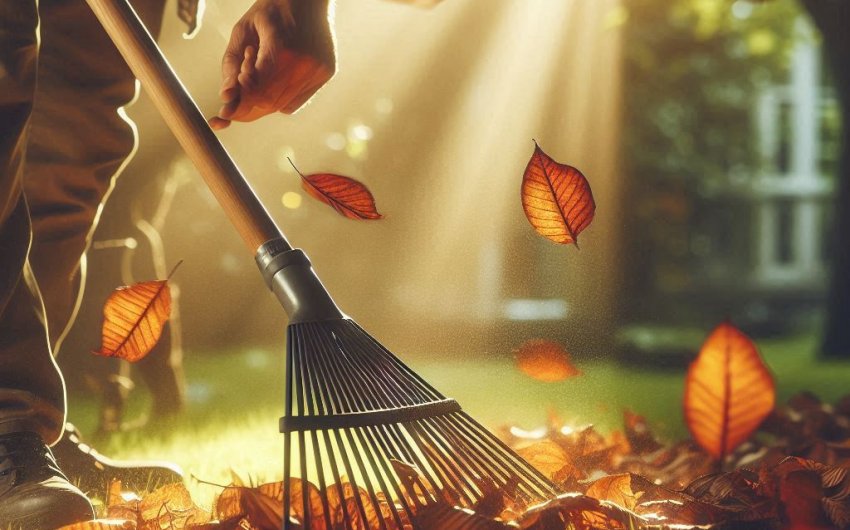
For any dedicated plant enthusiast, understanding that the humble rake is an indispensable tool for a thriving outdoor space is crucial. This versatile implement, far more than just a leaf gatherer, plays a pivotal role in myriad gardening tasks, from preparing planting beds to maintaining a pristine lawn. Indeed, every gardener needs a good rake to efficiently tackle a wide range of chores, transforming effort into a beautifully manicured landscape.
What Kinds of Rakes Are There and What Are They Used For?
The term "rake" might conjure a single image, but in the world of gardening, there's a surprising variety of rakes, each designed for specific tasks. Understanding these different types and their primary uses is the first step in ensuring every gardener needs a good rake for their unique needs.
Leaf Rakes (Lawn Rakes)
Leaf rakes, often called lawn rakes, are perhaps the most common type, immediately recognizable by their wide, fan-shaped heads and flexible tines. They are specifically designed for tasks that involve gathering lightweight debris from lawns without damaging the grass.
- Purpose: Primarily used for gathering leaves, grass clippings, light twigs, and other lawn debris. They are excellent for clearing large areas quickly.
- Tine Material: Typically made from bamboo, plastic, or flexible metal. Plastic and bamboo are gentler on grass, while some metal leaf rakes offer more durability.
- Key Features:
- Wide Head: Allows for efficient coverage of large areas.
- Flexible Tines: Prevents damage to delicate grass blades and allows the rake to glide over uneven surfaces.
- Lightweight: Designed for repetitive motion without causing excessive fatigue.
- Recommended Use: Autumn leaf cleanup, gathering recent grass clippings after mowing, light thatch removal (with stiffer plastic tines). A poly leaf rake is a versatile choice for most lawns.
Garden Rakes (Bow Rakes, Landscape Rakes)
Garden rakes, also known as bow rakes or landscape rakes, are much more robust than leaf rakes. They are characterized by their sturdy, rigid tines, often made of steel, attached to a straight head. These rakes are built for heavy-duty work in soil.
- Purpose: Ideal for preparing garden beds, leveling soil, spreading mulch, breaking up clumps of dirt, removing rocks and debris from soil, and working in aggregates.
- Tine Material: Almost exclusively made of strong steel, designed to withstand digging and pushing through tough soil.
- Key Features:
- Straight, Rigid Head: Provides strength and a flat edge for leveling.
- Short, Strong Tines: Penetrate soil effectively to move heavy material.
- Durable Handle: Often made of wood or fiberglass to handle strenuous tasks.
- Recommended Use: Spreading topsoil or compost, grading planting areas, removing weeds with shallow roots, preparing seedbeds. A steel bow rake is a must-have for any serious gardener.
Shrub Rakes (Hand Rakes)
Shrub rakes, or sometimes referred to as hand rakes when smaller, are scaled-down versions of leaf rakes, designed for tight spaces.
- Purpose: Perfect for raking leaves and debris from under shrubs, in flower beds, between closely planted perennials, or other confined areas where a full-sized rake wouldn't fit.
- Tine Material: Similar to leaf rakes, flexible plastic or metal.
- Key Features:
- Narrow Head: Allows access to tight spaces.
- Shorter Handle: Often has a shorter, sometimes telescopic, handle for maneuverability.
- Recommended Use: Cleaning under hedges, clearing small rock gardens, reaching into tight corners of garden beds. A small shrub rake is invaluable for detailed cleanup.
Specialty Rakes
Beyond the main categories, several specialty rakes cater to very specific gardening tasks.
- Thatch Rakes: These have sharp, sometimes angled, blades or tines designed to cut through and pull up thatch (a layer of dead grass and organic matter) from lawns.
- Asphalt Rakes (Lute Rakes): Extremely heavy-duty rakes with a straight edge on one side for spreading asphalt or gravel, and tines on the other for leveling. Often used in construction or large landscaping projects.
- Hay Rakes: Large, wide rakes, sometimes pulled by machinery, used for gathering cut hay in agricultural settings.
- Fan Rakes (Adjustable Rakes): Feature tines that can be adjusted in width, making them versatile for both wide areas and narrow spaces.
- Hand Rakes/Cultivator Rakes: Smaller, hand-held tools with short tines, often used for weeding, breaking up soil clumps in small containers, or light cultivating.
Understanding this diverse array of tools ensures that when you say every gardener needs a good rake, you mean the right rake for the task at hand. Each type has its unique strengths, contributing to a well-maintained and thriving garden.
How Do Rakes Help with Soil Preparation?
Preparing soil is a fundamental step in gardening, and the garden rake (bow rake) is an unsung hero in this process. Its unique design makes it indispensable for creating the ideal environment for seeds to sprout and plants to thrive. For anyone serious about healthy plant growth, every gardener needs a good rake for soil preparation.
Leveling and Grading Garden Beds
Uneven soil can lead to inconsistent water distribution, poor seed germination, and an unkempt appearance. A garden rake is perfect for creating a smooth, level surface.
- Process: After digging, tilling, or adding new soil amendments (like compost or topsoil), use the flat side of the rake head to gently push and pull the soil, evening out high spots and filling in low ones. For larger areas, work systematically across the bed.
- Benefits: A level bed ensures that irrigation water spreads evenly, preventing waterlogging in low spots and dry patches in high areas. It also makes planting in straight rows much easier.
Breaking Up Soil Clumps and Aerating
Even after initial digging or tilling, soil can often have stubborn clumps that prevent roots from spreading freely and restrict air and water movement.
- Using the Tines: Use the tines of the garden rake to break apart these clods. Rake over the soil with a slightly downward pressure, then pull the tines through to further pulverize the clumps.
- Aeration: As you rake, you're also creating small air pockets in the top layer of soil. Aeration is crucial for healthy root growth and the activity of beneficial soil microbes.
Incorporating Amendments and Fertilizers
When adding soil amendments like compost, manure, or granular fertilizers, a rake helps to mix them thoroughly into the existing soil.
- Even Distribution: Sprinkle your chosen amendment over the prepared soil surface. Then, use the garden rake to gently blend the amendment into the top few inches of soil.
- Benefits: Even distribution ensures that plants receive a consistent supply of nutrients and that the soil structure benefits uniformly from organic matter. This also prevents concentrated pockets of fertilizer that could "burn" roots.
Creating a Fine Seedbed
For successful seed germination, a fine seedbed (smooth, crumbly soil surface) is essential. The rake helps achieve this delicate texture.
- Process: After leveling and breaking up large clumps, use the rake's tines to gently work the very top layer of soil (the top 1-2 inches) into a fine, crumbly consistency. Remove any remaining small stones or debris.
- Benefits: A fine seedbed ensures good seed-to-soil contact, which is vital for moisture absorption and germination. It also makes it easier to sow tiny seeds at the correct depth.
The garden rake is more than just a finishing tool; it's an integral part of creating the foundational conditions for robust plant growth. By effectively using this tool for leveling, aerating, mixing, and refining the soil, gardeners set the stage for a productive and healthy garden.
How Do Rakes Help with Lawn Care and Maintenance?
Beyond the garden bed, the trusty rake is an indispensable tool for maintaining a healthy and pristine lawn. From managing fallen leaves to addressing common turf issues, a good rake is essential for ensuring your lawn looks its best and thrives. Indeed, every gardener needs a good rake for comprehensive lawn care.
Collecting Leaves and Debris
This is perhaps the most iconic use of a rake in lawn care. Leaf rakes are specifically designed for efficient collection of fallen leaves and other light debris.
- Efficiency: Their wide, fanned heads cover a large area with each pass, making quick work of autumn leaf accumulation.
- Gentle on Grass: The flexible tines (plastic, bamboo, or flexible metal) allow them to glide over the grass blades without tearing or damaging the turf, preserving your lawn's health.
- Preventing Smothering: Removing thick layers of leaves is crucial as they can smother grass, block sunlight, and create conditions for fungal diseases.
- Compost Material: Collected leaves are excellent material for a compost pile, enriching your garden soil for future seasons.
Managing Grass Clippings
While many modern mowers are designed for mulching clippings back into the lawn (which is beneficial for returning nutrients), sometimes excessive clippings need to be removed.
- Heavy Clippings: After mowing very tall grass, or if using a bagging mower, the volume of clippings can be too much for the lawn to absorb. These can be raked up to prevent smothering or fungal growth.
- Composting: Grass clippings are a valuable "green" material for your compost bin, adding nitrogen to accelerate decomposition.
- Leaf Rakes: The flexibility and width of leaf rakes make them ideal for gathering these lighter, often damp, materials.
Dethatching (with Thatch Rakes)
Thatch is a layer of dead grass stems, roots, and organic debris that accumulates between the active green grass blades and the soil surface. A thick layer of thatch can prevent water, air, and nutrients from reaching the soil.
- Thatch Rakes: Specialized thatch rakes have strong, sharp, often angled tines designed to aggressively pull up this dense layer. Some have wheels or a rolling action.
- Benefits of Dethatching:
- Improved Air and Water Penetration: Allows moisture, nutrients, and oxygen to reach grass roots effectively.
- Reduced Disease: A thick thatch layer can harbor fungal diseases and insect pests. Removing it improves lawn health.
- Stronger Root Growth: Encourages roots to grow deeper into the soil.
- Timing: Dethatching is best done in late spring or early fall when the grass is actively growing and can recover quickly.
Spreading Topdressing and Seed
After aeration or for general lawn improvement, rakes are used to apply topdressing or spread grass seed.
- Topdressing: Spread a thin layer of compost or sand as a topdressing. Use the back (flat side) of a garden rake or a specific compost spreader to evenly distribute it across the lawn and work it into the turf. This helps enrich the soil and level minor imperfections.
- Seeding: After overseeding, a light raking can help ensure good seed-to-soil contact, which is vital for germination. Use a leaf rake lightly or the back of a garden rake turned on its side.
The various types of rakes, particularly the leaf rake for general cleanup and the thatch rake for more specialized tasks, are essential for maintaining a vibrant, healthy lawn. From seasonal chores to addressing specific turf conditions, every gardener needs a good rake to ensure their lawn is a source of pride.
How Does a Rake Aid in Garden Cleanup and Organization?
Beyond preparing the soil and maintaining the lawn, the humble rake proves itself an invaluable tool for general garden cleanup and organization. It helps maintain a neat appearance, manage organic waste, and ensure the garden remains a pleasant and productive space. Indeed, for comprehensive garden management, every gardener needs a good rake.
Clearing Debris from Beds and Borders
Over the course of the growing season and especially in fall or spring, garden beds accumulate various types of debris.
- Fallen Leaves and Petals: Use a leaf rake or shrub rake (for tighter spaces) to gently sweep away fallen leaves, spent flower petals, and other light organic matter from around plants. This prevents them from smothering smaller plants or creating damp conditions favorable for disease.
- Weeds and Trimmings: After weeding or light pruning, a rake can efficiently gather the loose debris, making cleanup quicker and more thorough.
- Small Twigs and Branches: Light rakes can also gather smaller twigs that fall from trees or shrubs.
- Benefits: Clearing debris improves the garden's aesthetics, reduces hiding places for pests, and minimizes the risk of fungal diseases that thrive in damp, covered conditions.
Preparing Beds for Winter or Spring
Rakes are essential tools for seasonal transitions in the garden.
- Fall Cleanup: In autumn, a leaf rake is crucial for clearing out dead annuals, spent vegetable plants, and accumulated leaves. This prepares beds for winter dormancy or for planting cover crops.
- Spring Refresh: In spring, after winter's chill, a garden rake can lightly loosen the top layer of soil, break up any surface crusting, and prepare the bed for new planting. It also helps expose any lingering debris for removal.
Managing Paths and Hardscapes
Areas like gravel paths, patios, and driveways also benefit from regular raking to keep them tidy.
- Gravel Paths: A garden rake can be used to level and redistribute gravel on paths, filling in low spots and ensuring an even surface. The tines can also pull out small weeds growing in the gravel.
- Patios and Driveways: While leaf blowers are common, a leaf rake is a quiet and effective way to gather leaves, small stones, or other debris from hard surfaces, especially if you want to avoid blowing dust.
Facilitating Composting and Waste Management
Rakes play a crucial role in gathering organic materials for your compost pile or for disposal.
- Efficient Collection: After raking, the collected leaves, grass clippings, and garden debris can be efficiently scooped up into a compost bin or wheelbarrow for transport.
- Spreading Compost/Mulch: Once compost is ready, a garden rake is perfect for spreading it evenly over garden beds as a top dressing. Similarly, it's used to spread layers of decorative mulch around plants.
The versatility of the rake, particularly the different types suited for specific tasks, makes it an indispensable tool for maintaining cleanliness and order in any garden. From the routine clearing of debris to preparing for seasonal changes, every gardener needs a good rake to ensure their outdoor space remains both beautiful and easy to manage.
What to Look For When Choosing a Good Rake?
Investing in a good rake is crucial because it directly impacts your efficiency, comfort, and the longevity of the tool. With so many options available, knowing what to prioritize ensures you pick the right rake for your needs, solidifying the idea that every gardener needs a good rake.
Material Durability
The material of the rake's head and handle directly influences its strength, weight, and lifespan.
- Head Material:
- Steel: For garden rakes (bow rakes), hardened steel tines are essential for heavy-duty soil work. Look for forged steel heads for maximum durability.
- Poly (Plastic): For leaf rakes, high-quality, durable poly plastic is lightweight and flexible, yet resistant to cracking, especially in cold weather. Cheaper plastics can become brittle.
- Bamboo: Traditional bamboo leaf rakes are very lightweight and gentle but can be less durable than poly or metal.
- Aluminum: Lightweight and rust-resistant, good for certain landscape rakes.
- Handle Material:
- Wood (Ash): Traditional, strong, and absorbs shock well. Look for straight-grained, knot-free ash wood for quality. Needs occasional oiling to prevent splintering.
- Fiberglass: Very strong, lightweight, and weather-resistant. It doesn't rot or splinter. Often a good choice for heavy-duty garden rakes.
- Metal (Aluminum/Steel): Durable but can be heavier and transfer more vibration. Often seen on specialty rakes.
Ergonomics and Comfort
A rake might seem simple, but its design heavily influences how comfortable it is to use, especially during extended periods of work.
- Handle Length: Choose a handle length that is appropriate for your height. When standing upright, the top of the handle should ideally reach your chin or nose. This allows you to work without excessive bending or reaching, reducing back strain.
- Grip: Some rakes come with cushioned grips near the top of the handle. This can improve comfort and reduce hand fatigue, especially if you have sensitive hands.
- Weight: Consider the overall weight of the rake. For light tasks like raking leaves, a lighter rake is preferable for repetitive motion. For heavy soil work, a heavier, more robust rake might be more effective, but ensure it's not excessively heavy for your strength.
Head Design and Flexibility (for Leaf Rakes)
For leaf rakes, the design of the head and the flexibility of the tines are crucial.
- Head Width: Wider heads (24-30 inches) are more efficient for large open areas, while narrower heads (18-20 inches) or shrub rakes are better for confined spaces.
- Tine Flex: For leaf rakes, the tines should be flexible enough to spring back into shape without bending permanently. They should be able to glide over uneven surfaces without digging in too much.
- Reinforcement: Look for leaf rakes where the tines are well-attached and reinforced at the base of the head for durability.
Construction and Attachment Points
The way the head is attached to the handle is a strong indicator of a rake's quality and how long it will last.
- Secure Attachment: Look for strong connections. For garden rakes, the tines should be securely welded or bolted to the head, and the head should be firmly attached to the handle. A sturdy collar or multiple fasteners indicate better construction.
- Solid Construction: Avoid flimsy or wobbly parts. A good rake should feel solid and balanced when you pick it up.
Table: Choosing Your Rake - Quick Guide
| Rake Type | Primary Use | Ideal Head Material | Ideal Handle Material | Key Feature to Look For | Example Product |
|---|---|---|---|---|---|
| Leaf Rake | Leaves, light debris | High-quality Poly/Plastic | Fiberglass/Light Wood | Wide head, flexible, durable tines that spring back | Fiskars Ergo D-Handle Steel Garden Rake |
| Garden Rake | Soil, heavy debris | Forged Steel | Fiberglass/Hardwood | Rigid head, strong, well-attached tines | AMES Steel Bow Rake |
| Shrub Rake | Tight spaces, beds | Flexible Poly/Steel | Shorter Wood/Fiberglass | Narrow head, often shorter handle, lightweight | Corona Tools Extendable Shrub Rake |
| Thatch Rake | Lawn dethatching | Tempered Steel | Fiberglass/Hardwood | Sharp, aggressive, often angled blades | True Temper Thatch Rake |
By carefully considering material, ergonomics, and construction, you can choose a good rake that will serve your gardening needs effectively for many seasons, truly living up to the adage that every gardener needs a good rake.