
Choosing the Right Spade: Your Guide to Garden Digging
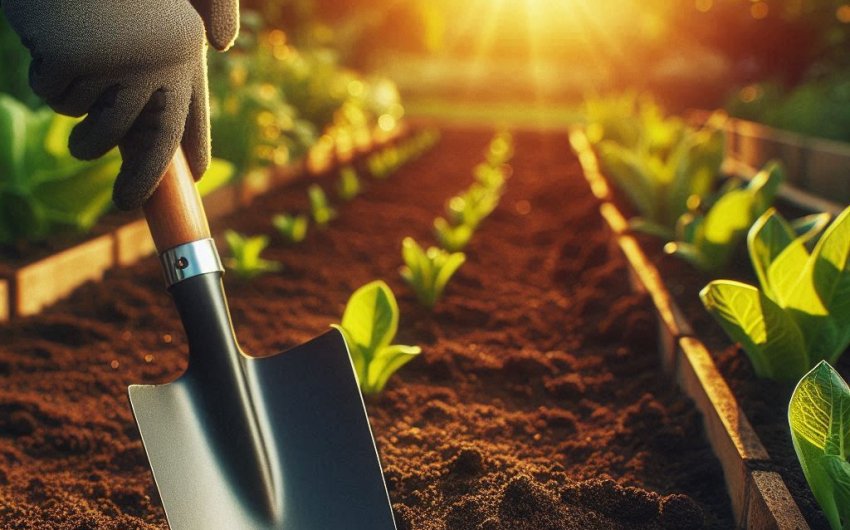
Selecting the right spade is a fundamental step for any gardener, whether you're breaking new ground, transplanting shrubs, or just doing some routine digging. Often overlooked in favor of more specialized tools, a quality digging spade is arguably the most versatile and essential implement in your garden shed. The proper choice can significantly reduce strain, improve efficiency, and make even the toughest digging tasks more manageable, transforming a chore into a more enjoyable activity. This comprehensive guide will delve into the various types of spades, key features to consider, and how to match the tool to your specific gardening needs, ensuring you dig smarter, not harder.
Why is choosing the right spade important?
Many gardeners underestimate the impact of a good spade on their efficiency and physical well-being. Using the wrong tool for the job can lead to frustration, wasted effort, and even injury.
How does the right spade help?
- Reduces effort: A well-matched spade will penetrate soil more easily, requiring less force and reducing strain on your back, arms, and legs.
- Improves efficiency: The correct blade shape and size allows you to move soil more effectively, speeding up tasks like digging holes or turning over beds.
- Prevents injury: Ergonomic handles and appropriate weight balance minimize awkward movements and repetitive strain, protecting your joints and muscles.
- Increases durability: A high-quality spade, chosen for its intended use, will withstand the rigors of digging without bending, breaking, or prematurely wearing out.
- Enhances enjoyment: When digging is less of a struggle, gardening becomes a more pleasant and rewarding experience.
What are common issues with using the wrong spade?
- Bending or breaking: A blade too thin or a handle too weak for the soil type.
- Back pain: Poor handle length, awkward posture due to unsuitable blade shape, or excessive effort required.
- Blisters and hand strain: Uncomfortable grips or vibrations from improper design.
- Inefficient digging: Blade shape not optimized for the task, leading to more effort for less soil moved.
- Damage to plants/roots: Broad blades in tight spaces, or dull edges unable to cut through roots cleanly.
What are the different types of spades?
While often used interchangeably with "shovel," a spade specifically refers to a tool designed for digging, lifting, and moving soil with a relatively flat, often sharp, blade. Shovels tend to have more scooped blades for scooping loose material.
What is a digging spade (or garden spade)?
This is the general-purpose workhorse for most gardening tasks.
- Blade: Flat or slightly curved, usually with a sharpened edge. Rectangular or slightly tapered.
- Size: Varies, but typically 7-8 inches wide and 10-12 inches long.
- Handle: Often a D-handle or T-handle for leverage.
- Uses: General digging, turning over garden beds, planting shrubs and perennials, edging, cutting turf, mixing compost.
- Key features to look for: A strong, sharp blade made of carbon steel or stainless steel, sturdy connection to the handle, comfortable grip. A Fiskars digging spade is a popular choice.
What is a border spade?
A smaller, lighter version of the digging spade.
- Blade: Similar to a digging spade but narrower and shorter (e.g., 5-6 inches wide, 8-10 inches long).
- Handle: Often a D-handle or T-handle.
- Uses: Working in confined spaces, between plants, transplanting smaller plants, light digging, creating neat borders.
- Benefits: Easier to maneuver, less likely to damage nearby plants, ideal for lighter individuals or those with limited strength. A Spear & Jackson border spade is well-regarded.
What is a transplanting spade (or pointed/sharpshooter spade)?
Characterized by a long, narrow, and often pointed blade.
- Blade: Typically 4-6 inches wide and 12-16 inches long, often with a pointed tip. Can be slightly curved or straight.
- Handle: Usually a long, straight handle, sometimes with a D-handle.
- Uses: Digging narrow, deep holes, transplanting shrubs and small trees with minimal root disturbance, digging trenches for irrigation or drainage.
- Benefits: Excellent for piercing tough soil and roots, minimizes soil disturbance around the root ball during transplanting. A Nupla transplanting spade is known for durability.
What is an edging spade (or half-moon edger)?
Specifically designed for creating crisp, clean edges in lawns and garden beds.
- Blade: Flat or half-moon shaped, with a sharp, straight bottom edge. Often features a raised step for foot pressure.
- Handle: Typically a long, straight handle or a D-handle.
- Uses: Creating clean lines between lawns and garden beds, cutting turf for new beds.
- Benefits: Delivers precise, professional-looking edges.
- Considerations: Not suitable for general digging. A Truper edging spade is a good option.
What are specialty spades?
Several other spade-like tools are designed for very specific tasks.
- Drainage Spade (or Scoop Spade): Long, narrow, and curved blade for digging ditches and clearing trenches.
- Sharpshooter Spade: Very narrow, almost cylindrical blade, excellent for deep, narrow holes in compacted soil.
- Trenching Spade: Similar to drainage spade but often wider, for digging wider trenches.
- Post-Hole Digger: A specific tool for digging fence post holes, often with two hinged blades. Not strictly a spade but serves a digging function. A Roughneck post hole digger is robust.
What key features should you consider when choosing a spade?
Beyond the type of spade, several features determine its quality, comfort, and suitability for various tasks.
What material should the blade be made of?
The blade material directly impacts strength, durability, and how well it handles different soil types.
- Carbon Steel:
- Pros: Very strong, durable, holds a sharp edge well. Generally more affordable.
- Cons: Prone to rust if not cleaned and maintained properly.
- Best for: Heavy-duty digging, compacted soil, general garden work.
- Stainless Steel:
- Pros: Rust-resistant, easy to clean, glides through soil smoothly. Attractive appearance.
- Cons: Can be more expensive than carbon steel. May not be as tough for extremely heavy-duty tasks if very thin.
- Best for: General garden work, sandy or loamy soils, areas with high humidity, those who prefer low maintenance.
- Forged Blades: Look for blades that are forged rather than stamped. A forged blade is made from a single piece of steel that has been heated and hammered into shape, making it incredibly strong and durable. Stamped blades are cut from a sheet of metal and can be weaker.
What about handle type and length?
The handle design significantly affects comfort, leverage, and ergonomics.
- D-Handle:
- Pros: Provides an excellent grip for two hands, offering strong leverage for lifting and turning soil. Good for pushing down with body weight.
- Cons: Can be less comfortable for very tall users if the overall handle length is short.
- Best for: General digging, lifting heavy soil, turning over beds.
- T-Handle:
- Pros: Similar to a D-handle in providing a firm grip and leverage.
- Cons: Can be slightly less comfortable than a D-handle for prolonged use as it provides less hand space.
- Best for: Similar uses to the D-handle.
- Straight Handle (Long Handle):
- Pros: Offers greater reach and leverage for deeper digging without bending over as much. Good for taller individuals.
- Cons: Less control for precise tasks. Can be harder to maneuver in tight spaces.
- Best for: Deep digging, trenching, reaching further, turning over large areas.
- Handle Material:
- Ash Wood: Traditional choice, strong, good flex, absorbs shock. Requires occasional oiling to prevent drying and cracking.
- Fiberglass: Very strong, lightweight, weather-resistant, and good at absorbing shock. Does not require maintenance.
- Steel: Most durable and strong, but can be heavier and transmit more vibration. Often covered with rubber for grip.
What about the foot treads (or kickplates)?
These are the raised edges at the top of the blade where you apply foot pressure.
- Importance: Well-designed foot treads provide a secure, comfortable surface for your foot, allowing you to drive the blade into the soil with your body weight.
- Look for: Wide, flat, or slightly curved treads that are comfortable to stand on. This helps prevent foot strain and slippage, especially when wearing soft-soled shoes.
What about weight and balance?
- Weight: A spade shouldn't be too heavy to cause fatigue, but it shouldn't be too light that it lacks momentum for digging. Find a balance that feels right for your strength and the soil you'll be working in.
- Balance: A well-balanced spade feels like an extension of your body, making it easier to maneuver and reducing strain.
What about the blade-to-handle connection?
The point where the blade joins the handle is a common failure point on poorly made spades.
- Socket connection: The handle fits into a strong metal "socket" on the blade. This is generally the most robust connection.
- Rivets/Bolts: Ensure multiple strong rivets or bolts secure the blade to the handle.
- Welds: If the blade and shaft are welded, ensure the weld is clean and substantial.
How do you match the spade to your soil type?
The type of soil you have in your garden significantly influences which spade will perform best.
What spade is best for heavy clay soil?
- Characteristics: Dense, sticky, retains water, can be very hard when dry.
- Recommended Spade:
- Strong, forged carbon steel digging spade: The strength of carbon steel is crucial for penetrating and breaking up heavy clay.
- Pointed or slightly rounded blade: Helps to pierce the tough soil more easily.
- Sturdy foot treads: You'll be putting a lot of pressure on these.
- D-handle: Provides excellent leverage for prying and lifting heavy clumps of clay.
- Tip: It's often easier to dig clay soil when it's slightly moist, not bone dry or soaking wet.
What spade is best for sandy or loamy soil?
- Characteristics: Loose, drains well, easy to dig, but can be less fertile.
- Recommended Spade:
- Stainless steel digging spade: Will glide easily through sandy or loamy soil and resists rust from occasional moisture.
- Any handle type: Depending on preference, as less leverage is needed.
- Border spade: Perfect for delicate work and general cultivation in easy-to-work soil.
- Tip: Stainless steel will keep its shiny appearance longer in these less abrasive soils.
What spade is best for rocky or root-filled soil?
- Characteristics: Difficult to dig, blade can get caught, dull quickly, or bend.
- Recommended Spade:
- Transplanting spade (or Sharpshooter spade): Its narrow, pointed blade is excellent for piercing through root masses and navigating around rocks.
- Very strong, thick, forged carbon steel blade: Essential for resisting bending and damage from impacts.
- Fiberglass or steel handle: Offers maximum strength and can better withstand jarring.
- Tip: Be prepared for a challenge. Consider using a root saw or axe for very large roots.
How do you maintain your spade for longevity?
Even the right spade needs proper care to ensure it remains effective and lasts for many years.
What are essential maintenance steps?
- Clean after each use:
- Remove soil: Scrape off all soil and debris from the blade using a stiff brush or old rag. A wire brush for garden tools works well.
- Rinse: Rinse the blade with water.
- Dry thoroughly: This is crucial, especially for carbon steel, to prevent rust.
- Sharpen the blade regularly: A sharp blade makes digging much easier and more efficient.
- Tools: Use a metal file, sharpening stone, or a sharpening tool for garden tools.
- Method: Sharpen the bevelled edge of the blade, maintaining the original angle. Aim for a keen edge, not razor sharpness (which can chip).
- Lubricate/Oil:
- Blade: Apply a thin layer of oil (e.g., linseed oil, mineral oil, or WD-40) to the blade, especially carbon steel, to prevent rust.
- Wood handles: Occasionally rub wood handles with linseed oil to prevent them from drying out and cracking.
- Inspect for damage: Periodically check the blade for bends or chips, and the handle-to-blade connection for any looseness or cracks. Address issues promptly.
- Proper storage:
- Store your spade in a dry place, ideally hanging it up to prevent the blade from resting on the ground and accumulating moisture. A garden tool rack is perfect.
- Keep it out of direct sunlight and extreme temperatures if possible.
What is the proper digging technique?
Even with the right spade, good technique makes a huge difference in efficiency and injury prevention.
What are steps for efficient digging?
- Wear appropriate footwear: Sturdy, closed-toe shoes with good soles are essential for digging and protecting your feet.
- Position your feet: Place one foot firmly on the foot tread of the spade.
- Use your body weight: Lean into the spade, using your body weight to drive the blade into the soil, rather than relying solely on arm strength.
- Leverage with the handle: Use the handle as a lever to pry up and lift the soil.
- Small sections: Work in smaller, manageable sections rather than trying to lift huge amounts of soil at once. This reduces strain.
- Maintain good posture: Keep your back straight, bend from your knees and hips, and engage your core muscles when lifting. Avoid twisting at the waist.
- Alternate sides: If doing extensive digging, alternate which foot you use on the spade and which side you work from to distribute the strain.
What are tips for specific digging tasks?
- Turning over a bed: Insert the spade, lift a section of soil, and flip it over. Repeat, overlapping sections to thoroughly aerate and mix the soil.
- Digging a hole for planting:
- Start by driving the spade into the ground around the perimeter of your desired hole.
- Then, work towards the center, lifting out soil.
- Make the hole as wide as the root ball and deep enough so the plant sits at the same level as it was in its nursery pot.
- Edging: Use an edging spade to slice cleanly along your desired line. For a perfectly straight edge, use a string line as a guide.
By carefully considering the different types of spades, their features, and how they interact with your specific garden soil, you can confidently choose the right spade to make your digging tasks more productive, comfortable, and enjoyable.