
The Versatility of a Garden Fork: More Than Just a Soil Turner
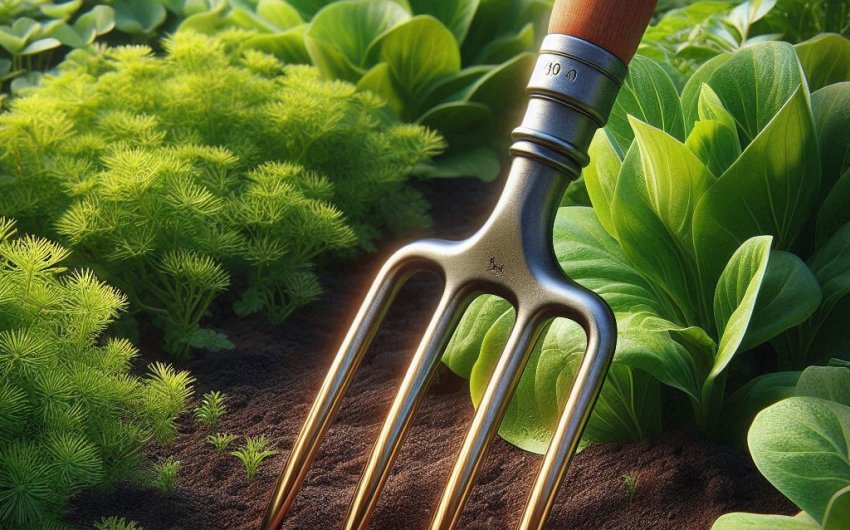
A garden fork is an indispensable tool for any gardener, extending far beyond its common perception as merely a soil turner. Its robust design and sharp tines make it exceptionally versatile, proving invaluable for a multitude of tasks from aerating lawns to harvesting root vegetables. Understanding the diverse applications of this essential implement can significantly enhance your gardening efficiency and enjoyment.
What is a Garden Fork and Why is it Essential?
A garden fork, sometimes called a digging fork or a spading fork, is a handheld tool with a handle and a head typically featuring four sturdy tines. These tines are usually flat or slightly curved and come to a pointed end. It's designed to penetrate tough soil, break up compacted earth, and lift various materials with less effort than a spade. Its unique structure makes it far more efficient for certain tasks, reducing strain and improving soil health.
How Does a Garden Fork Differ from a Spade?
While both garden forks and spades are digging tools, their designs cater to different functions. A spade has a flat, broad blade perfect for cutting precise edges, digging deep holes, and scooping loose material. In contrast, a garden fork's tines are designed to penetrate hard, rocky, or root-bound soil without becoming stuck. The tines allow soil to be aerated as it's turned, and they minimize damage to plant roots or subterranean vegetables during excavation, making it ideal for jobs where preserving soil structure or delicate plants is key.
What are the Main Uses of a Garden Fork?
The primary strength of a garden fork lies in its ability to manage various soil conditions and garden materials. Its pointed tines enable it to pierce compacted earth, making tasks that would be arduous with a spade much simpler. From initial bed preparation to ongoing maintenance, a garden fork is a multi-purpose workhorse.
Breaking Up Compacted Soil
One of the most common and vital uses of a garden fork is to break up compacted soil. Over time, soil can become dense, especially in high-traffic areas or plots with heavy clay content. Compacted soil hinders water penetration, limits root growth, and reduces air circulation, all of which are detrimental to plant health. A garden fork allows you to leverage its tines deep into the soil, gently lifting and loosening it without completely inverting the layers. This process creates essential air pockets and improves drainage.
Aerating Lawns and Garden Beds
Aeration is crucial for healthy lawns and garden beds, ensuring roots have access to oxygen and water can penetrate deeply. Regularly aerating with a garden fork can transform your lawn, making it more resilient and vibrant. For garden beds, pushing the tines into the soil and wiggling the fork gently opens up channels for air and moisture. This is especially beneficial before planting or after heavy rains to prevent waterlogging.
Turning Compost Piles
A compost pile needs regular turning to ensure proper aeration and decomposition. A garden fork is the perfect tool for this task. Its tines allow you to easily lift and mix the materials, distributing moisture and oxygen throughout the pile. Unlike a solid spade, the fork prevents the compost from clumping too much, facilitating an even breakdown of organic matter. A robust compost turning fork can make this job less strenuous.
Mixing in Soil Amendments
When you need to incorporate organic matter, compost, or other soil amendments into your garden beds, a garden fork is invaluable. After spreading materials like compost, manure, or peat moss over the surface, use the fork to gently blend them into the existing soil. This helps distribute nutrients evenly, improving soil structure and fertility throughout the root zone.
How Can a Garden Fork Help with Planting and Harvesting?
The specialized design of a garden fork makes it particularly useful for tasks involving plants themselves, from the delicate process of transplanting to the rewarding job of harvesting root crops. Its tines allow for precision and minimize damage where a spade might be too harsh.
Transplanting Shrubs and Perennials
When transplanting shrubs or perennials, minimizing root disturbance is key to success. A garden fork allows you to gently loosen the soil around the root ball, enabling you to lift the plant with more intact roots than you might achieve with a spade. Insert the tines several inches away from the plant, push down, and gently lever up. This technique helps preserve the delicate feeder roots essential for the plant's recovery in its new location.
Dividing Perennials
Many perennials benefit from division every few years to maintain their vigor and spread. A garden fork is ideal for this task. Once the perennial is lifted, you can use two garden forks back-to-back, pushed into the center of the root ball, to gently pry apart the plant into smaller sections. This method is often less damaging than hacking with a spade, ensuring each division has a good portion of roots and shoots.
Harvesting Root Vegetables
For crops like potatoes, carrots, parsnips, and other root vegetables, a garden fork is superior for harvesting. The tines allow you to gently loosen the soil around the vegetables, reducing the risk of piercing or damaging them, which is a common problem with spades. Insert the fork several inches away from the plant, push down, and carefully lift the entire clump of soil and vegetables. This gentle approach helps ensure a blemish-free harvest. For potatoes, in particular, a potato digging fork with slightly flatter tines is especially effective.
What Types of Garden Forks Are Available?
Not all garden forks are created equal. Different designs and materials cater to specific needs and soil types. Understanding these variations can help you choose the best garden fork for your gardening tasks and ensure its longevity.
Digging Forks vs. Border Forks
- Digging Forks: These are the most common type of garden fork, featuring longer, stronger tines and a robust handle. They are designed for heavy-duty tasks like breaking up compacted soil, aerating large areas, and digging out tough roots. A good digging fork will have a solid steel head and a durable handle, often made of ash wood or fiberglass.
- Border Forks: Smaller and lighter than digging forks, border forks have shorter, often narrower tines. They are ideal for working in confined spaces, around delicate plants in flower beds, or for lighter digging tasks. Their compact size makes them easier to handle for gardeners with less strength or in smaller garden plots.
Broadforks
A broadfork is a specialized, larger version of a garden fork designed for deeper soil aeration and soil decompaction with minimal disturbance to the soil layers. It typically has two long handles and a wide bar with multiple long, strong tines. The user stands on the bar and uses their body weight to push the tines into the soil, then rocks the handles back to loosen the earth. This tool is excellent for creating permanent garden beds without traditional tilling, promoting deep root growth and healthy soil structure. Consider investing in a heavy-duty broadfork for no-till gardening.
Pitchforks vs. Garden Forks
While often confused, a pitchfork and a garden fork serve different purposes.
- Pitchforks generally have thinner, longer, and more widely spaced tines, designed for moving loose, bulky materials like hay, straw, or mulch. The tines are often curved to scoop effectively.
- A garden fork, with its shorter, stronger, and closer-set tines, is built for penetrating and manipulating soil and compost. It's not ideal for scooping large volumes of light material, nor is a pitchfork effective for heavy digging.
How Do You Choose and Care for Your Garden Fork?
Selecting the right garden fork and maintaining it properly will ensure it serves you well for many years. A well-cared-for tool not only lasts longer but also performs better, making your gardening tasks more enjoyable and efficient.
Choosing the Right Garden Fork
When selecting a garden fork, consider the following factors:
- Handle Material: Common options include ash wood, fiberglass, and steel.
- Ash wood offers natural flex and comfort but can break if leveraged improperly or left exposed to weather. Look for ash handle garden forks.
- Fiberglass is extremely strong, weather-resistant, and won't rot, but can be less flexible. A fiberglass garden fork is a durable choice.
- Steel handles are the strongest but can be heavier and transfer more shock.
- Head Material: Look for forged carbon steel or stainless steel.
- Forged carbon steel is incredibly strong and durable, ideal for heavy digging. It requires more maintenance to prevent rust.
- Stainless steel is rust-resistant and easier to clean, but sometimes slightly less rigid than forged carbon steel. A stainless steel garden fork is great for longevity with less fuss.
- Tine Configuration: Four tines are standard for most digging and aerating tasks. Ensure the tines are strong and securely attached to the shaft.
- Shaft Length and Grip: Choose a length that suits your height to avoid back strain. D-handles or T-handles provide a comfortable and secure grip. A well-designed garden fork with an ergonomic handle will reduce fatigue.
Proper Care and Maintenance
Proper care extends the life of your garden fork and keeps it performing at its best.
- Clean After Each Use: Remove all soil, mud, and plant debris from the tines and handle. A stiff brush or even a hose can help.
- Dry Thoroughly: Moisture leads to rust on steel components and can damage wooden handles. Ensure the fork is completely dry before storage.
- Sharpen Tines (Occasionally): While not as critical as sharpening a spade, keeping the tines relatively sharp can help them penetrate soil more easily. Use a metal file to lightly sharpen the tips.
- Oil Metal Parts: For carbon steel heads, apply a light coat of linseed oil or general-purpose machine oil to prevent rust. Even stainless steel benefits from occasional oiling.
- Condition Wooden Handles: If you have a wooden handle, occasionally rub it down with linseed oil to prevent cracking and splitting.
- Proper Storage: Store your garden fork in a dry place, ideally hanging it up to prevent moisture accumulation and keep it out of the way.
Are There Any Advanced Techniques for Using a Garden Fork?
Beyond its common applications, a garden fork can be employed in more refined ways to achieve specific gardening goals, particularly in techniques focused on minimal soil disturbance and enhanced soil health. These methods showcase the garden fork's finesse as much as its strength.
The No-Dig Gardening Method
The no-dig gardening method relies heavily on a garden fork to maintain soil structure and health without traditional tilling. Instead of turning over the soil, which can disrupt the soil food web, the fork is used to gently aerate and loosen the existing soil, allowing organic matter to be added to the surface. This technique builds rich, living soil layers over time.
Steps for No-Dig Aeration with a Garden Fork:
- Clear the Bed: Remove any large weeds or debris from the garden bed.
- Gentle Insertion: Insert the tines of your garden fork straight down into the soil to their full depth.
- Slight Rocking: Gently rock the fork back and forth, or from side to side, to create small fissures and air pockets in the soil. Do not invert the soil.
- Repeat Pattern: Withdraw the fork and reinsert it about 6-12 inches away, continuing the process across the entire bed.
- Add Organic Matter: Once the bed is aerated, apply a thick layer of compost or other organic amendments to the surface. The loosened soil below will allow earthworms and microbes to pull this organic matter down, enriching the soil naturally.
Double Digging
For highly compacted or new garden beds, double digging is a more intensive but highly effective method of soil preparation that extensively uses a garden fork. This technique breaks up hardpans and dramatically improves drainage and aeration to a depth of 2 feet or more.
Steps for Double Digging (using both a spade and a garden fork):
- Excavate First Trench: Dig a trench one spade's depth deep and one spade's width wide at one end of your garden bed. Place the excavated soil in a wheelbarrow or at the opposite end of the bed.
- Loosen Second Layer: Use your garden fork to loosen the soil at the bottom of the trench, pushing the tines in as far as possible and rocking to aerate. Do not remove this soil.
- Dig Second Trench: Dig another trench adjacent to the first, placing this soil into the first trench you just loosened with the fork.
- Repeat Process: Continue this pattern across the garden bed.
- Fill Last Trench: When you reach the last trench, fill it with the soil you initially removed from the first trench. This method creates an ideal growing environment for deep-rooted plants and improves soil fertility for years.
Creating Deep Holes for Posts or Trees
While post-hole diggers exist, a garden fork can be surprisingly effective for creating deep, narrow holes, especially in rocky or root-bound soil where an auger might struggle. By inserting the tines and levering to loosen soil, then removing the loosened material, you can gradually create a suitable hole for small posts or the initial planting of young trees. This technique often requires persistence but offers more control than a power tool in challenging ground.
Can a Garden Fork Be Used for Landscaping and General Yard Work?
Beyond the garden bed, the garden fork extends its utility to broader landscaping tasks and general yard maintenance. Its robust nature and pointed tines make it adaptable for moving various materials and tackling tougher outdoor jobs, proving its value across the entire property.
Spreading Mulch and Compost
While a pitchfork might be used for large volumes of very loose material, a garden fork excels at spreading denser, more textured mulch or compost evenly. Its tines allow you to grab and distribute material with control, making it easier to apply a consistent layer around plants, under trees, or over garden beds. The slightly wider spacing of its tines compared to a spade also helps prevent clumping. For spreading bark mulch or wood chips, a heavy-duty garden fork can make the job much faster.
Clearing Debris and Weeds
When clearing garden beds or pathways of stubborn debris, thick layers of fallen leaves, or clumps of weeds with established roots, a garden fork can be more effective than a rake or a shovel. The tines can penetrate tangled masses of weeds, lift them from the soil, and gather piles of material. For tough, tap-rooted weeds like dandelions or thistles, pushing the fork alongside the root and leveraging gently can help extract them with minimal root breakage, preventing regrowth.
Preparing Soil for Sod or Seed
Before laying new sod or seeding a lawn, proper soil preparation is crucial. A garden fork can be used to loosen the top few inches of existing soil, improving drainage and creating a better seedbed or foundation for sod roots to establish. After raking away debris, push the fork into the soil and gently rock it to create a friable texture. This simple step can significantly improve the success rate of new lawns.
Moving Piles of Material
Whether it's a pile of garden soil, a mound of gravel, or a heap of sand for a project, a garden fork can assist in moving these materials, especially if they are somewhat compacted or mixed with debris that would be difficult for a shovel. While not as efficient for scooping as a shovel, the fork's ability to penetrate and lift allows for controlled movement of various landscaping materials. It's particularly useful for materials with some bulk and weight, where the tines can get a good purchase.
The garden fork is truly more than just a soil turner; it’s an indispensable, versatile tool that empowers gardeners to tackle a vast array of tasks with greater ease and efficiency.