
Pruning Shears: Essential Tips for Perfect Pruning
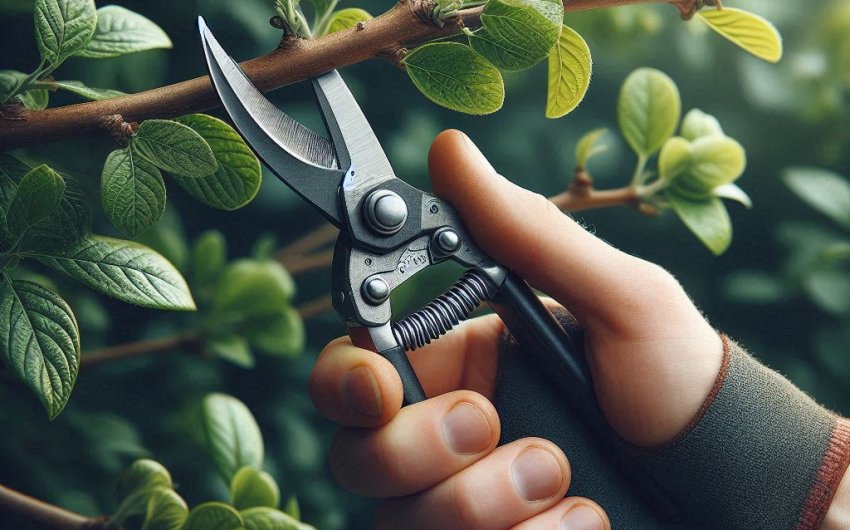
Mastering the art of cutting plants effectively hinges on using the right implements, and understanding your pruning shears is absolutely vital for achieving flawless results. These essential garden tools are designed for precision and efficiency, allowing gardeners to shape plants, promote healthier growth, and remove unwanted material with ease. Whether you're trimming delicate houseplants, shaping shrubs, or tackling overgrown branches, knowing the different types of shears, how to maintain them, and proper cutting techniques will elevate your gardening skills and ensure your plants thrive.
What are the different types of pruning shears?
Not all pruning shears are created equal. Each type is designed for specific tasks and sizes of branches, making it crucial to select the right tool for the job to ensure clean cuts and avoid damaging your plants or the tool itself.
Bypass Pruners (Bypass Shears)
- How they work: These shears operate like scissors, with two blades that "bypass" each other to make a clean, precise cut. One blade is sharp, and the other is a thicker, unsharpened blade that acts as a hook or anvil.
- Best for: Live branches up to about 3/4 inch to 1 inch thick. They are ideal for delicate stems, green growth, and making cuts that need to heal cleanly, such as when pruning roses, fruit trees, or herbaceous perennials.
- Why they're great: They make very clean cuts, which are essential for plant health as clean cuts heal faster and reduce the risk of disease.
- Limitations: Not suitable for dead or very hard wood, as the blades can be twisted or jammed. Avoid forcing them on branches that are too thick, as this can damage the blade or the plant.
- Variations: Some have a rotating handle for comfort, like Felco bypass pruners, which reduce strain during repetitive use.
Anvil Pruners (Anvil Shears)
- How they work: These shears have a single sharp blade that cuts down onto a flat "anvil" plate.
- Best for: Dead, dry, or woody branches up to about 3/4 inch thick. They excel at crushing through tough material.
- Why they're great: They require less squeezing force than bypass pruners for cutting through harder wood.
- Limitations: They tend to crush or bruise live plant tissue, which can hinder healing and potentially introduce disease. Therefore, they are generally not recommended for green, living stems.
- Use caution: If you use them on live wood, ensure it's a branch you plan to remove entirely, as the crushed end won't heal cleanly.
Ratchet Pruners (Ratchet Shears)
- How they work: A variation of anvil pruners, ratchet pruners use a ratcheting mechanism that allows you to make a cut in stages. You squeeze, the blade locks, you release and squeeze again, and the blade cuts deeper.
- Best for: Tough, woody branches (live or dead) that are too thick for standard bypass or anvil pruners, up to 1 inch or slightly more. They are particularly useful for those with less hand strength.
- Why they're great: They multiply your hand strength, making it easier to cut through difficult material with less effort and strain.
- Limitations: Like anvil pruners, they can crush tissue if not used carefully on live wood. They also tend to be slower due to the multiple squeezes required for one cut.
Loppers (Long-handled Pruners)
- How they work: Essentially large pruning shears with long handles, providing increased leverage and reach. They come in both bypass and anvil styles.
- Best for: Thicker branches that are too large for hand pruners, typically up to 1.5 to 2 inches in diameter, depending on the lopper's size and blade type.
- Why they're great: The long handles give you significant power and allow you to reach into dense shrubs or higher branches without a ladder.
- Limitations: Not suitable for precise, delicate cuts or very small stems. You can find excellent bypass loppers or anvil loppers for heavier tasks.
Pruning Saws
- How they work: A saw with sharp, often curved blades designed to cut through thicker branches.
- Best for: Branches too thick for even loppers, typically over 1.5-2 inches in diameter.
- Why they're great: They can tackle large branches efficiently. Handheld pruning saws are good for medium-sized branches, while pole saws offer extended reach for high branches.
- Limitations: Not for small, precise cuts. Always use with caution and safety in mind.
How do you select the best pruning shears?
Choosing the right pair of pruning shears is an investment in your gardening success and hand comfort. Consider quality, ergonomics, and specific features.
What factors should you consider?
- Blade Type (Bypass vs. Anvil):
- Bypass: Always choose bypass pruners as your primary hand pruners for most gardening tasks involving live plants. They make the cleanest cuts, which are vital for plant health.
- Anvil/Ratchet: Consider these only if you frequently prune dead, very woody material, or have limited hand strength.
- Blade Material:
- High-carbon steel: Common for quality blades. Holds a sharp edge well but can rust if not maintained.
- Stainless steel: More resistant to rust but may not hold an edge as long as high-carbon steel. Often used for less expensive or specialized pruners.
- Hardened steel alloys: Many high-end brands use proprietary steel blends for durability and edge retention.
- Ergonomics and Comfort:
- Fit in hand: The pruners should feel comfortable and secure in your hand. Try them out if possible.
- Spring action: A smooth, strong spring helps reduce hand fatigue.
- Handles: Look for non-slip grips. Some pruners have rotating handles (like those on some Felco models) which can significantly reduce wrist strain.
- Weight: Lighter pruners are better for prolonged use.
- Size: Some brands offer different sizes to fit smaller or larger hands.
- Locking Mechanism:
- A reliable and easy-to-use locking mechanism is crucial for safety and convenient storage. It should lock the blades closed securely.
- Replaceable Parts:
- Price vs. Quality:
- While cheaper pruners might seem appealing, they often dull quickly, make poor cuts, and break easily. Investing in a good quality pair of pruning shears (around $40-$80 for a reliable pair) will save you money and frustration in the long run. They will perform better and last for many years with proper care.
Testing for a good fit:
Before purchasing, if possible:
- Hold them: Does the handle fit naturally in your hand?
- Squeeze them: Does the spring action feel smooth? Can you comfortably close the blades?
- Lock them: Is the locking mechanism easy to engage and disengage with one hand?
How do you properly use pruning shears?
Using your pruning shears correctly is just as important as choosing the right type. Proper technique ensures clean cuts, promotes plant healing, and prevents damage to your tools.
What are general pruning principles?
- Cleanliness is key: Always start with clean and sharp pruning shears. This prevents the spread of diseases and ensures precise cuts.
- Assess before you cut: Before making any cut, step back and look at the plant. Identify what you want to remove and why.
- Cut at the right angle: The goal is to make a cut that heals quickly.
- Support the branch: For larger branches, use your free hand to support the branch as you cut to prevent tearing.
How to make a proper cut:
- Locate the "collar" (for larger cuts): When removing an entire branch, cut just outside the branch collar (the slightly swollen area where the branch meets the main stem or another branch). This collar contains specialized cells that help the wound heal quickly. Avoid cutting flush with the main stem or leaving a stub.
- Cut above a bud or node (for shaping/reducing size): When shortening a stem or branch, make your cut about 1/4 inch above an outward-facing bud or a node (where a leaf or branch emerges).
- Angle the cut: Angle the cut slightly away from the bud, so water doesn't pool on it. The cut should slant downwards and away from the bud.
- Direction matters: Cutting above an outward-facing bud encourages new growth to grow away from the center of the plant, improving air circulation and shape.
- Place the blade correctly:
- For bypass pruners, place the sharpened blade on the side of the cut you want to keep, and the unsharpened hook blade on the waste side. This ensures the cleanest cut on the remaining plant tissue.
- Ensure the blades are fully open before making the cut to get maximum leverage and a smooth closure.
- Use the full blade: Don't try to cut a branch that's too thick for your shears by just using the tips of the blades. This can damage the blades or create a ragged cut. Use the part of the blade closest to the pivot point for maximum cutting power.
- Avoid crushing: Ensure your shears are sharp enough to cut through the branch cleanly in one go. If you hear a "snap" or feel resistance, the branch might be too thick, or your shears might be dull. Forcing the cut will crush plant tissue.
Specific situations:
- Deadwood: Cut dead branches back to healthy wood, usually indicated by a change in color from brown/grey to green.
- Crossing/Rubbing Branches: Remove one of the offending branches, typically the weaker or less ideally placed one, to prevent rubbing wounds.
- Diseased branches: Cut well into healthy wood below the diseased section. Always sterilize your shears with rubbing alcohol or a bleach solution (1 part bleach to 9 parts water) after each cut into diseased material to prevent spreading the pathogen.
How do you maintain and sharpen pruning shears?
Proper maintenance ensures your pruning shears remain sharp, clean, and effective for many years, making perfect cuts every time. Neglecting your tools will lead to dull blades, ragged cuts, and potential rust.
Why is maintenance important?
- Plant Health: Sharp, clean blades make precise cuts that heal quickly, reducing the risk of disease entry. Dull blades tear and crush plant tissue, leaving open wounds susceptible to pathogens.
- Tool Longevity: Regular cleaning and sharpening prevent rust, corrosion, and wear, extending the lifespan of your investment.
- Ease of Use: Sharp tools require less effort, reducing strain and fatigue on your hands.
Steps for cleaning pruning shears:
- After every use: This is the golden rule.
- Remove sap and debris: Use a stiff brush or a damp cloth to wipe off any plant sap, dirt, or debris from the blades. Sap can be sticky and lead to rust.
- Clean stubborn residue: For stubborn sap or rust, use:
- Rubbing alcohol: Great for dissolving sap and sterilizing the blades.
- Steel wool or wire brush: For light rust or tougher residue.
- Fine-grit sandpaper: Can be used for more persistent rust spots.
- Specialized tool cleaning spray: Some products are designed specifically for this purpose.
- Sterilize (especially between plants or after diseased cuts):
- Wipe blades with rubbing alcohol (70% isopropyl alcohol or higher).
- Alternatively, use a 10% bleach solution (1 part bleach to 9 parts water), but ensure you rinse and dry thoroughly afterwards, as bleach is corrosive.
- Dry thoroughly: This is critical! Moisture leads to rust. Ensure the shears are completely dry before storing them.
- Lubricate: Apply a light coating of camellia oil, WD-40, or another tool lubricant to the blades and pivot point. This prevents rust and keeps the action smooth.
Steps for sharpening pruning shears:
How often you sharpen depends on how frequently you use them and what you cut. A dull blade often feels like it's crushing rather than cutting.
- Disassemble (if possible): For some higher-end pruning shears, you can take them apart, which makes sharpening easier. Refer to your manufacturer's instructions.
- Use the right tool: A diamond sharpening file or a carbide sharpening tool are good options.
- Identify the cutting bevel: On bypass pruners, only sharpen the beveled (angled) edge of the top blade. The flat side of the top blade should not be sharpened.
- Maintain the angle: Hold your sharpener at the same angle as the blade's original bevel. Consistency is key.
- Sharpen only the cutting edge:
- Start at the base of the blade and draw the sharpener firmly along the cutting edge towards the tip, keeping a consistent angle.
- Repeat 5-10 times, always pushing the sharpener away from the cutting edge (as if you were trying to remove metal from the top, not push it down).
- For the flat side of the blade (the bypass side), make one or two gentle passes with the sharpener held completely flat against the blade to remove any burrs (tiny metal curls created during sharpening).
- Test for sharpness: Carefully test the blade on a piece of paper or a small twig. It should cut cleanly.
- Reassemble and lubricate: If disassembled, put the shears back together and apply lubricant to the pivot point and blades.
What are common pruning mistakes to avoid?
Even with the best pruning shears, improper technique can harm your plants and lead to less-than-ideal results. Being aware of these common errors will help you prune like a pro.
Top Pruning Mistakes:
- Using Dull or Dirty Shears:
- Problem: Causes ragged cuts that tear plant tissue, making plants susceptible to disease and insect entry. Also, spreads diseases if not sterilized.
- Solution: Always use sharp, clean pruning shears. Clean and sharpen them regularly. Sterilize them, especially after cutting diseased material or between different plants.
- Making Improper Cuts:
- Leaving Stubs:
- Problem: Stubs don't heal, become entry points for pests and diseases, and eventually die back.
- Solution: Cut back to the branch collar when removing an entire branch. The collar is crucial for proper healing.
- Cutting Too Far from a Bud/Node:
- Problem: Leaves a dead stub above the bud.
- Solution: Cut about 1/4 inch above an outward-facing bud or node.
- Cutting Too Close to a Bud/Node:
- Problem: Can damage the bud, causing it to die or leading to weak growth.
- Solution: Again, aim for 1/4 inch above.
- Cutting Flush to the Main Stem:
- Problem: Removes the branch collar, hindering the plant's natural healing process.
- Solution: Locate and preserve the branch collar.
- Leaving Stubs:
- Pruning at the Wrong Time:
- Problem: Can remove flower buds, reduce fruiting, or stress the plant at critical growth stages.
- Solution: Research the specific plant's pruning needs.
- Flowering shrubs: Prune spring-flowering shrubs after they bloom. Prune summer-flowering shrubs in late winter/early spring before new growth starts.
- Evergreens/Hedges: Usually pruned for shape in late winter or early spring before new growth, or lightly throughout the growing season for maintenance.
- Deciduous trees: Often pruned in late winter when dormant and leaves are off, making structure visible. Avoid heavy pruning in late summer/early fall.
- Over-Pruning/Removing Too Much at Once:
- Problem: Removes too much of the plant's photosynthetic capacity, stressing it, and leading to weak, leggy regrowth or even death.
- Solution: A general rule of thumb is to never remove more than 25-30% of the plant's total mass in one season. For stressed or newly planted specimens, aim for even less.
- Not Understanding the Plant's Natural Form:
- Problem: Pruning without a purpose can result in an unnatural or unsightly plant shape.
- Solution: Understand how your specific plant grows. Prune to enhance its natural shape, improve air circulation, remove dead/diseased wood, or manage size.
- Not Sterilizing After Cutting Diseased Branches:
- Problem: Spreads fungal, bacterial, or viral diseases throughout your garden.
- Solution: Always wipe down your pruning shears with rubbing alcohol or a bleach solution after each cut into diseased plant material.
By avoiding these common pitfalls and consistently using your pruning shears with care and knowledge, you'll ensure your plants remain healthy, vibrant, and beautifully shaped throughout the seasons.