
Hand Trowel: The Gardener’s Best Friend
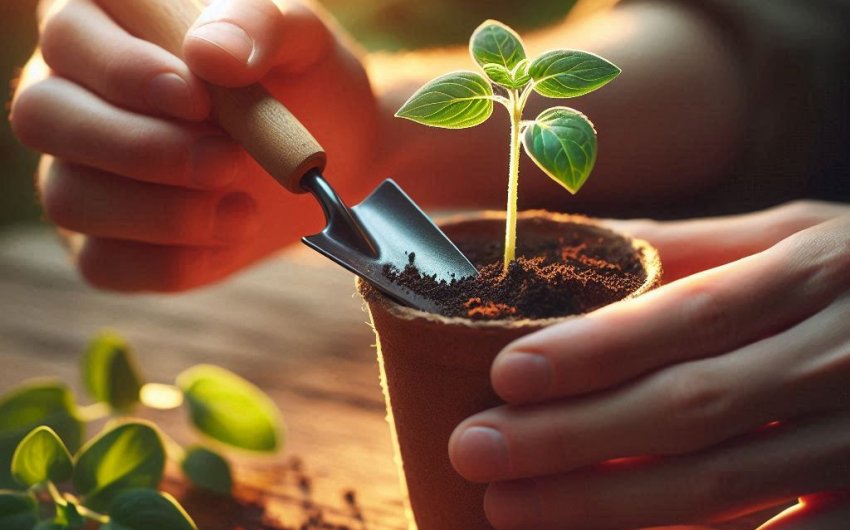
Every gardener, regardless of experience, quickly learns the indispensable value of certain tools, and among them, the humble hand trowel stands out as a true essential. This compact, versatile implement is far more than just a small shovel; it's a multi-tasking workhorse that performs countless small but crucial jobs in the garden. From planting delicate seedlings to weeding stubborn invasives, the right hand trowel can transform tedious tasks into effortless motions, making it truly the gardener's best friend.
Why is a Hand Trowel So Important for Gardeners?
The hand trowel's importance stems from its versatility and ergonomic design, allowing gardeners to perform a wide array of precise tasks that larger tools cannot manage. Its compact size makes it perfect for intricate work, while its sturdy construction ensures durability.
Versatility in Tasks
A hand trowel can dig small holes, transplant seedlings, mix soil amendments, scoop fertilizer, and even remove weeds. Its size is ideal for working in raised beds, containers, and tight garden spaces where a shovel would be cumbersome. This wide range of applications solidifies its position as a go-to tool.
Ergonomic Comfort
Many modern hand trowels are designed with ergonomic handles that fit comfortably in the hand, reducing strain and fatigue during prolonged use. This thoughtful design helps prevent blisters and discomfort, allowing gardeners to work more efficiently and enjoyably.
Precision and Control
Unlike larger digging tools, a hand trowel offers gardeners precise control over their movements. This precision is vital for delicate tasks like planting small bulbs or carefully extracting weeds without disturbing nearby plants.
What Are the Different Types of Hand Trowels?
While the basic design of a hand trowel remains consistent, variations exist, each tailored to specific gardening needs. Understanding these differences can help you choose the hand trowel that best suits your particular tasks and preferences, further solidifying its status as the gardener's best friend.
Standard Trowel
The standard trowel is the most common type, featuring a scoop-shaped blade. It's excellent for general digging, planting, and scooping. A durable option would be the Fiskars Ergo Trowel, known for its comfortable grip. This is the all-around workhorse that every gardener should own.
Transplanting Trowel
A transplanting trowel typically has a narrower, longer blade, often with depth markings. This design makes it ideal for digging deep, narrow holes for transplanting seedlings or bulbs without disturbing nearby root systems. The depth markings ensure accurate planting depths. A popular choice is the AMES Companies True Temper Transplanting Trowel.
Weeding Trowel (Fulkrum Trowel or Japanese Trowel)
While not always called a "weeding trowel," tools like the Fulkrum Trowel or a traditional Japanese Hori Hori knife (which functions as a multi-purpose trowel) are superb for weeding. They often feature serrated edges or a pointed tip for cutting through tough roots and prying out stubborn weeds. The Hori Hori Garden Knife is a renowned multi-functional tool in this category.
Ergonomic Trowel
These trowels prioritize user comfort, featuring specially shaped handles or padded grips to reduce hand and wrist strain. They are particularly beneficial for gardeners with arthritis or those who spend extended periods digging. Look for options like the Radius Garden Ergonomic Trowel.
Stainless Steel Trowel
A stainless steel trowel is known for its durability and rust resistance. While often pricier, the stainless steel blade prevents soil from sticking as much and is easier to clean, ensuring a longer lifespan. The Sneeboer Stainless Steel Trowel is a premium example of this type.
What Materials Are Hand Trowels Made From?
The material of a hand trowel's blade and handle significantly impacts its durability, weight, feel, and overall performance. Choosing the right material ensures your hand trowel will stand up to the rigors of gardening, making it a reliable partner in your horticultural endeavors.
Blade Materials
The blade is the working end of the trowel and its material is crucial for performance.
- Stainless Steel: Highly durable, rust-resistant, and easy to clean. Soil tends to stick less to stainless steel blades. This is a premium option, often found on higher-end trowels.
- Carbon Steel: Strong and holds a sharp edge well, but susceptible to rust if not properly cleaned and dried after each use. Often coated for rust protection.
- Aluminum/Cast Aluminum: Lightweight and rust-resistant, but generally less durable than steel. Can bend or break under heavy use or in compacted soil. Good for light-duty tasks or gardeners who prefer lighter tools.
- Plastic/Composite: Very lightweight and rust-proof, but only suitable for very light tasks like working with seed starting mix or soft potting soil. Not recommended for digging in garden beds.
Handle Materials
The handle influences comfort, grip, and longevity.
- Wood: Classic and aesthetically pleasing, wood handles offer a good grip and absorb vibrations. They need to be sealed or treated to resist moisture and prevent splintering. Hardwoods like ash or oak are preferred for durability.
- Plastic/Composite: Common and often molded into ergonomic shapes. Can be lightweight and durable, but some feel less substantial or can become slippery when wet.
- Rubberized Grips: Often found on plastic or metal handles, these provide excellent non-slip grip, even when wet, and enhance comfort by absorbing shock.
- Metal (sometimes with coating): Very durable, but can be cold to the touch and offer less grip without a coating.
How Do I Choose the Best Hand Trowel?
Selecting the best hand trowel involves considering your specific gardening needs, the type of soil you work with, and your personal comfort preferences. A well-chosen trowel will feel like an extension of your hand, making gardening tasks more efficient and enjoyable.
Consider Your Soil Type
If you have heavy, clay soil or rocky ground, you'll need a very sturdy trowel, likely with a stainless steel or carbon steel blade and a strong tang (the part of the blade that extends into the handle). For lighter, loamy soil or container gardening, a lighter aluminum trowel might suffice.
Handle Comfort and Grip
This is subjective but crucial. Hold different trowels in your hand. Does the handle fit comfortably? Is the grip secure, even if your hands are wet or gloved? Ergonomic handles, like those on the Fiskars Ergo Trowel, can reduce hand fatigue. If you have smaller hands, a more slender handle might be better; for larger hands, a thicker grip.
Blade Shape and Size
- Wide Scoop: Good for moving more soil quickly, ideal for general planting.
- Narrow/Pointed: Better for precise digging, planting bulbs, or working in tight spaces.
- Serrated Edge: Useful for cutting through small roots or opening bags of soil, often found on weeding trowels or Hori Horis.
Durability and Construction
Examine how the blade is attached to the handle. A full-tang construction, where the metal of the blade extends all the way through the handle, provides superior strength and prevents the blade from bending or breaking off. Look for solid rivets or strong welds. A premium option like the Wilcox All-Pro Trowel exemplifies robust construction.
Weight of the Trowel
Lighter trowels are good for prolonged use, especially if you have hand fatigue issues. However, a slightly heavier trowel often indicates more robust construction and can provide better leverage in tough soil.
Price vs. Quality
While inexpensive trowels are abundant, they often bend or break quickly. Investing a bit more in a high-quality hand trowel made from durable materials will save you money and frustration in the long run. Think of it as a long-term investment in your gardening pleasure.
How Do I Maintain My Hand Trowel?
Proper care and maintenance will significantly extend the life of your hand trowel and ensure it remains an effective and reliable tool. Simple habits can prevent rust, maintain sharpness, and keep it ready for action, truly preserving the gardener's best friend.
Clean After Each Use
After every gardening session, take a moment to clean your trowel. Remove any clinging soil, especially from the blade. A stiff brush or even a strong spray of water can work. This prevents soil from hardening on the blade and reduces the risk of transferring soil-borne diseases between plants or beds.
Dry Thoroughly
Moisture is the enemy of metal tools, particularly those made of carbon steel. After cleaning, ensure your trowel is thoroughly dried before storing it. A quick wipe with a rag is usually sufficient.
Sharpen When Needed
A sharp edge makes digging and cutting easier. If your trowel has a sharpened edge (like on some weeding trowels), or if the digging edge becomes dull, use a sharpening stone or a Garden Tool Sharpener to restore its edge. A sharp tool requires less effort and reduces strain.
Lubricate (For Steel Trowels)
For carbon steel trowels, applying a thin coat of oil (like linseed oil, mineral oil, or even WD-40) to the blade before storage can prevent rust. This is especially important if you live in a humid climate or are storing the trowel for an extended period.
Proper Storage
Store your hand trowel in a dry place, away from direct moisture and extreme temperatures. Hanging it on a tool rack, such as a Garden Tool Organizer, keeps it organized and prevents it from getting lost or damaged.
Inspect for Damage
Periodically inspect your trowel for signs of wear and tear, such as loose handles, bent blades, or rust spots. Addressing small issues early can prevent them from becoming major problems. Tighten any loose screws or nuts on the handle.
What Are Some Creative Uses for a Hand Trowel?
Beyond its primary function of digging and planting, a hand trowel can be surprisingly versatile, adapting to various minor tasks around the garden. Its compact size and sturdy nature lend themselves to imaginative uses that further cement its role as the gardener's best friend.
Opening Soil Bags
Many gardeners find the pointed or slightly serrated edge of a trowel perfect for slitting open bags of potting mix, compost, or fertilizer cleanly and efficiently. This prevents tearing and spilling.
Mixing Potting Mediums
When preparing custom potting mixes for containers or seed starting, a hand trowel is excellent for thoroughly blending different components like soil, perlite, vermiculite, and compost in a bucket or wheelbarrow.
Clearing Small Debris
Its scoop shape makes it useful for scooping up small piles of leaves, spent flowers, or other garden debris into a bucket or compost bin.
Spreading Mulch or Top Dressing
For smaller beds or around individual plants, a hand trowel can be used to neatly spread a layer of mulch, compost, or granular fertilizer, ensuring even distribution without waste.
Leveling Small Areas
When preparing a small area for stepping stones or a new bed, the flat edge of a trowel can be used to roughly level the soil, ensuring a stable base.
Dislodging Pot-Bound Plants
For plants stuck in their pots, the blade of a hand trowel can sometimes be carefully worked around the edges of the root ball to loosen it, making extraction easier.
Creating Furrows for Seeds
A straight-edged trowel can be used to draw neat, shallow furrows in the soil, perfect for direct sowing rows of vegetable or flower seeds at a consistent depth.
Aerating Small Areas
Carefully inserting and wiggling the trowel in compacted soil can provide some light aeration around plant roots, especially in containers or raised beds, improving water penetration and air circulation.
From its humble beginnings as a tool for basic digging to its current role as a multi-functional essential, the hand trowel unequivocally earns its title as the gardener's best friend, proving its invaluable worth in every gardening endeavor.