
How Do I Create a Self-Watering System for Indoor Plants?
Crafting a self-watering system for indoor plants provides an excellent solution for busy gardeners or those who travel frequently, ensuring your green companions receive consistent moisture without constant oversight. This innovative approach mimics natural processes, delivering water directly to the plant's root zone as needed, which can lead to healthier, more vibrant foliage. By understanding the principles behind passive hydroponics and capillary action, you can design and implement effective systems that keep your houseplants hydrated and thriving with minimal effort.
What is a Self-Watering System?
A self-watering system for plants is a clever design that delivers water to the plant's roots automatically, usually drawing from a reservoir. Instead of manually pouring water, these systems rely on principles like capillary action to wick moisture upwards from a water source, or on pumps and timers for more complex setups. The main goal is to provide consistent hydration to the plant, preventing both underwatering and overwatering, which are common causes of houseplant decline.
How Do Self-Watering Systems Work?
Most simple self-watering systems function by using capillary action, a phenomenon where water moves upwards through small spaces against the force of gravity. This is typically achieved with a wicking material, such as cotton rope or felt, extending from a water reservoir into the plant's potting mix. As the soil dries out, the wicking material draws water from the reservoir into the soil, keeping it consistently moist at the root level. More advanced systems might use a pump to periodically deliver water, but the fundamental principle is to automate the watering process, ensuring plants get what they need, when they need it.
Why Should You Use a Self-Watering System for Your Indoor Plants?
Implementing a self-watering system offers numerous advantages for both your plants and your peace of mind. It simplifies plant care, reduces the risk of common watering mistakes, and promotes healthier growth, making it an ideal solution for a variety of plant enthusiasts, from beginners to seasoned gardeners.
What are the Benefits for Your Plants?
The primary benefit for your plants is consistent moisture. Unlike manual watering, which can lead to cycles of drought and saturation, a self-watering system provides a steady supply of water to the roots. This prevents stress from inconsistent watering and encourages a more robust root system. Plants that receive consistent hydration are often healthier, exhibit more vigorous growth, and are less susceptible to pests and diseases. It also helps prevent nutrient leaching, as water is drawn up rather than flushed through the pot, keeping valuable nutrients in the soil.
How Does a Self-Watering System Benefit You?
For you, the plant owner, a self-watering system offers significant convenience. It drastically reduces the frequency of manual watering, freeing up your time and allowing you to enjoy your plants without the constant chore of hydration. This is especially beneficial for those with busy schedules, frequent travelers, or anyone with a large collection of indoor plants. It also minimizes the risk of overwatering, a common mistake that leads to root rot, and reduces the mess associated with spilled water or drainage trays overflowing.
What Materials Do You Need to Create a Basic Self-Watering System?
Creating a basic yet effective self-watering system is simpler than you might imagine, often utilizing readily available materials. With a few key components, you can assemble a functional setup that keeps your plants hydrated and happy, proving that DIY solutions can be both economical and highly efficient.
Choosing the Right Containers
For a simple self-watering system, you'll generally need two containers: an inner pot for the plant and an outer reservoir for water. The inner pot should have drainage holes at the bottom, which will allow the wicking material to draw water. The outer container needs to be watertight and large enough to hold a sufficient amount of water to last for several days or weeks, depending on your plant's needs and the size of the system. Many gardeners repurpose plastic bottles, food containers, or even specialized self-watering planters designed for this purpose.
Selecting the Ideal Wicking Material
The wicking material is the unsung hero of many passive self-watering systems. Its job is to draw water from the reservoir up into the plant's soil through capillary action. Common choices include cotton rope, nylon cord, felt strips, or even old pieces of cotton fabric. The material should be absorbent and durable enough to withstand constant moisture without breaking down quickly. The thickness of the wick can influence the rate of water delivery, so choose a material appropriate for your plant's water needs. For instance, thicker wicks are better for thirsty plants, while thinner ones suffice for those that prefer slightly drier conditions.
Preparing the Potting Mix
The type of potting mix you use is crucial for the success of a self-watering system. A good mix will be well-draining yet retain enough moisture to allow the wick to function effectively. Avoid dense, heavy soils that can become waterlogged. Instead, opt for a light, airy mix, perhaps one designed for succulents if your plant prefers drier conditions, or a standard indoor potting mix amended with perlite or vermiculite for better drainage and aeration. The goal is a mix that allows water to move easily through it while still providing sufficient moisture retention for the plant roots.
How Do You Build a Simple Wick Self-Watering System?
Constructing a basic wick self-watering system is a straightforward process that can be completed in a few steps. This method is highly effective for individual plants and offers a reliable way to ensure consistent moisture delivery using readily available materials.
Step-by-Step Assembly for a Single Plant
- Prepare the Inner Pot: Choose an inner pot with drainage holes at the bottom. If using a standard pot, ensure the holes are large enough to thread your wicking material through.
- Thread the Wick: Cut a length of your chosen wicking material (e.g., cotton rope) long enough to reach the bottom of your outer reservoir and extend several inches up into the inner pot. Thread one end of the wick through a drainage hole in the inner pot from the outside, pulling it up into the pot.
- Position the Wick: Spread the end of the wick that's inside the pot so it sits in the center, touching the bottom of the pot. This ensures it makes good contact with the potting mix.
- Add Potting Mix and Plant: Add a layer of your prepared potting mix into the inner pot, covering the wick. Carefully place your plant into the pot, then fill around its roots with more potting mix, gently tamping it down to remove large air pockets. Ensure the wick remains in good contact with the soil.
- Prepare the Outer Reservoir: Select a watertight outer container that is taller than the inner pot, allowing space for water beneath the inner pot.
- Assemble the System: Place the inner pot (with plant and wick) into the outer reservoir. The free end of the wick should reach the bottom of the reservoir.
- Fill the Reservoir: Fill the outer reservoir with water, ensuring the wick is submerged. You may need to water the plant from the top initially to help establish the capillary action and fully moisten the soil.
How Can You Create Other Types of Self-Watering Systems?
Beyond the simple wick system, various other methods allow you to create self-watering systems for indoor plants. These range from readily available commercial solutions to more advanced DIY setups, each offering unique advantages for different plant needs and gardener preferences.
Using Inverted Bottle Systems
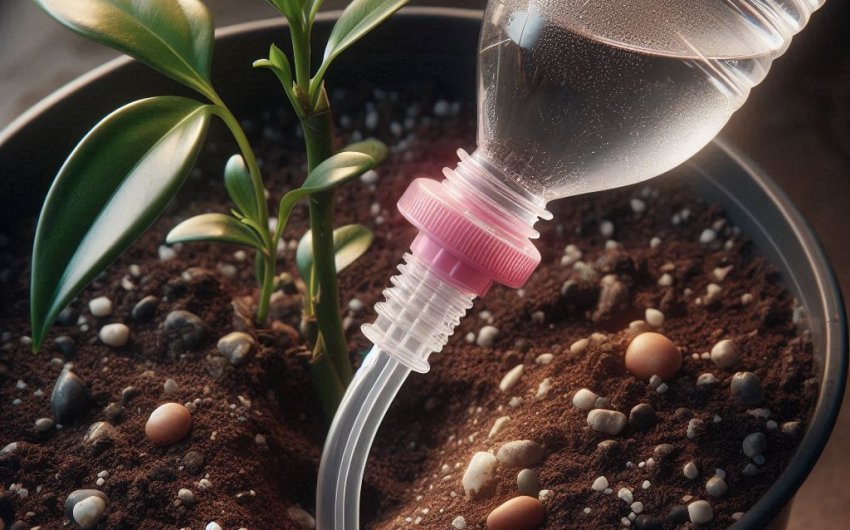
An inverted bottle system is a very simple and often temporary self-watering solution. It involves an upside-down plastic bottle with a small hole in its cap, slowly releasing water into the soil. While effective for short-term watering during absences, it's less precise than wick systems and can lead to inconsistent moisture levels as the water drains unevenly. You can use a specific plant watering spike that attaches to an inverted bottle, ensuring a more controlled drip. This method works by gravity, slowly allowing water to seep into the soil as it dries out.
Exploring Recycled Container Methods (SIPs)
Sub-Irrigated Planters (SIPs) are a popular and highly effective type of self-watering system often made from recycled containers. These systems typically consist of a water reservoir at the bottom, a wicking mechanism, and a growing medium above. DIY SIPs can be crafted from two plastic buckets or storage bins, where one bucket acts as the reservoir and the other, with holes drilled in its base, sits inside, holding the plant and soil. The wicking mechanism, often a perforated pipe or a section of the growing medium itself, draws water up. This method provides consistent moisture and excellent aeration to the roots, promoting robust growth and reducing the risk of overwatering. Many commercially available self-watering containers are essentially refined SIPs.
Utilizing Drip Irrigation Systems (for Multiple Plants)
For multiple indoor plants, especially those grouped together or in a larger indoor garden setup, a small-scale drip irrigation system can be an efficient self-watering solution. These systems use a central water reservoir and a network of thin tubing with individual drippers that deliver water directly to each plant's root zone. A small pump with a timer can automate the watering schedule. While more complex to set up initially than wick systems, drip irrigation provides precise water delivery and can be customized to the individual needs of various plants. It's an excellent option for maintaining a collection of plants, especially when you're away for extended periods.
Considering Grow Tent Hydroponic Systems
For serious indoor gardeners, particularly those with plants in a grow tent, a full-fledged hydroponic system inherently offers self-watering capabilities. Systems like deep water culture (DWC), nutrient film technique (NFT), or ebb and flow continuously or periodically deliver nutrient-rich water directly to the plant roots, eliminating the need for traditional soil and manual watering. While more of an undertaking than simple self-watering pots, these systems provide optimal growing conditions, often leading to faster growth and higher yields. They are the epitome of automated watering, controlled by pumps and timers to ensure plants receive constant hydration and nutrients.
What Potting Mix is Best for Self-Watering Systems?
Choosing the right potting mix is paramount for the success of any self-watering system. The ideal mix needs to balance moisture retention with excellent drainage and aeration to prevent root rot and ensure efficient water uptake through capillary action. A standard all-purpose potting mix might not be sufficient on its own, often requiring amendments to achieve the perfect balance.
Characteristics of an Ideal Potting Mix
The best potting mix for a self-watering system will be light, airy, and well-draining, yet capable of holding enough moisture for the wick to draw from. It should allow for good air circulation around the roots, preventing them from becoming waterlogged. Avoid dense, heavy soils that compact easily, as these can impede water movement and suffocate roots. The mix should also be somewhat resistant to breaking down quickly, as it will be consistently moist.
Recommended Amendments for Potting Mix
To achieve the ideal characteristics, you'll often need to amend a standard potting mix.
- Perlite: This lightweight, volcanic glass is excellent for improving drainage and aeration. It creates small air pockets in the soil, which are vital for root health in consistently moist environments. Add perlite so it makes up about 20-30% of your total mix.
- Vermiculite: Like perlite, vermiculite improves aeration, but it also has a higher water retention capacity. It can help the potting mix hold more moisture without becoming soggy, making it a good addition for plants that prefer more consistent dampness.
- Coco Coir: A sustainable alternative to peat moss, coco coir is highly effective at retaining moisture while providing good aeration. It's also pH neutral and resistant to compaction, making it an excellent base or amendment for a self-watering system.
- Coarse Sand or Small Gravel: For plants that absolutely hate wet feet, like succulents, a small amount of coarse sand or very fine gravel can be mixed in to further enhance drainage.
When mixing, aim for a blend that feels light and crumbly, not heavy or dense. Test its drainage by wetting a small amount; water should pass through relatively quickly but still leave the mix feeling moist.
How Do You Care for Plants in a Self-Watering System?
While self-watering systems significantly reduce your daily tasks, they don't eliminate the need for occasional plant care. Proper maintenance, including regular reservoir refills, occasional top-watering, and nutrient management, will ensure your indoor plants thrive and the system functions effectively over the long term.
Monitoring Water Levels
Even with a self-watering system, regularly checking the water reservoir is essential. The frequency will depend on the plant's water needs, the size of the reservoir, and environmental factors like temperature and humidity. Some systems have a visual water level indicator, making it easy to see when a refill is needed. For others, you'll simply need to lift the inner pot or visually inspect the reservoir. Don't let the reservoir run completely dry for extended periods, as this can interrupt the capillary action and stress the plant.
Occasional Top Watering
While the system handles most of the watering, an occasional top watering can be beneficial. This helps to flush out any accumulated salts or minerals that might build up in the upper layers of the soil, especially if you're using tap water. It also ensures that the entire soil column, including the very top, gets thoroughly moistened, which can be important for surface roots. Top watering once every few weeks or months, or if you notice the very top layer of soil seems unusually dry, is a good practice.
Fertilizing Plants in Self-Watering Systems
When plants are in a self-watering system, nutrients are primarily absorbed as water is wicked up from below. This means traditional granular fertilizers might not be as effective if they aren't reaching the root zone.
- Liquid Fertilizers: The most straightforward approach is to add a diluted liquid fertilizer directly to the water in the reservoir. Ensure you use a balanced, all-purpose indoor plant fertilizer and follow the dilution instructions carefully, or even dilute it further than recommended to avoid nutrient build-up. Fertilize less frequently than you would for manually watered plants, perhaps every 2-4 weeks during the growing season.
- Slow-Release Fertilizers: You can also incorporate slow-release fertilizer granules into the potting mix when initially setting up the system or during repotting. These will slowly release nutrients over several months, providing a steady supply without needing frequent additions to the reservoir.
Regularly monitor your plant's health for signs of nutrient deficiency or excess, adjusting your fertilizing schedule as needed.
Repotting and Maintenance
Over time, the potting mix in a self-watering system can break down, and the plant may outgrow its pot. Repotting every 1-2 years is generally a good idea. When repotting, refresh the potting mix and check the wicking material for any signs of deterioration. This is also an opportunity to clean the reservoir and inner pot to prevent algae or mineral buildup. If you notice a white crust around the rim of the pot or on the soil, it's likely mineral buildup from the water, which can be gently scraped away during repotting.
What Are the Best Plants for Self-Watering Systems?
While many indoor plants can benefit from a self-watering system, some species thrive particularly well in the consistent moisture conditions these setups provide. Understanding which plants are best suited for passive hydroponics can help you maximize the success of your automated watering efforts.
Plants That Love Consistent Moisture
Many common houseplants prefer consistently moist, but not soggy, soil, making them ideal candidates for self-watering systems.
- Peace Lilies (Spathiphyllum): These elegant plants are notorious for wilting dramatically when dry, making them perfect for consistent hydration.
- African Violets (Saintpaulia): African Violets thrive with consistent moisture and prefer bottom-watering, which a self-watering system naturally provides, preventing water spots on their fuzzy leaves.
- Ferns (e.g., Boston Fern, Kimberly Queen Fern): Most ferns originate from humid environments and appreciate continuous access to moisture.
- Pothos (Epipremnum aureum): While adaptable, Pothos plants show more vigorous growth with steady moisture.
- Spider Plants (Chlorophytum comosum): These easy-care plants appreciate consistent moisture, especially when producing plantlets.
- Coleus (Plectranthus scutellarioides): Known for their vibrant foliage, Coleus are quite thirsty and respond well to continuous hydration.
- Basil and other Thirsty Herbs: Many culinary herbs, especially basil, mint, and cilantro, are heavy drinkers and will flourish in a self-watering system.
These plants benefit from the steady supply of water and are less prone to issues like root rot in a well-designed system with appropriate potting mix.
Plants to Avoid in Self-Watering Systems
Not all plants are well-suited for the constant moisture provided by a self-watering system. Plants that prefer their soil to dry out significantly between waterings can suffer from root rot or fungal issues in such setups.
- Succulents and Cacti: These plants are adapted to arid conditions and store water in their leaves or stems. Constant moisture is detrimental and will almost certainly lead to root rot.
- Sansevieria (Snake Plant): Extremely drought-tolerant, Snake Plants prefer to dry out completely between waterings.
- ZZ Plants (Zamioculcas zamiifolia): Similar to snake plants, ZZ plants are highly tolerant of neglect and susceptible to overwatering.
- Orchids (most epiphytic varieties): Most orchids are epiphytes, meaning they grow on other plants rather than in soil, and their roots require excellent airflow and drying out between waterings.
- Rosemary: This herb prefers dry, sandy soil and good air circulation around its roots.
For these plants, traditional top-watering with careful monitoring of soil moisture is a safer approach. Always research the specific watering needs of your plant before placing it in a self-watering system.
Creating a self-watering system for indoor plants offers an ingenious way to ensure your green companions remain consistently hydrated and healthy, simplifying your plant care routine while promoting robust growth.