
What Indoor Plants Thrive in Low Humidity Environments?
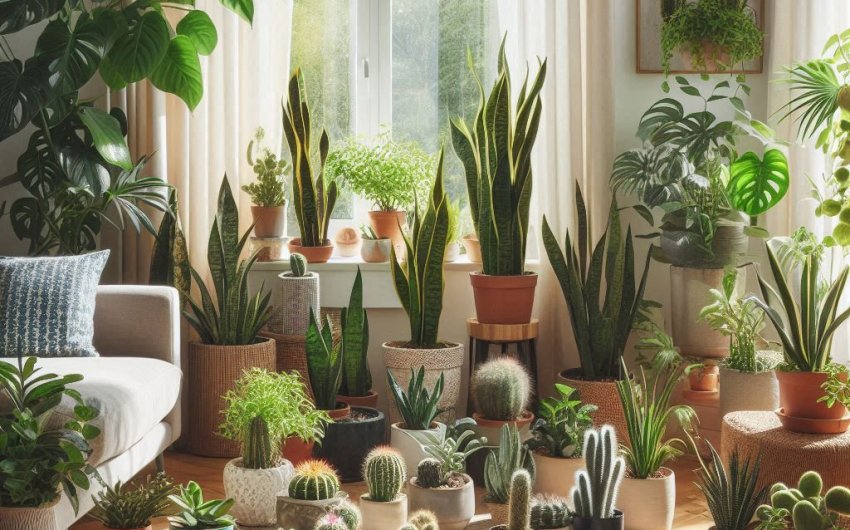
Selecting indoor plants that flourish in low humidity environments is a key strategy for cultivating a successful and stress-free indoor garden, especially in homes with dry air. While many popular houseplants originate from humid tropical regions, an abundance of resilient species can adapt beautifully to drier conditions, making them ideal choices for heated or air-conditioned living spaces. Understanding which plants are naturally adapted to lower moisture levels ensures your green companions remain vibrant and healthy with minimal fuss.
What is Humidity and Why is it Important for Indoor Plants?
Humidity refers to the amount of moisture, or water vapor, present in the air. For many indoor plants, especially those with origins in tropical rainforests, high humidity is crucial for their survival and thriving. When the air is too dry, plants can struggle to perform essential functions, leading to visible signs of stress and decline.
How Does Humidity Affect Plants?
Plants lose water through their leaves in a process called transpiration. This process is vital for drawing water and nutrients up from the roots.
- High Humidity: In high humidity, there's a lot of moisture in the air, so plants don't lose as much water through transpiration. This allows them to retain more water, which is ideal for many tropical species. Their leaves stay supple and green.
- Low Humidity: In low humidity environments, the air is dry, causing plants to transpire more rapidly. They lose water faster than their roots can absorb it, leading to dehydration and stress.
Signs Your Plants Are Suffering from Low Humidity
If your indoor plants are struggling with dry air, they will often show specific symptoms.
- Brown or Crispy Leaf Tips and Edges: This is the most common and tell-tale sign. The leaf tissue dries out and dies.
- Stunted Growth: The plant may grow very slowly or stop growing altogether.
- Wilting Leaves: Even if the soil is moist, leaves might wilt because the plant is losing water too quickly through its foliage.
- Yellowing Leaves: While many factors cause yellowing, in conjunction with crispy tips, it can indicate low humidity.
- Flower Bud Drop: If your plant is trying to flower, buds might turn brown and fall off before opening.
- Increased Pest Problems: Dry conditions can make plants more susceptible to certain pests like spider mites, which thrive in low humidity.
Common Indoor Humidity Levels
The humidity level in most homes, especially during winter with heating systems running or in summer with air conditioning, is often much lower than what many tropical plants prefer.
- Comfortable Human Humidity: Typically, indoor humidity for human comfort is between 30% and 50%.
- Tropical Plant Ideal: Many tropical plants prefer humidity levels of 60% or higher.
- Desert/Arid Plant Ideal: Plants adapted to dry climates can thrive in humidity below 30%, which is common in many homes.
This disparity highlights why choosing indoor plants that thrive in low humidity environments is essential for hassle-free plant care.
Which Succulents and Cacti Thrive in Low Humidity?
Succulents and cacti are quintessential examples of indoor plants that thrive in low humidity environments. Their natural adaptations to arid landscapes make them perfectly suited for dry indoor air, making them popular choices for beginners and experienced plant parents alike.
Adaptations of Succulents and Cacti for Dryness
These plants have developed remarkable strategies to cope with extreme drought and low humidity.
- Fleshy Leaves/Stems: They store water in their thick, fleshy leaves or stems, acting as natural reservoirs.
- Waxy Cuticle: A thick, waxy coating on their surface reduces water loss through evaporation.
- Reduced Stomata: Fewer pores (stomata) on their leaves minimize transpiration.
- CAM Photosynthesis: Many succulents and cacti use a specialized type of photosynthesis (Crassulacean Acid Metabolism, or CAM) where they open their stomata at night to absorb carbon dioxide, reducing water loss during the hot, dry day.
- Shallow Root Systems: Many have wide, shallow root systems to quickly absorb any available surface moisture.
Popular Low Humidity Succulents
These succulents are easy to care for and look great in dry indoor conditions.
- Snake Plant (Sansevieria trifasciata):
- Care: Extremely forgiving. Tolerates low light, drought, and very low humidity. Water only when the soil is completely dry. Available in many varieties, like the classic Sansevieria Laurentii.
- Why it thrives in low humidity: Thick, waxy leaves store water efficiently and have a very low transpiration rate.
- ZZ Plant (Zamioculcas zamiifolia):
- Care: Very hardy. Tolerates low light and significant periods of drought. Water sparingly.
- Why it thrives in low humidity: Stores water in thick rhizomes (underground stems) and succulent stems and leaves.
- Aloe Vera (Aloe barbadensis miller):
- Care: Prefers bright, indirect light. Allow soil to dry out completely between waterings.
- Why it thrives in low humidity: Large, fleshy leaves are packed with water-storing gel.
- Echeveria (various species):
- Care: Needs bright light to maintain compact rosette form. Water when soil is bone dry.
- Why it thrives in low humidity: Thick, tightly packed leaves and often a powdery "farina" coating reduce water loss. You can find a variety pack of echeveria succulents.
- Jade Plant (Crassula ovata):
- Care: Needs bright light. Tolerates some neglect. Water when soil is dry to the touch.
- Why it thrives in low humidity: Thick, smooth, water-storing leaves and woody stems.
Popular Low Humidity Cacti
Most cacti are naturally adapted to desert conditions and will thrive in dry indoor air.
- Christmas Cactus/Thanksgiving Cactus (Schlumbergera spp.):
- Care: Unlike desert cacti, these forest cacti prefer more regular watering and bright, indirect light, but still tolerate typical indoor humidity. They do need cooler temperatures and longer nights to bloom.
- Why it thrives in low humidity: Succulent, flattened stems store water.
- Pencil Cactus (Euphorbia tirucalli):
- Care: Needs bright light. Tolerates neglect and very dry air. Be careful of the milky sap.
- Why it thrives in low humidity: Fleshy, cylindrical stems for water storage; leaves are tiny or absent.
- Prickly Pear Cactus (Opuntia spp.):
- Care: Needs very bright light. Can grow quite large. Water very sparingly.
- Why it thrives in low humidity: Fleshy, flattened pads (cladodes) are adapted for water storage and minimal transpiration.
- Mammillaria Cacti (e.g., Thimble Cactus):
- Care: Require bright light. Water only when completely dry.
- Why it thrives in low humidity: Ball-shaped or columnar bodies minimize surface area to volume ratio, reducing water loss.
What Are Other Resilient Plants for Dry Indoor Air?
Beyond the obvious succulents and cacti, many other indoor plants possess natural resilience to low humidity environments due to their unique leaf structures or evolutionary adaptations. These plants offer a wider variety of textures, forms, and foliage colors for your home.
Plants with Leathery or Waxy Leaves
Plants with thick, leathery, or waxy leaves are naturally equipped to handle drier air by minimizing water loss through their foliage.
- Pothos (Epipremnum aureum):
- Care: Extremely adaptable to various light conditions (low to bright indirect). Allow soil to dry out between waterings. Highly forgiving.
- Why it thrives in low humidity: Its leaves have a slightly waxy coating and are robust, designed to withstand less-than-ideal conditions, including moderate dryness. Different varieties offer varied foliage, like the popular Neon Pothos.
- ZZ Plant (Zamioculcas zamiifolia): Already mentioned under succulents, but its waxy leaves also qualify it here.
- Hoya (Wax Plant, various species):
- Care: Prefers bright, indirect light. Allow soil to dry out completely between waterings. Slow growers.
- Why it thrives in low humidity: Its thick, waxy, succulent-like leaves are perfect for storing water and preventing excessive transpiration. The classic Hoya Carnosa is a great choice.
- Cast Iron Plant (Aspidistra elatior):
- Care: Extremely tough and tolerant of low light, neglect, and varying temperatures. Water moderately.
- Why it thrives in low humidity: Its common name says it all – "cast iron." Its leathery, robust leaves are well-adapted to handle harsh conditions, including dry air.
- Ficus elastica (Rubber Plant):
- Care: Prefers bright, indirect light. Allow the top few inches of soil to dry out before watering.
- Why it thrives in low humidity: Its large, thick, glossy leaves have a waxy cuticle that helps reduce moisture loss.
- Peace Lily (Spathiphyllum spp.):
- Care: Tolerates low to medium light. Prefers consistent moisture but can tolerate some dryness. Its dramatic wilting is a clear sign it needs water.
- Why it thrives in low humidity: While they enjoy humidity, their robust leaves can handle lower levels without severe browning if kept well-watered at the roots. They are more forgiving than many other tropicals. A medium size peace lily plant is a common indoor plant.
Plants with Hair, Fuzzy, or Small Leaves
These adaptations also help plants cope with dry conditions. Fuzzy or hairy leaves create a microclimate that traps moisture, while small leaves minimize the surface area for water loss.
- Pony Tail Palm (Beaucarnea recurvata):
- Care: Needs bright light. Water very sparingly, allowing soil to dry out completely.
- Why it thrives in low humidity: Stores water in its swollen, bulbous trunk base and has long, thin, grass-like leaves with minimal surface area for water loss.
- Prayer Plant (Maranta leuconeura) and Calathea (various species):
- Care: While known for needing higher humidity, some varieties are more tolerant than others. They prefer bright, indirect light and consistent moisture.
- Why it thrives in low humidity (more tolerant varieties): Certain varieties have slightly thicker leaves or are generally more robust and can adapt to typical indoor humidity if consistently watered at the roots. However, crispy edges can still be an issue for more sensitive types.
- Spider Plant (Chlorophytum comosum):
- Care: Very easy to grow. Tolerates a range of light conditions. Prefers moist soil but can tolerate some drying out.
- Why it thrives in low humidity: Its long, thin leaves don't have a large surface area for water loss, and the plant is generally very hardy and adaptable.
- Gynura aurantiaca (Purple Passion Plant):
- Care: Prefers bright, indirect light. Keep soil consistently moist but not soggy.
- Why it thrives in low humidity: The fuzzy hairs on its leaves help trap moisture and reduce water loss, making it surprisingly tolerant of average indoor humidity.
What Are Other Strategies for Managing Low Humidity for Plants?
While choosing indoor plants that thrive in low humidity environments is the best starting point, there are still ways to help even these resilient plants, and slightly more humidity-loving ones, feel more at home in dry indoor air. These strategies focus on increasing the moisture immediately around the plant.
Grouping Plants Together
- How it helps: When plants are grouped closely, the water vapor transpired (released) by each plant creates a small microclimate of higher humidity around the entire group. It's a natural way for plants to help each other.
- Tips: Ensure there's still good air circulation to prevent fungal issues. Don't crowd them so much that light or airflow is severely restricted.
Using Pebble Trays
- How it helps: A pebble tray is a shallow tray filled with pebbles and water. As the water evaporates from the tray, it increases the humidity immediately around the plant. The pebbles keep the pot elevated above the water, preventing the plant roots from sitting in stagnant water.
- How to set up:
- Find a tray (a plant drip tray works well) slightly larger than your plant's pot.
- Fill it with a layer of decorative pebbles or gravel.
- Add water to the tray, just enough so that the top of the pebbles are wet, but the bottom of your plant pot is NOT submerged in water.
- Place your potted plant on top of the pebbles.
- Maintenance: Refill the water as it evaporates.
Misting Plants
- How it helps (limited): Misting plants with a fine spray bottle can provide a temporary boost in humidity around the leaves.
- Considerations: The effect is short-lived as the water quickly evaporates. Frequent misting can sometimes lead to fungal spots on leaves, especially if airflow is poor. It's generally not a long-term solution for truly humidity-loving plants, but can offer a brief respite for those slightly more tolerant ones.
Using a Humidifier
- How it helps: This is the most effective way to consistently raise the ambient humidity in a room, benefiting all plants (and even humans) in that space.
- Types: You can use a small room humidifier specifically for your plant area or a larger whole-house humidifier if your entire home is very dry.
- Benefits: Provides stable, measurable humidity levels.
- Drawbacks: Requires refilling and cleaning. Uses electricity.
Avoiding Common Mistakes in Dry Environments
- Don't Overwater: While plants need water, overwatering is still the fastest way to kill a plant, especially in low humidity environments. The soil stays wet longer when the plant isn't losing as much water through its leaves, increasing the risk of root rot. Always check the soil moisture before watering.
- Avoid Placing Plants Near Heat Vents/Drafts: Direct exposure to hot, dry air from heating vents or cold, dry drafts from windows will exacerbate low humidity problems and cause leaves to crisp up rapidly.
- Use Proper Potting Mix: Always use a well-draining potting mix that allows oxygen to reach the roots, as discussed in detail previously. Even for moisture-tolerant plants, good drainage is vital.
By understanding these adaptations and supplemental strategies, you can confidently choose indoor plants that thrive in low humidity environments and create a verdant, thriving indoor garden regardless of your home's air conditions.