
How Do I Choose the Right Fertilizer for Indoor Plants?
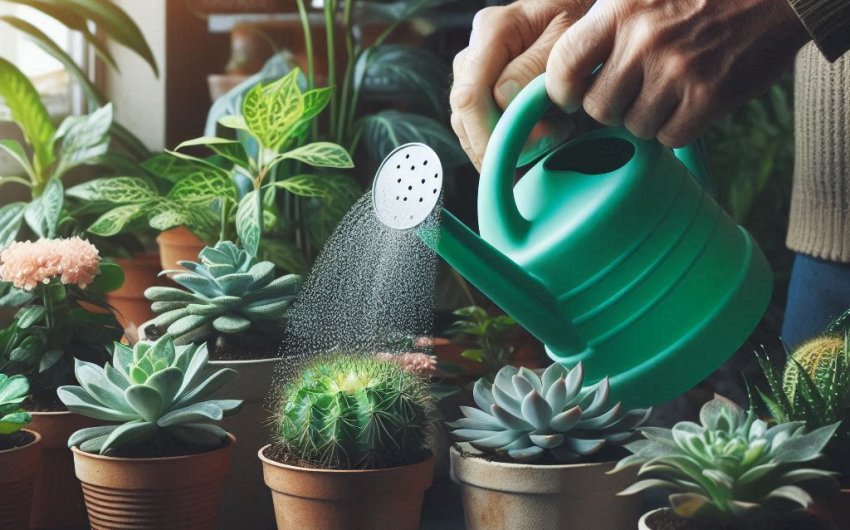
Choosing the right fertilizer for indoor plants is a key step in providing them with the essential nutrients they need to thrive beyond what their potting mix offers. Unlike outdoor plants that benefit from vast soil ecosystems, houseplants rely entirely on us for their nutrition. Understanding the different types of fertilizers, their nutrient ratios, and how they benefit your specific plants can transform struggling foliage into vibrant, healthy growth, allowing you to provide optimal care.
What Are the Essential Nutrients Indoor Plants Need?
To effectively choose the right fertilizer for indoor plants, it's crucial to understand the fundamental nutrients they require for healthy growth. These nutrients are broadly categorized into macronutrients (needed in larger quantities) and micronutrients (needed in smaller quantities).
Macronutrients (N-P-K)
These are the three primary nutrients found in most fertilizers, always listed in this order on fertilizer labels as the N-P-K ratio. Each plays a distinct and vital role.
Nitrogen (N):
- Role: Primarily responsible for lush, green, leafy growth. It's a key component of chlorophyll, the pigment responsible for photosynthesis.
- Symptoms of Deficiency: Yellowing or pale green leaves (especially older, lower leaves first), stunted growth, weak stems.
- High N Ratio Example: A fertilizer with a higher first number, like 10-5-5, would be considered high in nitrogen.
- Best for: Foliage plants (e.g., Pothos, Philodendron, Monsteras, ferns, ZZ plants) where green leaves are the main focus.
Phosphorus (P):
- Role: Crucial for strong root development, flowering, and fruiting. It's involved in energy transfer within the plant.
- Symptoms of Deficiency: Stunted growth, dark green or purplish leaves (especially on undersides), poor flowering or fruit set.
- High P Ratio Example: A fertilizer like 5-10-5 would be considered higher in phosphorus.
- Best for: Flowering plants (e.g., African Violets, Orchids, Hoyas) or plants you want to encourage blooming and strong roots.
Potassium (K):
Advertisement- Role: Aids in overall plant health, disease resistance, water regulation, and strength. It helps with the movement of water and nutrients throughout the plant.
- Symptoms of Deficiency: Yellowing or browning along leaf margins (edges), weak stems, poor overall vigor, reduced resistance to stress.
- High K Ratio Example: A fertilizer like 5-5-10 would be considered higher in potassium.
- Best for: Overall plant vigor, stress resistance, and promoting strong stems and root systems. Often paired with phosphorus for flowering plants.
Secondary Macronutrients
These are also needed in relatively large amounts but are usually present in sufficient quantities in good quality potting mixes or as trace elements in fertilizers.
- Calcium (Ca): Important for cell wall development, strength, and root growth.
- Magnesium (Mg): A core component of chlorophyll, vital for photosynthesis. Deficiency causes interveinal chlorosis (yellowing between green veins).
- Sulfur (S): Involved in protein synthesis and chlorophyll formation.
Micronutrients (Trace Elements)
Needed in very small amounts, but still essential for plant health. Most good quality complete fertilizers will include these.
- Iron (Fe): Important for chlorophyll production and enzyme function. Deficiency causes interveinal chlorosis, often on new growth.
- Manganese (Mn), Zinc (Zn), Copper (Cu), Boron (B), Molybdenum (Mo), Chlorine (Cl): Each plays various enzymatic roles in plant processes.
Importance of a "Complete" Fertilizer
When selecting a fertilizer for indoor plants, always look for a "complete" fertilizer. This means it contains all three primary macronutrients (N, P, K) and ideally, a range of secondary macronutrients and micronutrients. A balanced approach ensures your plant receives a full spectrum of what it needs to thrive.
What Are the Different Forms of Indoor Plant Fertilizers?
When deciding how to choose the right fertilizer for indoor plants, understanding the various forms available is crucial. Each type has its own advantages, application methods, and considerations, impacting convenience and effectiveness.
1. Liquid Fertilizers
- Description: Concentrated liquid solutions that are diluted with water before application.
- Pros:
- Fast-Acting: Nutrients are immediately available to the plant roots, providing a quick boost.
- Precise Control: Easy to dilute to weaker strengths, allowing for more frequent, lighter feedings (e.g., "weakly weekly"). This is beneficial for preventing over-fertilization.
- Even Distribution: Nutrients are evenly distributed throughout the potting mix with watering.
- Cons:
- Frequent Application: Requires more frequent application compared to slow-release options.
- Risk of Over-Fertilization: If not diluted properly, can quickly lead to fertilizer burn or salt buildup.
- Application: Mix with water according to label instructions. Apply as part of your regular watering routine. You can find liquid houseplant fertilizer in various brands.
- Best for: Most indoor plants, especially those that are actively growing, or when you need to address a nutrient deficiency quickly. Good for beginners as dilution offers control.
2. Slow-Release (Granular/Pellet) Fertilizers
- Description: Fertilizers in pellet or granule form that are incorporated into the top layer of soil or mixed into potting mix. They release nutrients slowly over time, typically through coatings that break down with water and temperature.
- Pros:
- Convenience: Very low maintenance. One application can last for several weeks or months (e.g., 3-6 months).
- Reduced Risk of Burn: Nutrients are released gradually, minimizing the risk of over-fertilization compared to liquid forms, assuming applied correctly.
- Cons:
- Less Control: Once applied, you can't easily stop or adjust the feeding if symptoms of over-fertilization appear.
- Variable Release: Release rate can be affected by temperature and watering frequency, potentially leading to inconsistent feeding.
- Application: Sprinkle the recommended amount on top of the soil and lightly scratch it in, or mix into new potting mix when repotting. Water thoroughly after application. Look for slow-release houseplant fertilizer pellets.
- Best for: Busy gardeners, plants that prefer consistent, low-level feeding, or when repotting.
3. Fertilizer Spikes
- Description: Solid sticks or spikes of concentrated fertilizer that are pushed into the potting mix.
- Pros:
- Very Convenient: Easy to use and long-lasting (typically 1-2 months).
- Neat: No mixing or measuring liquid.
- Cons:
- Uneven Distribution: Nutrients tend to concentrate around the spike, potentially leading to nutrient "hot spots" or areas where roots get too much fertilizer, while other parts of the root ball get little.
- Risk of Burn: Can easily cause fertilizer burn if placed too close to the plant's stem or roots.
- Limited Control: Difficult to adjust feeding once inserted.
- Application: Push into the soil following package instructions for placement and quantity based on pot size. Water thoroughly after. Indoor plant fertilizer spikes are widely available.
- Best for: Very low-maintenance feeding for plants that aren't overly sensitive to uneven nutrient distribution. Generally not recommended for delicate or sensitive plants.
4. Organic Fertilizers
- Description: Derived from natural sources (e.g., fish emulsion, worm castings, kelp meal, compost tea, bone meal, blood meal).
- Pros:
- Gentle: Tend to release nutrients more slowly and are less likely to cause fertilizer burn.
- Soil Health: Improve soil structure and promote beneficial microbial activity.
- Sustainable: Environmentally friendly.
- Cons:
- Slower Action: Nutrients are released as microbes break down the organic matter, so they are not as immediately available as synthetic liquid fertilizers.
- Odor: Some (like fish emulsion) can have a strong, temporary odor.
- Cost/Availability: Can be more expensive or harder to find.
- Application: Varies by product (liquid concentrates, granular meals, direct soil amendments like worm castings).
- Best for: Those who prefer a natural approach, want to improve potting mix health, or for sensitive plants.
Fertilizer Form Summary
| Form | Pros | Cons | Best For |
|---|---|---|---|
| Liquid | Fast-acting, precise control, even distribution | Frequent application, burn risk if misused | Most plants, quick boost, beginners (diluted) |
| Slow-Release | Convenient, long-lasting, lower burn risk | Less control, variable release | Busy gardeners, consistent feeding, repotting |
| Spikes | Very convenient, neat | Uneven distribution, burn risk if misused | Very low maintenance, less sensitive plants |
| Organic | Gentle, improves soil health, sustainable | Slower action, some odor, variable nutrient content | Natural approach, sensitive plants |
How Do You Interpret Fertilizer N-P-K Ratios?
To truly choose the right fertilizer for indoor plants, you need to understand the N-P-K ratio prominently displayed on every fertilizer label. This trio of numbers represents the percentage by weight of the three primary macronutrients.
What N-P-K Stands For
- N (Nitrogen): The first number, for leafy green growth.
- P (Phosphorus, as P2O5 - phosphate): The second number, for root development, flowering, and fruiting.
- K (Potassium, as K2O - potash): The third number, for overall plant health, stress resistance, and vigor.
So, a fertilizer labeled "10-10-10" contains 10% Nitrogen, 10% Phosphorus, and 10% Potassium by weight. The remaining percentage is filler material and micronutrients.
Types of Ratios and Their Uses
Understanding these ratios allows you to tailor your plant's diet to its specific needs or growth phase.
Balanced Fertilizers (e.g., 10-10-10, 20-20-20, or 5-5-5):
- Description: All three numbers are equal or very close. This indicates a general-purpose fertilizer providing a balanced supply of the primary nutrients.
- When to Use: Great for most common foliage houseplants during their active growing season (spring and summer) when you want all-around healthy growth. Good for beginners who aren't sure where to start. A balanced houseplant fertilizer is a good starting point.
- Examples: Most general-purpose houseplant liquid fertilizers are balanced or slightly higher in nitrogen.
High-Nitrogen Fertilizers (e.g., 20-10-10, 10-5-5):
- Description: The first number (Nitrogen) is significantly higher than the other two.
- When to Use: Ideal for plants grown primarily for their lush foliage, such as Pothos, Philodendrons, ZZ plants, Monsteras, ferns, or other leafy greens. It encourages vigorous green growth.
- Caution: Too much nitrogen can lead to excessive leafy growth at the expense of flowering or fruiting. It can also make plants more susceptible to pests.
High-Phosphorus Fertilizers (e.g., 5-10-5, 10-20-10):
- Description: The second number (Phosphorus) is higher than the others.
- When to Use: Best for flowering houseplants (e.g., African Violets, Orchids, Hoyas, Peace Lilies in bloom) to promote strong flower production and fruit set. Also beneficial for encouraging root development.
- Examples: Many "bloom booster" fertilizers fall into this category. Look for a flower-promoting houseplant fertilizer.
High-Potassium Fertilizers (e.g., 5-5-10, 10-10-20):
- Description: The third number (Potassium) is higher.
- When to Use: Less commonly the sole focus for most indoor plants, but potassium is crucial for overall plant vigor, disease resistance, and helping plants cope with stress. It's often found in balanced fertilizers or bloom boosters.
Practical Application for Indoor Plants
- Most Common: For general indoor plant care, a balanced liquid fertilizer is usually a great choice. You can adjust the dilution strength based on your plant's needs.
- Specific Needs: If you have a plant that refuses to flower, consider a bloom-booster (higher P) for a few cycles. If your foliage plant looks pale and leggy, try a balanced or slightly higher-N fertilizer.
- Dilution is Key: Remember, even with the right ratio, proper dilution is critical for indoor plants. Many houseplant experts recommend diluting fertilizers to half or even quarter strength of the label's recommendation, and fertilizing more frequently (e.g., every other watering during active growth) to avoid fertilizer burn.
| Fertilizer Ratio Type | Primary Benefit | Best For Examples |
|---|---|---|
| Balanced (e.g., 10-10-10) | All-around healthy growth | Most common foliage plants, general use |
| High Nitrogen (e.g., 20-10-10) | Lush green foliage | Pothos, Philodendron, Fiddle Leaf Fig, Ferns |
| High Phosphorus (e.g., 5-10-5) | Flowers, fruit, strong roots | African Violet, Orchid, Hoya, flowering plants |
Understanding these ratios empowers you to choose the perfect fertilizer for indoor plants based on their growth habits and goals.
When and How Often Should You Fertilize Indoor Plants?
Beyond choosing the right type, knowing when and how often to fertilize indoor plants is crucial for preventing over-fertilization and ensuring your plants receive nutrients when they can best utilize them.
When to Fertilize
The timing of fertilization aligns with your plant's natural growth cycle.
- Active Growing Season:
- Spring and Summer: This is when most indoor plants are actively growing, producing new leaves, stems, and possibly flowers. They are metabolically active and can effectively utilize nutrients. This is the primary time to fertilize.
- Signs of Active Growth: Look for new leaves unfurling, stems elongating, or flower buds forming.
- Dormancy Period:
- Fall and Winter: Most indoor plants enter a period of reduced growth or dormancy due to shorter days and lower light levels. Their metabolic processes slow down significantly.
- Do Not Fertilize: During dormancy, plants cannot efficiently absorb or utilize nutrients. Fertilizing during this time can lead to a buildup of salts in the soil, which can cause fertilizer burn, root damage, and yellowing leaves.
- Exceptions: Some plants naturally grow more vigorously in fall/winter (e.g., some Christmas cacti before blooming). In such cases, a very dilute feeding might be considered, but generally, err on the side of caution.
How Often to Fertilize
The frequency depends on several factors: the type of fertilizer, the plant's growth rate, and the time of year.
Type of Fertilizer:
- Liquid Fertilizers: Most commonly applied every 2-4 weeks during the active growing season. Many experts recommend diluting liquid fertilizers to half or quarter strength of the label's recommendation and applying more frequently (e.g., "weakly weekly" at quarter strength). This prevents salt buildup and fertilizer burn.
- Slow-Release Granulars/Pellets: These are applied less frequently, typically every 3-6 months, as their nutrients are released gradually. Follow the product's specific instructions.
- Fertilizer Spikes: Usually last 1-2 months. Again, follow manufacturer instructions, and be wary of uneven nutrient distribution.
Plant's Growth Rate and Needs:
- Fast Growers (e.g., Pothos, Philodendron, Spider Plants): May benefit from more frequent feeding during their peak growing season.
- Slow Growers (e.g., ZZ Plant, Snake Plant): Require less frequent fertilization, maybe once a month or even less during their active period.
- Newly Repotted Plants: Do not fertilize for 4-6 weeks after repotting. Fresh potting mix contains enough nutrients to sustain the plant during this adjustment period. Fertilizing too soon can stress the plant and burn new roots.
- Stressed/Sick Plants: Never fertilize a plant that is already stressed, wilting, or showing signs of disease or pest infestation. Address the underlying problem first. Fertilizing a weak plant can further harm it.
Signs Your Plant Needs Fertilizer
- Slow or Stunted Growth: Little to no new growth, or new leaves are very small.
- Pale or Yellowing Leaves: Especially uniform yellowing on older, lower leaves (a sign of nitrogen deficiency). However, rule out overwatering or underwatering first.
- Lack of Flowers (for flowering plants): If a flowering plant isn't blooming despite adequate light and water.
Signs of Over-Fertilization (Fertilizer Burn)
- Crispy Brown Leaf Tips or Edges: This is a common and clear sign.
- Yellowing Leaves: Often combined with browning tips.
- White Crust on Soil Surface: A buildup of fertilizer salts.
- Wilting: Despite moist soil, similar to root rot.
- Stunted Growth: Paradoxically, too much fertilizer can also inhibit growth.
- Solution for Over-Fertilization: Immediately stop fertilizing. Flush the soil thoroughly by pouring a large volume of lukewarm water (2-3 times the pot's volume) through the soil until it drains out the bottom. Repeat this a few times. This helps leach out excess salts.
Fertilizing Schedule Example (General Guideline)
| Season | Plant Status | Fertilizer Type | Frequency (General) |
|---|---|---|---|
| Spring | Active growth | Liquid (diluted) | Every 2-4 weeks or "weakly weekly" |
| Slow-release | One application (lasts for months) | ||
| Summer | Active growth | Liquid (diluted) | Every 2-4 weeks or "weakly weekly" |
| Slow-release | (Continues from spring application) | ||
| Fall | Slowing growth | Liquid (very dilute) | Maybe once early in the season, then stop |
| Slow-release | (Continues until depletion) | ||
| Winter | Dormant/Low growth | None | Do not fertilize |
By following these guidelines on when and how often to fertilize indoor plants, you'll be able to provide consistent, appropriate nutrition without overwhelming your green companions, ensuring you properly choose the right fertilizer for indoor plants.
How Do You Apply Fertilizer Safely and Effectively?
Applying fertilizer safely and effectively is just as important as choosing the right kind. Improper application can lead to plant damage, waste, and even environmental issues. Following best practices ensures your indoor plants get the full benefit without harm.
General Safety Precautions
- Read the Label: This is the golden rule! Always read and follow the specific instructions on your chosen fertilizer product. Labels provide dosage, application frequency, and safety warnings.
- Wear Gloves: Many fertilizers, especially granular or liquid concentrates, can irritate skin. Wear gardening gloves to protect your hands.
- Ventilation: If using liquid fertilizers with strong odors (like fish emulsion), apply in a well-ventilated area or outdoors to avoid overwhelming smells indoors.
- Keep Out of Reach: Store all fertilizers in their original containers, out of reach of children and pets.
Application Techniques by Fertilizer Type
A. Liquid Fertilizers:
- Dilute Correctly: This is the most crucial step. For most indoor plants, dilute to half or even quarter strength of the label's recommendation. If the label says "1 teaspoon per gallon," start with 1/2 or 1/4 teaspoon per gallon. Err on the side of too dilute rather than too strong.
- Water Before Fertilizing (Optional but Recommended): It's often recommended to water your plant with plain water first until it drains, then immediately apply the diluted fertilizer solution. This prevents the fertilizer from sitting on dry roots, which increases the risk of burn. It also ensures the soil is already hydrated and ready to absorb nutrients.
- Apply Evenly: Pour the diluted solution evenly over the soil surface, ensuring it moistens the entire root ball. Continue until a small amount of solution drains from the bottom of the pot.
- Empty Saucer: Discard any excess water or fertilizer solution that collects in the saucer after about 15-30 minutes. Do not let the plant sit in standing water.
- Clean Leaves: If any fertilizer splashes onto the leaves, wipe it off with clean water to prevent leaf burn.
B. Slow-Release Granulars/Pellets:
- Measure Accurately: Use a measuring spoon or the scoop provided with the product to ensure you apply the correct amount based on pot size or plant size.
- Apply to Soil Surface: Sprinkle the granules evenly around the base of the plant, on top of the potting mix. Keep granules a small distance away from the main stem/trunk to prevent concentrated burn.
- Lightly Incorporate (Optional): You can gently scratch the granules into the top 1/2 inch of soil using your fingers or a small trowel.
- Water Thoroughly: Always water the plant immediately and thoroughly after applying granular fertilizer. This activates the release of nutrients and helps prevent root burn.
C. Fertilizer Spikes:
- Pre-Drill (Optional): For very dense soil, you might want to pre-drill a small hole with a screwdriver before inserting the spike to avoid damaging roots or bending the spike.
- Placement: Push the spike entirely into the soil, following the label's instructions for distance from the stem and spacing between spikes (if using more than one). Typically, they are placed halfway between the stem and the pot rim.
- Water Thoroughly: Water the plant well after inserting the spike to activate the nutrient release.
D. Organic Fertilizers (e.g., Worm Castings, Compost Tea):
- Worm Castings: Top-dress the soil with a thin layer (1/2 to 1 inch) of worm castings every few months, or mix into potting mix when repotting. Water thoroughly.
- Compost Tea: Dilute homemade or purchased compost tea and apply as a liquid feed.
- Fish Emulsion/Kelp Meal: Follow dilution rates carefully. These can have a strong odor, so consider outdoor application if possible.
Tips for Effective Fertilization
- Monitor Your Plant: Pay attention to how your plant responds to fertilization. If you see signs of stress (yellowing, crispy tips), scale back.
- Consistent Schedule: Fertilize consistently during the active growing season, rather than sporadically.
- Don't Over-Fertilize: It is far easier to damage a plant with too much fertilizer than with too little. When in doubt, use less.
- No Fertilizer on Dry Soil: Never apply liquid fertilizer to completely dry soil, as this significantly increases the risk of root burn.
- Repotting Helps: Remember that repotting into fresh potting mix every 1-2 years provides a fresh supply of nutrients, reducing the immediate need for heavy fertilization.
By following these safe and effective application methods, you can confidently utilize the fertilizer for indoor plants you've chosen, ensuring your green companions receive the optimal nourishment they need to thrive.