
What Are the Signs That My Indoor Plants Need More Light?
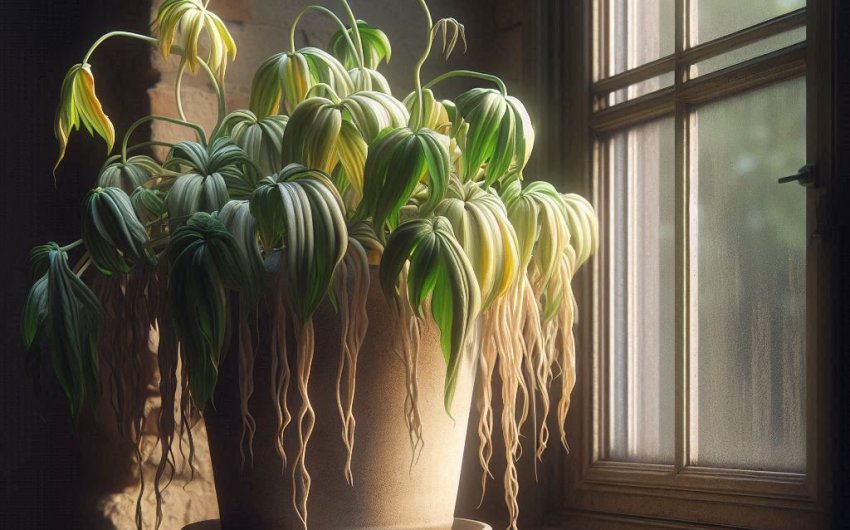
Understanding what are the signs that my indoor plants need more light is a fundamental skill for any houseplant enthusiast. Light is arguably the most crucial factor for a plant's survival and growth, as it fuels photosynthesis—the process by which plants convert light energy into food. While many common houseplants are adaptable, providing insufficient light will inevitably lead to a decline in their health and vigor, manifesting in distinct visual cues. Learning to interpret these silent signals from your plants allows you to make timely adjustments, ensuring they thrive rather than merely survive. This comprehensive guide will explore the tell-tale indicators of inadequate light and offer practical solutions to illuminate your indoor green companions.
Why is light so important for indoor plants?
Light is the single most critical factor for a plant's survival, much like food is for humans. Understanding its role helps explain why inadequate light causes so many problems.
What is photosynthesis?
- Plant's food factory: Photosynthesis is the process where plants use light energy to convert carbon dioxide and water into glucose (sugar), which is their food, and oxygen.
- Light as fuel: Without sufficient light, photosynthesis slows down or stops, and the plant essentially "starves."
How do different light levels affect plants?
- Bright Direct Light: Unfiltered sunlight, typically from a south-facing window. Ideal for cacti, succulents, and some flowering plants.
- Bright Indirect Light: Bright light that is filtered (e.g., through sheer curtains) or comes from a nearby window but doesn't hit the plant directly. Ideal for most common houseplants like Monstera, Pothos, Philodendron.
- Medium Indirect Light: Less intense light, often a few feet away from a bright window or from an east/west-facing window. Tolerated by many, but may limit growth.
- Low Light: Very limited natural light, far from windows or in north-facing rooms. Only a few plants truly "thrive" in low light; most merely survive.
What happens when plants don't get enough light?
When a plant is light-deprived, it begins to conserve energy and stretches itself to find more light, leading to a cascade of observable symptoms.
- Reduced photosynthesis: Less food production.
- Weakened growth: Overall lack of vigor.
- Increased susceptibility: More prone to pests and diseases due to stress.
- Stunted new growth: New leaves and stems are smaller and weaker.
What are the most common visual signs of insufficient light?
Your plants will send clear signals when they're not getting enough light. Learning to recognize these visual cues is the first step to correcting the problem.
1. Leggy or Stretched Growth (Etiolation)
This is one of the most classic and obvious signs.
- Appearance: Stems become noticeably elongated, thin, and stretched out, with large gaps between leaves (nodes). The plant appears "spindly" rather than compact and bushy.
- Why it happens: The plant is desperately reaching or "stretching" itself towards any available light source. It tries to grow taller quickly to escape the shade.
- Examples: Pothos, Philodendron, ZZ Plant, Succulents, most herbs.
- Fix: Move the plant to a brighter location. You may need to prune back the leggy growth to encourage bushier new growth from the base (the leggy stems will not become compact again).
2. Smaller New Leaves
- Appearance: New leaves emerging are noticeably smaller than older, mature leaves on the same plant.
- Why it happens: The plant doesn't have enough energy (from photosynthesis) to produce full-sized leaves. It conserves resources.
- Examples: Monstera, Philodendron, Fiddle Leaf Fig, Pothos.
- Fix: Increase light intensity. Ensure other conditions (water, nutrients) are also met, as these can also cause smaller leaves, but light is a primary factor.
3. Fading or Dull Color (Lack of Vibrancy)
- Appearance: Leaves that should be vibrant green become pale green or yellowish. Variegated leaves may lose their distinct patterns, becoming mostly green.
- Why it happens: The plant is producing less chlorophyll (the green pigment responsible for photosynthesis) to conserve energy. For variegated plants, the plant attempts to maximize chlorophyll production by reducing the non-green areas.
- Examples: Peace Lily, Pothos 'Marble Queen', Monstera, Calathea, Spider Plant.
- Fix: Move the plant to a brighter spot. Ensure you're not overwatering, which can also cause yellowing.
4. Drooping Leaves Without Wilting (No Signs of Thirst)
- Appearance: Leaves hang limply or droop downwards, but the soil is moist, and the leaves don't feel soft or wilted as they would with underwatering.
- Why it happens: The plant lacks the energy to maintain turgor pressure (the internal water pressure that keeps leaves firm) or is positioning its leaves to maximize light absorption.
- Examples: Peace Lily (though often wilts from thirst, can droop from low light over time), many leafy tropical plants.
- Fix: While drooping often signals underwatering, if the soil is wet, it can be a sign of insufficient light. Try increasing light and checking soil drainage.
5. Failure to Flower (for Flowering Plants)
- Appearance: The plant is healthy, but it simply refuses to produce buds or flowers, even during its typical blooming season.
- Why it happens: Flowering is an energy-intensive process. If a plant isn't getting enough light to produce abundant energy for basic growth, it certainly won't have enough for flowering.
- Examples: Peace Lily, African Violets, Orchids, Christmas Cactus.
- Fix: Move to a brighter location (but avoid scorching direct sun). Ensure proper fertilization during the growing season.
6. Leaves Turning Yellow and Dropping (Especially Older Ones)
- Appearance: Older leaves, often at the bottom of the plant, turn yellow and eventually fall off. This can look similar to overwatering.
- Why it happens: The plant is reabsorbing nutrients and energy from older leaves to support new growth, essentially sacrificing them due to insufficient overall energy production.
- Examples: Fiddle Leaf Fig, Pothos, Philodendron.
- Fix: Increase light. Also, ensure you're not overwatering, which is another common cause of yellowing and dropping leaves. Check soil moisture before watering.
7. Growth Stunted or Extremely Slow
- Appearance: Overall very slow or no new growth for an extended period, even during the plant's active growing season.
- Why it happens: The plant isn't producing enough energy to fuel growth. It's essentially in a survival mode.
- Examples: Almost all houseplants.
- Fix: Evaluate all aspects of care, but light is a primary consideration for growth.
8. Plant Leaning Towards a Light Source
- Appearance: The entire plant visibly bends or leans significantly in one direction, towards the nearest window or light source.
- Why it happens: This is a clear demonstration of phototropism, the plant's innate tendency to grow towards light.
- Examples: Most houseplants, especially those that are not regularly rotated.
- Fix: Rotate the plant regularly (e.g., weekly) to encourage even growth, and consider moving it closer to the light source.
How do you assess light levels in your home?
Before making changes, understand the light conditions you currently have.
What is the "hand test"?
- Method: Place your hand a few inches above where your plant sits, observing the shadow it casts.
- Bright Direct: A sharp, well-defined shadow. (Too intense for most houseplants).
- Bright Indirect: A soft, blurred shadow. (Ideal for most).
- Medium Indirect: A barely visible shadow. (Okay for some, but may limit growth).
- Low Light: No discernible shadow. (Only for truly low-light tolerant plants).
What are window orientations and their light qualities?
- North-facing window (Northern Hemisphere): Provides consistent, low, indirect light. Good for low-light tolerant plants.
- East-facing window: Receives gentle morning sun. Bright indirect to medium light. Often ideal for many houseplants.
- South-facing window (Northern Hemisphere): Receives the most intense direct light throughout the day. Best for sun-loving plants; requires filtering for most others.
- West-facing window: Receives hot afternoon sun. Similar to south-facing but can be more intense. Requires filtering for most plants.
What factors can reduce light?
- Curtains/Blinds: Even sheer curtains reduce light.
- Dirty windows: Accumulate dust and grime, blocking light.
- Overhanging trees/buildings: Can cast significant shade.
- Time of year: Winter months have shorter days and lower sun angles.
- Dust on plant leaves: Can block stomata and reduce light absorption.
How do you provide more light for your indoor plants?
Once you've identified the need for more light, there are several effective strategies.
1. Relocate your plants
- Move closer to windows: This is the simplest and often most effective solution.
- Consider seasonal moves: Move plants closer to windows in winter and further away or to shadier spots in summer if light becomes too intense.
- Rotate plants: Turn them regularly (e.g., weekly) so all sides receive light evenly, preventing leaning.
2. Clean up for better light penetration
- Clean windows: Regularly clean your windows inside and out.
- Dust plant leaves: Gently wipe dust off plant leaves with a damp cloth or give plants a quick shower. Dust can block pores and reduce light absorption. Consider a leaf shine spray for glossy-leaved plants.
3. Utilize supplemental lighting (Grow Lights)
For consistently dark spaces or to boost plant health, grow lights are invaluable.
- Types:
- LED Grow Lights: Most energy-efficient, long-lasting, and produce little heat. Available in various forms (strip lights, bulbs, panels). Look for "full-spectrum" LEDs, which mimic natural sunlight. A small LED grow light for houseplants can make a big difference.
- Fluorescent Lights: (e.g., T5 or T8 bulbs). Less efficient than LED but still effective.
- Placement: Position grow lights a few inches to a foot above your plants, depending on the light's intensity and the plant's specific needs.
- Timer: Use a light timer to provide a consistent photoperiod, typically 10-14 hours per day, mimicking natural daylight hours. Avoid leaving lights on 24/7, as plants need a dark period.
4. Optimize your space
- Reflective surfaces: Place plants near white walls or mirrors, which can help reflect and amplify available light.
- Open up blinds/curtains: Maximize natural light entry during the day.
- Prune nearby outdoor foliage: If outdoor trees or shrubs are blocking significant light, consider pruning them (if they are on your property).
By diligently observing your plants for these key indicators and taking proactive steps to increase light, you'll ensure your beloved indoor greenery remains vibrant, healthy, and thriving, transforming guesswork into confident indoor plant care.