
How Can I Encourage Flowering in Indoor Plants?
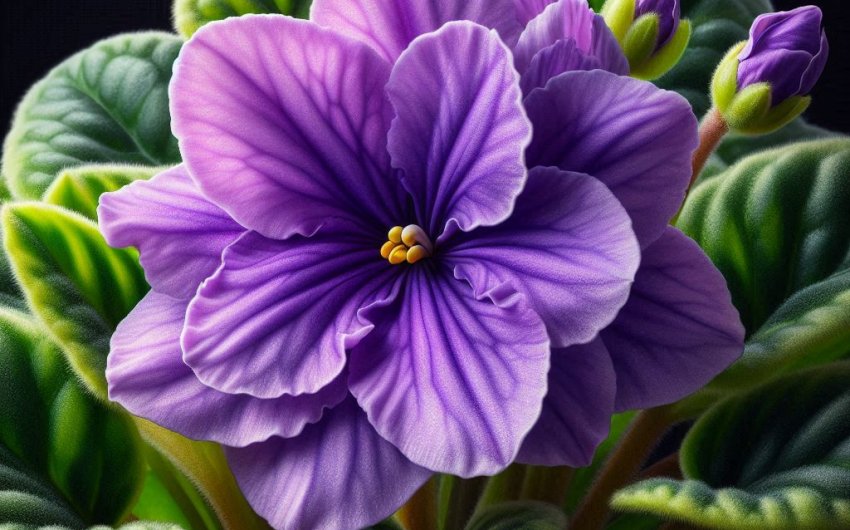
For many indoor plant enthusiasts, the ultimate reward is a vibrant display of blooms, yet getting houseplants to flower consistently can sometimes feel like a mystery. Learning how can I encourage flowering in indoor plants involves understanding the specific needs of each species and providing the ideal conditions that mimic their natural environment. From optimizing light and nutrients to managing temperature and humidity, a holistic approach to plant care is key to coaxing your green companions into a spectacular floral show.
Why Don't My Indoor Plants Flower?
It's a common frustration: your indoor plant looks healthy with lush green leaves, but it simply refuses to produce any blooms. This usually happens because one or more crucial conditions aren't being met, preventing the plant from initiating its flowering cycle.
- Insufficient Light: This is, by far, the most common reason for a lack of flowers. Flowering requires a significant amount of energy, and plants primarily get this energy from light through photosynthesis. If light is too low, the plant focuses solely on producing leaves to gather more light, neglecting flower production.
- Improper Fertilization: Too much nitrogen (which promotes leafy growth) and not enough phosphorus and potassium (which support flowering and fruiting) can lead to a lush but bloom-less plant.
- Incorrect Watering: Both overwatering and underwatering stress the plant, causing it to focus on survival rather than reproduction (flowering). Consistently damp or dry soil inhibits proper nutrient uptake and overall plant health.
- Lack of Dormancy/Rest Period: Many flowering plants require a specific period of cooler temperatures, reduced light, or drier conditions (a "rest" or "dormancy" period) to signal them that it's time to prepare for flowering. Without this, they may never bloom.
- Age/Maturity: Some plants need to reach a certain age or size before they are mature enough to flower. A young plant might simply not be ready yet.
- Pot Size: Being either too root-bound or in too large a pot can hinder flowering. Root-bound plants might be stressed, while plants in overly large pots might put all their energy into developing roots rather than flowers.
- Humidity: Many tropical flowering plants require higher humidity to thrive and flower well. Dry indoor air can stress them and prevent blooming.
- Pest or Disease Stress: An ongoing battle with pests or disease will drain a plant's energy, leaving little left for flower production.
Addressing these common issues is the first step in learning how can I encourage flowering in indoor plants.
How Does Light Affect Flowering?
Light is the single most critical factor in stimulating flower production in most indoor plants. It provides the energy necessary for the plant to develop buds and sustain blooms. Without adequate light, a plant will prioritize vegetative (leafy) growth.
Quantity of Light
The overall intensity and duration of light directly impact a plant's ability to flower.
- Bright, Indirect Light: Most indoor flowering plants prefer bright, indirect light. This means a spot near a sunny window (south or west-facing in the Northern Hemisphere, north or east-facing in the Southern Hemisphere), but slightly set back or diffused by sheer curtains to prevent scorching.
- Insufficient Light = No Flowers: If a plant isn't getting enough light, it will prioritize producing more leaves to try and capture what little light is available. It simply won't have the energy reserves to form flowers. Signs of insufficient light include leggy growth, pale leaves, and a complete lack of buds.
- Too Much Direct Light (for some): While some plants crave direct sun, others can get scorched. Sunburn manifests as brown, crispy patches on leaves. Stressed plants won't flower. Know your plant's specific needs.
Quality/Spectrum of Light
Different light wavelengths play roles in different plant processes, including flowering.
- Full Spectrum: Plants need a full spectrum of light (red, blue, green, etc.) for optimal growth. Natural sunlight provides this.
- Blue Light: Important for vegetative growth (leaves and stems).
- Red Light: Crucial for flowering and fruiting.
- Grow Lights: If natural light is insufficient, grow lights for indoor plants can provide the necessary intensity and spectrum. Look for full-spectrum LED grow lights, or those with a higher ratio of red light, to encourage blooming. Position them according to the plant's needs and the light's intensity.
Photoperiod (Light Duration)
Some plants are sensitive to the length of daylight hours, known as photoperiod, to initiate flowering.
- Long-Day Plants: Flower when daylight hours are long (e.g., in summer).
- Short-Day Plants: Flower when daylight hours are short (e.g., in fall/winter). Christmas Cactus is a classic example of a short-day plant that also requires a period of cool temperatures and reduced watering.
- Day-Neutral Plants: Flower regardless of day length, as long as other conditions are met.
- Mimicking Natural Cycles: For photoperiod-sensitive plants, you might need to adjust their exposure to light to mimic their natural cycles (e.g., giving Christmas Cactus 12-14 hours of uninterrupted darkness for 6-8 weeks in fall). Using a grow light timer can help manage this.
By carefully assessing and providing the right quantity, quality, and duration of light, you are taking the most significant step in how can I encourage flowering in indoor plants.
How Does Nutrition (Fertilizing) Impact Flowering?
Just as important as light, proper nutrition plays a critical role in supporting a plant's energy-intensive flowering process. The right balance of macronutrients is key, especially phosphorus.
Understanding N-P-K Ratios
Fertilizers are labeled with three numbers, representing the percentage of nitrogen (N), phosphorus (P), and potassium (K). Each plays a different role.
- Nitrogen (N): Promotes lush, green, vegetative (leafy) growth. Too much nitrogen can cause a plant to focus all its energy on leaves, resulting in no flowers.
- Phosphorus (P): Crucial for flower and fruit development, root growth, and overall plant maturity.
- Potassium (K): Supports overall plant health, disease resistance, and robust growth, contributing indirectly to flowering.
Choose the Right Fertilizer
For flowering indoor plants, you'll generally want a fertilizer with a lower first number (N) and higher middle (P) and third (K) numbers.
- Bloom Boosters: Look for bloom-boosting fertilizers specifically designed for flowering plants, often with ratios like 1-3-2, 2-7-7, or similar. These emphasize phosphorus and potassium.
- Balanced Fertilizers: A general-purpose balanced fertilizer (e.g., 20-20-20) can be used for overall health, but may not be ideal for encouraging blooms if used exclusively or at full strength.
- Organic Options: Organic plant fertilizers like bone meal (high in P) or worm castings (balanced nutrients) can also support flowering over time.
Fertilizing Schedule
Timing and concentration are just as important as the fertilizer type.
- During Growing Season: Fertilize actively growing plants (usually spring and summer) according to the product's instructions. This is when they need the most nutrients for growth and flowering.
- Reduce/Stop in Dormancy: During fall and winter, when most plants are dormant or growing slowly, reduce or stop fertilization. Over-fertilizing a dormant plant can lead to nutrient burn or root damage.
- Dilution: When in doubt, it's always better to use a diluted solution (e.g., half strength) more frequently than a full-strength solution less often. Over-fertilizing can damage roots and prevent flowering.
- Water Before Fertilizing: Always water your plant thoroughly before applying liquid fertilizer to prevent root burn.
Micronutrients and pH
Don't forget the supporting cast of nutrients and the soil's acidity.
- Micronutrients: Plants also need trace amounts of micronutrients (e.g., iron, zinc, manganese). Most quality complete fertilizers include these.
- Soil pH: The pH level of your potting mix affects nutrient availability. Most houseplants prefer a slightly acidic to neutral pH (6.0-7.0). If the pH is too high or too low, nutrients might be "locked up" and unavailable to the plant, even if present in the soil. A soil pH test kit can help identify issues.
By providing the correct nutritional support, you equip your plants with the energy needed to produce those beautiful blooms, a crucial part of how can I encourage flowering in indoor plants.
How Do Temperature and Humidity Influence Blooms?
Temperature and humidity play supporting but essential roles in encouraging indoor plants to flower. Mimicking the climate of their native habitats can often trigger blooming cycles.
Temperature Requirements
Many flowering plants have specific temperature preferences, and some even require a temperature drop to initiate flowering.
- Consistent Temperatures During Growth: Most indoor flowering plants prefer consistent daytime temperatures, typically between 65-75°F (18-24°C) during their active growing phase. Avoid sudden temperature fluctuations, cold drafts, or extreme heat.
- Cooler Temperatures for Dormancy/Bud Set: This is a crucial trick for many popular flowering houseplants, such as the Christmas Cactus, Amaryllis, Cyclamen, and some Orchids. A period of cooler night temperatures (often 50-60°F / 10-16°C) for several weeks can trigger bud formation. This mimics their natural seasonal cues.
- Avoid Extremes: Don't place flowering plants near cold drafts from windows or doors in winter, or too close to heat vents, as this can stress them and cause bud blast (buds falling off before opening).
Humidity Levels
Most indoor flowering plants originate from tropical or subtropical regions where humidity is naturally high. Dry indoor air can stress them and prevent blooming.
- High Humidity Preference: Many plants, especially those with thin or delicate leaves, will struggle to flower in low humidity. Low humidity can cause leaves to crisp, buds to shrivel, or flowers to drop prematurely.
- Ways to Increase Humidity:
- Humidifier: The most effective way to increase ambient humidity is with a plant humidifier.
- Pebble Trays: Place pots on a tray filled with pebbles and water, ensuring the pot sits above the water level. As the water evaporates, it increases local humidity around the plant.
- Grouping Plants: Grouping plants together creates a microclimate with slightly higher humidity as plants release moisture through transpiration.
- Misting (Limited Effect): While often recommended, misting provides only a very temporary increase in humidity. It can be useful for plants that enjoy it, but it's not a substitute for consistent humidity. Avoid misting plants with fuzzy leaves (e.g., African Violets) as it can lead to fungal spots.
By providing the correct temperature ranges and maintaining adequate humidity levels, you are creating an optimal environment that encourages your indoor plants to put forth their best blooms, a vital aspect of how can I encourage flowering in indoor plants.
How Does Watering and Potting Affect Flowering?
Proper watering and appropriate pot size are foundational elements of plant health, and when done correctly, they significantly contribute to a plant's ability to flower. Incorrect practices in these areas can easily stress a plant and prevent blooming.
Watering Practices
Both overwatering and underwatering are detrimental to flowering, as they stress the root system and inhibit nutrient uptake.
- Avoid Overwatering (Most Common Mistake): Consistently soggy soil suffocates roots, leading to root rot. Damaged roots cannot absorb water and nutrients, which are essential for flowering. Signs of overwatering often include yellowing leaves, mushy stems, and a lack of vigor. Always check soil moisture before watering.
- Avoid Underwatering: Allowing the soil to become bone dry for extended periods also stresses the plant, causing wilting, crispy leaves, and a general decline in health. A stressed plant will not flower.
- Water Thoroughly: When you do water, water deeply until water drains from the bottom of the pot. This ensures the entire root ball is moistened. Discard any excess water from the saucer to prevent the plant from sitting in standing water.
- Drying Between Waterings: For most flowering plants, allow the top inch or two of soil to dry out between waterings. Succulents and cacti need to dry out almost completely. Use a moisture meter or the finger test.
Pot Size and Repotting
The size of the pot and when you repot can greatly influence flowering.
- Don't Overpot: Placing a small plant in an excessively large pot can hinder flowering. The plant will focus its energy on developing a root system to fill the large amount of soil, rather than producing flowers.
- Root-Bound for Flowering (Sometimes): Many flowering plants (e.g., Peace Lilies, Christmas Cacti, African Violets) actually flower best when they are slightly root-bound. This slight stress encourages them to switch from vegetative growth to reproductive (flowering) growth.
- Repot When Necessary: Repot only when the plant is truly root-bound (roots circling the pot, growing out of drainage holes, or drying out very quickly). When repotting, only go up one pot size (e.g., from a 6-inch to an 8-inch pot) to avoid overpotting.
- Good Drainage: Always use pots with drainage holes to prevent waterlogging, which is essential for healthy roots and, consequently, healthy flowering.
By mastering these fundamental watering techniques and understanding the nuances of pot size, you create a robust foundation for your plants to bloom, making these critical steps in how can I encourage flowering in indoor plants.
What Are Other Tips and Tricks to Encourage Flowering?
Beyond the major factors of light, nutrition, temperature, humidity, watering, and potting, several other practical tips and specific techniques can coax stubborn indoor plants into blooming. These strategies often mimic natural stresses or cycles that trigger flower production.
Provide a Dormancy/Rest Period
Many flowering plants require a period of reduced activity to recharge and prepare for blooming.
- Reduced Water: During dormancy (usually fall/winter), reduce watering frequency. Allow the soil to dry out more thoroughly between waterings.
- Cooler Temperatures: Provide a cooler environment, often around 50-60°F (10-16°C), for a few weeks or months, depending on the plant. This is crucial for Christmas cacti, amaryllis, cyclamen, and some orchids.
- Reduced Light (for some): Some plants benefit from slightly reduced light during dormancy.
- Stop Fertilizing: Do not fertilize a plant during its dormant period.
Pruning and Deadheading
Strategic pruning can redirect a plant's energy towards flower production.
- Deadhead Spent Blooms: Remove faded or dead flowers (deadheading). This prevents the plant from expending energy on seed production and redirects that energy into producing more blooms. Use clean, sharp pruning snips.
- Prune for Shape/Health: Pruning leggy or unruly growth can encourage bushier new growth, which often leads to more flowering points. Ensure cuts are made above a leaf node or branch.
Mimic Natural Stress
Sometimes, a little "tough love" can encourage a plant to flower, as it perceives environmental stress as a signal to reproduce.
- Slightly Root-Bound Conditions: As mentioned, many plants flower best when their roots are slightly snug in their pot. Avoid over-repotting.
- Short Periods of Dryness (for some): For certain plants (like some types of succulents or epiphytes), allowing the soil to dry out a bit more than usual for a short period before resuming regular watering can sometimes stimulate blooming. Always research your specific plant before trying this.
Provide Good Air Circulation
Stagnant air can contribute to fungal issues and generally doesn't create an ideal environment for plant health or blooming.
- Avoid Overcrowding: Give your plants enough space for air to circulate freely around them.
- Gentle Airflow: A small, oscillating fan can help if your indoor air is very still.
Consider Plant Age and Maturity
Patience is sometimes the best trick of all.
- Young Plants: Very young plants may not be mature enough to flower yet, even if all other conditions are perfect. Give them time to establish themselves.
- Mature Plants: Older, well-established plants generally have more energy reserves and are more likely to flower consistently.
By combining foundational care with these specific tips and tricks, you are employing a comprehensive strategy on how can I encourage flowering in indoor plants, setting the stage for a burst of beautiful blooms.