
What is the Ideal Humidity Level for Indoor Plants?
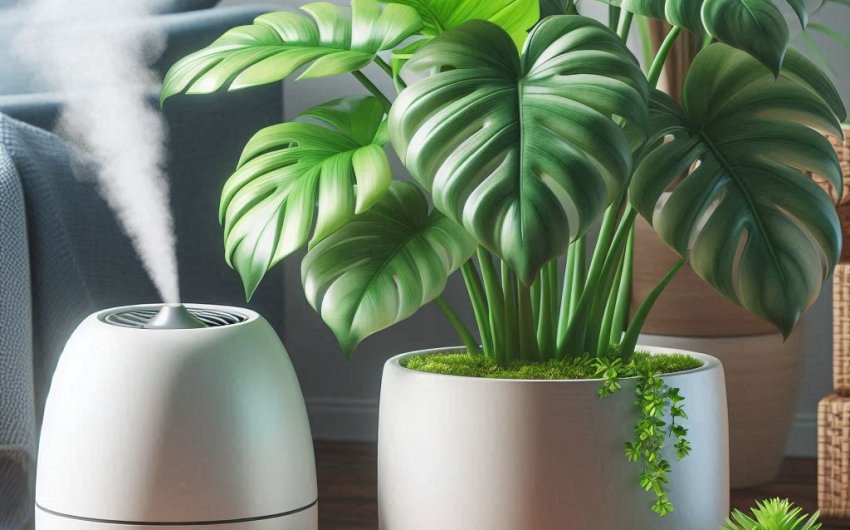
Understanding what is the ideal humidity level for indoor plants is a cornerstone of successful houseplant care, especially for those beautiful tropical specimens that bring lush greenery into our homes. While often overlooked, the moisture in the air plays a vital role in a plant's ability to thrive, impacting everything from leaf health to growth vigor. This guide will delve into why humidity matters and how to effectively manage it for your beloved indoor garden.
Why is Humidity Important for Indoor Plants?
Humidity, or the amount of moisture in the air, profoundly impacts how indoor plants function and survive. It's often a missing piece of the puzzle for houseplant owners, especially for species that originate from tropical and subtropical regions.
How Does Humidity Affect Plant Health?
The primary way humidity affects plants is through a process called transpiration, where plants release water vapor from their leaves.
- Transpiration Regulation: Plants absorb water through their roots and release it through tiny pores on their leaves called stomata. This process, transpiration, creates a "pull" that draws water and nutrients up from the roots. In dry air, plants transpire (lose water) too quickly, as the surrounding air "pulls" moisture out of their leaves very rapidly.
- Preventing Dehydration: When air humidity is too low, plants lose water faster than their roots can absorb it, leading to dehydration. This causes symptoms like crispy leaf edges, wilting, and overall stress.
- Nutrient Uptake: Adequate humidity supports efficient transpiration, which in turn facilitates the uptake of water and nutrients from the soil. When transpiration is inhibited by very dry air, nutrient uptake can also be affected.
- Leaf Health and Turgor: Sufficient humidity helps maintain the turgor pressure (internal water pressure) within plant cells, keeping leaves firm, plump, and vibrant. In dry conditions, leaves can become limp and shriveled.
- Pest Deterrence: Some common houseplant pests, like spider mites, thrive in dry, low-humidity environments. Maintaining adequate humidity can make your plants less appealing to these particular pests, though it won't deter all.
- New Leaf Development: For many tropical plants, high humidity aids in the unfurling of new leaves, preventing them from sticking or tearing.
What are Signs of Low Humidity in Plants?
Recognizing the symptoms of insufficient humidity is the first step in addressing the issue and improving your plant's environment.
- Crispy or Brown Leaf Edges/Tips: This is one of the most common and telltale signs. The edges and tips of leaves dry out and turn brown, often becoming brittle. This happens because the plant loses moisture faster than it can replace it.
- Wilting or Drooping Leaves (with moist soil): If your plant is wilting but the soil is still moist, low humidity could be the culprit, as the plant struggles to maintain turgor pressure.
- Stunted or Slowed Growth: Plants under humidity stress may grow more slowly and produce smaller leaves.
- Leaves Curling Inward: Some plants curl their leaves inward to reduce the surface area exposed to dry air, minimizing water loss.
- Failure of New Leaves to Unfurl: New leaves may struggle to unfurl, sometimes sticking together or tearing as they try to open. This is particularly noticeable on plants like Monstera deliciosa or calatheas.
- Increased Pest Activity: A sudden increase in pests like spider mites could be an indicator that your air is too dry, creating a favorable environment for them.
- Overall Dull Appearance: The plant might simply look less vibrant and healthy than it should.
What is the Ideal Humidity Level for Most Indoor Plants?
While individual plant needs vary, there's a general range that suits a wide variety of common houseplants, especially those with tropical origins. Knowing this range helps you create a beneficial environment.
What is the General Humidity Range for Most Houseplants?
Most common houseplants, including popular tropical varieties, thrive in a moderate to high humidity range.
- Average Indoor Humidity (Dry): Many homes, especially during winter months with heating systems running, have indoor humidity levels as low as 20-30%. This is often too dry for tropical plants.
- Comfortable Range for Humans: Most humans are comfortable in a humidity range of 30-50%.
- Ideal for Most Tropical Plants: For the majority of your tropical houseplants (e.g., Pothos, Philodendron, ZZ Plant, Prayer Plant, Ferns, Fiddle Leaf Fig), an ideal humidity range is generally considered to be 40% to 60%.
- High Humidity Lovers: Some plants, like many ferns (e.g., Maidenhair Fern) or true rainforest plants (e.g., some Orchids, Calatheas, Stromanthe, Begonias), prefer even higher humidity, often 60% to 80% or more. These plants are usually the first to show signs of stress in dry air.
- Low Humidity Tolerant (Succulents/Cacti): Plants like succulents and cacti, native to arid regions, prefer very low humidity and can be harmed by excessively humid conditions, which can lead to fungal issues or rot.
- Monitoring Humidity: To accurately measure the humidity in your home, use a hygrometer. Many modern digital thermometers also include a humidity sensor.
How Do Different Plant Types Prefer Humidity?
Understanding the origins of your plants can give you clues about their preferred humidity levels.
- Tropical Plants (High Humidity - 50-80%+):
- Examples: Many ferns (Maidenhair, Boston, Bird's Nest), Calatheas, Marantas (Prayer Plants), Stromanthes, Begonias, Orchids (especially Phalaenopsis), Alocasias, Anthuriums.
- Native Habitat: Understory of rainforests, where light is dappled and air is consistently moist.
- Symptoms in Low Humidity: Rapidly browning/crisping edges, stunted growth, new leaves failing to unfurl, increased spider mites.
- General Houseplants (Moderate Humidity - 40-60%):
- Examples: Pothos, Philodendron, ZZ Plant, Snake Plant, Dracaena, Fiddle Leaf Fig, Peace Lily, Monstera.
- Native Habitat: Wide range of tropical and subtropical environments. While they prefer humidity, they can tolerate average indoor levels better than the high-humidity lovers.
- Symptoms in Low Humidity: Slower onset of crispy tips, reduced overall vigor, less lush appearance.
- Arid/Desert Plants (Low Humidity - Below 40%):
- Examples: Most Cacti, many Succulents (e.g., Echeveria, Sedum, Aloe, Sansevieria/Snake Plant, Jade Plant).
- Native Habitat: Deserts and dry regions with very low rainfall and humidity.
- Symptoms in High Humidity: Can lead to fungal issues, stem rot, or root rot due to prolonged moisture on leaves or in soil.
How Can You Increase Humidity for Indoor Plants?
If your indoor environment is too dry for your plants, several effective methods can help raise the humidity around them. Some offer more significant and consistent results than others.
What are Effective Methods to Raise Humidity?
These methods provide more substantial and reliable increases in localized or general humidity.
- Humidifier: This is by far the most effective way to consistently raise the overall humidity in a room or a specific plant area. A room humidifier for plants can maintain desired humidity levels. Look for cool-mist humidifiers and keep them clean to prevent mold.
- Pebble Trays: Place your plant pot on a pebble tray filled with water. Ensure the bottom of the pot does not sit in the water, as this can lead to root rot. As the water evaporates, it increases the humidity directly around the plant. This creates a small humid microclimate.
- Grouping Plants Together: Plants naturally release moisture through transpiration. Grouping several humidity-loving plants together can create a mini-ecosystem where the collective transpiration raises the localized humidity.
- Terrariums or Cloches: For very high-humidity loving plants or delicate specimens, a closed terrarium or a glass cloche creates a self-contained, high-humidity environment.
- Bathroom or Kitchen Placement: These rooms typically have higher ambient humidity due to water usage (showers, cooking). Placing humidity-loving plants in these areas can be beneficial, provided they also get adequate light.
What Methods are Less Effective or Have Limitations?
Some commonly suggested methods offer only temporary or minimal humidity benefits.
- Misting: While popular, misting your plants with a plant mister spray bottle provides a very temporary increase in humidity (it evaporates quickly). It can also leave water spots on leaves or encourage fungal issues if water sits on foliage for too long, especially on fuzzy-leaved plants. It's generally not recommended as a primary humidity solution.
- Wet Sponges/Bowls of Water: Placing a bowl of water near a plant will slightly increase localized humidity as the water evaporates, but the effect is often minimal compared to a humidifier or pebble tray for larger plants.
- Leaving Water in Saucer: Never leave your plant sitting in a saucer full of water for extended periods. While it seems like it would increase humidity, it will almost certainly lead to root rot. Always empty excess water from the saucer.
How Do Temperature and Airflow Affect Humidity?
Humidity levels are not isolated; they interact closely with temperature and airflow, both of which can impact your plant's overall well-being and your efforts to maintain ideal humidity.
How Does Temperature Influence Humidity Needs?
Temperature plays a crucial role in how quickly moisture evaporates and how plants transpire.
- Warmer Air Holds More Moisture: Hotter air can hold more water vapor than colder air. This means that if your home is consistently warm, the relative humidity might be lower, even if the absolute amount of water vapor is stable.
- Increased Transpiration in Warmth: Plants transpire more rapidly in warmer temperatures. If the air is warm and dry, this increased transpiration rate can quickly lead to dehydration and stress for humidity-loving plants.
- Winter Heating Systems: During winter, heating systems (furnaces, radiators) dry out the air considerably, as cold outside air brought in and heated dramatically drops in relative humidity. This is why plants often suffer from dry air symptoms in winter.
- Avoid Extreme Temperature Fluctuations: Consistent temperatures within the plant's ideal range (typically 65-80°F or 18-27°C for most houseplants) are best. Sudden drops or spikes can stress plants and impact their ability to regulate moisture.
Why is Airflow Important with Humidity?
Good airflow is a delicate balance when managing humidity; too little can cause problems, while too much can dry out your plants.
- Prevents Fungal Diseases: High humidity combined with stagnant air is a breeding ground for fungal diseases like powdery mildew or various leaf spots. Good air circulation prevents water droplets from lingering on leaves and discourages fungal growth.
- Avoid Stagnant Air: In humid environments, still air can create a damp, unhealthy microclimate around plants, making them more susceptible to rot and diseases.
- Promotes Evaporation (Balance): While good airflow can help evaporate excess moisture from the soil surface (preventing overwatering), too much direct draft or constant air movement (like from a strong fan) can dry out the plant's leaves too quickly, counteracting your humidity efforts.
- Placement: Avoid placing plants directly in the path of vents, air conditioners, or strong fans, as these create drying drafts.
- Gentle Circulation: Aim for gentle air circulation. Opening a window occasionally (if outside humidity is not too low), or using a small, oscillating fan on a low setting pointed away from the plants, can provide beneficial airflow without drying out the foliage too much. A small oscillating fan for plants can be useful in a plant-heavy room.
Understanding what is the ideal humidity level for indoor plants transforms your approach to plant care, turning guesswork into informed action. By accurately measuring your home's humidity and employing the right techniques to meet your plants' needs, you'll cultivate a thriving, vibrant indoor jungle where every leaf unfurls with healthy vitality, demonstrating your mastery of environmental plant care.