
Can I Grow Succulents Indoors, and How Should I Care for Them?
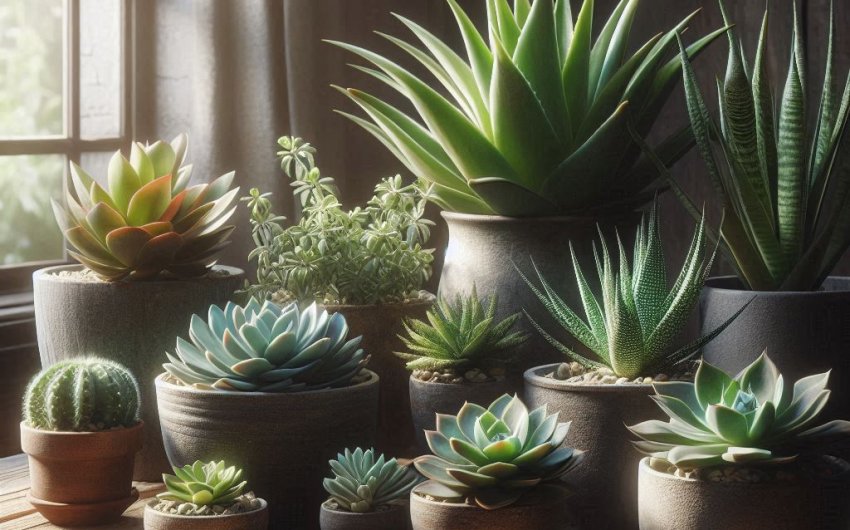
Are you curious about the possibility of cultivating resilient, water-storing plants within your home, and seeking guidance on their optimal upkeep? Many enthusiasts wonder, "Can I grow succulents indoors, and how should I care for them?" The answer is a resounding yes! These fascinating plants, known for their ability to thrive in harsh, dry environments, can flourish beautifully indoors with the right conditions and a little attentive care, adding a unique aesthetic to any living space.
What Are Succulents and Why Are They Popular Indoors?
Succulents are a diverse group of plants that have developed special ways to store water in their leaves, stems, or roots, allowing them to survive in arid conditions. This water-storing ability often gives them a plump, fleshy appearance. They are popular indoors due to their striking variety of shapes, colors, and textures, as well as their reputation for being low-maintenance.
What Do Indoor Succulents Need to Thrive?
For indoor succulents to thrive, they need specific conditions that mimic their natural desert or semi-desert habitats. The most critical elements are ample sunlight, the right soil mix, proper watering techniques, good air circulation, and protection from extreme temperatures. Meeting these core needs will ensure your succulents remain healthy and vibrant.
How Much Light Do Indoor Succulents Need?
Light is arguably the most crucial factor for indoor succulents. They need a lot of bright, direct sunlight—ideally at least 6 hours per day. A south-facing window is usually best. If they don't get enough light, succulents can etiolate, meaning they stretch out, become leggy, and lose their vibrant colors as they search for light. If natural light isn't enough, a grow light for succulents can be very helpful.
What is Etiolation in Succulents?
Etiolation is a condition where succulents stretch out unnaturally, with increased spacing between their leaves along the stem. This happens when they are not receiving enough light and are "reaching" for a light source. Etiolated succulents become weak, leggy, and often lose their compact shape and intense colors. It's a clear sign your plant needs more light.
What is the Best Soil for Indoor Succulents?
The best soil for indoor succulents is a well-draining mix that prevents water from sitting around the roots. Regular potting soil holds too much moisture. Look for a mix specifically designed for cacti and succulents, or create your own by amending standard potting soil with materials like perlite, pumice, or coarse sand.
Why is Drainage So Important for Succulent Soil?
Drainage is paramount for succulent soil because their roots are extremely prone to rot if they sit in wet conditions for too long. In their natural habitats, water quickly drains away after rainfall. Recreating this fast-draining environment indoors is vital to prevent root rot and ensure healthy growth. Always use pots with drainage holes.
What is a Good Succulent Soil Mix?
A good succulent soil mix typically consists of about 50% regular potting soil and 50% gritty amendments. These amendments can include perlite, pumice, or coarse sand (like horticultural sand, not play sand). This combination ensures both adequate nutrient retention and rapid drainage, mimicking their natural environment. You can purchase cactus and succulent potting mix directly.
How Often Should I Water My Indoor Succulents?
Knowing how often to water your indoor succulents is the most critical part of their care, and it's where most beginners go wrong (usually by overwatering!). The golden rule is to water thoroughly only when the soil is completely dry. This might mean once every 2-4 weeks, or even longer, depending on the season, light, and humidity. Always err on the side of underwatering rather than overwatering. Use a soil moisture meter for succulents if you are unsure.
What is the "Soak and Dry" Method?
The "soak and dry" method is the recommended watering technique for succulents. This involves watering until water drains out of the bottom of the pot, ensuring the entire root ball is saturated. Then, you let the soil dry out completely, often for several days or weeks, before watering again. This mimics their natural rainfall patterns.
How Do Seasons Affect Watering Frequency?
Seasons greatly affect watering frequency for indoor succulents. During their active growing season (usually spring and summer), they need more frequent watering. In their dormant period (often fall and winter, especially with less indoor light), they need significantly less water, sometimes just once a month or even less, as their metabolic rate slows down.
What Type of Pots are Best for Succulents?
The best type of pots for succulents are those that promote good drainage and airflow. Unglazed terracotta pots are often preferred because they are porous and allow excess moisture to evaporate from the sides, helping the soil dry out faster. Whatever material you choose, ensuring the pot has at least one good drainage hole at the bottom is non-negotiable.
Why are Terracotta Pots Recommended?
Terracotta pots are highly recommended for succulents because their unglazed, porous nature allows for excellent air circulation to the roots and faster evaporation of water from the soil. This helps prevent the dreaded root rot that succulents are so susceptible to. They also tend to be heavier, offering stability for larger plants. You can find many sizes of terracotta pots with drainage holes.
Do Indoor Succulents Need Fertilizer?
Generally, indoor succulents do not need much fertilizer. They are not heavy feeders and can become leggy if over-fertilized. If you choose to fertilize, do so sparingly during their active growing season (spring and summer) with a diluted low-nitrogen liquid fertilizer specifically formulated for cacti and succulents, usually at half or quarter strength.
How Do I Propagate Indoor Succulents?
Propagating indoor succulents is one of the most rewarding aspects of growing them, and it's surprisingly easy! Most succulents can be propagated from a single leaf or stem cutting. Simply allow the cutting to callus (dry and form a scab) for a few days before placing it on or in well-draining soil.
How to Propagate from Leaves?
To propagate succulents from leaves, gently twist a healthy, plump leaf off the stem. Make sure the entire leaf, including the base where it connects to the stem, comes off cleanly. Lay the leaves on top of dry, well-draining succulent soil in a tray. Over several weeks, tiny roots and then a new plantlet will emerge from the base of the leaf. A succulent propagation mat can help.
How to Propagate from Stem Cuttings?
To propagate from stem cuttings, use clean scissors or a sharp knife to cut a section of the stem, usually a few inches long, just below a leaf node. Remove any bottom leaves. Allow the cutting to callus for 2-5 days (or longer for larger, juicier stems) to prevent rot. Then, stick the callused end into dry, well-draining succulent soil. Roots will form within a few weeks.
What is Callusing in Succulent Propagation?
Callusing is a crucial step in succulent propagation. It's the process where the cut end of a leaf or stem forms a dry, protective scab. This scab prevents the cutting from absorbing too much water and rotting before it has a chance to root. Always allow cuttings to callus for a few days to a week, depending on their size and moisture content, before planting.
What Are Common Problems with Indoor Succulents?
Even with careful attention, you might encounter common problems with indoor succulents. These usually stem from issues with watering or light. Recognizing the signs early can help you correct the issue before it causes lasting damage to your beloved plants.
What are Signs of Overwatering?
Signs of overwatering in succulents include mushy, translucent, or yellowing leaves that might drop off easily. The stem may also feel soft and mushy, indicating root rot. If you see these signs, immediately stop watering, remove affected leaves, and allow the plant to dry out completely. If rot is severe, you may need to repot after inspecting roots.
What are Signs of Underwatering?
Signs of underwatering in succulents include shrivelled, wrinkled, or puckered leaves. The leaves may feel soft and appear deflated, or they might turn dry and crispy. While less immediately dangerous than overwatering, consistent underwatering will eventually stress and kill the plant. A good soak usually revives an underwatered succulent.
How to Deal with Pests on Indoor Succulents?
The most common pests on indoor succulents are mealybugs and aphids. Mealybugs look like tiny white cottony masses, often in leaf axils. Aphids are small green or black insects clustered on new growth. Treat them by gently wiping them off with a cotton swab dipped in rubbing alcohol or using an insecticidal soap for houseplants. Inspect regularly to catch them early.
How Do I Choose the Right Succulent Varieties for Indoors?
When choosing the right succulent varieties for indoors, consider your available light and how much space you have. Some succulents are more tolerant of lower light than others, though all prefer bright conditions. Popular and relatively easy indoor succulents include Echeveria, Haworthia, Gasteria, Crassula (like Jade plants), and certain Sedum varieties.
What are Low-Light Tolerant Succulents?
While all succulents prefer bright light, some are more low-light tolerant than others, making them better choices for less-than-ideal indoor conditions. These include Sansevieria (snake plant), ZZ Plant (though technically not a succulent, it has similar care needs), Haworthia, and Gasteria. Even these will appreciate a brighter spot if possible.
What About Air Circulation for Indoor Succulents?
Air circulation is often overlooked but important for indoor succulents. Good airflow helps the soil dry out faster after watering, which is vital for preventing root rot. It also helps prevent fungal issues on the plant's surface. Ensure your succulents aren't crammed too close together and consider using a small fan in humid environments if needed.
When Should I Repot My Indoor Succulent?
You should repot your indoor succulent when it becomes root-bound (roots are circling the pot), or when it has simply outgrown its current container and you want it to grow larger. Generally, repotting every 1-2 years is a good schedule to refresh the soil. Always repot into a pot that is only slightly larger than the previous one, and always use fresh, well-draining succulent soil.
How Do I Ensure My Succulents Get Enough Winter Care?
Ensuring your succulents get enough winter care is crucial, as this is often their dormant period indoors. Reduce watering significantly, only watering when the soil is bone dry and the plant shows signs of thirst. Provide as much light as possible, perhaps moving them closer to a south-facing window or using a grow light, to prevent etiolation. Protect them from cold drafts.
What is Succulent Dormancy?
Succulent dormancy is a period of reduced growth and metabolic activity, similar to hibernation in animals. Many succulents go dormant in winter due to shorter days and cooler temperatures, especially indoors. During dormancy, they require significantly less water and fertilizer. Some succulents are summer dormant, but most popular indoor varieties are winter dormant.
By understanding these essential care requirements, you can confidently answer the question, can I grow succulents indoors, and how should I care for them, transforming your living space with these unique and beautiful plants.