
How to Establish and Maintain a No-Mow Lawn?
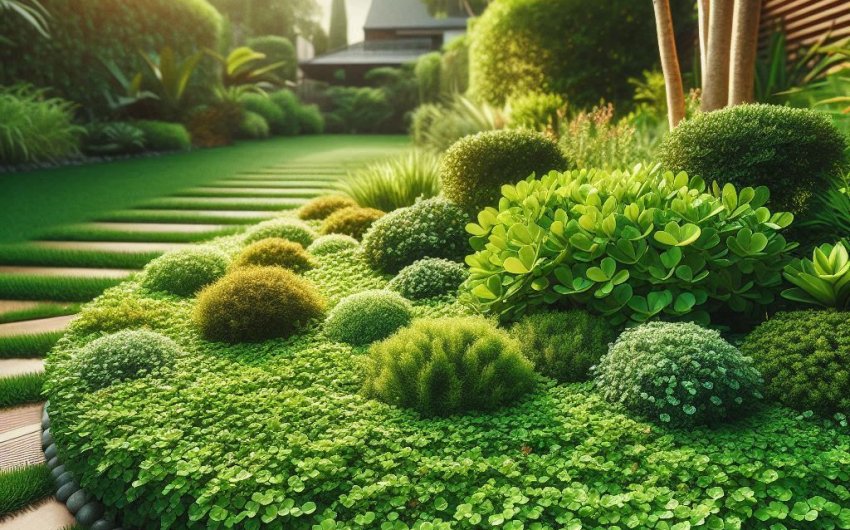
The familiar hum of a lawnmower, the smell of freshly cut grass, and the endless cycle of trimming and edging are deeply ingrained in our idea of a perfect lawn. But what if you could have a beautiful, green carpet that requires significantly less work, water, and fuel? The concept of a no-mow lawn is gaining popularity for good reason. It offers a refreshing alternative to the traditional turfgrass, promising less maintenance, more environmental benefits, and a different kind of natural beauty.
A no-mow lawn isn't about letting your yard go wild; it's about choosing specific grass mixes or groundcovers that naturally grow to a desirable height, or require only occasional mowing. This approach can save you countless hours of weekend chores, reduce your water bill, and provide valuable habitat for pollinators. If you're dreaming of reclaiming your weekends and embracing a more sustainable landscape, establishing and maintaining a no-mow lawn might be the perfect solution for your home. We'll explore everything you need to know to create this low-fuss, eco-friendly oasis.
What is a No-Mow Lawn and Why Choose One?
A no-mow lawn is a landscape area planted with specific grass varieties or groundcovers that grow to a naturally low, aesthetic height, eliminating the need for frequent mowing associated with traditional turfgrass. It's a key component of low-maintenance landscaping.
What Defines a No-Mow Lawn?
- Low Growth Habit: The plants chosen for a no-mow lawn are inherently shorter growing than traditional lawn grasses (like Kentucky Bluegrass or Perennial Ryegrass) that are bred for regular, short cuts.
- Reduced Mowing: While called "no-mow," many varieties may still benefit from 1-3 mowings per year, usually in spring or fall, to tidy them up or remove spent seedheads. Some truly require no mowing.
- Different Aesthetic: A no-mow lawn has a softer, wavier, more naturalistic appearance than a rigidly manicured lawn. It often looks like a flowing meadow or a dense carpet.
- Specific Plant Mixes: Typically created using a blend of fine fescues, sedges, or other low-growing plants.
Why Choose a No-Mow Lawn Over Traditional Turf?
The benefits of a no-mow lawn are numerous, spanning environmental, economic, and personal advantages.
- Significantly Reduced Maintenance: This is the biggest draw.
- Less Mowing: Saves countless hours of weekend chore time.
- Less Edging/Trimming: As it grows naturally, it often requires less precise edging.
- Less Fertilizing: Many no-mow mixes are adapted to lean soils and require minimal or no synthetic fertilizer.
- Water Conservation:
- Drought Tolerance: Many no-mow mixes are inherently drought-tolerant due to deep root systems. They typically require much less supplemental watering than traditional turfgrass once established.
- Environmental Benefits:
- Reduced Emissions: No mowing means no gas fumes or electricity consumption from mowers and trimmers.
- Pollinator Habitat: The flowers of some no-mow grasses or interspersed groundcovers (like clover) provide valuable food sources for bees and other pollinators.
- Increased Biodiversity: Supports a wider range of beneficial insects and soil organisms.
- Reduced Chemical Use: Less need for synthetic fertilizers, herbicides, and pesticides.
- Carbon Sequestration: Healthy, undisturbed soil with deep roots (common in no-mow lawns) can sequester more carbon.
- Cost Savings:
- Less Fuel/Electricity: No mower operation costs.
- Lower Water Bills: Reduced irrigation.
- Fewer Products: Less money spent on fertilizers, herbicides, or pesticides.
- Unique Aesthetic: Provides a softer, more natural, meadow-like look that can be very appealing, especially in modern and naturalistic landscape designs.
- Erosion Control: The deep root systems of many no-mow grasses are excellent for stabilizing slopes and preventing soil erosion.
A no-mow lawn is a conscious choice to create a beautiful, eco-friendly, and truly low-maintenance landscape that gives you back your time while benefiting the planet.
What Are the Best Plants for a No-Mow Lawn?
The success of your no-mow lawn hinges on choosing the right plant species. The best options are those that naturally grow low, spread well, and thrive in your specific climate.
What are Fine Fescues?
Fine fescues are the most common and versatile choice for no-mow lawns, especially in cool-season grass regions. They are a group of various fescue species.
- Characteristics:
- Low Growth: They have very thin, delicate blades and naturally grow to a height of 6-12 inches (15-30 cm) without mowing, forming a soft, flowing texture.
- Drought Tolerance: Excellent drought tolerance due to deep root systems.
- Shade Tolerance: Many fine fescues are more tolerant of partial shade than other lawn grasses.
- Low Nutrient Needs: Adapted to lean soils, requiring minimal fertilizer.
- Common Varieties in No-Mow Mixes:
- Creeping Red Fescue (Festuca rubra): Spreads via rhizomes, forming a dense turf.
- Chewings Fescue (Festuca rubra ssp. commutata): Bunch-type, good for density.
- Hard Fescue (Festuca trachyphylla): Very tough and drought-tolerant.
- Sheeps Fescue (Festuca ovina): Good for dry, poor soils.
- Best For: Cool-season climates (USDA Zones 3-7). Full sun to partial shade.
- Seed Mixes: Look for specific "No-Mow Lawn Seed Mix" or "Fine Fescue Mix" that contains a blend of these fescue types.
What About Native Grasses for No-Mow Lawns?
For warm-season climates or specific ecological benefits, native grasses are an excellent choice.
- Characteristics: Adapted to local climates and soils, supporting local wildlife. Often provide fall/winter interest.
- Common Varieties:
- Buffalograss (Bouteloua dactyloides): A low-growing, drought-tolerant warm-season grass native to the Great Plains. Turns straw-colored in winter. Needs full sun. Grows 4-10 inches tall. You can find Buffalograss Seed.
- Sedge species (Carex spp.): Many native sedges are grass-like but can tolerate more shade and sometimes moister conditions. They form graceful clumps.
- Blue Grama (Bouteloua gracilis): Another low-growing prairie grass with unique, attractive seedheads.
- Best For: Warm-season climates (Buffalograss). Specific regional adaptations for other native grasses/sedges.
What About Groundcovers as No-Mow Lawn Alternatives?
For very small areas or specific effects, some low-growing groundcovers can serve as no-mow lawn alternatives.
- Clover (White Clover, Microclover):
- Benefits: Stays low (4-8 inches), fixes nitrogen (acting as a natural fertilizer), tolerates some drought, and attracts pollinators (bees). Often mixed with fine fescues.
- Considerations: Can be slippery, bees might be a concern if you walk barefoot, can look weedy to some. Microclover Seed is a smaller, less aggressive variety.
- Creeping Thyme (Thymus serpyllum):
- Benefits: Very low-growing (2-4 inches), fragrant, drought-tolerant, great for between stepping stones or small sunny areas.
- Considerations: Not suitable for heavy foot traffic, more of a "groundcover lawn" than a true grass.
- Moss: For deeply shady, consistently moist areas where grass struggles, moss can be a beautiful, truly no-mow, and low-traffic alternative.
Choosing the right plant mix, specifically adapted to your climate and sun conditions, is the first and most critical step in establishing a successful no-mow lawn.
How Do You Establish a No-Mow Lawn?
Establishing a no-mow lawn requires careful preparation, similar to a traditional lawn, but with attention to specific details that support its unique growth habit.
Step 1: Site Preparation - Remove Existing Lawn
This is the most critical step to ensure your no-mow grass mix isn't competing with aggressive turfgrass or weeds.
- Solarization: For large, sunny areas, cover the existing lawn with clear plastic sheeting during the hottest months (6-8 weeks). The sun's heat "cooks" and kills the grass and weed seeds. You can use a durable Clear Plastic Sheeting.
- Sheet Mulching (Lasagna Gardening): Layer cardboard directly over the grass, then add layers of organic materials (compost, straw, leaves). This smothers grass and weeds, slowly building soil. Takes 3-6 months.
- Digging Out/Sod Cutter: Manually remove the existing turf using a shovel or a rented Sod Cutter. This provides immediate bare soil.
- Herbicides (Least Eco-Friendly): A non-selective herbicide can kill the existing lawn, but it's not ideal for an eco-friendly approach. If used, follow instructions carefully and allow ample time for it to dissipate.
Step 2: Improve Soil Health
No-mow lawns generally thrive in lean soils, but they still benefit from good soil structure.
- Soil Test: It's always a good idea to do a Garden Soil Test Kit to understand your soil's pH and nutrient levels.
- Amend with Organic Matter: Incorporate a 1-2 inch layer of compost into the top 4-6 inches of soil. This improves drainage, aeration, and adds slow-release nutrients without making the soil too rich. Avoid over-fertilizing with synthetic products.
- Leveling: Rake the area smooth, removing any large clumps or debris. Create a slight slope away from your house for proper drainage.
Step 3: Seeding Your No-Mow Lawn
- Timing: The best time to seed is usually in fall for cool-season fescues (late August to early October), or late spring/early summer for warm-season native grasses like Buffalograss. This ensures optimal germination and establishment.
- Sowing Rate: Follow the seed manufacturer's recommendations for sowing rate. No-mow mixes often have lower rates than traditional lawn seed. Use a Broadcast Spreader for even distribution.
- Seed-to-Soil Contact: Gently rake the seeds into the top 1/4 inch of soil, or lightly roll the area with a Lawn Roller to ensure good seed-to-soil contact.
- Cover (Optional): For sloped areas or to deter birds, you can lightly cover the seed with a very thin layer of straw mulch (Straw Mulch for Lawns) or a permeable germination blanket.
Step 4: Initial Watering (Crucial!)
- Constant Moisture: This is the most critical part of establishment. Keep the top 1-2 inches of soil consistently moist until germination occurs and the seedlings are established (usually 3-4 weeks). This often means light watering 1-3 times per day.
- Gentle Spray: Use a very gentle sprinkler (like a misting nozzle or an oscillating sprinkler on a gentle setting) to avoid washing away the seeds.
Establishing a no-mow lawn takes patience in the first few months, but once the plants are established, the rewards of reduced maintenance begin.
How Do You Maintain a No-Mow Lawn?
The beauty of a no-mow lawn is that "maintenance" primarily means a hands-off approach. However, there are still a few key tasks to ensure its long-term health and aesthetic appeal.
What are the Mowing Requirements?
- Occasional "Mowing" (or none): While called "no-mow," many fine fescue mixes benefit from 1-3 mowings per year.
- Spring (Optional): A high mow in spring (e.g., 4-6 inches) can tidy up winter dormancy, encourage new growth, and remove any remaining seedheads.
- Fall (After Seedheads): A high mow after the grass has produced its seedheads and they begin to look shaggy can tidy the lawn and spread seeds.
- Blade Height: Always set your mower blades to their highest possible setting (usually 3-4 inches or more) if you do mow.
- No Mowing at All: If you prefer a completely untouched look, some mixes (especially certain sedges or Buffalograss) truly require no mowing, allowing them to take on a natural, flowing meadow appearance.
- Equipment: A regular walk-behind mower can be used for occasional high mowing, or consider a Manual Reel Mower for a quieter, greener approach.
What are the Watering Needs?
- Established Drought Tolerance: Once established (typically after the first full growing season), most no-mow lawn mixes are highly drought-tolerant. They develop deep root systems that can tap into deeper soil moisture.
- Minimal Supplemental Water: You should rarely need to water an established no-mow lawn, usually only during prolonged periods of extreme drought.
- Signs of Thirst: Look for dull, bluish-green color, or footprints remaining in the grass. When you do water, water deeply and infrequently.
Do No-Mow Lawns Need Fertilizing?
- Minimal or No Fertilizer: No-mow lawn mixes are adapted to lean soils and perform best with minimal or no synthetic fertilizer.
- Compost: The best "fertilizer" is an occasional (e.g., once a year in fall or spring) light top-dressing of Organic Compost. This provides gentle, slow-release nutrients and improves soil health without encouraging excessive growth.
- Avoid High-Nitrogen: High-nitrogen synthetic fertilizers can encourage aggressive growth, potentially leading to flopping or an appearance you don't desire.
How Do You Manage Weeds in a No-Mow Lawn?
Weed control is the main ongoing challenge, especially during establishment.
- Initial Suppression: Thorough site preparation is crucial (Step 1 of Establishment).
- Density: As the no-mow mix establishes and thickens, it will naturally suppress many weeds.
- Hand Weeding: For emerging weeds, hand-pulling is the preferred method, especially for perennial weeds. Do this regularly when weeds are small. A Hand Weeder Tool is useful.
- Spot Treatment (Optional): For stubborn weeds, a targeted organic spot treatment (like horticultural vinegar, carefully applied) can be used, but generally avoid broadleaf herbicides that would kill your no-mow mix or any beneficial clover.
- Embrace Some Weeds: In a truly eco-friendly no-mow lawn, a few native weeds or patches of clover can be tolerated or even seen as beneficial for biodiversity.
What About Pests and Diseases?
- Natural Resistance: No-mow lawns are often more resilient to pests and diseases than traditional turfgrass because they are less stressed, have deeper roots, and encourage beneficial insects.
- Avoid Chemicals: By avoiding synthetic pesticides, you protect natural predators that help manage pest populations.
- Healthy Soil: A healthy soil ecosystem (nurtured by compost) also helps suppress disease.
Maintaining a no-mow lawn is about intelligent neglect. By providing the right conditions initially and intervening only when necessary, you can enjoy a beautiful, verdant landscape that demands significantly less time and resources, truly embodying the spirit of sustainable and low-maintenance landscaping.
What are Creative Applications and Considerations for a No-Mow Lawn?
A no-mow lawn offers more than just reduced maintenance; it opens up possibilities for creative garden design and provides additional environmental benefits. Thinking beyond the traditional "green carpet" allows you to maximize its potential.
What are Areas Where a No-Mow Lawn Excels?
- Slopes and Hillsides: The deep root systems of fine fescues and native grasses are exceptional at stabilizing soil on slopes, preventing erosion where traditional turf often struggles. This is a primary functional benefit of a no-mow lawn.
- Areas Difficult to Mow: Under large trees (where typical mowers might get stuck or where tree roots are shallow), around garden ornaments, or along irregular borders. A no-mow lawn eliminates the need for tricky maneuvering with heavy machinery.
- Aesthetic Zones: Use no-mow lawn for specific areas where you want a softer, more natural, meadow-like appearance, perhaps leading to a wilder garden space or surrounding a seating area.
- Out-of-the-Way Areas: For parts of your yard that don't receive heavy foot traffic but still need a neat, green covering, a no-mow lawn is ideal.
- Rain Gardens and Bioswales: While not typically "mowed," the principles of using native, low-growing grasses and groundcovers are often employed in these water-wise landscape features.
How to Define and Edge a No-Mow Lawn?
Because of its softer, flowing appearance, clearly defining the edges of a no-mow lawn is crucial to prevent it from looking messy or encroaching into adjacent garden beds or pathways.
- Crisp Edging: Use a crisp, sharp edge against paved surfaces (driveways, sidewalks). A string trimmer with an edging function or a manual edger can be used periodically for this. You can use an Electric String Trimmer with Edger for clean lines.
- Physical Barriers: Install a physical barrier like metal, plastic, or stone landscape edging (Landscape Edging Rolls) to clearly separate the no-mow lawn from flower beds.
- Mowed Path: If your no-mow lawn is large, you can mow a short, winding path through it to create visual interest and allow for easy navigation. This combines two aesthetics.
What About Integrating Other Plants?
- Wildflower Mixes: For a true meadow effect, you can interseed a Native Wildflower Seed Mix with your no-mow lawn grasses. This enhances biodiversity, attracts more pollinators, and adds seasonal color.
- Bulbs: Plant spring-flowering bulbs (daffodils, crocuses) directly into the no-mow lawn. Their blooms will appear before the grasses get tall, and the dying foliage will be hidden by the growing grass.
- Strategic Shrubs/Perennials: Use larger native shrubs or perennials (like coneflowers or ornamental grasses) at the edges or within the no-mow lawn to create focal points and transition areas.
What are the Benefits for Wildlife and Pollinators?
- Food Source: The flowers of fine fescues, clovers, and native grasses provide nectar and pollen for a variety of pollinators, especially bees. The seedheads provide food for birds in fall and winter.
- Shelter and Habitat: The slightly taller, denser growth offers shelter for small beneficial insects and overwintering sites for some pollinators.
- Reduced Chemical Use: By eliminating synthetic fertilizers and pesticides, you create a safer environment for all wildlife.
What is the "Ecosystem Services" Contribution?
A no-mow lawn contributes to various ecosystem services:
- Stormwater Management: The dense root systems and improved soil infiltration help absorb rainwater, reducing runoff and potentially lessening the burden on stormwater systems.
- Carbon Sequestration: Healthier, undisturbed soil with deep roots is more effective at storing carbon from the atmosphere, contributing to climate change mitigation.
- Air Quality: Reduces air pollution from gas mowers.
Establishing a no-mow lawn is a long-term investment in your landscape that offers continuous returns in reduced labor, lower costs, and significant environmental benefits. It's a way to cultivate a garden that is not only beautiful but also truly sustainable and harmonious with nature.