
What Are the Key Considerations for Lawn Care in Historical or Heritage Gardens?
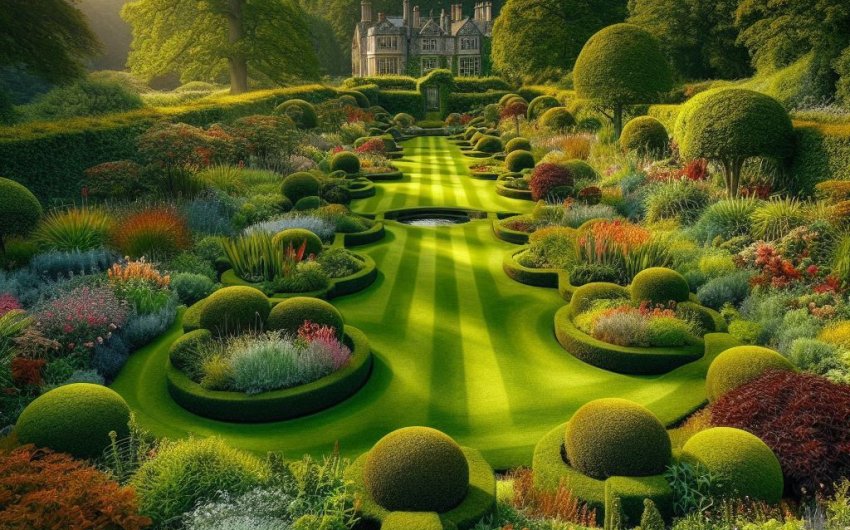
Caring for a lawn within a historical or heritage garden presents a unique set of challenges and responsibilities. Unlike modern landscapes that prioritize pristine, uniform turf, these venerable spaces demand an approach that respects their past, preserves their original character, and adapts to the nuances of aged ecosystems. It's a delicate balance between maintaining historical authenticity and ensuring the health and longevity of the turf.
The lawns in these gardens are more than just green carpets; they are integral parts of the overall design, guiding visitors' eyes, providing open space, and reflecting the gardening styles of bygone eras. Understanding the specific historical context, the existing plant material, and the unique environmental conditions of such a site is paramount. This guide will delve into the key considerations for nurturing a lawn that honors its heritage while thriving in the present.
What is the Historical Context of Lawn Care?
Understanding the historical context of lawn care is paramount when working with heritage gardens. Lawns, as we know them today, have evolved significantly over centuries, and their appearance and maintenance practices varied greatly depending on the era and region. A truly authentic approach to a historical lawn considers these past methods rather than imposing modern standards.
How Did Lawns Evolve Through History?
- Medieval Period: Lawns as we know them were not common. "Lawns" were often simply areas of closely cropped grass, sometimes mixed with wildflowers and herbs, kept short by grazing animals (sheep, rabbits) or scythed by hand. They were primarily functional, providing clearings or pathways, rather than ornamental showpieces. The idea of a uniform, monoculture lawn was non-existent.
- Renaissance Gardens (15th-17th Century): With the rise of formal gardens in Italy and later France, lawns became more ornamental. They were often precisely shaped, geometrical panels, integrated into intricate parterres (ornamental garden beds with gravel paths). Grass was still cut by scythes, limiting how short or uniform it could be. Uniformity was sought but difficult to achieve.
- 18th Century - English Landscape Movement: This era saw a significant shift towards more naturalistic, sweeping landscapes, particularly in England. Large, undulating lawns became central features, designed to flow seamlessly into the surrounding countryside. These "clumps and belts" landscapes, famously designed by Capability Brown, relied on extensive grassed areas maintained by scythes or, eventually, early horse-drawn mowers. The ideal was a smooth, uninterrupted green expanse.
- 19th Century - Industrial Revolution & Mower Invention: The invention of the lawn mower (by Edwin Budding in 1830) revolutionized lawn care. This allowed for much shorter, more uniform cuts, making the manicured lawn accessible to more people. This period saw the rise of the Victorian garden, with its emphasis on pristine, bowling-green-like lawns around homes. This is often the era people think of when they imagine "historical lawns."
- Early 20th Century to Present: Further advancements in mowers (gas-powered), irrigation, and chemical fertilizers led to the modern, highly manicured, often monoculture (single grass type) lawn that requires significant inputs to maintain.
How Does Historical Context Inform Modern Care?
When caring for a lawn in a heritage garden, this historical progression means:
- Authenticity over Perfection: The goal is often authenticity, not modern perfection. A lawn from the 18th century would not have looked as uniform or weed-free as a 21st-century golf green. Tolerating a certain level of diversity (some clover, daisies) might be more historically accurate.
- Original Intent: Research the specific garden's history. What type of lawn was intended? Was it a large, informal expanse or a tightly clipped parterre? This dictates mowing height, grass species, and maintenance intensity.
- Tools and Techniques: While using scythes might be impractical for large areas, understanding historical tools informs an appreciation for the appearance they produced. This might influence your choice of mower (e.g., a reel mower for a very short, crisp cut on a Victorian-era lawn).
- Grass Species: The grass species used would have been what was locally available and adaptable, not necessarily the specific cultivars chosen for modern lawns. Old lawns might be a mix of common bentgrass, fescues, and other species.
By immersing yourself in the historical context of lawn care, you can cultivate a lawn in a heritage garden that is not only healthy but also genuinely reflects the design intentions and horticultural practices of its era. This adds an invaluable layer of depth and meaning to the landscape.
What Grass Species are Best for Heritage Lawns?
Selecting the right grass species for a heritage lawn is a critical decision, as it heavily influences the authenticity and maintainability of the turf. Modern turf blends are often designed for uniform, highly manicured looks with intense inputs, which may not align with the historical appearance or practical realities of an older garden. The goal is to choose grasses that might have been historically present or that offer a similar look and texture with sustainable care.
Characteristics of Historically Appropriate Grasses:
- Finer Blades: Historically, lawns were often made up of finer-bladed grasses, which allowed for a more "carpet-like" appearance when scythed or early-mowed.
- Tolerance for Lower Inputs: Prior to the widespread use of synthetic fertilizers and pesticides, grasses had to be more resilient and able to thrive with less intervention.
- Mixture of Species: True historical lawns were rarely monocultures. They were often a mix of grass species, sometimes with clover, daisies, or other low-growing plants intermixed. This diversity actually makes the lawn more resilient and self-sufficient.
- Cool-Season Dominance: In temperate regions, cool-season grasses would have been dominant.
Common Grass Species for Heritage Lawns:
Bentgrass (Agrostis spp.):
- Description: Fine-bladed, dense, and tolerant of low mowing heights. Often seen on old bowling greens and golf courses. Can be challenging to maintain.
- Types: Colonial bentgrass (Agrostis capillaris) is a good choice for a heritage lawn; it's less demanding than creeping bentgrass and provides a dense, fine turf that was historically common in temperate climates.
- Considerations: Requires more frequent mowing if kept very short. Can be prone to thatch.
Fine Fescues (Festuca spp.):
- Description: Very fine-bladed, deep green, and highly tolerant of shade and poor soil conditions. They form a dense, low-maintenance turf that doesn't require high inputs. They were often components of older grass mixes.
- Types: Creeping red fescue, chewings fescue, and hard fescue are good choices.
- Considerations: Not ideal for heavy traffic. Excellent for more naturalistic, less manicured heritage lawns, especially in shady areas.
Kentucky Bluegrass (Poa pratensis):
- Description: Forms a dense, attractive sod with good color. It spreads by rhizomes, allowing it to self-repair. Was and remains a common turfgrass.
- Considerations: Requires more water and nitrogen than fescues if you want that lush, deep green. Historically, it might have been part of a mix rather than a monoculture.
Perennial Ryegrass (Lolium perenne):
- Description: Establishes quickly and has good wear tolerance. Often used in mixes.
- Considerations: Can be coarser than bentgrass or fine fescues. Might be used for areas needing quick establishment or high traffic within a heritage context.
Incorporating Other Elements:
- Clover (Trifolium repens): White clover was a common component of historical lawns before the advent of broadleaf herbicides.
- Benefits: It's a nitrogen-fixer (reduces need for fertilizer), drought-tolerant, soft underfoot, and beneficial to pollinators.
- Authenticity: Including white clover often provides a more historically accurate look for lawns from the 19th century or earlier. You can buy lawn clover seed to incorporate.
- Wildflower/Low-Growing Mixes: For more informal or earlier historical period lawns, consider including low-growing wildflowers or a mix of grasses and broadleaf plants that would have been kept short by grazing animals or scything.
When selecting grass species for your heritage lawn, consider historical accuracy, desired appearance, and the practicalities of ongoing maintenance. A mix of fine fescues with some colonial bentgrass and even a touch of white clover might offer the best balance of authenticity, beauty, and sustainable care.
What Mowing Techniques Should You Use for Heritage Lawns?
Mowing techniques are particularly critical for heritage lawns, as they directly impact the appearance, health, and authenticity of the turf. Unlike modern lawns where uniform low cutting is the norm, historical mowing practices varied and were often less precise. Adapting your mowing approach to reflect the garden's era can enhance its historical integrity.
1. Mowing Height: Respecting History and Grass Health
- Research Historical Height: Investigate the typical mowing heights for the period your garden represents.
- Pre-Mower Era (Before 1830s): Lawns were often scythed, resulting in a height of several inches, often more uneven, and with wildflowers intermixed. If you're aiming for this look, you'd mow much higher (3-5 inches) and less frequently, possibly even with a flail mower for a more naturalistic cut.
- Victorian Era (Post-1830s): With the invention of the reel mower, much shorter, very manicured lawns became possible, sometimes as low as 1 inch or less for croquet lawns.
- Grass Type Matters: The optimal mowing height also depends on the grass species you've chosen. Fine fescues prefer to be mowed higher (2.5-3.5 inches), while bentgrass can tolerate very low cuts (0.5-1 inch) but demands frequent mowing.
- "As High As Possible": Even if you're aiming for a slightly shorter look for a later historical period, still try to mow "as high as possible" within the desired range for your chosen grass. Taller grass shades the soil, promotes deeper roots, and helps suppress weeds naturally.
2. Mowing Frequency: Consistency is Key
- The One-Third Rule: Regardless of your target height, never remove more than one-third of the grass blade at a single mowing. This is crucial for grass health.
- Varying Frequency: This means your mowing frequency will fluctuate with growth rate. In peak growing seasons (spring, fall), you might need to mow 2-3 times a week, especially if maintaining a very low height for a formal Victorian lawn. In summer or slower growth periods, it might be weekly or bi-weekly.
- Avoid Scalping: Scalping (cutting too much off at once) severely stresses the grass, turning it brown and making it vulnerable to disease and weeds.
3. Mower Type: Choosing the Right Tool for Authenticity and Effect
- Reel Mowers: For the classic, clean, scissor-like cut that defines manicured historical lawns (especially from the Victorian era onwards), a reel mower is ideal.
- Manual Reel Mowers: Perfect for very small, formal areas or an authentic feel. They are quiet and emit no pollution. A manual reel lawn mower can provide a very crisp cut.
- Powered Reel Mowers: For larger formal areas, gas or electric powered reel mowers are necessary. They achieve the lowest, most precise cuts.
- Rotary Mowers (Use with Caution): Standard rotary mowers tear grass blades, which can damage turf, especially if cut low. If you must use a rotary mower, ensure the blades are razor-sharp and set to the highest possible height. They are less suitable for truly formal heritage lawns.
- Scythe (for Authenticity on Select Areas): For extremely authentic pre-19th century areas or a demonstration space, a hand scythe could be used, but this requires skill and dedication.
4. Other Mowing Tips for Heritage Lawns:
- Sharp Blades: Always ensure your mower blades are razor-sharp. Dull blades bruise the grass, leaving ragged, brown tips that weaken the plant and increase disease susceptibility.
- Directional Mowing: Vary your mowing pattern (north-south one time, east-west the next) to prevent ruts and promote upright growth, giving a smoother appearance.
- Clippings: For most healthy heritage lawns, leaving grass clippings (grasscycling) is beneficial. They return nutrients and organic matter to the soil. Use a mulching mower if possible. However, if maintaining a very formal, pristine look, you may choose to bag clippings to prevent the appearance of debris, but be aware this removes nutrients from the system.
By carefully considering your mowing techniques, from height and frequency to mower type, you can authentically replicate the look of historical lawns while promoting the long-term health and sustainability of your heritage garden's turf.
How Can You Water and Irrigate Heritage Lawns?
Watering and irrigation in heritage gardens require a thoughtful approach that balances plant health with historical accuracy and sustainability. While modern lawns often rely on automated, frequent watering, older gardens might not have had sophisticated irrigation systems, and excessive watering can lead to problems like disease and shallow roots. The goal is efficient, needs-based watering that respects the historical context.
1. Understanding Historical Water Availability:
- Pre-Modern Irrigation: Before the widespread use of sprinklers, lawns relied heavily on natural rainfall. Hand watering (with buckets or watering cans) would have been laborious and reserved for stressed areas or newly planted features.
- Resilient Grasses: Historically, grass species that were naturally more drought-tolerant or could go dormant during dry spells would have been favored. This reinforces the need to select appropriate grass types.
- Minimalist Approach: The ethos of watering in many historical periods would have been more minimalist, relying on the grass's inherent resilience.
2. Smart, Sustainable Watering Practices:
The principles of sustainable watering apply strongly here, regardless of historical period.
- Deep and Infrequent Watering: This is the most effective strategy. When you water, do so long enough for the water to penetrate 4-6 inches into the soil. Then, wait until the grass shows signs of needing water again (dull color, footprints remain). This encourages deeper roots, making the lawn more drought-tolerant.
- Early Morning Watering: Water between 4:00 AM and 8:00 AM. This minimizes evaporation and allows the grass blades to dry before nightfall, which is crucial for preventing fungal diseases prevalent in heritage settings (due to older grass types or specific microclimates).
- Monitor Moisture: Don't just water on a schedule. Use a soil moisture meter or the "screwdriver test" (can you easily push a screwdriver 6 inches into the soil?) to determine actual soil moisture.
- Rain Gauges: Use a rain gauge to track natural rainfall. Adjust your irrigation based on recent precipitation.
3. Choosing Irrigation Methods for Heritage Sensitivity:
- Avoid Overly Modern Systems (Visually): If authenticity is paramount, visible modern pop-up sprinkler heads might be jarring. Consider:
- Hand Watering (for select areas): For small, highly visible or historically significant patches, hand watering with a hose and a gentle sprayer might be appropriate for a more hands-on, historical feel.
- Hidden Drip or Soaker Hoses: While more for garden beds, if sections of grass need targeted irrigation, consider burying drip lines for lawns or using soaker hoses under specific turf areas where they won't be visible.
- Temporary Sprinklers: For larger areas, oscillating or impact sprinklers can be used and removed after watering, minimizing their visual impact.
- Low Water Pressure: If replicating older irrigation styles, avoid very high-pressure spray that might appear anachronistic.
- Drainage: Ensure good drainage throughout the lawn. Older gardens may have subtle grading or drainage systems that need to be respected and maintained. Waterlogging can lead to disease.
4. Adapting to Drought and Stress:
- Dormancy Tolerance: Historically accurate grass types (like fine fescues) are often more tolerant of drought and can go dormant (turn brown) during dry periods, recovering when moisture returns. This natural dormancy should be accepted rather than fought with excessive irrigation, especially in drier climates.
- Prioritize Established Areas: Focus irrigation efforts on critical, highly visible areas, allowing less prominent or more naturalistic sections to dry out if water is limited.
- No Overhead Watering at Night: This cannot be stressed enough. Wet foliage overnight is the primary trigger for many fungal diseases, especially in older, more diverse turf.
By implementing these thoughtful watering and irrigation practices, you can ensure your heritage lawn remains healthy, visually appropriate for its historical period, and a testament to sustainable landscape stewardship.
How Do You Fertilize and Amend Soil in Heritage Lawns?
Fertilizing and amending soil in heritage lawns requires a delicate touch, prioritizing natural and gentle methods that support long-term soil health rather than relying on synthetic quick fixes. The goal is to nourish the soil ecosystem, mimicking historical practices where possible, and encouraging a resilient turf that aligns with the garden's past.
1. Embrace Organic Over Synthetic:
- Avoid Harsh Synthetics: Conventional synthetic fertilizers often provide a rapid surge of nutrients but can harm beneficial soil microbes, lead to nutrient runoff, and result in an unnaturally green, dependent lawn. This is generally incompatible with a heritage approach.
- Focus on Soil Biology: The aim is to feed the soil, not just the grass. Healthy soil, rich in organic matter and microbial life, naturally supplies nutrients to the grass over time.
- Organic Fertilizers: If supplementary feeding is needed, choose organic fertilizers. These are derived from natural sources (plant or animal) and release nutrients slowly as they are broken down by soil microbes. Look for organic lawn fertilizers that are balanced or have NPK ratios suitable for grass.
2. The Power of Organic Matter:
This is the cornerstone of sustainable and historically sensitive soil amendment.
- Compost Topdressing: Spreading a thin layer (1/4 to 1/2 inch) of high-quality compost over your lawn once or twice a year (spring and fall) is highly beneficial.
- Benefits: It adds a broad spectrum of slow-release nutrients, improves soil structure (better drainage in clay, better water retention in sand), introduces beneficial microorganisms, and helps with thatch breakdown.
- Application: Use a compost spreader or shovel and rake to get an even, thin layer.
- Grasscycling: As discussed in mowing, leaving grass clippings on the lawn returns valuable nitrogen and organic matter to the soil, acting as a free, natural fertilizer.
- Leaf Mulching: Chopping up fallen leaves with your mower and leaving them on the lawn in autumn provides a significant boost of organic matter and nutrients as they decompose.
3. Soil Testing and pH Management:
- Regular Soil Tests: Conduct a comprehensive soil test every few years. This is essential for understanding your soil's existing nutrient profile, pH, and organic matter content. It guides your amendment decisions, preventing over-application. Remember, a university extension soil test is the most accurate.
- Adjusting pH Gently: If the soil test reveals a pH outside the ideal range (typically 6.0-7.0 for most lawn grasses), amend it gradually.
- To raise pH (make more alkaline): Use lime (dolomitic or calcitic).
- To lower pH (make more acidic): Use elemental sulfur or incorporate acidic organic matter like peat moss. Always follow soil test recommendations for application rates. Drastic pH changes can harm soil life.
4. Aeration and Thatch Management:
- Aeration: Regularly aerating your lawn (core aeration is best) helps alleviate soil compaction, especially in high-traffic areas common in heritage gardens. It creates channels for air, water, and nutrients to penetrate deeper into the soil, promoting stronger roots and healthier turf. This is particularly important for older, potentially compacted soils. You can rent a core aerator.
- Thatch Management: Some older grass species or vigorous growing types (like bentgrass if used) can produce a thick thatch layer (a buildup of organic matter between the soil and grass blades). Excessive thatch can hinder water and nutrient penetration and harbor pests/diseases.
- Organic Matter: Healthy soil microbes encouraged by compost and grasscycling naturally help break down thatch.
- Dethatching (if necessary): If thatch is over 1/2 inch thick, a light dethatching (verticutting) might be needed in early fall or spring.
By focusing on organic fertilization, enriching the soil with organic matter, and managing pH and compaction through aeration, you can cultivate a resilient, beautiful, and historically authentic heritage lawn that thrives naturally for generations.