
How Do I Care for Air Plants (Tillandsia) Without Soil?
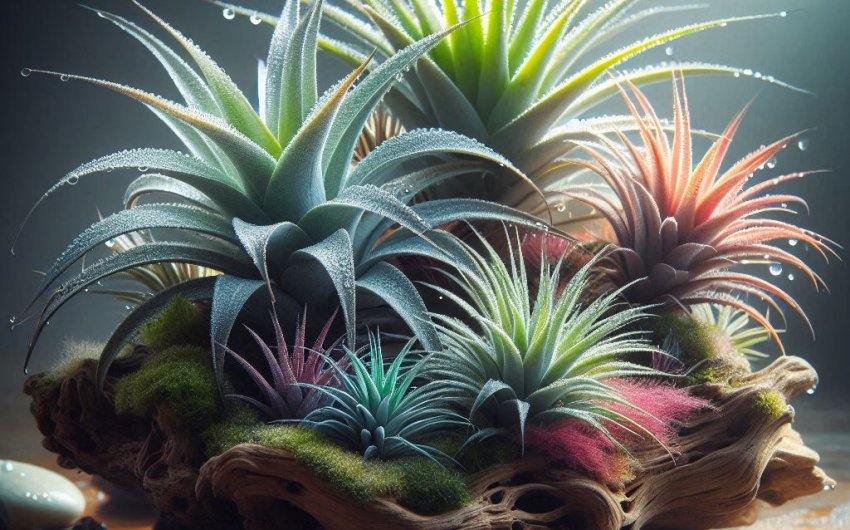
Learning how to care for air plants (Tillandsia) without soil unlocks a unique and fascinating aspect of horticulture, allowing these epiphytic wonders to flourish in creative displays. Unlike most houseplants, Tillandsias absorb all their water and nutrients through specialized scales on their leaves, making traditional potting methods unnecessary. Mastering the art of providing adequate hydration, light, and air circulation without the need for soil is key to maintaining their health and vibrant appearance.
What Are Air Plants and How Do They Grow Without Soil?
Understanding what air plants are and how they grow without soil is the foundation for successful care. These unique plants defy conventional gardening methods, making them fascinating subjects for indoor display.
What are Air Plants?
- Epiphytes: Air plants are members of the Tillandsia genus, which belongs to the Bromeliad family. They are primarily epiphytes, meaning they naturally grow attached to other plants (like trees or rocks) in their native habitats, rather than in soil.
- Not Parasitic: It's important to note that air plants are not parasitic. They don't draw nutrients from their host plant; they simply use it for physical support.
- Diverse Appearance: Tillandsias come in a vast array of shapes, sizes, and colors, from silvery-gray to vibrant green, with various leaf textures and forms.
How Do They Grow Without Soil?
The ability of air plants to thrive without soil lies in their unique adaptations:
- Specialized Leaves (Trichomes):
- Absorption: The most crucial adaptation is the presence of specialized, microscopic, silvery scales called trichomes on their leaves. These trichomes are designed to absorb water and nutrients directly from the air and rain.
- Appearance: The density of trichomes gives many air plants their characteristic silvery, fuzzy, or velvety appearance (e.g., Tillandsia xerographica or T. tectorum). Plants with denser trichomes are often more drought-tolerant.
- Root Function:
- Anchorage, Not Absorption: Air plants do have roots, but their primary function is anchorage – to attach the plant firmly to a surface (tree bark, rocks, etc.). They do not absorb water or nutrients from the soil like terrestrial plants.
- Weak Roots: The roots are often small, wiry, and can even be absent in some mature plants, or they die back if the plant is free-standing.
- Water and Nutrient Source:
- In their natural environment, air plants obtain all their hydration from rainfall, dew, and ambient humidity.
- Nutrients come from decaying leaves, dust, bird droppings, and other organic debris that accumulates on their host or is dissolved in rainwater.
- Air Circulation:
- Essential: Because they don't grow in soil, air plants rely heavily on excellent air circulation to dry out after watering. In their natural habitat, they are exposed to breezes, which prevents prolonged wetness that would lead to rot.
- Preventing Rot: This need for quick drying is why proper air circulation is paramount in indoor care.
This remarkable ability to absorb everything they need through their leaves makes air plants a truly fascinating and low-maintenance option for creative indoor displays, fundamentally changing how to care for air plants without soil.
What Are the Light and Temperature Needs for Air Plants?
Providing the right light and temperature is foundational for successful air plant care without soil. These conditions mimic their natural tropical or subtropical habitats and are crucial for photosynthesis and overall health.
1. Light Requirements
- Bright, Indirect Light is Ideal: Most air plants thrive in bright, indirect light. This means a location near a window that receives plenty of ambient light but avoids direct, harsh sun, especially during the hottest parts of the day.
- Mimicking Natural Habitat: In nature, many Tillandsias grow under the canopy of trees, receiving filtered sunlight.
- Signs of Good Light: Vibrant green leaves, healthy growth, and regular blooming for mature plants.
- Signs of Too Little Light:
- Dull, faded color.
- Slowed or stunted growth.
- Leaves may appear stretched or leggy as the plant reaches for light.
- Signs of Too Much Direct Sun (Sunburn):
- Leaves appear bleached, white, yellow, or develop brown, crispy spots (especially on the tips or edges).
- The plant may look scorched or stressed.
- Window Placement Guidelines:
- North-facing window: Generally good for consistent indirect light.
- East-facing window: Receives gentle morning sun, which is ideal.
- South or West-facing window: Can be too intense. Place the plant further back from the window, use sheer curtains to diffuse the light, or place them under a larger, leafy plant.
- Artificial Light: If natural light is limited, air plants do very well under artificial grow lights (fluorescent or LED grow lights). Place them about 12-24 inches from the light source for 10-12 hours a day.
2. Temperature Requirements
- Warmth is Preferred: Air plants generally prefer warm temperatures, reflecting their tropical origins.
- Ideal Range: Most Tillandsias thrive in temperatures between 60°F and 80°F (15°C and 27°C).
- Tolerance: They can tolerate cooler temperatures (down to 50°F / 10°C) for short periods, but prolonged cold can stress them.
- Avoid Extremes:
- Cold Drafts: Keep air plants away from cold drafts from open windows, doors, or air conditioning vents, especially in winter.
- Heat Vents: Avoid placing them directly above heat registers, which can dry them out too quickly and cause stress.
- Nighttime Drop: A slight temperature drop at night (5-10°F or 3-5°C) can be beneficial, mimicking their natural environment, but is not strictly necessary for indoor success.
Light and Temperature Summary
| Factor | Ideal Conditions | Signs of Stress | Solution |
|---|---|---|---|
| Light | Bright, indirect light (east/north window, filtered south/west) | Pale, leggy (too little); Bleached, crispy (too much direct) | Move to brighter/shadier spot; use grow lights/curtains |
| Temperature | 60-80°F (15-27°C) | Yellowing, black spots, mushy (too cold); Rapid drying (too hot) | Maintain stable temps; avoid drafts/heat vents |
By understanding and providing these crucial light and temperature conditions, you are well on your way to mastering how to care for air plants without soil.
How Do You Water Air Plants Without Soil?
Watering air plants without soil is the most critical and often misunderstood aspect of their care. Since they don't have roots for absorption, they rely entirely on their leaves to take in moisture. There are two primary methods: soaking and misting.
1. Soaking (The Primary Watering Method)
Soaking is the most effective way to fully hydrate your air plant, especially for longer periods or in dry indoor environments.
- Frequency:
- General: Once every 1-2 weeks is typical for most indoor environments.
- Dry Climates/Hot Weather/High Airflow: You might need to soak more frequently, up to once a week.
- Humid Climates/Cool Weather/Low Airflow: You might extend the time between soakings to every 2-3 weeks.
- How to Soak:
- Use Good Water: Use tap water that has sat out for 24 hours (to allow chlorine to dissipate), rainwater, or filtered water. Avoid softened water (due to salt content) and distilled water (lacks minerals).
- Submerge: Fully submerge the entire air plant in a bowl or sink of water.
- Soak Time: Let it soak for 20-30 minutes. For very dry plants, you can extend this to an hour.
- Shake Off Excess Water: This is crucial! After soaking, gently shake off any excess water from the plant. Turn it upside down and give it a good shake to dislodge water trapped deep within the base or between leaves.
- Dry Thoroughly: Place the air plant in a well-ventilated area (e.g., near an open window or fan, but out of direct sun) to dry completely. This usually takes 2-4 hours. Do not return it to its display (especially enclosed terrariums or tight holders) until it is completely dry. Prolonged wetness will lead to rot.
- Signs of Dehydration:
- Leaves curl more than usual, especially the tips.
- Leaves feel soft or flimsy.
- The plant appears dull or faded.
- Excessive wrinkling at the base of the leaves.
2. Misting (Supplemental, Not Primary)
Misting can provide a boost of humidity between soakings but should not replace full submersion.
- Frequency: Every 2-3 days, or daily in very dry conditions.
- How to Mist: Use a fine misting bottle with the same type of water used for soaking. Spray the entire plant until it is visibly wet, but not dripping excessively.
- Purpose: Helps to raise ambient humidity, keeps dust off leaves, and offers light hydration.
- Caution: Misting alone is rarely enough for long-term health, especially for larger or more xeric (drought-tolerant, silvery) varieties. It's best as a supplement.
3. Fertilizing (Optional)
- Very Light Feeders: Air plants are not heavy feeders. They absorb nutrients through their leaves, just like water.
- Specialized Fertilizer: Use a highly diluted, bromeliad-specific fertilizer or an air plant fertilizer spray (typically a 1/4 strength orchid or balanced liquid fertilizer).
- Application: Add fertilizer to the soaking water about once a month during the active growing season (spring/summer). Do not fertilize during fall/winter dormancy.
- Caution: Too much fertilizer can burn the leaves. Less is always more.
Watering Summary
| Method | Purpose | Frequency | How to Apply |
|---|---|---|---|
| Soaking | Full hydration | Every 1-2 weeks (adjust as needed) | Submerge for 20-30 min, shake, dry thoroughly |
| Misting | Supplemental humidity | Every 2-3 days (as needed) | Fine mist until wet, allow to dry |
| Fertilizing | Nutrient boost | Once a month during growing season | Add diluted bromeliad/air plant fertilizer to soak water |
Mastering these watering techniques is the most crucial part of how to care for air plants without soil, ensuring they stay hydrated and healthy.
What Are the Display and Air Circulation Needs for Air Plants?
Beyond watering and light, the way you display your air plants directly impacts their health, particularly concerning air circulation. Since they grow without soil, proper airflow is crucial to prevent rot and allow them to dry adequately after watering.
1. Air Circulation is Paramount
- Why it's Crucial: After watering (especially soaking), air plants need to dry completely within a few hours (ideally 2-4 hours). If water remains trapped in their crevices, particularly at the base, it creates anaerobic conditions that lead to rot. Good air circulation speeds up this drying process.
- Natural Habitat: In their native environments, air plants are exposed to constant breezes, allowing them to dry quickly after rain.
- Signs of Poor Air Circulation:
- Mushy, soft, or blackening leaves, especially at the base of the plant.
- A musty or rotten smell emanating from the plant.
- The plant remains wet for too long after watering.
- Solutions:
- Open Environment: Display air plants in open, well-ventilated areas.
- Avoid Enclosed Spaces (Immediately After Watering): Do not return freshly watered air plants to enclosed terrariums, tight glass globes, or non-porous containers until they are absolutely dry.
- Fans: If your indoor environment is very humid or still, a gentle fan can help speed up drying after watering.
2. Display Considerations (Choosing the Right Mount/Holder)
Since air plants don't use soil, your display options are incredibly diverse and creative. However, always prioritize air circulation.
- Ideal Mounts/Holders (Good Air Circulation):
- Driftwood or Cork Bark: Natural and porous. Air plants can be attached with plant-safe adhesive or thin fishing line.
- Open Terrariums or Glass Globes: Choose terrariums with large openings or simply display plants on a decorative plate. Crucially, they must allow air to flow through and around the plant.
- Wire Holders or Metal Stands: These provide minimal contact with the plant and excellent airflow. Look for metal air plant holders.
- Rocks or Shells: Ensure they are not porous or prone to retaining water.
- Mounts to Use with Caution (Can Restrict Airflow):
- Sealed Terrariums/Closed Globes: Avoid these, especially for new air plant enthusiasts. They trap too much humidity and lead to rot. If using, they should only house plants that are completely dry.
- Copper or Galvanized Metal: Avoid prolonged contact with copper. While small amounts are beneficial, excess can be toxic to Tillandsias. Ensure copper wires or holders don't stay wet against the plant. Galvanized metals can also cause issues. Opt for stainless steel, wood, or glass.
- Tight Containers: Any container that holds the base of the plant too tightly and prevents airflow around it should be avoided.
3. Humidity vs. Air Circulation
- Balance is Key: Air plants need humidity, but they also need to dry out. It's a fine balance.
- Humidifier: In very dry homes, a room humidifier can help provide ambient humidity without keeping the plant constantly wet.
- Pebble Trays (Limited Use): While often suggested, a pebble tray with water beneath an air plant holder does little for overall humidity. Misting is more direct for temporary boosts.
Display and Air Circulation Summary
| Aspect | Key Consideration | Best Practices | What to Avoid |
|---|---|---|---|
| Air Circulation | Essential for quick drying after watering | Open displays, good ventilation, gentle fan (if needed) | Enclosed terrariums (when wet), tight holders |
| Mounting Material | Non-toxic, allows drying, aesthetically pleasing | Driftwood, cork bark, glass, stainless steel, rocks, shells | Copper, galvanized metals (prolonged contact), materials that retain water |
| Terrariums | Openness for airflow | Large openings, airy setup | Sealed containers, overcrowding plants in terrarium |
Thoughtful display choices are integral to how to care for air plants without soil, ensuring they receive the vital airflow that prevents their demise.
How Do You Maintain and Troubleshoot Air Plant Problems?
Maintaining healthy air plants without soil involves regular observation and a little troubleshooting when problems arise. Recognizing the signs of distress and knowing how to respond ensures your Tillandsias thrive.
1. General Maintenance Tips
- Regular Watering: Stick to your soaking schedule (1-2 weeks generally) and misting (every few days) if needed. Adjust frequency based on environmental factors (humidity, temperature, airflow).
- Light Dusting: If dust accumulates on the leaves, gently mist and let dry, or very gently wipe with a soft cloth. Excessive dust can block trichomes from absorbing moisture.
- Remove Dead Leaves: As the plant grows, older, lower leaves will naturally die back. Gently pull or trim off any brown, crispy, or completely dead leaves. This improves airflow and the plant's appearance.
- Check for Pups (Offsets): Mature air plants will produce "pups" or offsets, small baby plants that grow from the base. You can carefully separate them when they are about 1/3 to 1/2 the size of the mother plant, or leave them to form a clump.
- Post-Bloom Care: After blooming, the mother plant will slowly decline and eventually die, but it will produce pups first. Continue caring for the mother plant until the pups are well-developed, then focus on the new generation.
2. Common Problems and Troubleshooting
| Symptom | Likely Cause | Solution |
|---|---|---|
| Mushy, black, or smelly base/leaves | Root Rot (from overwatering or poor drying) | 1. Immediately remove affected (mushy) parts with clean scissors. 2. Increase airflow dramatically. 3. Allow plant to dry for several days before next watering. 4. Reduce watering frequency. |
| Leaves are curling, crispy, tips browning | Underwatering/Dehydration | 1. Increase soaking frequency (e.g., weekly or twice a week). 2. Soak for longer (30-60 min). 3. Mist more frequently. |
| Leaves are bleached, white, or scorched spots | Too much direct sun | Move to a location with bright, indirect light or filtered sun. |
| Slow growth, pale color, lack of variegation | Too little light | Move to a brighter spot or use a grow light. |
| Plant falls apart or separates easily | Advanced Rot (from overwatering/poor drying) | The plant may be unsalvageable. Try to save any green, firm pieces as cuttings. |
| No growth, plant seems stagnant | Not enough water, light, or nutrients; or dormant | Review light/water schedule; consider very diluted fertilization during growing season. Ensure proper air circulation. |
| Fuzzy, white mold | Mildew/Fungus (from poor air circulation/humidity) | Increase air circulation. Mist less or ensure rapid drying. Wipe off mold with a damp cloth. |
3. Understanding Tillandsia Life Cycle
- Patience: Air plants grow relatively slowly. Don't expect rapid changes.
- Bloom and Decline: Most Tillandsias bloom once in their lifetime. After blooming, the "mother" plant will typically begin to decline and slowly die, but it channels its energy into producing "pups" (offsets) around its base.
- Pups are the Future: These pups are clones of the mother plant and will grow into new mature plants. You can let them grow attached to form a clump or gently separate them once they are about one-third to one-half the size of the mother plant.
By being observant, proactive, and understanding the unique needs and life cycle of these intriguing plants, you'll find that how to care for air plants without soil becomes a rewarding and simple process, allowing you to enjoy their beauty for years.