
How Do I Grow and Maintain Bonsai Trees Indoors?
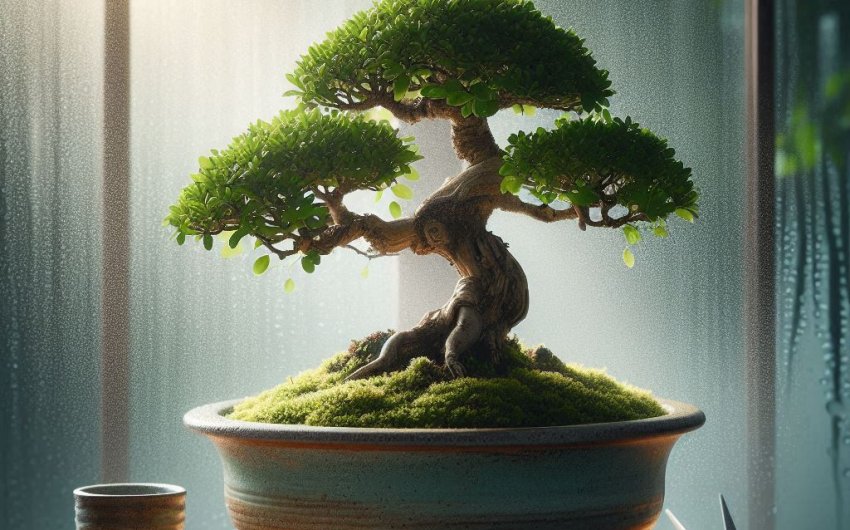
The art of Bonsai, the cultivation of miniature trees in containers, captivates enthusiasts worldwide. While traditional Bonsai often refers to outdoor species, the desire to bring this ancient art indoors has led to the popularity of growing tropical and subtropical trees as houseplants. If you've ever wondered how to grow and maintain Bonsai trees indoors, you're embarking on a rewarding journey that blends horticulture with artistic expression. This comprehensive guide will equip you with the knowledge and techniques needed to cultivate thriving miniature trees within your home, transforming them into living sculptures that bring a sense of peace and natural beauty to your space.
What Kinds of Bonsai Trees Can I Grow Indoors?
Not all trees are suitable for indoor Bonsai. The key is to select species that naturally thrive in indoor environments, typically those native to tropical or subtropical climates.
What are the Best Species for Indoor Bonsai?
These species are well-suited to the stable temperatures and humidity levels of most homes, making them ideal for indoor cultivation.
- Ficus (Ficus retusa, Ficus microcarpa 'Ginseng'):
- Why they're great: Extremely popular and forgiving. Ficus trees are very tolerant of different lighting conditions (though they prefer bright indirect light) and can handle some neglect. They heal well from pruning, produce aerial roots (especially F. retusa), and have attractive, small leaves. They are excellent for beginners.
- Common types: Ficus retusa (often sold with thick, gnarled trunks), Ficus microcarpa 'Ginseng' (known for its bulbous roots and intricate aerial roots).
- Consideration: Ficus sap can be irritating, and some varieties (like Ficus benjamina) drop leaves if moved.
- Chinese Elm (Ulmus parvifolia):
- Why they're great: While technically a temperate species, Chinese Elms are remarkably adaptable and perform very well indoors, especially in cooler climates where they might partially defoliate in winter. They have tiny, delicate leaves, grow quickly, and are very responsive to pruning and wiring.
- Care: Needs bright light. Tolerates some drying out between waterings.
- Jade Tree (Crassula ovata):
- Why they're great: A succulent, making it incredibly drought-tolerant and very forgiving for beginners. Its fleshy leaves and thick stems give it a unique, ancient look. It’s almost impossible to kill from underwatering.
- Care: Needs bright light. Water only when the soil is completely dry. Very sensitive to overwatering.
- Dwarf Schefflera (Schefflera arboricola):
- Why they're great: Also known as Umbrella Tree, this plant is robust and adaptable. It has attractive, palm-like compound leaves and tolerates a range of light conditions, including medium light.
- Care: Fairly tolerant of missed waterings. Responds well to pruning.
- Portulacaria Afra (Dwarf Jade / Elephant Bush):
- Why they're great: Another succulent, similar to Jade but with smaller leaves, making it perfect for smaller Bonsai styles. Extremely easy to care for and highly drought-tolerant.
- Care: Needs bright light. Water only when the soil is completely dry.
- Brazilian Rain Tree (Chloroleucon tortum):
- Why they're great: Known for its feathery, delicate foliage that folds up at night. Produces beautiful, fragrant pink puffball flowers. Very unique and rewarding.
- Care: Needs high humidity and consistently moist soil. More challenging than Ficus or Jade, but stunning.
What Makes a Species Suitable for Indoor Bonsai?
The characteristics of the tree itself are paramount for its success as an indoor Bonsai.
- Tolerance to Indoor Conditions: The most critical factor. Indoor environments are generally drier and have more stable temperatures than outdoors. Species native to tropical or subtropical regions are naturally adapted to these conditions.
- Small Leaf Size: Bonsai aims to create the illusion of a full-sized tree in miniature. Species with naturally small leaves, or those that reduce leaf size when pruned, are best.
- Branching Structure: Trees that naturally grow with fine, intricate branching patterns or respond well to ramification (developing many small branches) are ideal.
- Hardiness/Forgiveness: For beginners, selecting a species that can tolerate minor neglect (e.g., missed watering, less than ideal light) increases the chance of success.
- Response to Training: The tree should respond well to the core Bonsai techniques: pruning, wiring, and repotting.
- Pest Resistance: Generally, species that are less prone to common indoor pests are preferred.
What Trees Should I Avoid for Indoor Bonsai?
Many popular outdoor Bonsai species are not suitable for indoor living.
- Temperate Species: Most conifer Bonsai (Pines, Junipers, Spruces) and deciduous trees (Maples, Oaks, Elms, apart from Chinese Elm) are temperate species. They require a distinct period of winter dormancy with cold temperatures (often below freezing) that cannot be replicated indoors. Without this dormancy, they will weaken and eventually die.
- High Light Requirements: Many outdoor trees need full, direct sunlight for many hours a day, which is impossible to achieve through a window indoors.
- High Humidity Demands: Some trees require very high humidity that is difficult to maintain consistently indoors without specialized equipment.
What are the Essential Growing Conditions for Indoor Bonsai?
Success with indoor Bonsai hinges on replicating the optimal environmental conditions that these tropical and subtropical species need.
How Much Light Does an Indoor Bonsai Need?
Light is arguably the single most important factor for indoor Bonsai.
- High Light Requirement: Most indoor Bonsai (especially Ficus, Jade, Chinese Elm) need abundant light to thrive – much more than typical houseplants. Aim for at least 6-8 hours of bright, indirect light daily.
- Ideal Placement:
- South-facing window: This is often the best spot, providing the most intense natural light.
- East or West-facing window: Can also work well, especially if the tree is placed directly by the window.
- North-facing window: Generally too low light for most Bonsai, unless supplemented with grow lights.
- Supplement with Grow Lights: If you don't have adequate natural light, a full-spectrum LED grow light is essential. Position it 6-12 inches above the canopy, running for 10-14 hours a day. This is a game-changer for indoor Bonsai health. Look for a full spectrum LED grow light designed for houseplants.
- Rotate Your Tree: Rotate your Bonsai 90 degrees every week or two to ensure all sides receive equal light exposure and promote even growth.
- Seasonal Adjustment: Even indoors, light levels change seasonally. You may need to move your tree closer to a window in winter or supplement with more artificial light.
How Do I Water an Indoor Bonsai Correctly?
Watering is the most frequent and critical care task for Bonsai, especially due to their small pot size.
- Frequency Varies: There's no fixed schedule. Watering frequency depends on:
- Species: Succulents like Jade need less water than Ficus.
- Pot Size: Smaller pots dry out faster.
- Soil Type: Fast-draining Bonsai soil needs more frequent watering.
- Environmental Conditions: Warm, bright, dry conditions increase water evaporation.
- Time of Year: Less water in winter (dormant period or lower growth).
- The "Feel" Test: The best method is to check the soil moisture daily. Stick your finger about 1 inch deep. If it feels dry, it's time to water.
- Thorough Watering: When you water, water thoroughly until it drains freely from the drainage holes.
- Top Watering: Pour water slowly over the entire soil surface until it drains out.
- Bottom Watering (Soaking): Place the entire pot in a tray or basin of water for 10-20 minutes, allowing the soil to absorb water from the bottom up. This is great for thoroughly rehydrating dry soil.
- Drainage is Crucial: Bonsai pots must have drainage holes. Standing water leads to root rot, which is fatal.
- Humidity Trays: Placing your Bonsai on a humidity tray filled with pebbles and water (ensure the pot is on the pebbles, not sitting in the water) increases local humidity, which is beneficial for tropical species. A bonsai humidity tray is an easy solution.
What is the Best Soil Mix for Indoor Bonsai?
Standard potting soil is unsuitable for Bonsai. You need a specialized, fast-draining mix.
- Key Characteristics: Bonsai soil is designed for excellent drainage and aeration, while still retaining some moisture and nutrients. It prevents compaction and promotes healthy root growth.
- Typical Components:
- Akadama: A hard-baked clay granule from Japan, it's the most common Bonsai soil component, offering good drainage, water retention, and aeration.
- Pumice: A lightweight, porous volcanic rock that improves drainage and aeration.
- Lava Rock: Another porous volcanic rock, similar to pumice, adding weight and stability.
- Organic Component: A small percentage of bark fines or compost can be added for nutrient retention, but usually no more than 10-20%.
- DIY Mixes: A common beginner's mix might be 1 part Akadama, 1 part Pumice, 1 part Lava Rock, or simpler: 2 parts inorganic material (pumice, lava rock, grit) to 1 part organic (bark fines).
- Ready-Made Mixes: Many nurseries and online stores sell pre-mixed indoor Bonsai soil. This is a great option for beginners. Look for a bonsai soil mix designed for tropical trees.
What About Humidity and Temperature for Indoor Bonsai?
These factors contribute to a healthy microclimate for your Bonsai.
- Humidity: Indoor environments, especially with central heating/air conditioning, tend to be very dry. Tropical Bonsai need higher humidity (50-70%) to thrive.
- Humidity Trays: As mentioned, these are essential.
- Misting: Daily misting can provide temporary relief, but it's not a long-term solution for high humidity.
- Pebble Trays/Humidifiers: A small room humidifier can also be used, especially in very dry climates.
- Grouping Plants: Grouping several plants together can create a localized humid microclimate.
- Temperature: Maintain consistent room temperatures, generally between 65-75°F (18-24°C). Avoid placing Bonsai near drafty windows, heating vents, or exterior doors where temperatures fluctuate wildly. Nighttime temperatures can drop slightly but should remain above 50°F (10°C).
What are the Essential Bonsai Training Techniques?
Bonsai cultivation is an ongoing art form that involves specific techniques to shape and maintain the miniature tree.
How Do I Prune My Indoor Bonsai?
Pruning is fundamental to Bonsai, controlling growth and refining shape.
- Types of Pruning:
- Structural Pruning: Removal of larger branches to establish the main shape and direction of the tree. Done less frequently.
- Maintenance Pruning (Pinching/Trimming): Regular removal of new growth to maintain the desired shape, encourage ramification (finer branching), and reduce leaf size. This is done throughout the growing season.
- Why Prune:
- Shape: Directs the tree's growth into an artistic form.
- Ramification: Encourages the plant to produce more, smaller branches and foliage, creating a dense canopy.
- Leaf Reduction: Continuous pruning helps to reduce the size of the leaves over time.
- Health: Removes dead, diseased, or crossing branches.
- How to Prune:
- Sharp Tools: Always use very sharp Bonsai shears or concave cutters for clean cuts that heal well. Dull tools can damage branches.
- Technique: Cut branches back to a side shoot or just above a node (where a leaf or branch emerges). Aim to leave a small stub that will dry and fall off cleanly when using concave cutters.
- Frequency: Tropical Bonsai often require more frequent maintenance pruning as they grow year-round.
- Tools: Invest in good quality bonsai pruning shears for precision.
When and How Do I Wire My Indoor Bonsai?
Wiring is used to bend and shape branches and the trunk into desired positions.
- Purpose: To set the direction and curve of branches that can't be achieved through pruning alone. The wire gently holds the branch in its new position until it "sets" (usually several months).
- Type of Wire: Use anodized aluminum or copper wire specifically designed for Bonsai. Aluminum is softer and easier for beginners. Bonsai training wire comes in various gauges.
- When to Wire: Any time during the growing season when the branches are flexible. Avoid wiring during dormancy or when the plant is stressed.
- How to Wire:
- Anchor the Wire: Anchor the wire firmly around the trunk or a stronger branch without damaging the bark.
- Wrap at 45° Angle: Wrap the wire neatly around the branch at a consistent 45-degree angle. The wire should be snug but not so tight that it cuts into the bark.
- Bend Slowly: Gently bend the wired branch into the desired shape.
- Monitor Closely: Check the wire frequently (every few weeks) to ensure it's not cutting into the bark as the branch thickens.
- Remove Wire: Remove the wire carefully with wire cutters (not unwound) once the branch has held its new shape, typically after 2-6 months. Leaving wire on too long will cause unsightly scarring.
What is Repotting and Why is it Necessary?
Repotting is essential for maintaining a healthy Bonsai in its small container.
- Why Repot:
- Root Bound: As the tree grows, its roots fill the pot, becoming "root-bound." This restricts nutrient and water uptake.
- Soil Degradation: Over time, Bonsai soil breaks down, losing its crucial drainage and aeration properties.
- Nutrient Replenishment: Repotting with fresh soil provides new nutrients.
- Frequency: Indoor Bonsai typically need repotting every 2-3 years, depending on their growth rate and species. Faster-growing trees may need it annually.
- When to Repot: The best time is in early spring, just before the tree starts its most vigorous new growth. This allows the roots to recover quickly.
- How to Repot:
- Preparation: Water the tree thoroughly a day before. Prepare fresh Bonsai soil and a slightly larger pot (if needed) or the same cleaned pot.
- Remove from Pot: Gently remove the tree from its pot.
- Root Pruning: Using sharp root shears, carefully prune away about 1/3 to 1/2 of the outer and bottom roots. Remove any circling, dead, or rotting roots. This encourages new root growth.
- Repot: Place the tree back into its pot (or a slightly larger one) with fresh Bonsai soil. Position it aesthetically.
- Water Deeply: Water thoroughly after repotting and place it in a slightly shadier spot for a week or two to recover before returning to its normal light.
How Do I Fertilize My Indoor Bonsai?
Fertilizing provides the nutrients your Bonsai needs to grow and thrive in its limited soil volume.
- Frequency: Fertilize your indoor Bonsai throughout its active growing season (typically spring through fall). Reduce or stop fertilizing during winter dormancy or periods of slow growth.
- Type of Fertilizer: Use a balanced liquid Bonsai fertilizer or a slow-release granular fertilizer formulated for Bonsai. Many growers prefer a lower nitrogen fertilizer for more mature trees to promote ramification over rapid growth.
- Dilution: Always dilute liquid fertilizers to the recommended strength (often half-strength) to avoid burning the roots.
- Apply to Moist Soil: Never fertilize a dry Bonsai. Always water the tree thoroughly first, then apply fertilizer.
- Listen to Your Tree: Observe your tree. If it looks healthy and is growing well, you might need less fertilizer. If it looks pale or growth is stunted, a nutrient boost might be needed.
What are Common Problems and Troubleshooting Tips for Indoor Bonsai?
Even with careful attention, Bonsai trees can face challenges. Knowing how to identify and address common problems is key to successful long-term cultivation.
Why Are My Bonsai Leaves Turning Yellow or Brown?
Leaf discoloration is a common distress signal from your Bonsai.
- Yellowing Leaves:
- Overwatering (Most Common): Soil stays wet, roots suffocate and rot. Leaves turn yellow, often soft and mushy, and drop. This is the primary killer of indoor Bonsai.
- Underwatering: Soil is bone dry. Leaves turn yellow, then brown and crispy, often curling, and eventually drop.
- Lack of Light: Overall pale yellowing, leggy growth.
- Nutrient Deficiency: General yellowing if entire tree is affected.
- Natural Aging: Older leaves at the bottom will naturally yellow and drop.
- Solution: Check soil moisture. Adjust watering. Provide more light. Consider fertilization if needed.
- Brown Tips or Edges:
- Low Humidity: Common in dry indoor environments. Solution: Increase humidity with a pebble tray or humidifier.
- Underwatering: Leaves are drying out. Solution: Water more thoroughly.
- Over-fertilization: Fertilizer burn. Solution: Flush soil with plain water, reduce fertilizer strength.
- Too Much Direct Sun: Especially on species that prefer indirect light. Move to a less intense spot.
How Do I Deal with Pests on Indoor Bonsai?
While generally resilient, indoor Bonsai can still attract common houseplant pests.
- Common Pests:
- Spider Mites: Tiny, almost invisible pests that cause stippling (tiny dots) on leaves and fine webbing. Thrive in dry conditions.
- Aphids: Small, soft-bodied insects that cluster on new growth, feeding on sap.
- Mealybugs: Small, white, cottony masses in leaf axils or on stems.
- Scale Insects: Small, immobile bumps on stems and leaves, often with a waxy coating.
- Prevention:
- Regular Inspection: Inspect your Bonsai closely (especially undersides of leaves) during watering.
- Quarantine New Plants: Isolate new plants for a few weeks.
- Good Air Circulation: Helps deter some pests.
- Treatment:
- Manual Removal: For small infestations, pick off pests or wipe them with a cotton swab dipped in rubbing alcohol.
- Hosing Down: For spider mites, forcefully spray the foliage (especially undersides) with water in a sink or shower.
- Insecticidal Soap: Apply a horticultural oil or insecticidal soap spray to all parts of the plant, following label instructions. Repeat treatments may be necessary.
- Neem Oil: A natural option that can deter various pests.
What if My Bonsai is Losing Leaves?
Leaf drop can be alarming but often points to specific environmental issues.
- Environmental Shock: Sudden changes in light, temperature, or humidity can cause leaves to drop (e.g., moving a Ficus Bonsai to a new spot).
- Watering Issues: Both overwatering and severe underwatering can lead to leaf drop.
- Pests or Disease: Severe infestations or fungal issues can cause leaves to yellow and drop.
- Dormancy (for semi-deciduous types): Species like Chinese Elm might naturally drop some leaves in winter as they go into a semi-dormant state.
- Solution: Identify the environmental stressor and correct it. Ensure proper watering. Inspect for pests. Provide consistent conditions.
Is My Bonsai Dying?
It's natural to worry, but often, with prompt action, you can save a struggling Bonsai.
- Symptoms of a Dying Bonsai:
- Widespread and rapid leaf drop (not just natural shedding).
- Branches becoming brittle and snapping easily.
- Foul smell from the soil (indicating root rot).
- Persistent wilting despite proper watering.
- Troubleshooting Steps:
- Check Roots: Carefully unpot the Bonsai. Are the roots brown, mushy, and foul-smelling (rot)? Or are they bone dry and brittle (severe underwatering)?
- Assess Soil: Is the soil completely waterlogged or compacted? Or too dry?
- Light and Temperature: Is it getting enough light? Is it in a drafty spot?
- Pests: Is there a severe pest infestation?
- Intervention: Address the specific issue immediately. For root rot, prune away rotten roots and repot in fresh, dry Bonsai soil. Adjust watering and light. Provide consistent care.
Cultivating Bonsai trees indoors is a journey of learning, patience, and artistic expression. By understanding the specific needs of tropical species, mastering essential care routines like watering and lighting, and applying key training techniques, you can successfully nurture these captivating miniature trees within your home, creating living works of art that bring serenity and beauty to your busy life.