
What Are the Best Care Tips for Calatheas with Colorful Leaves?
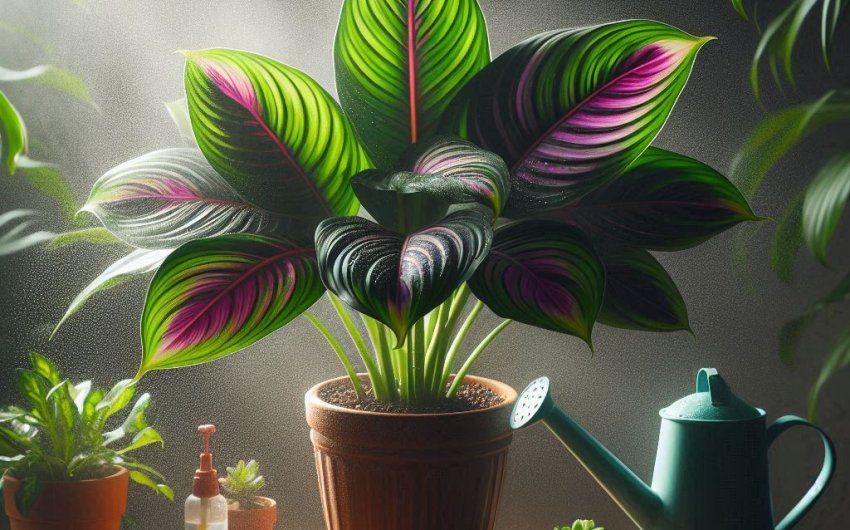
The allure of Calatheas, with their mesmerizing patterns and often vibrant undersides, adds an unparalleled touch of living art to any indoor space. While undeniably beautiful, keeping these "prayer plants" in peak condition requires a nuanced approach, making understanding what are the best care tips for Calatheas with colorful leaves essential for success. This comprehensive guide will illuminate the specific environmental conditions and cultural practices that ensure your highly decorative Calathea varieties maintain their striking foliage and thrive.
What kind of light do colorful Calatheas need?
Light is one of the most critical factors when considering what are the best care tips for Calatheas with colorful leaves. Their vibrant patterns and often delicate nature mean they are particularly sensitive to both too much and too little light.
Why is indirect light crucial for colorful Calatheas?
Calatheas are native to the understory of tropical rainforests. In their natural habitat, they receive filtered or dappled sunlight through the dense canopy above. This preference translates directly to their indoor needs:
- Preserves leaf color and variegation: The stunning patterns and vibrant colors (pinks, reds, purples, silvers) on their leaves can fade or become dull if exposed to too much direct sunlight. The plant's mechanism for producing these colors can be overwhelmed.
- Prevents leaf scorch: Direct, intense sunlight (especially afternoon sun) can quickly burn their delicate leaves, leading to irreversible brown, crispy spots or bleached patches.
- Supports "praying" movement: Calatheas exhibit nyctinasty, where their leaves fold up at night (like hands in prayer) and unfold during the day. This movement is a response to light levels, and proper indirect light supports this natural behavior.
What is the ideal light exposure for colorful Calatheas?
Calatheas thrive in bright, indirect light or medium indirect light.
- North-facing window: Often an ideal spot, providing consistent, gentle light throughout the day.
- East-facing window: Offers gentle morning sun, which is usually well-tolerated and can even enhance colors without scorching.
- South or West-facing window: These windows provide intense direct afternoon sun. If these are your only options, pull the plant back several feet from the window or use a sheer curtain to filter the light significantly.
What are the signs of too much light?
- Fading colors: The vibrant patterns and colors on the leaves become duller or washed out.
- Scorched spots: Brown, crispy, or bleached patches on the leaves.
- Leaves curling inward: A defense mechanism to reduce exposure to intense light.
What are the signs of too little light?
- Dull colors: The colorful patterns may appear less vibrant or muted.
- Leggy growth: The plant may stretch and become spindly as it reaches for more light.
- Reduced "praying" movement: The leaves may not fully open or close.
- Overall slow growth: The plant won't put out new leaves as frequently.
Finding the perfect balance of light is paramount to keeping your Calatheas with colorful leaves vibrant and healthy. Observe your plant closely and adjust its position as seasons change and light intensity varies.
How much humidity do Calatheas with colorful leaves need?
Humidity is arguably the single most crucial factor for Calatheas with colorful leaves, often surpassing even light or water in importance for their overall health and vibrant appearance. These tropical beauties are extremely sensitive to dry air, and addressing this is paramount for what are the best care tips for Calatheas with colorful leaves.
Why is high humidity essential for Calatheas?
Calatheas originate from the humid understory of tropical rainforests in South America. In their natural habitat, humidity levels are consistently high (often 70-90%). When brought into typical indoor environments, especially during winter with heating systems or summer with air conditioning, the air becomes significantly drier.
- Prevents crispy leaf edges: The most common symptom of low humidity is the browning and crisping of leaf edges and tips. This happens because the plant loses moisture from its leaves faster than its roots can supply it in dry air.
- Supports healthy new growth: High humidity ensures that new leaves can unfurl properly without tearing or getting stuck, maintaining the flawless appearance of their colorful patterns.
- Maintains leaf sheen: Adequate humidity keeps the leaves plump and glossy, enhancing their natural beauty.
- Reduces stress: A plant in its preferred humid environment is less stressed and more resilient to other minor issues.
What is the ideal humidity range for colorful Calatheas?
Calatheas thrive in humidity levels of 60% to 80%. Many homes typically hover around 30-50% humidity, which is often insufficient for these plants.
How can you increase humidity for your Calatheas?
- Use a Humidifier: This is the most effective and consistent method. Place a plant humidifier near your Calathea (or a group of them) to maintain consistent ambient humidity.
- Pebble Trays: Place a layer of pebbles in a shallow tray and add water until it's just below the top of the pebbles. Set your Calathea's pot on top (not in the water). As the water evaporates, it creates a more humid microclimate around the plant.
- Group Plants Together: Clustering several houseplants together can naturally increase the humidity in their immediate vicinity through transpiration.
- Consider Bathroom/Kitchen Placement: These rooms often have naturally higher humidity due to showers and cooking, making them excellent locations for Calatheas if light conditions are met.
- Misting (with caution): While it provides a very temporary boost, misting the leaves with a fine-mist spray bottle can offer some relief. However, ensure good air circulation to prevent prolonged wet leaves, which can lead to fungal issues. Mist in the morning so leaves can dry.
What are the signs of low humidity?
- Brown, crispy leaf edges and tips: The definitive symptom.
- Curling leaves: To reduce surface area exposed to dry air.
- Stunted or malformed new leaves: New leaves struggle to unroll.
- Overall dull appearance: The vibrant colors may seem muted.
Prioritizing and maintaining high humidity is arguably the most crucial step in the long-term success of your Calatheas with colorful leaves.
How often should you water Calatheas with colorful leaves?
Watering is a delicate balance when it comes to the care requirements for Calatheas with colorful leaves. They are particular about their moisture levels, demanding consistent dampness without ever becoming waterlogged. This careful approach is vital for preventing stress and maintaining their vibrant foliage.
What is the ideal watering approach for colorful Calatheas?
Calatheas prefer their soil to be consistently moist, but never soggy or dry. They are highly susceptible to root rot if overwatered and will quickly suffer crispy leaves if allowed to dry out completely.
- Frequency: Water when the top 1-2 inches of soil feel dry to the touch. This typically means watering every 5-10 days, but it depends heavily on your environment (light, temperature, humidity), pot size, and soil type.
- Thoroughness: When you do water, water thoroughly until you see water draining from the bottom of the pot. This ensures the entire root ball gets moisture.
- Empty saucers immediately: Never let your Calathea sit in standing water. Promptly discard any excess water from the saucer within 15-30 minutes.
How do you know when to water?
- The Finger Test: This is the most reliable method. Stick your finger 1-2 inches deep into the soil. If it feels slightly dry, it's time to water. If it still feels wet or damp, wait.
- Pot Weight: Over time, you'll learn to judge the weight of your pot. A well-watered pot feels heavier than a dry one.
- Moisture Meter: A plant moisture meter can provide an objective reading of moisture levels.
What kind of water should you use?
Calatheas are known for their sensitivity to minerals and chemicals often found in tap water, particularly chlorine and fluoride. These can cause leaf browning (especially crispy edges).
- Distilled water: The safest option, as it contains no minerals or chemicals.
- Rainwater: Also an excellent, natural choice if you can collect it.
- Filtered water: Using a water filter pitcher or a whole-house filter can help remove some harmful chemicals.
- Letting tap water sit: If using tap water, let it sit out in an open container for 24-48 hours. This allows chlorine (but not fluoride) to dissipate.
What are the signs of improper watering?
| Symptom | Likely Cause (Watering) | Fix |
|---|---|---|
| Yellowing leaves | Overwatering (and/or low light) | Allow soil to dry more, check drainage |
| Brown/mushy spots | Overwatering (root rot) | Immediate action: check roots, repot if needed |
| Crispy brown edges/tips | Underwatering (or low humidity) | Water more consistently, check soil regularly |
| Drooping/wilting | Underwatering (or severe overwatering) | Check soil, water if dry, otherwise check roots |
Mastering the precise watering needs, including water type, is paramount for the health and vibrancy of your Calatheas with colorful leaves.
What is the best soil mix and container for Calatheas?
Choosing the right soil mix and container is fundamental to the care tips for Calatheas with colorful leaves. These elements directly impact moisture retention, drainage, and aeration, all of which are critical for preventing root issues and ensuring vibrant foliage.
What is the ideal soil mix for colorful Calatheas?
Calatheas require a light, airy, well-draining, yet moisture-retentive potting mix. They need a mix that allows excess water to escape quickly while still holding enough moisture for their roots to absorb, mimicking their natural rainforest floor environment.
- Good characteristics:
- Well-draining: Prevents waterlogging and root rot.
- Aerated: Provides oxygen to the roots.
- Moisture-retentive: Holds enough water without becoming soggy.
- Slightly acidic: They generally prefer a pH between 6.0 and 6.5.
- Recommended mix components:
- High-quality potting mix (40-50%): A base of a good, sterile indoor potting mix.
- Perlite (20-30%): Adds significant drainage and aeration, preventing compaction. Find some perlite for plants.
- Orchid bark or coco coir chunks (20-30%): Provides excellent drainage, aeration, and helps create a chunky texture that calatheas love. Use orchid bark.
- Optional: Activated charcoal (5-10%): Can help with drainage and reduce odors, especially if you tend to overwater. You can find horticultural charcoal.
- Avoid: Heavy garden soil, cheap potting mixes that compact easily, or mixes with too much peat moss without enough perlite to compensate.
What is the best container for Calatheas?
The container choice significantly impacts moisture levels and overall plant health.
- Drainage holes are non-negotiable: Your pot must have ample drainage holes to allow excess water to escape freely. This is crucial for preventing root rot.
- Material:
- Plastic pots: Often a good choice as they retain moisture longer than terracotta, which can be beneficial for moisture-loving calatheas, provided you don't overwater. They are also lightweight.
- Glazed ceramic pots: Similar to plastic in moisture retention, but often heavier and more decorative. Ensure good drainage holes.
- Terracotta pots: While porous, terracotta can dry out too quickly for calatheas unless you are a very diligent waterer or live in a very humid environment. This can make it harder to keep the soil consistently moist.
- Size:
- Not too big: Don't repot into a pot that is too large for the current root ball. Excess soil holds too much moisture, increasing the risk of root rot.
- Gradual increase: When repotting, only go up one pot size (e.g., from a 6-inch to an 8-inch pot).
- Root-bound preference: Calatheas actually prefer to be slightly root-bound before repotting, so don't rush it.
Should you use a decorative cachepot?
Many people use a decorative cachepot for plants (a pot without drainage holes) for aesthetic reasons. If you do this:
- Always use an inner pot: Keep your Calathea in a nursery pot with drainage holes inside the cachepot.
- Elevate the inner pot: Place pebbles or a small riser at the bottom of the cachepot to ensure the inner pot isn't sitting in any standing water that drains out.
- Empty regularly: After watering, lift the inner pot and pour out any accumulated water from the cachepot.
Choosing the right combination of well-draining yet moisture-retentive soil and a container that supports these needs is essential for the long-term success and vibrant foliage of your Calatheas with colorful leaves.
How do you fertilize colorful Calatheas?
Fertilization is a nuanced part of the care tips for Calatheas with colorful leaves. While they do need nutrients to fuel their vibrant growth, they are not heavy feeders and are quite sensitive to over-fertilization, which can quickly lead to leaf damage.
When should you fertilize colorful Calatheas?
- Active growing season: Fertilize primarily during the active growing season, which is typically spring and summer (roughly March/April through September in most climates). This is when the plant is putting out new leaves and utilizing nutrients most efficiently.
- Dormant season: Do not fertilize in fall and winter. During these months, light levels are lower, growth slows down significantly, and the plant's metabolic rate decreases. Fertilizing during this period can lead to salt buildup in the soil, which can burn the roots.
What type of fertilizer is best for Calatheas?
- Balanced liquid fertilizer: A balanced liquid houseplant fertilizer is generally recommended. Look for an N-P-K ratio like 5-5-5, 10-10-10, or similar.
- Low salt formulation: Some growers prefer low-salt or organic liquid fertilizers as Calatheas are sensitive to mineral buildup.
- Micronutrients: Ensure your chosen fertilizer also contains essential micronutrients, as a deficiency can impact leaf color.
How much and how often should you fertilize?
- Dilution is crucial: This is the most important rule for Calatheas. Always dilute your liquid fertilizer to half or even quarter strength of what the product label recommends. They are highly susceptible to fertilizer burn.
- Frequency: Fertilize every 2-4 weeks during the active growing season when using a diluted solution. If you use a quarter-strength solution, you might do it every 2 weeks.
- Always water first: Never fertilize a dry Calathea. Always water the plant thoroughly a few hours before applying fertilizer. This helps prevent root burn by ensuring the roots are hydrated and the soil is moist.
What are the signs of over-fertilization?
- Brown, crispy leaf edges and tips: This is the most common symptom, very similar to low humidity or underwatering. However, it will often be accompanied by a white, crusty salt buildup on the soil surface or around the pot rim.
- Stunted or distorted growth: The plant may stop growing or look unhealthy despite being "fed."
- Wilting: The plant may wilt even in moist soil because excess salts impair water absorption.
- Overall decline: The plant may generally look stressed and unhealthy.
If you suspect over-fertilization, flush the soil thoroughly with plain water to wash out excess salts. You can do this by watering consistently until water drains from the bottom for several minutes, repeating a few times. Repotting into fresh, clean potting mix might be necessary in severe cases.
By providing consistent but very dilute nutrients during their active growing phase, you support the stunning foliage and overall health of your Calatheas with colorful leaves without risking nutrient burn.
How do you prune and repot Calatheas?
Pruning and repotting are standard horticultural practices, but for Calatheas with colorful leaves, they require a gentle hand and precise timing. Understanding these aspects is key to providing the best care tips for Calatheas with colorful leaves, ensuring their long-term health and vibrant appearance.
How do you prune a Calathea?
Calatheas generally do not require heavy pruning for shaping or size control. Their pruning is mostly for maintenance and aesthetics.
- When to prune: Prune as needed throughout the year when you spot unhealthy foliage.
- What to prune:
- Yellowing or browning leaves: Remove any leaves that are turning yellow, crispy brown, or are clearly dying. Trace the leaf stem (petiole) all the way down to the base of the plant where it emerges from the soil.
- Diseased leaves: If you notice any leaves with signs of fungal spots or other diseases, remove them immediately to prevent spread.
- Spent flower stalks: If your Calathea produces a flower (some varieties do, though they are usually inconspicuous), cut the flower stalk off once the bloom fades.
- How to prune: Use clean, sharp pruning shears for plants or a sharp pair of scissors. Make a clean cut at the very base of the leaf stem.
- Benefits: Pruning helps the plant redirect energy to new, healthy growth, improves the plant's appearance, and can aid in air circulation.
When should you repot a Calathea?
Calatheas generally prefer to be slightly root-bound and do not like frequent repotting, as it can cause shock.
- Signs it's time to repot:
- Roots emerging from drainage holes: The clearest sign.
- Stunted growth: The plant isn't putting out new leaves, despite good care.
- Soil drying out very quickly: You find yourself watering much more frequently than before, as the pot is mostly roots and little soil.
- The plant is top-heavy: It feels unstable in its pot.
- Timing: The best time to repot is in spring or early summer, during the active growing season.
How do you repot a Calathea?
- Choose the right pot: Select a new pot that is only 1-2 inches larger in diameter than the current one. Going too big can lead to excess soil staying wet and increasing the risk of root rot. Ensure it has good drainage holes.
- Prepare the new pot: Add a layer of your fresh, well-draining Calathea potting mix to the bottom of the new pot.
- Remove the plant: Gently slide the Calathea out of its current pot. Avoid pulling on the leaves. You may need to gently squeeze the pot if it's plastic.
- Inspect roots: Gently loosen any circling roots at the bottom. Inspect for any signs of root rot (mushy, brown/black roots) and prune them away with sterile shears if found.
- Place the plant: Center the Calathea in the new pot, ensuring the base of the plant (where the stems emerge) is at the same level as it was in the old pot. Do not bury the crown.
- Add soil: Fill around the root ball with fresh potting mix, gently tamping it down to remove large air pockets. Leave about an inch of space from the rim for watering.
- Water thoroughly: Water the plant well after repotting to help the soil settle around the roots.
- Post-repotting care: Place the newly repotted Calathea in its usual spot with bright, indirect light and high humidity. Avoid fertilizing for a few weeks to allow it to recover from the transplant shock.
By maintaining a light pruning schedule and repotting only when truly necessary, you support the continuous, healthy growth of your Calatheas with colorful leaves.
What are common problems and solutions for colorful Calatheas?
Despite providing the best care tips for Calatheas with colorful leaves, these beautiful plants can still present challenges. Understanding the common issues and their solutions is vital for quickly addressing problems and restoring your Calathea's health and vibrant appearance.
Why are my Calathea leaves turning brown and crispy?
This is by far the most common problem and often indicates one of two primary issues:
- Low Humidity:
- Symptom: Brown, crispy leaf edges and tips, often spreading inwards. The rest of the leaf may look healthy.
- Cause: The air is too dry, causing the leaves to lose moisture faster than the roots can supply it. This is especially prevalent in winter with heating, or in dry climates.
- Solution: Increase ambient humidity around the plant with a plant humidifier, pebble trays, or by grouping plants. Misting offers temporary relief but is often not enough on its own.
- Underwatering:
- Symptom: Similar to low humidity, but the entire leaf might start to wilt or curl, and the soil will be very dry to the touch.
- Cause: Not watering frequently or thoroughly enough, allowing the soil to dry out excessively.
- Solution: Check soil moisture regularly and water thoroughly when the top 1-2 inches are dry. Maintain consistent watering.
- Tap Water Issues:
- Symptom: Brown edges, sometimes yellowing too.
- Cause: Sensitivity to chlorine, fluoride, or excessive minerals in tap water.
- Solution: Use distilled water, rainwater, or filtered water. Let tap water sit out for 24 hours to dissipate chlorine (though this doesn't remove fluoride).
Why are my Calathea leaves turning yellow?
Yellowing leaves often point to issues with watering or light:
- Overwatering:
- Symptom: Yellowing leaves, often starting from the bottom of the plant. Leaves may feel soft or mushy. The soil is likely consistently wet.
- Cause: Soil remains soggy, suffocating roots and leading to root rot.
- Solution: Allow the top 1-2 inches of soil to dry out between waterings. Ensure the pot has excellent drainage. If root rot is suspected (mushy stems, foul odor), repot immediately, pruning away rotten roots.
- Too Little Light:
- Symptom: Overall dullness, lack of vibrancy in colors, or a general yellow cast, especially if combined with stunted growth.
- Cause: Not enough light for the plant to perform photosynthesis efficiently.
- Solution: Move to a brighter spot with indirect light.
- Nutrient Deficiency (less common):
- Symptom: General yellowing, often uniform across the leaves.
- Cause: Lack of essential nutrients over time.
- Solution: Fertilize sparingly during the growing season with a diluted, balanced fertilizer.
Why are my Calathea leaves curling?
Curling leaves are a defense mechanism:
- Too Much Light:
- Symptom: Leaves curl inward or upward, trying to reduce their exposure to intense light.
- Cause: Direct, harsh sunlight.
- Solution: Move the plant to a shadier spot with indirect light.
- Underwatering/Dehydration:
- Symptom: Leaves may curl or roll inward tightly, along with drooping, as the plant tries to conserve moisture.
- Cause: Soil is too dry.
- Solution: Water thoroughly immediately.
What about pests on Calatheas?
Calatheas can be susceptible to common houseplant pests, especially in dry conditions:
- Spider Mites: Tiny, cause yellow stippling and fine webbing. Thrive in low humidity.
- Solution: Increase humidity. Wipe leaves with a damp cloth or use neem oil for plants or insecticidal soap for plants.
- Mealybugs: Small, white, cottony pests.
- Solution: Dab with a cotton swab dipped in rubbing alcohol. Use insecticidal soap or neem oil.
Regularly inspecting your Calathea, especially the undersides of leaves, helps in early detection. Promptly addressing these issues will help your Calatheas with colorful leaves maintain their stunning appearance.