
How Do I Care for a Carnivorous Plant Like a Venus Flytrap Indoors?
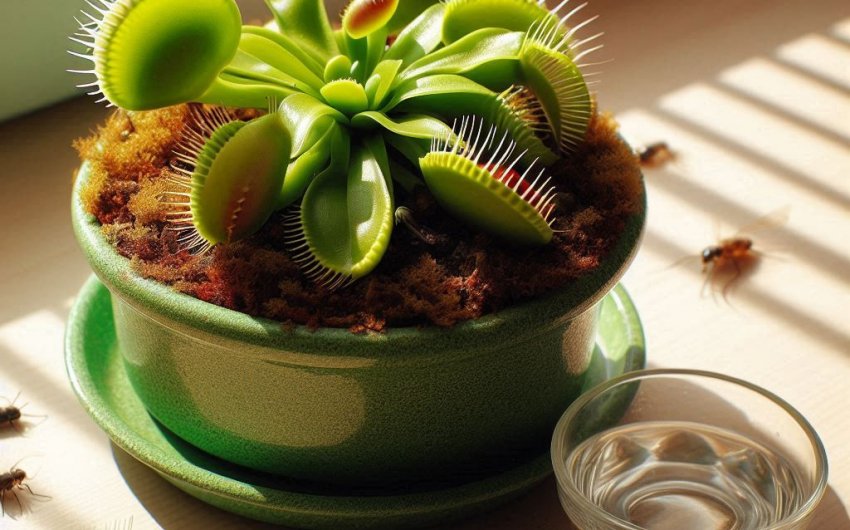
Learning how to care for a carnivorous plant like a Venus flytrap indoors can be a truly fascinating and rewarding experience. These unique plants, with their iconic snapping traps, are not your average houseplant and have very specific environmental needs that differ significantly from most other indoor plants. Successfully growing a Venus flytrap at home requires attention to detail, especially regarding light, water, and soil, as they naturally thrive in boggy, nutrient-poor conditions. By understanding and replicating their natural habitat as closely as possible, you can ensure your Venus flytrap not only survives but truly flourishes, becoming a captivating addition to your indoor garden.
What Makes Venus Flytraps Unique Among Houseplants?
Venus flytraps (Dionaea muscipula) stand out in the plant kingdom due to their active predation. Unlike most plants that get all their nutrients from the soil, Venus flytraps have evolved to capture and digest insects to supplement their diet. This unique adaptation allows them to thrive in nutrient-poor bogs, their native habitat.
The Trapping Mechanism
The most iconic feature of a Venus flytrap is its two-lobed trap, which resembles a clam shell with spiky edges, called cilia. Inside each lobe are tiny trigger hairs, usually three to six of them. When an insect touches two different trigger hairs within about 20 seconds, or touches one hair twice, the trap rapidly snaps shut. This lightning-fast movement, powered by changes in water pressure within the leaf cells, is what makes them so captivating. After capture, the trap forms a sealed digestive chamber, releasing enzymes that break down the insect, absorbing its nutrients. Once digestion is complete (which can take days to over a week, depending on the prey size), the trap reopens.
Why They Need to Eat Insects
It's a common misconception that Venus flytraps need to eat insects to survive. They photosynthesize just like other plants, producing their own food using sunlight. However, their native bog habitats have extremely nutrient-poor soil, particularly lacking in nitrogen and phosphorus. Insects provide these essential nutrients that are missing from their environment. So, while they can survive without eating insects, they will grow much more robustly, produce more traps, and be healthier overall if they can supplement their diet with a bug or two. Think of it as a vitamin supplement rather than their primary food source.
What Kind of Light Does a Venus Flytrap Need Indoors?
Light is arguably the single most important factor for a healthy Venus flytrap. They are sun-lovers and require intense, direct light to thrive and develop strong, well-colored traps.
The Importance of Direct Sunlight
In their natural bog habitats, Venus flytraps receive full, unfiltered sunlight for most of the day. Indoors, replicating this intensity can be a challenge.
- Ideal Placement: The best indoor location for a Venus flytrap is on a south-facing window sill where it can receive at least 4-6 hours of direct sunlight daily. East or west-facing windows can also work, but south is generally superior.
- Color as an Indicator: A healthy, well-lit Venus flytrap will have traps that are a vibrant green with bright red interiors. If your plant's traps are entirely green or look pale and stretched out (etiolated), it's a clear sign it's not getting enough light. The red coloration is a natural "insect attractant" and is an excellent indicator of sufficient light levels.
Using Artificial Grow Lights
If you don't have an ideal sunny window, or if natural light is insufficient, artificial grow lights are an excellent solution and often a necessity for successful indoor Venus flytrap care.
- Types of Grow Lights:
- LED Grow Lights: These are highly energy-efficient, produce little heat, and come in full-spectrum options that mimic natural sunlight. They are often the best choice for carnivorous plants. A full-spectrum LED grow light with a timer can provide consistent lighting.
- Fluorescent Lights (T5 or T8): High-output fluorescent bulbs (especially T5 HO) can also work well, but they consume more energy and may need to be placed closer to the plant.
- Placement and Duration:
- Place the grow light relatively close to the plant, typically 6-12 inches above the leaves, depending on the light's intensity. Always follow the manufacturer's recommendations.
- Provide 12-16 hours of light per day, mimicking a long summer day. A timer is highly recommended to maintain consistency.
Avoiding Common Lighting Mistakes
- Filtered Light: Placing your Venus flytrap behind a sheer curtain or in a location with indirect light will not provide enough intensity.
- Low Light: Don't assume a plant that eats bugs doesn't need much light. The light requirement is paramount.
- Too Much Heat: While they need intense light, they don't want to bake. Ensure good airflow and avoid placing them too close to heat sources that might scorch the foliage.
What Kind of Water Does a Venus Flytrap Need?
Water quality is absolutely critical for Venus flytraps. This is one of the most common mistakes new owners make, and it can quickly lead to the plant's demise.
The Importance of Pure Water
Venus flytraps evolved in bogs where the water is naturally very pure, with almost no dissolved minerals. Tap water, even filtered tap water, typically contains various minerals like calcium, magnesium, and salts. These minerals, even in small amounts, can build up in the soil over time and "burn" the delicate roots of the Venus flytrap, eventually killing the plant.
- Never Use Tap Water: This cannot be stressed enough. Avoid tap water at all costs, unless you have tested it and know it has an extremely low Total Dissolved Solids (TDS) content (ideally under 50 ppm, and certainly under 100 ppm).
Recommended Water Sources
- Distilled Water: This is the easiest and most reliable source of pure water. It's readily available at most grocery stores.
- Rainwater: Collected rainwater is an excellent, natural option, provided it's collected away from contaminated surfaces. Use a rain barrel for efficient collection.
- Reverse Osmosis (RO) Water: If you have an RO filter system at home, the water it produces is perfect for your Venus flytrap.
- Deionized (DI) Water: Similar to distilled water, this is also a safe option.
Watering Techniques
Venus flytraps thrive in consistently moist, bog-like conditions.
- The Tray Method: This is the most recommended watering method. Place the pot in a shallow tray filled with 1-2 inches of pure water. The plant will absorb water from the bottom up.
- Allow the tray to dry out completely before refilling. This allows for some oxygen exchange at the roots.
- Never let the pot dry out completely between waterings, as this can severely stress the plant.
- Top Watering (Infrequently): While the tray method is preferred, occasionally (perhaps once a month) water from the top to flush out any potential mineral buildup, using only pure water.
- Humidity: While water quality is paramount, high humidity is also beneficial, especially in dry indoor environments. Consider placing the plant in a terrarium (with good ventilation) or using a humidifier nearby. A mini humidifier could be beneficial.
What Kind of Soil and Potting Mix is Best?
The right potting mix is just as crucial as water quality for a Venus flytrap. Their roots are adapted to highly acidic, nutrient-poor, and well-draining yet moisture-retentive conditions.
The Essential Components of Venus Flytrap Soil
- Peat Moss: This is the base of almost all carnivorous plant mixes. It's acidic and holds moisture well. Ensure you use unfertilized sphagnum peat moss (e.g., Espoma Organic Peat Moss). Avoid "miracle gro" or other peat mixes that contain added fertilizers or wetting agents.
- Perlite or Horticultural Sand: These are added to provide aeration and improve drainage, preventing the mix from becoming too compacted or waterlogged.
- Perlite: Choose a coarse grade of perlite.
- Horticultural Sand: Use only coarse, washed silica sand (also known as play sand or masonry sand). Never use builder's sand or beach sand, as they often contain minerals and salts.
Ideal Soil Ratios
A common and effective mix for Venus flytraps is:
- 50% Unfertilized Sphagnum Peat Moss
- 50% Perlite or Horticultural Sand
You can also find pre-made carnivorous plant soil mixes specifically formulated for Venus flytraps and other bog plants, which can be a convenient option. Look for reputable carnivorous plant soil mixes.
Choosing the Right Pot
- Material: Plastic pots are generally preferred over terra cotta. Terra cotta pots are porous and can leach minerals into the soil over time, which is detrimental to Venus flytraps.
- Drainage Holes: Always ensure the pot has drainage holes at the bottom, even if using the tray method. This prevents the soil from becoming completely anaerobic (lacking oxygen).
- Size: A 4-6 inch pot is usually sufficient for a mature Venus flytrap. They don't have very deep root systems.
Repotting Your Venus Flytrap
- When to Repot: Repot your Venus flytrap every 1-2 years, typically in early spring when it's just emerging from dormancy. This replenishes the soil, as peat moss can break down and lose its beneficial properties over time.
- Gentle Handling: Be very gentle with the roots during repotting. They are sensitive.
- Fresh Mix: Always use fresh, pure potting mix for repotting.
Do I Need to Feed My Venus Flytrap Indoors?
One of the most exciting aspects of owning a Venus flytrap is watching it capture prey. However, knowing how and when to feed it indoors is crucial.
Natural Feeding vs. Manual Feeding
- Outdoors: If your Venus flytrap is placed outdoors during warmer months, it will naturally attract and catch its own insects (flies, spiders, ants). This is the ideal scenario.
- Indoors: Indoors, your plant might not encounter enough insects naturally to thrive. You may need to supplement its diet by manual feeding.
What to Feed Your Venus Flytrap
- Live Insects: The best food is live insects that fit comfortably within the trap. This is because the insect's wiggling triggers the trap to fully seal and begin digestion. Good options include:
- Live crickets (small)
- Small mealworms
- Flies
- Spiders
- Size Matters: The insect should be no larger than one-third of the trap's size. If the insect is too large, the trap may not be able to seal properly, leading to the escape of the insect and potential trap rot.
- Never Feed:
- Human Food: No meat, cheese, or anything else from your kitchen. These will rot in the trap and kill it.
- Dead Insects (unless stimulated): If feeding a dead insect, you'll need to gently "wiggle" it between the trigger hairs after the trap closes to trick the trap into thinking it's alive and initiate digestion. Use tweezers to do this.
- Hard-Bodied Insects: Avoid beetles or other insects with very hard exoskeletons, as they can be difficult for the plant to digest and may cause the trap to rot.
How Often to Feed
- Infrequent Feeding: Venus flytraps do not need to eat often. Feeding one or two traps on your plant about once every 2-4 weeks during its growing season (spring through fall) is usually sufficient.
- Avoid Overfeeding: Do not try to feed every trap on the plant. Each trap can only digest a few meals (typically 3-5 times) before it turns black and dies naturally. Overfeeding can stress the plant and shorten the lifespan of its traps.
- No Feeding During Dormancy: Do not feed your Venus flytrap during its winter dormancy period.
How Do Venus Flytraps Experience Dormancy?
Dormancy is a crucial, non-negotiable part of the Venus flytrap's annual life cycle. Without a proper dormancy period, your plant will weaken and eventually die.
Why Dormancy is Essential
In their native habitat, Venus flytraps experience a distinct winter period with shorter days and cooler temperatures. This triggers a period of dormancy, where the plant slows down its growth, conserves energy, and prepares for the next growing season. Forcing your indoor Venus flytrap into dormancy mimics this natural process, allowing it to rest and recharge. Without it, the plant will become exhausted, producing smaller, weaker traps until it gives up.
Signs of Dormancy
As your Venus flytrap enters dormancy (typically from late fall through early spring), you'll notice several changes:
- Smaller Traps: The traps will become smaller and less vigorous.
- Slower Growth: Overall growth will slow down significantly or stop.
- Blackening Leaves: Some older leaves and traps will naturally turn black and die off. This is normal; simply snip them off with clean scissors.
- Rosette Formation: The plant may form a compact rosette of smaller leaves close to the soil.
How to Induce and Manage Dormancy Indoors
- Temperature Drop: The key to inducing dormancy is a sustained drop in temperature. Aim for temperatures between 35-50°F (2-10°C) for 3-4 months.
- Method 1: Refrigeration (for beginners or those without cool spaces):
- In late fall (e.g., November), as temperatures drop, stop watering for a few days to allow the soil to dry out slightly.
- Trim off any black or dead leaves and traps.
- Place the entire potted plant (or carefully remove the rhizome and store it in damp peat moss in a sealed plastic bag) into a plastic bag with a few air holes.
- Store the bag in your refrigerator's crisper drawer for 3-4 months.
- Check periodically for mold. If mold appears, remove the plant, rinse off the mold, and re-bag it with fresh, slightly damp peat moss.
- In early spring (e.g., March), remove the plant, repot if necessary, and gradually reintroduce it to light and warmer temperatures.
- Method 2: Unheated Garage, Shed, or Cold Window:
- If you have an unheated garage, shed, or a very cool, bright window (e.g., in a basement or spare room) where temperatures consistently stay cool but above freezing, this can be an ideal spot.
- Reduce watering significantly during this period, keeping the soil barely damp, not wet. The goal is to prevent the plant from drying out completely.
- Ensure there's still some ambient light, but intense light isn't necessary during dormancy.
- Method 3: Terrarium/Cool Cabinet (with caution): Some experienced growers use cool cabinets or terrariums with temperature control to maintain ideal dormancy conditions.
- Avoid Skipping Dormancy: Never try to skip dormancy. Your plant will suffer in the long run.
What Are Common Problems When Caring for a Venus Flytrap and How Do I Fix Them?
Even with the best intentions, Venus flytraps can face specific challenges. Knowing what to look for and how to react can save your plant.
Blackening Traps and Leaves
- Cause: This is a natural process as traps age (each trap lasts for 3-5 meals) or as the plant enters dormancy. It can also be caused by overfeeding (too large an insect, or non-digestible food), mineral buildup from tap water, or insufficient light.
- Solution:
- Natural Aging/Dormancy: Normal. Trim off dead parts with clean scissors to prevent rot.
- Overfeeding: Reduce feeding frequency and ensure insects are appropriately sized.
- Mineral Buildup: Flush the soil with pure water, and ensure you are only using distilled, RO, or rainwater for all watering. Repot into fresh, pure soil mix if the problem persists.
- Insufficient Light: Increase light exposure immediately.
Traps Not Closing or Slow Closing
- Cause: Often due to low energy (lack of light or insufficient feeding over time), dormancy, or a "tired" trap that has been stimulated too many times without a meal. Could also be from insufficient water or nutrient burn.
- Solution:
- Increase Light: This is usually the first thing to check.
- Proper Watering: Ensure consistent access to pure water via the tray method.
- Rest: Give the plant a break from manual stimulation. Don't trigger empty traps.
- Dormancy: If it's fall/winter, the plant is likely entering dormancy.
- Feeding: If the plant is well-lit and active, try feeding it a small, live insect to provide energy.
Mushy Rhizome or Rot at the Base
- Cause: Almost always caused by prolonged overly wet conditions, especially during dormancy, or root damage from mineral buildup.
- Solution:
- Improve Drainage: Ensure your pot has drainage holes and your soil mix is appropriate (50/50 peat/perlite).
- Adjust Watering: If using the tray method, allow the tray to dry out completely between fillings. During dormancy, keep the soil barely damp.
- Emergency Repotting: If the rhizome is just starting to get mushy, carefully unpot, trim off any rotted parts with a sterile blade, and repot in fresh, dry soil. You might save it.
Pests (Aphids, Mealybugs, Spider Mites)
- Cause: While Venus flytraps eat insects, they don't eat all insects, and pests can still be a problem, especially indoors.
- Solution:
- Manual Removal: For light infestations, use a cotton swab dipped in rubbing alcohol to wipe off pests.
- Insecticidal Soap: Use a safe insecticidal soap specifically for plants. Test on a small area first. Avoid oils, as they can suffocate the traps. Safer Brand Insect Killing Soap is often a good choice.
- Systemic Pesticides: Avoid systemic pesticides that are absorbed by the plant, as these can be harmful to carnivorous plants.
- Quarantine: Isolate affected plants immediately to prevent spread.
Algae Growth on Soil Surface
- Cause: Too much light on the soil surface, combined with constant moisture. Algae is generally harmless to the plant but can be unsightly.
- Solution: Reduce light hitting the soil surface (e.g., place a thin layer of sand on top of the peat/perlite mix, or adjust light angle). It can also indicate a need for repotting with fresh soil.
Can I Grow a Venus Flytrap in a Terrarium?
Growing a Venus flytrap in a terrarium is a popular choice for indoor growers, as it helps create and maintain the high humidity these plants appreciate. However, it's crucial to design the terrarium correctly to avoid common pitfalls.
Benefits of a Terrarium for Venus Flytraps
- Humidity: The enclosed environment significantly increases ambient humidity, which is beneficial for Venus flytraps, especially in dry indoor climates.
- Stable Environment: Helps maintain more stable temperatures.
- Aesthetics: A well-designed terrarium can be a beautiful display piece.
- Pest Control: Can help limit exposure to household pests.
Important Considerations for Terrarium Success
- Ventilation is Key: This is the most critical aspect. While humidity is good, stagnant, perpetually damp air will lead to fungal problems and rot.
- Open Terrariums: A wide-mouthed glass bowl or container, rather than a fully enclosed one, provides better airflow.
- Partial Enclosure: If using a lid, ensure it has vents or is propped open slightly to allow for air exchange.
- Air Circulation: Consider a small, quiet fan pointed away from the terrarium to gently move air around if you notice condensation or mold issues.
- Drainage Layer: While many terrariums for non-carnivorous plants use a drainage layer of pebbles or charcoal at the bottom, this is NOT recommended for Venus flytraps using the tray method, as it prevents the roots from accessing the water reservoir. Instead, focus on using the proper soil mix within the pot itself.
- Lighting in a Terrarium: Natural light might be filtered by the glass of the terrarium, and direct sunlight can superheat the enclosure. You'll almost certainly need supplemental grow lighting above the terrarium to provide the necessary intensity without cooking the plant.
- Dormancy in a Terrarium: Managing dormancy can be more challenging in a terrarium. You'll need to move the entire setup to a cool, dark place, or remove the plant from the terrarium and store it for dormancy. A large terrarium can be difficult to move.
- Watering: Continue to use the tray method, ensuring the Venus flytrap pot is sitting in pure water.
Designing Your Venus Flytrap Terrarium
- Choose a Container: Select a clear glass or plastic container that is wide enough to accommodate the plant and allows for some airflow.
- Pot Your Plant: Pot your Venus flytrap in its own plastic pot with drainage holes, using the proper peat/perlite mix.
- Place in Terrarium: Place the potted Venus flytrap inside the terrarium. You can elevate the pot slightly on an inverted saucer or gravel to create a water reservoir for the tray method, if desired, but ensure the pot's drainage holes are below the water line.
- Aesthetic Elements (Optional): You can add sterile, decorative elements like smooth river stones (ensure they won't leach minerals) or sphagnum moss around the pot (not covering the plant's crown) for aesthetics, but keep it simple to avoid hindering airflow or harboring pests.
- Lighting: Position a grow light above the terrarium to provide adequate light.
Remember, a terrarium is an enhancement, not a substitute, for the fundamental care requirements. All the rules about pure water, specialized soil, and bright light still apply rigorously. By giving your Venus flytrap the right care indoors, including understanding and managing its specific needs for light, water, soil, and dormancy, you'll be able to enjoy this extraordinary carnivorous plant for many years to come.