
How Can I Get My Orchids to Bloom Again Indoors?
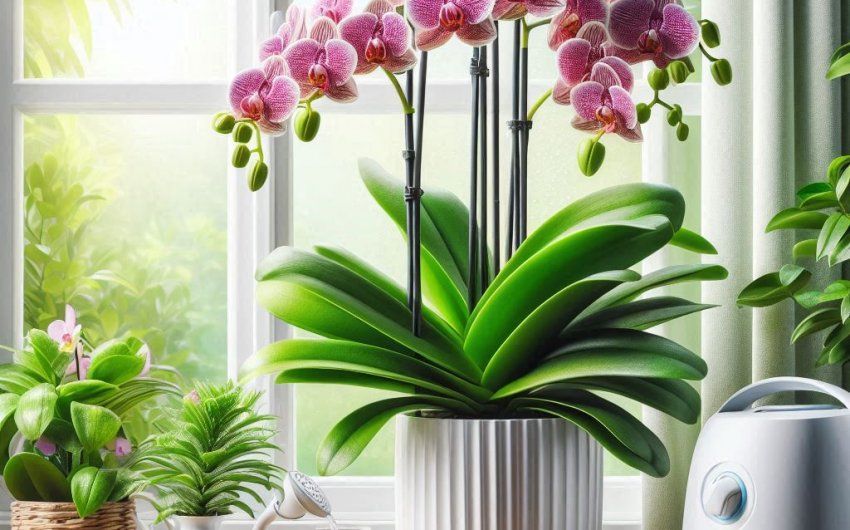
Many orchid enthusiasts celebrate their first magnificent bloom, only to wonder, "how can I get my orchids to bloom again indoors?" The secret lies not in luck, but in understanding the specific environmental triggers that mimic an orchid's natural habitat, prompting it to produce those stunning flowers year after year. This guide will demystify the process, providing actionable steps to encourage re-blooming from the most common indoor orchid varieties.
What Triggers Orchid Re-Blooming?
Orchids, especially the popular Phalaenopsis (Moth Orchid), have specific environmental cues that signal it's time to produce flower spikes. Replicating these conditions indoors is the key to successful re-blooming.
Why Are Temperature Drops Important?
Many orchid varieties, particularly Phalaenopsis, require a slight difference between day and night temperatures to initiate flowering. This mimics the cooler nights they experience in their natural habitats.
- The "Cooling Off" Period: For Phalaenopsis, a consistent drop in night temperatures by about 10-15°F (5-8°C) compared to daytime temperatures for several weeks is often the most critical trigger. For example, if your daytime temperature is 70°F (21°C), aim for night temperatures of 55-60°F (13-16°C).
- How to Achieve This Indoors:
- Move the orchid to a cooler room in your house at night.
- Place it near a window where it can experience cooler nighttime temperatures, but avoid direct cold drafts.
- Open a window slightly if outside temperatures are appropriate, ensuring the orchid is not exposed to freezing air.
- Important Note: Not all orchids require a temperature drop. For instance, some warm-growing orchids like many Vandas prefer consistent warmth. Always research your specific orchid type.
What Role Does Light Play in Re-Blooming?
Adequate light is essential for orchids to produce the energy needed for blooming. However, it's about the right kind and amount of light, not necessarily direct sun.
- Bright, Indirect Light: Most indoor orchids, especially Phalaenopsis, prefer bright, indirect light. This means a spot near an east-facing window (morning sun), or a few feet away from a south or west-facing window (which can be too intense directly).
- Signs of Good Light: Healthy green leaves, possibly with a reddish tinge on some varieties.
- Signs of Too Little Light: Dark green, floppy leaves, and no blooms.
- Signs of Too Much Light: Yellowing leaves, brown scorched spots, and stiff, almost leathery leaves.
- Supplemental Lighting: If natural light is insufficient, consider using an LED grow light specifically designed for plants. Position it 6-12 inches above the orchid, running for 12-14 hours a day.
How Does Watering Affect Flowering?
Consistent and appropriate watering is vital for overall orchid health, which directly impacts its ability to bloom. Overwatering is one of the most common causes of orchid failure.
- The "Soak and Dry" Method: This is generally the best approach.
- Check the Potting Mix: Water when the potting mix feels dry. For most orchids in bark, this means when the bark looks pale and feels light. For Sphagnum moss, wait until it feels barely damp. Visible roots inside clear pots should look silvery-grey, not green.
- Soak Thoroughly: Place the potted orchid in a sink or basin and thoroughly soak the potting mix. You can let it sit in water for 10-20 minutes.
- Drain Completely: Ensure all excess water drains away. Never let an orchid sit in standing water, as this leads to root rot.
- Why Consistent Watering Matters: Regular watering, without allowing the plant to get bone dry for too long or remain soggy, prevents stress and ensures the plant has the hydration it needs to produce and sustain a flower spike.
Why is Humidity Critical for Orchids?
Orchids are native to humid, tropical environments, so adequate humidity is crucial for their well-being and re-blooming.
- Ideal Humidity: Most orchids prefer humidity levels between 60-80%. Typical household humidity is often much lower, especially in winter with heating systems.
- Signs of Low Humidity: Crispy leaf tips, shriveled pseudobulbs (for orchids that have them), and buds that shrivel and drop before opening (bud blast).
- Ways to Increase Humidity:
- Pebble Tray: Place the orchid pot on a pebble tray filled with water, ensuring the bottom of the pot does not sit in the water. As the water evaporates, it creates a localized humid environment.
- Humidifier: For multiple orchids, a room humidifier is the most effective solution.
- Group Plants: Grouping orchids and other houseplants together can create a mini-microclimate with slightly higher humidity.
- Misting (Use with Caution): While popular, misting provides only a temporary boost and can sometimes lead to bacterial or fungal issues if water sits on leaves or in the crown. If you mist, ensure good air circulation.
What About Fertilization for Re-Blooming?
Proper nutrition provides the building blocks for healthy growth and flowering.
- "Weakly, Weekly" Approach: Many orchid growers recommend fertilizing "weakly, weekly" during the growing season – using a very dilute solution of fertilizer every time you water.
- Balanced Orchid Fertilizer: Use a specialized orchid fertilizer that contains a balanced blend of nutrients (nitrogen, phosphorus, potassium, and micronutrients). A common formula might be 20-20-20 or 10-10-10, diluted.
- "Bloom Booster" Fertilizers: Some growers switch to a "bloom booster" fertilizer (higher phosphorus content, e.g., 10-30-20) once a flower spike begins to emerge, though a balanced fertilizer is often sufficient if the plant is otherwise healthy.
- Rinsing: Periodically (e.g., once a month), flush the potting mix with plain water to rinse out accumulated fertilizer salts, which can burn roots.
- Reduce in Winter/Dormancy: Fertilize less frequently or stop altogether during periods of dormancy or when the plant is not actively growing.
What Are the Steps to Encourage a New Flower Spike?
Once you've optimized the environmental conditions, there are specific actions you can take to guide your orchid towards producing another beautiful flower spike.
Should You Prune the Old Flower Spike?
After the last flower fades, you have a few options for the old flower spike. The choice depends on the orchid variety and your patience.
- For Phalaenopsis (Moth Orchids):
- Option 1 (Patience is Key): Cut the spike just above the second or third "node" (the small bump or joint) from the bottom of the spike. New flower spikes or even keikis (baby plants) can emerge from these nodes, often producing smaller flowers. This can provide a quicker re-bloom, but may weaken the plant over time if done repeatedly without a rest.
- Option 2 (Best for Plant Health): Cut the entire spike off cleanly at the base, near where it emerges from the leaves. This allows the plant to put all its energy into developing new leaves and roots, strengthening itself for a more vigorous bloom next season. This is generally recommended for long-term plant health.
- For Other Orchid Types:
- Cattleyas, Dendrobiums, Oncidiums: For many orchids, once the flowers fade, the entire spike typically turns yellow or brown and should be cut back to the base. New spikes will emerge from new growth.
- Tools: Always use clean, sterilized orchid pruning shears to prevent disease transmission. Sterilize with rubbing alcohol or a bleach solution.
What is the "Rest Period"?
After flowering, many orchids benefit from a brief "rest period" where certain conditions are adjusted to encourage the plant to store energy for the next bloom.
- Reduced Watering: Slightly reduce watering frequency during this rest period. Allow the potting mix to dry out a bit more between waterings than usual.
- Reduced Fertilization: Stop or significantly reduce fertilization.
- Temperature Shift: This is where the crucial 10-15°F (5-8°C) night temperature drop mentioned earlier comes into play for Phalaenopsis. Maintain this cooler night temperature for 4-6 weeks to trigger spike initiation.
- Duration: The rest period typically lasts for several weeks after the flowers fade until a new spike or root growth is observed.
How Do You Identify a New Flower Spike?
Distinguishing a new flower spike from a new root can be tricky, especially for beginners.
- Flower Spike:
- Typically emerges from a leaf axil (where a leaf meets the main stem).
- Often has a rounded or flattened, mitten-shaped tip.
- Growth points are typically segmented or jointed.
- Tends to grow upwards and outwards.
- May have tiny, scale-like coverings or "bracts" along the stem.
- New Root:
- Usually has a pointed, often greener or silvery-white tip.
- Often appears more uniform and cylindrical.
- Grows downwards into the potting mix or out into the air (aerial roots).
- May have a distinct velvety texture at the very tip (velamen).
What Should You Do Once a Spike Appears?
Once you see a new spike, you can make a few adjustments to support its development.
- Staking (Optional but Recommended): Once the spike is a few inches long, consider providing a flower spike support clip or stake to prevent it from breaking as it grows and becomes heavy with buds. Gently attach the spike to the stake using a soft tie or clip.
- Resume Normal Fertilization: As the spike grows and buds swell, you can resume your regular fertilizing routine (if you paused it for the rest period).
- Maintain Stable Conditions: Avoid drastic changes in temperature, light, or humidity, which can lead to bud blast (buds shriveling and falling off).
- Patience! It takes time for a spike to grow and buds to form and open. Enjoy the anticipation!
What Are Common Re-Blooming Challenges and How to Overcome Them?
Even with the best intentions, orchids can sometimes be stubborn about re-blooming. Understanding common issues can help you diagnose and fix problems.
Why Are My Orchid Leaves Turning Yellow?
Yellowing leaves can indicate a variety of problems, often related to environmental stress.
- Overwatering/Root Rot: The most common cause. Leaves turn yellow, become soft or mushy, and the plant may droop. The roots will appear black and mushy if you inspect them.
- Solution: Repot into fresh, dry orchid potting mix, trimming all rotted roots. Reduce watering frequency.
- Too Much Direct Light: Leaves can turn yellow or scorched with crispy brown spots.
- Solution: Move the orchid to a location with bright, indirect light.
- Nutrient Deficiency: If old leaves turn uniformly yellow, it could be a nitrogen deficiency.
- Solution: Ensure regular, balanced fertilization.
- Natural Aging: It's normal for older, lower leaves to yellow and drop occasionally.
What is Bud Blast and How to Prevent It?
Bud blast is when orchid buds shrivel, turn yellow, or drop off before opening. It's frustrating but usually a sign of environmental stress.
- Common Causes:
- Sudden Temperature Changes: Drafts from open windows, heating/cooling vents, or moving the plant from a warm room to a cold car.
- Low Humidity: Dry air causes buds to dry out.
- Underwatering: Plant doesn't have enough moisture to sustain the buds.
- Overwatering: Leads to root rot, preventing water uptake.
- Lack of Light: Insufficient energy to support bud development.
- Pests: Tiny pests feeding on buds.
- Repotting or Moving: Stress from environmental changes.
- Ethylene Gas: From ripening fruit or gas leaks.
- Prevention: Maintain consistent temperatures, high humidity, proper watering, and adequate light once a spike is present. Keep ripening fruit away from blooming or budding orchids.
Why Isn't My Orchid Growing Any New Spikes?
If your orchid produces healthy leaves but no new flower spikes, it's likely missing the re-blooming trigger.
- Insufficient Temperature Drop: The most common reason for Phalaenopsis. Revisit the night temperature requirements.
- Too Little Light: The plant isn't getting enough energy to bloom.
- Lack of Rest Period: The plant may be putting all its energy into vegetative growth (leaves and roots) because it hasn't had a signal to shift to reproductive growth (flowers).
- Root-Bound or Poor Potting Mix: A stressed root system cannot support flowering.
- Solution: Check the roots. If root-bound, repotting an orchid into fresh orchid potting mix is crucial.
- Overall Plant Health: Ensure the plant is generally healthy, with good roots and foliage, before expecting blooms.
What About Pests and Diseases?
While less directly related to re-blooming, a pest or disease infestation can certainly weaken an orchid, preventing it from flowering.
- Common Pests: Mealybugs (cottony white masses), scale insects (small, immobile bumps), and spider mites (fine webbing, stippling on leaves).
- Common Diseases: Fungal or bacterial spots, rot.
- Control:
- Isolation: Isolate affected plants immediately.
- Wipe: For mealybugs and scale, dab with a cotton swab dipped in rubbing alcohol.
- Spray: Use insecticidal soap or neem oil for spider mites and other soft-bodied pests.
- Good Air Circulation: Helps prevent fungal issues.
- Prune: Remove severely infected parts with sterilized shears.
Successfully learning how can I get my orchids to bloom again indoors is a rewarding journey that deepens your connection with these fascinating plants, bringing continuous beauty and elegance to your home environment.