
What Are the Key Care Tips for Growing Alocasia Plants?
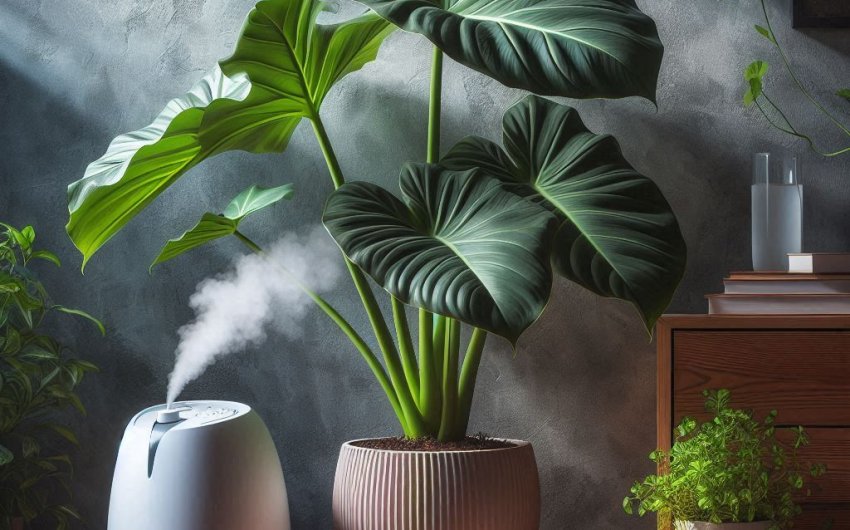
Understanding what are the key care tips for growing Alocasia plants is crucial for nurturing these striking tropical beauties into magnificent indoor specimens. Known for their dramatic, often variegated foliage and unique textures, Alocasia varieties can be a rewarding, albeit sometimes challenging, addition to your indoor jungle. Providing the right environment and consistent attention to their specific needs will unlock their full potential, allowing their vibrant leaves to become a focal point in any room.
What light conditions do Alocasia plants prefer?
Alocasia plants, often called "Elephant Ears" due to their large, heart-shaped leaves, originate from the tropical and subtropical regions of Asia. In their natural habitat, they typically grow as understory plants, receiving filtered sunlight beneath the canopy of larger trees. Replicating these light conditions is a key step to successful growth in your home.
Bright, Indirect Light is Best
The ideal light for most Alocasia varieties is bright, indirect light. This means placing them in a spot where they receive plenty of ambient light but are shielded from direct sunbeams, especially during the harshest parts of the day.
- East-facing windows: These are often excellent spots as they provide gentle morning sun, which is less intense and typically well-tolerated.
- North-facing windows: Can work if the light is sufficiently bright, but sometimes may be too dim, leading to leggy growth or smaller leaves.
- South or West-facing windows: These typically provide strong, direct sunlight. If you must place an Alocasia here, ensure it is set back several feet from the window, or use a sheer curtain to diffuse the light.
Avoid Direct Sunlight
Direct, intense sunlight is one of the quickest ways to damage an Alocasia. Their delicate leaves are prone to sunburn, which appears as crispy, brown, or bleached spots. Think of it like a human getting a sunburn; once the damage is done, it's permanent on that leaf.
- Symptoms of too much light:
- Yellowing or browning leaves, especially around the edges or spots.
- Crispy textures on leaf tips or margins.
- Bleached-out coloration, where vibrant greens or colors fade.
- Stunted growth or drooping leaves despite adequate watering.
Insufficient Light Conditions
While Alocasia hates direct sun, they also won't thrive in consistently low light conditions. These plants are not low-light tolerant and need a good amount of brightness to fuel their growth and maintain their vibrant foliage.
- Symptoms of too little light:
- Leggy growth: Stems become stretched as the plant reaches for more light.
- Smaller leaves: New leaves emerge significantly smaller than older ones.
- Dull or faded coloration: Variegated patterns may become less distinct, and overall leaf color might appear muted.
- Slowed or stopped growth: The plant may simply cease producing new leaves.
- Dropping older leaves more frequently: While Alocasias do naturally shed old leaves, rapid or excessive shedding can indicate insufficient light.
Adjusting to Your Specific Home
Every home is different, and light levels can vary greatly even within the same room. Observe your Alocasia closely to understand its needs. If you see signs of stress, adjust its location accordingly. You might consider using a light meter to get a precise reading of the light intensity in different spots. Remember that light intensity changes with the seasons; what was a perfect spot in winter might be too bright in summer. Regular rotation of your plant can also ensure even light exposure on all sides.
How much water and humidity do Alocasia plants need?
Watering and humidity are arguably the most crucial factors for Alocasia plant care. These plants are native to humid, tropical environments, and replicating those conditions in your home is essential for their health and vibrant appearance. Getting the balance right can be tricky but is key to preventing common problems.
Watering: The Golden Rule - Consistency, Not Constant Wetness
Alocasias love moisture, but they are highly susceptible to root rot if their roots sit in soggy soil. The goal is to provide consistent moisture without waterlogging.
- Check the soil: The most reliable way to know when to water is to feel the soil. Stick your finger 2-3 inches deep into the potting mix.
- Water when the top 2-3 inches of soil feel dry. For smaller pots, you might even wait until the top half of the soil is dry.
- Do not let the soil completely dry out, especially during the growing season (spring and summer), as this can stress the plant and cause leaves to droop or yellow.
- Do not water if the soil is still wet, as this leads to root rot.
- Thorough watering: When you do water, water deeply and thoroughly until you see water draining from the bottom of the pot. Discard any excess water from the saucer to prevent the plant from sitting in standing water.
- Reduce watering in winter: During the cooler, darker months, Alocasias may slow down their growth or even go dormant. During this period, reduce watering frequency significantly, allowing the soil to dry out more between waterings. Overwatering in dormancy is a common killer.
Humidity: The Lifeline of Alocasia
High humidity is non-negotiable for most Alocasia varieties. They thrive in environments where humidity levels are 60% or higher. Low humidity is a frequent cause of leaf problems and general plant stress, especially in heated or air-conditioned homes.
- Symptoms of low humidity:
- Brown, crispy leaf edges or tips: This is the most common sign.
- New leaves struggling to unfurl: They may stick together or tear as they emerge.
- Spider mites: Low humidity creates ideal conditions for these tiny, sap-sucking pests.
- Overall dull or stressed appearance.
How to Increase Humidity Around Your Alocasia
- Humidifier: The most effective way to provide consistent high humidity is to use a room humidifier. A humidifier for plants placed near your Alocasia can make a huge difference.
- Pebble Tray: Place the pot on a pebble tray filled with water. Ensure the bottom of the pot does not sit directly in the water, as this can lead to root rot. As the water evaporates, it increases humidity around the plant.
- Grouping Plants: Grouping your Alocasia with other humidity-loving plants can create a small microclimate with higher ambient moisture due to transpiration from all the plants.
- Misting: While misting can provide a temporary boost of humidity, its effects are short-lived. It can also encourage fungal issues if done improperly or if water sits on the leaves for too long without good air circulation. If you do mist, use distilled or filtered water to avoid mineral buildup on leaves, and ensure good airflow.
- Location: Avoid placing Alocasias near drafts, heating vents, or air conditioning units, which can dry out the air rapidly. Bathrooms or kitchens, if they have adequate light, can sometimes offer naturally higher humidity.
Regularly monitor the humidity levels, especially during dry seasons or if your home's air is typically dry. A hygrometer can help you keep track. Maintaining proper water and humidity levels are arguably the most crucial key care tips for growing Alocasia plants.
What is the best potting mix and fertilizer for Alocasia?
The right potting mix and a sensible fertilization routine are essential for providing the nutrients and root environment that Alocasia plants need to thrive. Mimicking their natural habitat's rich, yet well-draining, soil is key.
Potting Mix: Well-Draining and Aerated
Alocasias require a well-draining, airy, and rich potting mix. They do not tolerate heavy, dense soils that retain too much moisture, as this rapidly leads to root rot. Think of a mix that drains quickly but still holds some moisture and provides good aeration for the roots.
Characteristics of an ideal mix:
- Good drainage: Water should flow through readily.
- Good aeration: Allows air to reach the roots, preventing suffocation and rot.
- Moisture retention: Holds enough moisture to keep roots hydrated between waterings.
- Nutrient-rich: Provides essential nutrients for healthy growth.
Components for a DIY mix (recommended):
- Potting Soil Base: A good quality, all-purpose indoor potting mix (about 40-50% of the mix).
- Perlite or Pumice: Essential for drainage and aeration (about 20-30%). These porous materials prevent compaction. You can find perlite for plants easily.
- Orchid Bark or Coco Coir Chunks: Adds excellent aeration, drainage, and some moisture retention. Roughly 20-30% of the mix. Look for orchid bark potting mix.
- Worm Castings or Compost: For slow-release nutrients and beneficial microbes (a few handfuls).
Pre-made mixes: You can also use a pre-made aroid mix or a chunky indoor plant soil mix that lists components like bark, perlite, and coco coir. Avoid standard heavy garden soil or dense houseplant mixes without amendments.
Fertilization: Feeding for Growth
Alocasias are relatively heavy feeders during their active growing season (typically spring and summer) due to their rapid growth and large leaves. However, over-fertilization can lead to root burn and other problems.
- Type of Fertilizer: Use a balanced liquid fertilizer with an NPK ratio (Nitrogen-Phosphorus-Potassium) such as 20-20-20 or similar, or a fertilizer specifically formulated for houseplants or foliage plants.
- Frequency:
- During the active growing season (spring and summer), fertilize every 2-4 weeks.
- During the dormant period (fall and winter), significantly reduce or stop fertilizing altogether, as the plant's growth slows down.
- Dilution: Always dilute liquid fertilizer to half-strength or even quarter-strength. It's better to under-fertilize slightly than to risk burning the roots.
- Application: Apply fertilizer to moist soil, never dry soil, to prevent root burn.
Signs of nutrient deficiency:
- Overall yellowing of older leaves.
- Stunted growth.
- Pale new growth.
Signs of over-fertilization:
- Crispy, brown leaf tips or edges (looks similar to low humidity but often more severe).
- White crust buildup on the soil surface or pot rim.
- Sudden collapse of the plant. If you suspect over-fertilization, flush the soil thoroughly with plain water several times to wash out excess salts.
Repotting Considerations
Alocasias generally do not like to be root-bound and can grow quite quickly, requiring repotting every 1-2 years.
- When to repot:
- When roots are growing out of the drainage holes.
- When the plant seems to be drying out too quickly between waterings.
- When growth has significantly slowed.
- Pot size: Choose a pot that is only 1-2 inches larger in diameter than the current one. Going too large can lead to excess soil moisture and root rot.
- Fresh soil: Always use fresh, well-draining potting mix when repotting.
By paying close attention to the specific needs of your Alocasia's potting mix and maintaining a mindful fertilization schedule, you are providing the ideal foundation for robust growth and stunning foliage, making these key care tips for growing Alocasia plants indispensable.
What common pests and diseases affect Alocasia plants?
Even with the best care, Alocasia plants can occasionally fall victim to common houseplant pests and diseases. Early detection and swift action are crucial to prevent widespread damage and keep your stunning foliage healthy. Being familiar with these common issues will help you address them effectively.
Common Pests
Several pests enjoy the same warm, humid conditions that Alocasias love. Regularly inspecting your plants, especially the undersides of leaves and along stems, is the best defense.
Spider Mites: These are arguably the most common and persistent pest for Alocasias, thriving in dry, low-humidity environments.
- Signs: Tiny red, brown, or black dots (the mites themselves), fine webbing on leaves or where stems meet, tiny yellow or white speckles on leaves (feeding damage). Leaves may look dull or discolored.
- Treatment:
- Increase humidity.
- Wipe leaves with a damp cloth.
- Spray thoroughly with neem oil solution (follow product directions) or insecticidal soap. Repeat every 5-7 days for several weeks to break their life cycle.
- For severe infestations, consider using a stronger miticide.
Mealybugs: Small, soft-bodied insects covered in a white, cottony, waxy substance. They tend to cluster in leaf axils (where leaves meet stems) and on the undersides of leaves.
- Signs: White, cottony masses, sticky residue (honeydew) on leaves, sooty mold growth (black fungus that grows on honeydew).
- Treatment:
- Dab individual mealybugs with a cotton swab dipped in rubbing alcohol.
- Spray with neem oil or insecticidal soap. Repeat weekly until clear.
- Remove heavily infested leaves.
Aphids: Small, pear-shaped insects that can be green, black, yellow, or pink. They often cluster on new growth and the undersides of leaves, sucking sap.
- Signs: Visible aphids, sticky honeydew, distorted or yellowing new growth.
- Treatment:
- Rinse plants thoroughly with a strong stream of water (be gentle with delicate leaves).
- Spray with insecticidal soap or neem oil.
Thrips: Tiny, slender insects that can be hard to see. They rasp at leaf surfaces, causing silvery streaks or stippling.
- Signs: Silvery streaks, tiny black dots (their excretions), distorted new growth, sometimes small, dark flying insects when disturbed.
- Treatment: Very persistent. Repeated applications of neem oil or insecticidal soap are necessary. Prune off heavily infested leaves.
Common Diseases
While less frequent than pests, Alocasias can be susceptible to certain fungal or bacterial diseases, often related to improper watering or humidity.
Root Rot: This is the most common and fatal disease, caused by overwatering and poorly draining soil.
- Signs: Yellowing and drooping leaves (often starting with lower leaves), mushy stem base, foul odor from soil, black and mushy roots when unpotted.
- Treatment: Immediately unpot the plant. Cut away all mushy, black, or smelly roots with clean, sharp scissors. Repot into fresh, well-draining soil and a clean pot (or sterilize the old one). Adjust your watering routine. Often, once signs are severe, it's too late. Prevention is key.
Leaf Spot Diseases (Fungal/Bacterial): Caused by fungi or bacteria, often exacerbated by high humidity combined with poor air circulation, or water sitting on leaves.
- Signs: Brown or black spots on leaves, often with a yellow halo. Spots may enlarge and merge.
- Treatment:
- Remove and discard affected leaves promptly.
- Improve air circulation around the plant.
- Avoid getting water on the leaves, especially when watering. Water at the soil level.
- In severe cases, a fungicide or bactericide (specific to the type of infection) might be necessary, but often good cultural practices are enough.
Prevention is the Best Medicine
- Quarantine new plants: Always isolate new plants for a few weeks to ensure they don't bring pests into your home.
- Regular inspection: Routinely check your Alocasia for signs of pests or disease, especially on the undersides of leaves.
- Good airflow: Ensure there is good air circulation around your plant to prevent fungal issues.
- Correct watering and humidity: The proper balance of water and humidity is your primary defense against many problems.
Understanding these common ailments and how to address them quickly are vital key care tips for growing Alocasia plants, ensuring their health and longevity in your indoor garden.
How do Alocasia plants adapt to dormancy, and what should I do?
One of the most unique aspects of Alocasia plant care that often puzzles new owners is their tendency to go dormant. This is a natural survival mechanism, particularly for species that experience distinct dry or cool seasons in their native habitats. It doesn't mean your plant is dying; it's simply taking a rest. Knowing how to recognize and manage dormancy is a crucial aspect of these key care tips for growing Alocasia plants.
Understanding Dormancy in Alocasia
Alocasias grow from underground structures called rhizomes or corms. These are energy storage organs that allow the plant to survive unfavorable conditions by shedding its leaves and conserving resources.
- When does dormancy occur?
- Winter: For most indoor Alocasias, dormancy is often triggered by shorter daylight hours and cooler temperatures (especially if kept near a drafty window) during the fall and winter months.
- Stress: Sometimes, a plant can also go dormant as a reaction to prolonged stress, such as very low humidity, severe overwatering/underwatering, or pest infestations. This is the plant's last resort to conserve energy.
- Symptoms of dormancy:
- Yellowing and drooping of all leaves: Unlike a few old leaves yellowing naturally, a plant going dormant will show widespread yellowing and eventually shed all its foliage.
- Stunted or halted new growth: The plant will stop producing new leaves.
- Overall decline in vigor: The plant might look generally unhealthy before all leaves drop.
It's important to differentiate natural dormancy from a dying plant. If your plant is rapidly turning to mush, has a foul odor, or is covered in severe pest infestations, it might be dying. If it's simply yellowing and dropping leaves systematically as the seasons change, and the corm/rhizome remains firm, it's likely dormancy.
What to do during dormancy:
Your approach to care needs to change significantly when an Alocasia enters dormancy.
- Reduce Watering Drastically: This is the most critical step. Once the leaves start to yellow and drop, the plant is no longer actively photosynthesizing or using much water.
- Allow the soil to dry out almost completely between waterings.
- Water only sparingly, perhaps once a month or even less, just enough to prevent the corm from completely desiccating (drying out and shriveling).
- Overwatering during dormancy is the primary cause of corm rot and plant death.
- Cease Fertilization: Do not fertilize a dormant Alocasia. It's not actively growing and cannot utilize the nutrients, which can then build up in the soil and cause root burn.
- Adjust Light (Optional): You can move the dormant corm/pot to a slightly cooler, darker location, such as a closet or basement, or simply leave it in its spot. It doesn't need light during this period.
- Consider Unpotting the Corm (Optional, but sometimes beneficial):
- Some gardeners prefer to unpot the corm once all leaves have died back.
- Brush off excess soil, check for any mushy spots (cut them off if found).
- Store the clean, firm corm in a paper bag or mesh bag filled with slightly damp (not wet) peat moss, perlite, or sand.
- Keep it in a cool, dark, dry place (e.g., a basement or cupboard) for the winter. This prevents accidental overwatering.
Waking Up from Dormancy: Spring Revival
As spring approaches and daylight hours lengthen (typically around late February to April in the Northern Hemisphere), your dormant Alocasia corm will be ready to wake up.
- Repot (if unpotted): If you unpotted the corm, repot it into fresh, well-draining potting mix (as described in the potting mix section). If it stayed in its pot, you can refresh the top few inches of soil.
- Begin Watering Lightly: Start watering very sparingly at first, just enough to moisten the soil slightly. As soon as you see signs of new growth (a little green shoot emerging from the corm), gradually increase watering.
- Return to Bright, Indirect Light: Place the pot back in its bright, indirect light location.
- Resume Fertilization (Once Growth Appears): Only begin fertilizing once you see active new growth. Start with a very dilute solution and gradually increase to regular strength as the plant puts out more leaves.
- Be Patient: It can take several weeks for new growth to emerge after dormancy. Don't be discouraged if it's not immediate.
Understanding and respecting the dormant phase is one of the most critical key care tips for growing Alocasia plants, transforming a potentially worrying period into a natural and healthy part of their lifecycle, ensuring they return vibrant and strong each spring.