
How Do I Care for Hanging Houseplants Like String of Pearls?
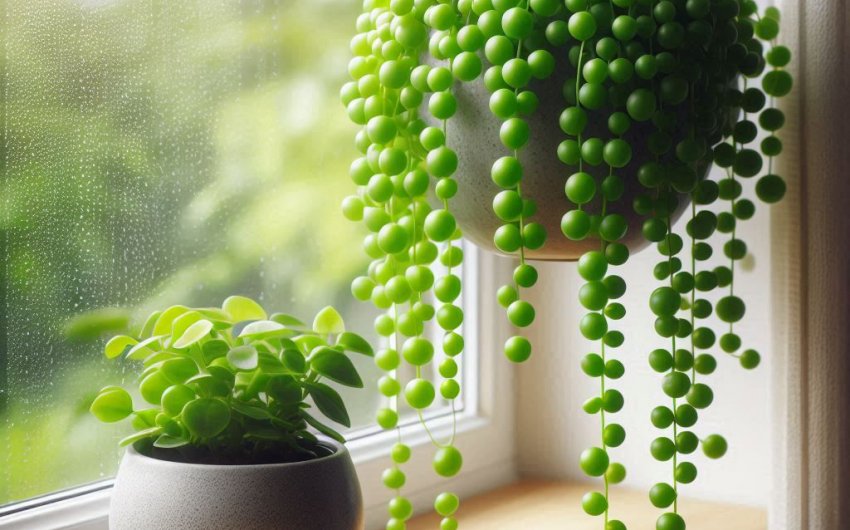
Caring for vining houseplants with trailing foliage adds a unique dimension to indoor plant decor, bringing a lush, cascading beauty to any space. Learning how do I care for hanging houseplants like String of Pearls involves understanding their specific needs, which often differ from more upright, leafy varieties. These captivating plants, including String of Pearls (Senecio rowleyanus), String of Hearts (Ceropegia woodii), and String of Nickels (Dischidia nummularia), require particular attention to light, watering, soil, and humidity to truly thrive and display their full charm.
Why Are Hanging Houseplants Unique?
Hanging houseplants, especially those with "string of" in their names like String of Pearls, often have unique care requirements that set them apart from traditional potted plants. Their specialized growth habits and native environments dictate a different approach to their well-being.
- Trailing Growth Habit: These plants are designed to cascade downwards, making them perfect for hanging baskets or shelves. This means their care often focuses on maintaining long, healthy strands and ensuring they have room to trail.
- Adaptations for Water Storage: Many "string of" plants, including String of Pearls, are succulents. This means they store water in their leaves (the "pearls" or "hearts"), stems, or roots. This adaptation affects their watering needs significantly, making them highly susceptible to overwatering.
- Specific Light Needs: While they often thrive in bright light, their delicate leaves can be prone to scorching in direct, intense sun, especially afternoon sun. They often prefer bright, indirect light that mimics their natural dappled habitats.
- Root Sensitivity: Their root systems can be particularly sensitive to consistently wet conditions, making proper drainage and well-draining soil paramount. Root rot is a common killer of these plants.
- Vulnerability to Stem Rot: Because their stems are often thin and delicate, they are susceptible to rot if they remain wet for too long, particularly where they emerge from the soil.
- Ideal for Elevated Display: Their beauty is best showcased when hung, which means factors like airflow around the plant and ease of watering in a hanging position need consideration.
Understanding these unique traits is the first step in mastering how do I care for hanging houseplants like String of Pearls and similar trailing succulents.
How Much Light Do Hanging Succulent-Like Houseplants Need?
Light is arguably the most crucial factor for String of Pearls and similar hanging succulent-like houseplants. Providing the right amount and type of light directly impacts their growth, color, and overall health.
- Bright, Indirect Light is Ideal: Most String of Pearls, String of Hearts, and similar succulent trailers thrive in bright, indirect sunlight. This means a spot near a sunny window (south- or west-facing in the Northern Hemisphere, north- or east-facing in the Southern Hemisphere), but slightly set back from the window or diffused by a sheer curtain.
- Avoid Direct, Harsh Sun: While they can tolerate some direct morning sun, intense, unfiltered afternoon sun can scorch their delicate leaves (pearls/hearts), causing them to turn yellow, brown, or develop sunspots. This stress can lead to decline.
- Signs of Insufficient Light: If your plant isn't getting enough light, the "pearls" or leaves might become sparse and elongated along the stem, indicating "legginess" as the plant stretches to find light. Growth will be slow, and the vibrant color might fade.
- Signs of Too Much Light/Sunburn: Leaves may shrivel, turn brown, or develop a reddish/purplish tint as a stress response to excessive light. The "pearls" might look deflated or crispy.
- Rotation: Rotate your hanging plant every few weeks to ensure all sides receive adequate light, promoting even growth and preventing one-sided legginess.
- Supplemental Lighting: If natural light is limited, especially during winter months, consider using a full-spectrum LED grow light. Position it several inches above the plant, typically for 10-14 hours a day, adjusting based on the light's intensity and plant response.
By carefully managing light exposure, you are providing the essential energy for these beautiful plants to thrive and display their unique cascading form, a key aspect of how do I care for hanging houseplants like String of Pearls.
What is the Correct Watering Technique for These Plants?
Overwatering is the single biggest killer of String of Pearls and most succulent-like hanging houseplants. Their ability to store water means they prefer to dry out significantly between waterings. Mastering the right technique is paramount for their survival.
- "Soak and Dry" Method: This is the golden rule for most succulents. Water thoroughly until water drains from the bottom of the pot. Then, allow the soil to dry out almost completely before watering again.
- Check Soil Moisture: Don't water on a schedule. Always check the soil moisture first.
- Finger Test: Stick your finger 1-2 inches (2.5-5 cm) into the soil. If it feels dry at that depth, check a bit deeper. For String of Pearls, you want the soil to be dry for a good portion of the pot before watering again.
- Lift the Pot: Get a feel for the weight of the pot when it's completely dry versus freshly watered. When it feels significantly lighter, it's time to water.
- Moisture Meter: A plant moisture meter can provide an accurate reading. For String of Pearls, wait until the meter reads in the "dry" zone.
- Avoid Soggy Soil: Consistently wet soil leads to root rot, which is often irreversible. Ensure your pot has ample drainage holes. If using a decorative pot without drainage, place the plant in a nursery pot inside it, remove for watering, and allow to drain completely before returning.
- Water Less in Winter: During fall and winter, when light levels are lower and temperatures might be cooler, plants go into a period of slower growth or dormancy. They will need significantly less water. Reduce watering frequency and allow the soil to stay dry for longer periods.
- Signs of Underwatering: Pearls/leaves may shrivel, flatten, or become wrinkled. Stems may become brittle. While they can tolerate some drought, prolonged underwatering will lead to dehydration and plant decline.
- Signs of Overwatering: Pearls/leaves turn yellow, become mushy, translucent, or burst. Stems turn black and mushy, indicating root rot. A foul odor from the soil is also a sign of rot.
By prioritizing thorough drying between waterings and always checking the soil, you address the most critical aspect of how do I care for hanging houseplants like String of Pearls successfully.
What is the Best Potting Mix and Pot Type?
The right potting mix and pot type are fundamental for the health of String of Pearls and similar hanging succulents, directly impacting drainage and preventing the dreaded root rot. These choices are just as vital as watering.
Potting Mix
A well-draining, gritty potting mix is essential to prevent waterlogging and allow the roots to breathe.
- Cactus and Succulent Mix: The easiest option is to use a pre-made cactus and succulent potting mix. These are formulated to drain quickly and dry out efficiently.
- DIY Mix: You can create your own by mixing equal parts:
- Standard Potting Mix: A regular indoor potting mix for a base.
- Perlite or Pumice: These lightweight, porous materials greatly improve drainage and aeration. Perlite for plants is readily available.
- Coarse Sand or Horticultural Grit: Adds weight and grittiness for fast drainage. Avoid play sand, which can compact.
- Avoid Heavy, Water-Retentive Mixes: Do not use standard indoor potting mixes straight out of the bag, as they often retain too much moisture for succulents and can lead to root rot. Similarly, garden soil is too dense and should never be used for indoor potted plants.
Pot Type and Size
The material and size of the pot play a significant role in how quickly the soil dries out and how comfortable the plant's roots are.
- Drainage Holes are Non-Negotiable: This cannot be stressed enough. Any pot used for String of Pearls MUST have drainage holes. If your decorative pot lacks them, use a plastic nursery pot inside it and remove the plant for watering to allow complete drainage.
- Terracotta (Unglazed Clay) Pots:
- Pros: Porous material allows water to evaporate through the pot's sides, which helps the soil dry out faster. This is excellent for preventing overwatering and root rot.
- Cons: Soil dries out more quickly, so you might need to water slightly more often. Can be heavier.
- Recommendation: A fantastic choice for String of Pearls and other succulents. Terracotta pots with drainage are widely available.
- Plastic Pots:
- Pros: Lightweight and affordable. Non-porous, so soil retains moisture longer.
- Cons: Can lead to overwatering if you're not careful, as the soil takes longer to dry out.
- Recommendation: Acceptable, but requires more careful watering. Ensure sufficient drainage holes.
- Ceramic/Glazed Pots:
- Pros: Attractive and come in many styles.
- Cons: Non-porous like plastic, so they retain moisture. Heavier. Must have drainage holes.
- Recommendation: Visually appealing, but requires careful watering.
- Pot Size:
- Not Too Large: String of Pearls and similar plants have relatively shallow root systems. Do not put a small plant in a massive pot. An oversized pot holds too much soil and moisture, leading to overwatering. Choose a pot only slightly larger than the root ball, or one that is well-suited to the trailing length.
- Slightly Root-Bound Preference: These plants often perform better when they are slightly root-bound, as this encourages them to focus energy on foliage (and sometimes flowers) rather than just root growth. Repot only when truly necessary (roots circling the pot or growing out of drainage holes).
By selecting the appropriate potting mix and pot, you establish the perfect growing environment, making these crucial factors in how do I care for hanging houseplants like String of Pearls successfully.
How Does Humidity and Air Circulation Impact These Plants?
While String of Pearls and many similar hanging succulents are not typically "humidity-loving" plants like ferns, providing good air circulation is crucial, and understanding their modest humidity needs is important for their overall health.
Humidity Levels
Most "string of" succulents originate from arid or semi-arid regions, so they do not require high humidity and can even suffer from too much moisture on their leaves or stems.
- Moderate to Low Humidity: These plants are generally content with typical indoor humidity levels. They don't need or benefit from misting.
- Avoid Excessive Humidity: Prolonged periods of high humidity combined with poor airflow can encourage fungal diseases, especially powdery mildew, or lead to rot where stems touch each other or the soil.
- Signs of Issues with Humidity: Brown spots on pearls/leaves, or a powdery white coating (mildew) can indicate a fungal issue exacerbated by high humidity and lack of air circulation.
Air Circulation
Good airflow around the plant is vital to prevent stagnant, moist conditions that encourage rot and fungal diseases.
- Placement: Place your hanging plant where it receives good air circulation. Avoid cramming it into a corner or against a wall where air cannot move freely around its trailing stems.
- Avoid Overcrowding: If you have many plants grouped together, ensure there's enough space between them to allow for good airflow.
- Benefit of Hanging: Hanging plants naturally benefit from better air circulation compared to plants sitting directly on a shelf, as air can move all around their trailing strands.
- Mild Fan (Optional): In very stagnant environments, a small, oscillating fan set on a low setting, far from the plant, can gently circulate air, but avoid strong, direct drafts that can stress the plant.
Understanding these relatively low humidity needs and the critical importance of good air circulation is a subtle yet important aspect of how do I care for hanging houseplants like String of Pearls.
What Other Care Tips Help String of Pearls Thrive?
Beyond the major considerations of light, watering, soil, and humidity, a few additional care practices contribute significantly to the health, vigor, and cascading beauty of String of Pearls and similar hanging houseplants.
Fertilizing
These plants are not heavy feeders; too much fertilizer can easily burn their sensitive roots.
- Less is More: Fertilize sparingly, if at all. Many gardeners find that String of Pearls thrives without frequent fertilization.
- During Growing Season: If you choose to fertilize, do so only during the active growing season (spring and summer).
- Diluted Solution: Use a very diluted liquid fertilizer (1/4 to 1/2 strength) specifically formulated for succulents or general houseplants. A succulent fertilizer is a good option.
- Water Before Fertilizing: Always water your plant thoroughly before applying fertilizer to prevent root burn.
- Signs of Over-Fertilization: Brown, crispy leaf tips or edges, stunted growth, or wilting despite adequate watering.
Pruning and Propagation
Regular pruning not only maintains shape but also encourages bushier growth and provides material for new plants.
- Pruning for Bushiness: If your plant is becoming leggy or sparse at the top, selectively prune back some of the longer strands. Cut just above a leaf node (where a "pearl" attaches to the stem). This encourages new growth to sprout from that point, making the plant fuller. Use clean, sharp pruning snips.
- Removing Dead/Damaged Strands: Trim away any shriveled, yellowing, or damaged strands to maintain plant health and appearance.
- Propagation: String of Pearls is incredibly easy to propagate from cuttings.
- Method 1 (Coiling on Soil): Take several 4-6 inch (10-15 cm) cuttings. Remove a few "pearls" from the bottom of the stem. Lay the bare stems directly on top of well-draining succulent soil in a new pot, coiling the strands gently on the surface. Lightly mist the soil occasionally until roots form (usually a few weeks).
- Method 2 (Water Propagation): Suspend cuttings in a small jar of water, ensuring the bare stem nodes are submerged but the pearls are above water. Roots will form in a few weeks, then plant in soil.
- Method 3 (Direct Planting): Stick the bare stem ends directly into moist succulent soil.
- Benefits: Propagation is a great way to fill out your existing pot, create new plants for friends, or recover from an overly leggy plant.
Pest and Disease Management
While generally robust, these plants can occasionally encounter common houseplant pests or fungal issues, often linked to improper care.
- Common Pests: Watch out for mealybugs (white, cottony masses) or aphids (small green/black bugs) on stems or under pearls. Less common are spider mites (fine webbing).
- Inspection: Regularly inspect your plant (especially when watering) for any signs of pests.
- Treatment: For small infestations, dab pests directly with a cotton swab dipped in 70% rubbing alcohol. For larger issues, spray with insecticidal soap or diluted Neem oil solution.
- Fungal Issues: Powdery mildew or black spots can occur with excessive humidity or poor air circulation. Ensure good airflow and reduce humidity if persistent.
By implementing these additional care tips, you are comprehensively addressing how do I care for hanging houseplants like String of Pearls, ensuring your unique plants remain vibrant and stunning additions to your indoor garden.