
What Is the Best Way to Care for a Chinese Money Plant (Pilea)?
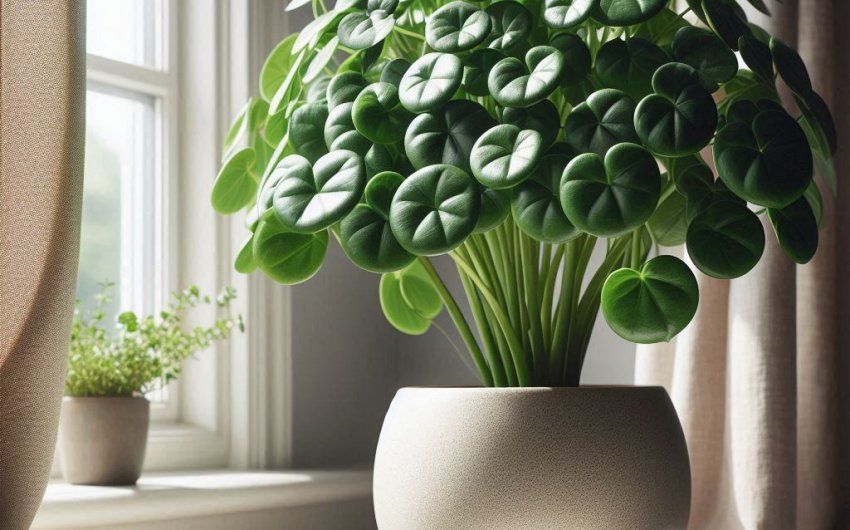
Understanding what is the best way to care for a Chinese Money Plant (Pilea) is essential for anyone looking to cultivate this charming and popular houseplant. Known for its distinctive round, coin-shaped leaves and relatively easy-going nature, the Pilea peperomioides has become a favorite among plant enthusiasts. With the right light, watering, and general attention, your Chinese Money Plant can thrive, producing plenty of "baby" plants to share with friends and family.
Where Should I Place My Chinese Money Plant for Optimal Growth?
The location you choose for your Chinese Money Plant plays a significant role in its overall health and growth. Light is arguably the most crucial factor, but temperature and humidity also contribute to creating an ideal environment for this plant to flourish.
How Much Light Does a Pilea Need?
Chinese Money Plants thrive in bright, indirect light. This means they need a good amount of light throughout the day, but direct sun exposure, especially harsh afternoon sun, can cause damage.
- Bright, Indirect Light: This is the sweet spot for Pilea.
- Ideal Location: An east-facing window is often perfect, providing gentle morning sun. A north-facing window can also work, though it might offer less intense light.
- Indirect Exposure: If you have a south or west-facing window, place the plant a few feet away from the window or use a sheer curtain to filter the intense afternoon sun. Direct, harsh sunlight can scorch the leaves, leading to brown or crispy spots.
- Rotate Regularly: Pilea plants tend to grow towards the light source. To keep its growth even and prevent it from leaning heavily to one side, rotate the pot every week or two. This ensures all sides of the plant receive adequate light and helps maintain a balanced, bushy appearance.
- Signs of Too Little Light: If your Pilea isn't getting enough light, its leaves may become smaller, stems might stretch out (a phenomenon known as etiolation), and the overall growth can slow down. The plant might also produce fewer "pups" or offsets.
- Signs of Too Much Light: Too much direct sun can lead to yellowing leaves, crispy brown spots, or a bleached appearance. If you notice these signs, move your plant to a shadier spot.
What Are the Ideal Temperature and Humidity Levels?
While light is primary, stable temperatures and moderate humidity levels also contribute to a happy Chinese Money Plant. They prefer conditions similar to average indoor environments.
- Temperature: Chinese Money Plants prefer average room temperatures, generally between 65-75°F (18-24°C).
- Avoid Extremes: Keep them away from sudden temperature fluctuations, such as drafts from open windows, air conditioning vents, or heating vents. Extreme cold or hot blasts can stress the plant.
- Minimum Temperature: Do not expose Pilea to temperatures below 50°F (10°C) for extended periods, as they are not cold-hardy and can suffer damage.
- Humidity: Pilea enjoys moderate to average humidity. Most indoor environments are suitable, but they appreciate a bit of extra moisture, especially in dry climates or during winter when heating systems can dry out the air.
- Increasing Humidity:
- Misting: Occasionally misting the leaves with a fine plant mister can provide a temporary humidity boost.
- Pebble Tray: Place the pot on a tray filled with pebbles and water. Ensure the bottom of the pot doesn't sit in the water. As the water evaporates, it creates a more humid microclimate around the plant.
- Humidifier: For very dry rooms, especially during winter, a room humidifier can benefit not only your Pilea but other humidity-loving houseplants as well.
- Increasing Humidity:
What Is the Best Watering Strategy for Pilea?
Watering is often the trickiest part of houseplant care, and Chinese Money Plants are no exception. They prefer consistent moisture but are very sensitive to overwatering, which can quickly lead to root rot.
How Often Should I Water My Pilea?
The frequency of watering depends on various factors, including light levels, temperature, humidity, pot size, and the type of potting mix. It's always best to water based on the plant's needs rather than a fixed schedule.
- Check the Soil Moisture: The golden rule for watering Pilea is to allow the top 1-2 inches of soil to dry out between waterings.
- Finger Test: Stick your finger about 2 inches deep into the soil. If it feels dry, it's time to water. If it feels moist, wait a few more days and check again.
- Lifting the Pot: Many experienced plant parents also gauge soil moisture by lifting the pot. A dry pot will feel significantly lighter than a moist one.
- Thorough Watering: When you do water, water thoroughly until you see water draining from the bottom of the pot. This ensures that the entire root ball is saturated.
- Avoid Sitting in Water: Never let your Pilea sit in standing water in its saucer for extended periods. This is a common cause of root rot. Always empty any excess water from the saucer about 15-30 minutes after watering.
- Seasonal Adjustment:
- Summer/Growing Season: During warmer months and the active growing season (spring and summer), your Pilea will likely need more frequent watering due to increased light and warmth.
- Winter/Dormant Season: In fall and winter, when light levels are lower and growth slows down, reduce watering frequency. The soil will dry out slower.
- Signs of Underwatering: Drooping, limp leaves, or leaves that feel crispy are common signs of underwatering. The plant may perk up quickly after a good soak.
- Signs of Overwatering: Yellowing leaves, especially lower ones, blackening stems, or a soft, mushy base are classic symptoms of overwatering and potentially root rot. If you suspect root rot, you'll need to act quickly (see troubleshooting section).
What Type of Water Should I Use?
While not always critical, the type of water can sometimes impact the long-term health of your Pilea, especially if your tap water contains high levels of certain minerals.
- Tap Water: For most people, regular tap water is perfectly fine.
- Chlorine/Fluoride: If your tap water is heavily chlorinated or fluoridated, you might notice some leaf tip browning over time. Allowing tap water to sit out for 24 hours can help dissipate chlorine, but not fluoride.
- Filtered Water: If you have hard tap water or suspect it's causing issues, using filtered water or distilled water can be beneficial.
- Rainwater: Rainwater is often considered the best for houseplants as it's naturally soft and free of chemicals. Collecting and using rainwater for plants can be a great option if feasible.
What is the Best Potting Mix and Pot for Pilea?
The right potting mix and pot are crucial for providing the proper drainage and aeration that a Chinese Money Plant needs to thrive. These choices directly impact how well your plant's roots can breathe and absorb nutrients.
What Potting Mix Should I Use?
Chinese Money Plants require a well-draining potting mix that allows excess water to escape quickly. This prevents waterlogging, which is the leading cause of root rot.
- Well-Draining Mix: A standard houseplant potting mix that is labeled as "well-draining" or "for succulents/cacti" is a good starting point.
- Amendments for Drainage: To further improve drainage and aeration, you can amend a regular potting mix with ingredients like:
- Perlite: Adds porosity and prevents compaction. A good ratio is 2 parts potting mix to 1 part perlite for plants.
- Coarse Sand or Pumice: Also aids in drainage and provides good aeration.
- Orchid Bark: Small pieces of orchid bark can also improve drainage and provide some air pockets.
- Avoid Heavy Soils: Do not use heavy garden soil or mixes that retain too much moisture, as this will lead to soggy conditions and inevitably, root rot.
What Type and Size of Pot is Best?
The choice of pot material and size directly affects soil moisture levels and overall plant health.
- Drainage Holes are Non-Negotiable: This is the most important factor. Always use a pot with adequate drainage holes at the bottom. Without them, water will sit and suffocate the roots. If you use a decorative pot without drainage, place the plant in a nursery pot with drainage holes inside the decorative one.
- Terracotta vs. Plastic:
- Terracotta Pots: These are porous, meaning they allow water to evaporate through their sides. This makes them excellent for plants sensitive to overwatering, as the soil dries out faster. However, you'll need to water more frequently. Look for terracotta plant pots.
- Plastic Pots: These retain moisture for longer periods, which means you'll water less frequently. They are lighter and more affordable. If you tend to overwater, terracotta might be a safer choice.
- Pot Size: Pilea plants generally prefer to be slightly root-bound (meaning their roots fill the pot but aren't circling excessively).
- Don't Overpot: Avoid potting a small Pilea into a very large pot. A large volume of soil around a small root system will hold too much moisture for too long, increasing the risk of root rot.
- Increase Gradually: When repotting, only go up one pot size (e.g., from a 4-inch to a 6-inch pot).
- Repotting Frequency: Pilea usually needs repotting every 1-2 years, or when you see roots growing out of the drainage holes or the plant becomes top-heavy.
When and How Should I Fertilize My Pilea?
Fertilizing your Chinese Money Plant provides essential nutrients that support healthy growth, vibrant foliage, and the production of new "pups." However, it's important to do so correctly to avoid over-fertilization.
How Often and What Type of Fertilizer?
Chinese Money Plants are not heavy feeders, but they do benefit from a regular boost of nutrients during their active growing season.
- Growing Season Only: Only fertilize during the active growing season, which is typically spring and summer. Avoid fertilizing in fall and winter when the plant's growth naturally slows down or becomes dormant.
- Balanced Liquid Fertilizer: Use a balanced liquid houseplant fertilizer. A formula with an N-P-K ratio like 10-10-10 or 20-20-20 (nitrogen, phosphorus, potassium) is suitable.
- Diluted Strength: Always dilute the liquid fertilizer to half or even quarter strength of what the package recommends. Pilea can be sensitive to over-fertilization, which can burn the roots.
- Frequency: Fertilize once every 2-4 weeks during the growing season. If using a very diluted solution (quarter strength), you might do it more frequently, like every other watering.
- Avoid Granular Fertilizers: Stick to liquid fertilizers for indoor plants, as granular types can release nutrients too quickly and cause root burn.
- Signs of Over-fertilization: Crispy brown leaf tips or edges, stunted growth, or white crusting on the soil surface can indicate too much fertilizer. If this happens, flush the soil thoroughly with plain water to wash out excess salts.
How Do I Propagate and Prune My Chinese Money Plant?
One of the most exciting aspects of owning a Chinese Money Plant is its prolific nature, readily producing "pups" or offsets that can be easily propagated. Pruning is also beneficial for maintaining its shape and health.
Propagating Pilea "Pups"
Chinese Money Plants are famous for producing small plantlets, often called "pups," from their stems or roots. Propagating these is incredibly easy and a fun way to expand your collection or share with others.
- When to Propagate: Wait until the pups are at least 2-4 inches tall and have developed a few leaves of their own. They should be strong enough to survive on their own.
- Stem Pups (Most Common):
- Locate: These grow directly from the main stem of the mother plant.
- Cut: Using a clean, sharp knife or pruning shears, carefully cut the pup off the main stem as close to the stem as possible, ensuring it has a bit of its own stem.
- Rooting in Water: Place the cut end of the pup in a small glass of water. Change the water every few days. You should see roots forming within 1-3 weeks.
- Potting: Once the roots are about an inch long, plant the pup in a small pot (e.g., 3-4 inch) with well-draining potting mix.
- Rhizome Pups (from the soil):
- Locate: These emerge directly from the soil, growing from the root system (rhizomes) of the mother plant.
- Separate: Gently dig around the base of the pup to expose its roots and the connection to the mother plant. Use a clean knife to cut the connecting rhizome, ensuring the pup has its own root system.
- Potting: Plant directly into a small pot with well-draining soil. Water thoroughly.
- Care After Potting: After potting, treat the newly propagated pups like mature Pilea plants, providing bright, indirect light and consistent moisture. They might experience a slight shock initially but should recover quickly.
Pruning for Shape and Health
Pruning is generally minimal for Pilea, but it can help maintain a desirable shape, encourage bushier growth, and remove unhealthy foliage.
- Remove Leggy Growth: If your Pilea is becoming too tall and leggy with sparse leaves on the lower stem, you can prune the top to encourage branching. Cut the main stem a few inches below the top leaves. The severed top can also be rooted in water to create a new plant.
- Remove Yellowing/Damaged Leaves: As Pilea grows, it's natural for older, lower leaves to yellow and drop off. Simply pinch or cut these off. This redirects the plant's energy to healthy new growth.
- Clean Up Pups: Regularly removing pups can help the mother plant direct more energy into its own growth rather than producing numerous offsets, though many people enjoy letting the pups grow for sharing.
- Use Clean Tools: Always use clean, sharp scissors or pruning shears to prevent the spread of diseases.
What Are Common Problems and How Do I Fix Them?
Even with the best care, Chinese Money Plants can sometimes face issues. Knowing how to diagnose and address common problems can help you keep your plant healthy and thriving.
Yellowing or Drooping Leaves
Yellowing or drooping leaves are common symptoms that can indicate various underlying issues, often related to watering or light.
- Overwatering:
- Symptoms: Lower leaves turn yellow and might feel soft or mushy. Stems may also turn dark and mushy, indicating root rot. The soil often stays wet for too long.
- Solution: Reduce watering frequency. Allow the soil to dry out more between waterings. If root rot is suspected, gently remove the plant from its pot, inspect the roots (trim off any black, mushy roots), repot in fresh, well-draining soil, and water sparingly until the plant recovers. Ensure good drainage.
- Underwatering:
- Symptoms: Leaves become limp, droopy, and may feel crispy. They might also curl inwards. The soil is visibly dry and pulling away from the sides of the pot.
- Solution: Water thoroughly until water drains from the bottom of the pot. The plant should perk up within a few hours. Increase watering frequency slightly, or consider watering more thoroughly each time.
- Lack of Light:
- Symptoms: Leaves may turn pale yellow or light green. New growth might be stretched and leggy (etiolated) as the plant searches for light.
- Solution: Move the plant to a location with brighter, indirect light.
- Nutrient Deficiency:
- Symptoms: Overall yellowing, sometimes with green veins (chlorosis), or stunted growth. This is less common if you fertilize regularly.
- Solution: Ensure you are fertilizing during the growing season with a balanced liquid fertilizer at diluted strength.
Brown or Crispy Spots/Edges on Leaves
Brown or crispy areas on Pilea leaves are usually a sign of environmental stress, often related to humidity, light, or water quality.
- Too Much Direct Sun:
- Symptoms: Brown or scorched spots appear on the leaves, especially new growth. Leaves might look bleached.
- Solution: Move the plant further away from the window or use a sheer curtain to diffuse the light.
- Low Humidity:
- Symptoms: Leaf tips or edges turn brown and crispy, even if the soil is adequately watered.
- Solution: Increase humidity around the plant using misting, a pebble tray, or a humidifier.
- Tap Water Issues (Chlorine/Fluoride/Mineral Buildup):
- Symptoms: Brown tips or edges, especially on older leaves. A white crust may form on the rim of the pot or on the soil surface.
- Solution: Let tap water sit out for 24 hours before use, use filtered water, or switch to rainwater. Periodically flush the soil by watering thoroughly until excess water drains out for several minutes, to help remove mineral buildup.
Pest Infestations
While generally hardy, Pilea can occasionally attract common houseplant pests, though less frequently than some other plants.
- Spider Mites:
- Symptoms: Tiny yellow/white stippling on leaves, very fine webbing on undersides of leaves or in leaf axils. The plant may look dusty or dull.
- Solution: See the "How to Get Rid of Spider Mites" blog post for detailed treatment steps (e.g., rinsing, neem oil, insecticidal soap, predatory mites). Increase humidity to deter them.
- Mealybugs:
- Symptoms: Small, white, cottony masses found in leaf axils, on stems, or on the undersides of leaves.
- Solution: Dab mealybugs directly with a cotton swab dipped in rubbing alcohol. For widespread infestations, use insecticidal soap or neem oil.
- Fungus Gnats:
- Symptoms: Tiny, black, flying insects buzzing around the soil. Their larvae can damage roots, but adults are harmless. Usually a sign of consistently wet soil.
- Solution: Allow the top few inches of soil to dry out completely between waterings. Use sticky traps for flying insects to catch adults. For severe infestations, apply BTI (Bacillus thuringiensis israelensis) dunks to your watering can.
By following these guidelines on what is the best way to care for a Chinese Money Plant (Pilea), you'll be well-equipped to enjoy a thriving, beautiful plant that brings a touch of good fortune and plenty of shareable babies to your home.