
How Do I Keep My Bromeliads Healthy Indoors?
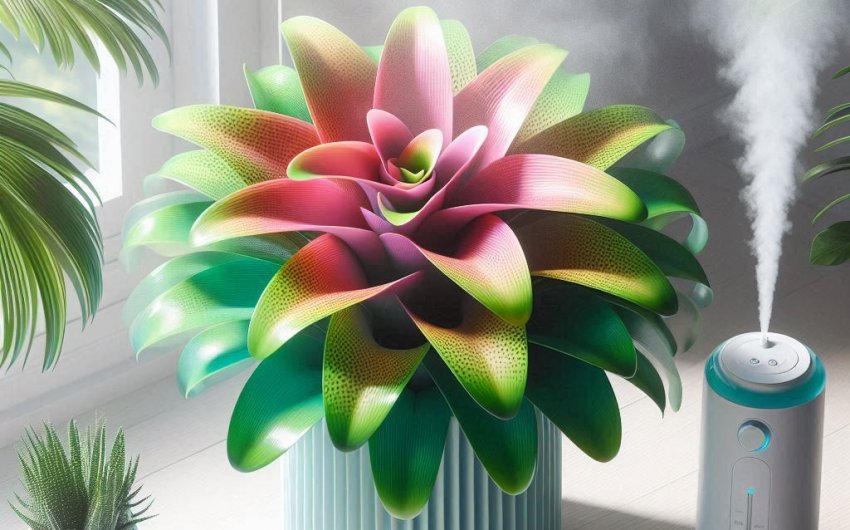
To keep bromeliads healthy indoors, understanding their unique needs is paramount. These fascinating plants, native to tropical and subtropical regions, have adapted distinct ways of absorbing water and nutrients, which significantly influences how we care for them in a home environment. Providing the right conditions, from light to humidity, is essential for their vibrant growth and eventual blooming.
What Kind of Light Do Bromeliads Need?
Providing the correct amount and type of light is crucial for the well-being of your indoor bromeliads. Too much direct sun can scorch their leaves, while too little light can prevent them from flowering and lead to dull coloration. The ideal light conditions mimic their natural habitat, often filtered by a tree canopy.
How Much Bright, Indirect Light?
Most bromeliads thrive in bright, indirect light. This means placing them near a window where they receive plenty of light but are shielded from the harsh, direct rays of the sun, especially during the hottest parts of the day. A few feet away from a south- or west-facing window, or directly in an east-facing window, is often ideal. Filtered light, like that coming through sheer curtains, is perfect.
What are the Signs of Too Much Light?
If your bromeliad is getting too much direct sunlight, you might notice its leaves turning pale, yellowish, or developing brown, crispy spots, which are signs of leaf scorch. The vibrant colors of the central bracts (the modified leaves that look like flowers) might also fade prematurely. If you observe these signs, move your plant to a shadier location immediately.
What are the Signs of Too Little Light?
Conversely, insufficient light can also harm your bromeliad. The plant may become leggy, with elongated, stretched-out leaves as it searches for light. The beautiful colors of the bracts might be dull or fail to develop properly, and the plant may never bloom. Growth will generally be slow and weak. If your bromeliad isn't showing its best colors or isn't blooming, try moving it to a brighter spot.
Are There Exceptions for Different Bromeliad Types?
While bright, indirect light is a good general rule, some bromeliad varieties have slightly different preferences.
- Vriesea and Guzmania varieties generally prefer slightly lower light levels, benefiting from shadier conditions than some other types.
- Neoregelias and Aechmeas, especially those with colorful foliage, often need brighter light to maintain their vibrant hues. Direct morning sun can sometimes enhance their coloration without causing damage. Always research your specific bromeliad species for its exact light requirements.
How Do I Water Bromeliads Properly?
Watering bromeliads is quite different from watering most other houseplants, primarily due to their unique structure. Many bromeliads are epiphytic, meaning they grow on other plants, not in soil, and collect water in their central "cup" or "tank." Understanding this adaptation is key to proper hydration for your indoor bromeliads.
How Do I Fill the Central Cup?
Most common bromeliads like Aechmeas, Guzmanias, and Vrieseas are "tank" bromeliads. They collect water in a central cup formed by their tightly overlapping leaves. This cup should be kept about one-quarter to half full with clean water. Use distilled water, rainwater, or filtered water to avoid mineral buildup, especially if your tap water is hard. Every few weeks, or more often if the water looks stagnant, empty the old water and refill it with fresh water to prevent bacterial growth and mosquito larvae.
How Do I Water the Soil (Potting Mix)?
Even though they collect water in their cup, bromeliads still benefit from some moisture in their potting mix, especially if they have roots in the mix. The soil should be kept lightly moist, but never soggy. Water the potting mix thoroughly, allowing excess water to drain out of the bottom of the pot. Then, allow the top inch or two of the mix to dry out before watering again. Overwatering the soil can lead to root rot, which is fatal for these plants.
What Kind of Water Should I Use?
The quality of water is more important for bromeliads than for many other plants. Tap water often contains chlorine, fluoride, and dissolved mineral salts (hard water), which can accumulate in the central cup and burn the sensitive leaf tissues or leave unsightly white deposits. It's best to use rainwater, distilled water, or filtered water (such as from a Brita filter pitcher). If you must use tap water, let it sit out for 24 hours to allow chlorine to dissipate.
How Often Should I Water?
The frequency of watering depends on several factors: the temperature, humidity, light levels, and the size of your bromeliad. In general, check the central cup every few days and refill as needed. For the potting mix, check it once a week or every two weeks. Stick your finger into the top inch of the soil; if it feels dry, it's time to water. Adjust your schedule seasonally, watering less in cooler, darker months.
Are There Differences for Terrestrial Bromeliads?
Some bromeliads, like Cryptanthus (Earth Stars), are terrestrial and grow directly in the soil, not having a central cup. For these varieties, the watering strategy is similar to other houseplants: keep the soil consistently moist but never waterlogged. Always allow the top layer of the potting mix to dry out slightly before watering again. They do not have a cup to fill, so all water should go directly onto the soil.
What is the Best Potting Mix for Bromeliads?
Choosing the right potting mix is fundamental for the health of your indoor bromeliads. Their epiphytic nature means they do not thrive in dense, heavy soil that retains too much moisture. Instead, they require a fast-draining, airy mix that provides good aeration and prevents root rot.
Why is Good Drainage So Important?
Bromeliads are highly susceptible to root rot if their roots remain in soggy conditions. In their natural habitat, they often cling to trees, meaning their roots are exposed to air and quickly dry out after rain. A potting mix that drains quickly mimics these conditions, allowing water to pass through freely and ensuring plenty of air circulation around the roots. This prevents anaerobic conditions that foster harmful bacteria and fungi.
What are the Components of an Ideal Mix?
An ideal potting mix for bromeliads should be coarse, airy, and well-aerated. It typically contains ingredients that promote drainage and discourage compaction. Common components include:
- Orchid Bark: Provides excellent drainage and aeration.
- Perlite: Lightweight volcanic rock that improves drainage and aeration.
- Coarse Sand: Can be used sparingly to add weight and improve drainage.
- Peat Moss or Coco Coir: Adds some moisture retention while still allowing for good drainage when mixed with other components.
- Charcoal: Helps absorb impurities and odors. A good ready-made bromeliad potting mix will have these qualities, or you can create your own.
Should I Use Regular Potting Soil?
No, standard potting soil is generally too dense and retains too much moisture for bromeliads. It can easily become waterlogged, leading to root suffocation and rot. While some terrestrial bromeliads might tolerate a mix with a higher soil content, it's safer to always err on the side of a more aerated, well-draining blend, even for them. Avoid anything heavy or fine that will compact over time.
How Do I Pot a Bromeliad?
When potting or repotting a bromeliad, choose a pot that is only slightly larger than its root ball. Bromeliads prefer to be somewhat root-bound.
- Place a layer of your chosen well-draining potting mix at the bottom of the pot.
- Center the bromeliad, ensuring the base of the plant (where the roots meet the leaves) is level with the top of the potting mix.
- Fill around the roots with more mix, gently patting it down but avoiding firm compaction. The goal is to stabilize the plant, not to pack the soil tightly.
- After potting, water thoroughly until water drains from the bottom.
What About Humidity and Air Circulation?
Humidity and air circulation are two often-overlooked environmental factors that significantly impact the health of indoor bromeliads. Coming from tropical rainforests, these plants thrive in high moisture environments, but they also need good airflow to prevent fungal issues. Balancing these two elements is key.
Why is High Humidity Important?
Bromeliads are naturally accustomed to very high humidity levels, often ranging from 60% to 80% or even higher, due to the constant moisture in their tropical habitats. In typical indoor environments, especially with heating or air conditioning, humidity levels can drop significantly, sometimes as low as 20-30%. Low humidity can cause the tips of bromeliad leaves to turn brown and crispy. It can also stunt growth and make the plant more susceptible to pests.
How Can I Increase Humidity Indoors?
There are several ways to boost humidity around your bromeliads:
- Humidifier: The most effective method is to use a room humidifier near your plants. This provides a consistent and measurable level of moisture in the air.
- Pebble Trays: Place the potted bromeliad on a tray filled with pebbles and water. Ensure the bottom of the pot does not sit directly in the water, as this can lead to root rot. As the water evaporates, it increases humidity around the plant.
- Grouping Plants: Grouping several plants together can create a localized microclimate with higher humidity, as plants release moisture through transpiration.
- Misting: While misting provides only a temporary boost in humidity and the effect wears off quickly, a daily mist with distilled or filtered water can be beneficial, especially for varieties with fuzzy leaves that can absorb moisture directly. Be careful not to leave water standing on the leaves for too long without good airflow, as this can promote fungal growth.
Why is Good Air Circulation Important?
While high humidity is necessary, stagnant, humid air is a breeding ground for fungal diseases. In their natural environment, bromeliads often experience gentle breezes that prevent moisture from sitting on their leaves for too long. Good air circulation prevents mold, mildew, and other fungal issues that can arise in warm, moist, stagnant conditions. It also helps prevent the accumulation of pests.
How Can I Improve Air Circulation?
- Proper Spacing: Don't crowd your bromeliads too closely together. Allow enough space between them for air to move freely around each plant.
- Open Windows/Fans: Occasionally open a window to allow fresh air to circulate, or use a small, oscillating fan on a low setting in the room. Ensure the fan isn't blowing directly on the plants, which could dry them out too quickly.
- Avoid Enclosed Spaces: Do not place bromeliads in overly enclosed or poorly ventilated areas like tightly packed terrariums without airflow.
Do Bromeliads Need Fertilizer?
Unlike many other houseplants that are heavy feeders, bromeliads have very low nutritional requirements. In their natural habitat, they primarily obtain nutrients from decaying organic matter (like leaves and insects) that fall into their central cup or from minimal absorption through their roots. Over-fertilizing is a common mistake that can easily burn their sensitive leaves and roots.
How Little Fertilizer Do They Need?
Generally, bromeliads require very little fertilizer, if any. Many growers find that their plants thrive without any added nutrients, especially if they are growing in fresh potting mix that might contain some initial nutrients. If you choose to fertilize, it should be done very sparingly.
What Kind of Fertilizer Should I Use?
If you decide to fertilize, use a liquid houseplant fertilizer at a greatly reduced strength.
- Low Nitrogen: Look for a balanced fertilizer or one with a slightly higher phosphorus and potassium content, as too much nitrogen can lead to lush green growth at the expense of flowering.
- Water-Soluble: Ensure it's a water-soluble formula that can be easily diluted.
- Dilution: The most crucial point is dilution. Dilute the fertilizer to about one-eighth or one-quarter strength of what is recommended for other houseplants.
How Do I Apply Fertilizer?
The method of applying fertilizer depends on whether your bromeliad is a "tank" variety or a terrestrial one.
- For Tank Bromeliads (e.g., Aechmea, Guzmania, Vriesea): The safest way to fertilize these is to apply the highly diluted fertilizer solution directly into the central cup, allowing the plant to absorb it through specialized cells in its leaves. Avoid pouring fertilizer onto the soil, as this can easily lead to root burn.
- For Terrestrial Bromeliads (e.g., Cryptanthus): Apply the diluted fertilizer solution to the potting mix, ensuring it drains through quickly. Again, avoid over-fertilizing.
How Often Should I Fertilize?
Fertilizing frequency should be minimal. For most indoor bromeliads, fertilizing once or twice a year during the active growing season (spring and summer) is sufficient. Some growers opt for even less frequent fertilization, or only when a plant seems particularly stunted or lacking vigor. Always flush the central cup with clean water a day or two after fertilizing to prevent salt buildup.
What are the Signs of Over-Fertilization?
Over-fertilization is a more common problem than under-fertilization for bromeliads. Signs of over-fertilization include:
- Brown or Crispy Leaf Tips: This is a classic symptom of fertilizer burn.
- Wilting or Limp Leaves: Despite adequate watering.
- White Crust on Leaves or Potting Mix: Indicates salt buildup from excessive fertilizer. If you notice these signs, immediately flush the central cup and the potting mix (if applicable) with plenty of clean water to leach out the excess salts.
How Do I Encourage My Bromeliad to Bloom?
One of the most rewarding aspects of growing bromeliads is witnessing their spectacular blooms. However, indoor bromeliads sometimes need a little nudge to initiate flowering. While healthy plants eventually bloom on their own, you can encourage the process through a simple, natural method.
When Do Bromeliads Typically Bloom?
Most bromeliads only bloom once in their lifetime, but their "bloom" is actually a colorful inflorescence, a modified stalk with bracts (colorful leaves) and small, often inconspicuous flowers. This colorful display can last for several months, making it seem like a very long-lasting bloom. After the display fades, the mother plant will begin to produce "pups" or offsets, which will eventually become new plants.
What Conditions Promote Blooming?
To encourage your bromeliad to bloom, you need to provide optimal growing conditions consistently. This includes:
- Adequate Light: Sufficient bright, indirect light is paramount. Insufficient light is often the main reason bromeliads fail to bloom indoors.
- Mature Plant: The plant must be mature enough. Pups typically need to grow for one to three years before they are ready to bloom.
- Proper Watering and Humidity: Consistent care without over or under-watering.
How Can I Force a Bromeliad to Bloom?
The most common and effective method to force a bromeliad to bloom is by using ethylene gas. Ethylene is a natural plant hormone that triggers flowering in many plants, including bromeliads.
- Select a Healthy, Mature Plant: Ensure your bromeliad is healthy and its foliage is fully developed.
- Gather Supplies: You will need a ripe apple (or banana), a large clear plastic bag (like a clear trash bag), and your bromeliad.
- Place Fruit and Plant: Put the bromeliad (pot and all) inside the plastic bag. Place the ripe apple (or a few banana peels) next to the plant inside the bag. Ripe fruit naturally releases ethylene gas.
- Seal and Wait: Seal the bag tightly to trap the ethylene gas around the plant. Place the bagged plant in a warm, bright location (but out of direct sun to prevent overheating).
- Monitor: Leave the plant sealed for 7-10 days. After this period, remove the fruit and the bag.
- Patience: The flowering process is not immediate. It can take anywhere from two to four months after the ethylene treatment for the flower stalk and colorful bracts to emerge.
What if it Doesn't Bloom After Forcing?
If your bromeliad doesn't bloom after attempting to force it, there are a few possibilities:
- Not Mature Enough: The plant may still be too young. Allow it to grow larger and try again in a few months.
- Insufficient Light: Even with ethylene, if the plant isn't receiving enough light, it might struggle to bloom.
- Poor Health: A stressed or unhealthy plant might not have the energy reserves to produce a bloom.
- Insufficient Ethylene: The fruit might not have been ripe enough, or the bag wasn't sealed properly to trap enough gas.
Patience and consistent good care are key to encouraging your indoor bromeliads to produce their stunning, long-lasting displays.
What Do I Do After a Bromeliad Blooms?
Once your bromeliad has finished its spectacular blooming cycle, the mother plant will slowly begin to decline. This is a natural and expected part of its life cycle. However, this isn't the end of your plant's journey; it's the beginning of a new generation. The focus now shifts to nurturing the next generation of plants: the "pups."
What Happens to the Mother Plant?
After blooming, the vibrant bracts and flowers of the mother plant will start to fade, dry, and eventually die back. The leaves of the main rosette may also begin to yellow, brown, or generally look less vigorous. This is because the mother plant has expended its energy on producing the bloom and is now directing its remaining energy into creating offsets or "pups." Do not throw the plant away immediately.
What are Pups or Offsets?
"Pups" or "offsets" are small, miniature versions of the mother plant that emerge from the base or sides of the mother plant. These are clones of the mother plant and represent the next generation. A healthy mother plant can produce anywhere from one to several pups.
When Should I Remove the Pups?
Patience is key when waiting for pups to grow. Do not remove them too early.
- Size Rule: Wait until the pups are at least one-third to one-half the size of the mother plant. At this size, they will have developed their own independent root systems, giving them a much better chance of survival when separated. This typically takes several months after they first appear.
- Root Development: Gently check for their own established roots. If they don't have good root development, they are not ready for separation.
How Do I Separate and Pot Pups?
Separating pups is a straightforward process:
- Prepare a Pot: Have a small pot (about 4-6 inches) ready with a fresh batch of fast-draining bromeliad potting mix.
- Remove Mother Plant: Carefully remove the entire mother plant from its pot. You may need to gently loosen the soil around the roots.
- Locate Pups: Identify the pups growing from the base of the mother plant.
- Clean Cut: Using a clean, sharp knife or sterile pruners, carefully cut the pup away from the mother plant. Make the cut as close to the mother plant as possible, ensuring the pup has some roots attached.
- Plant the Pup: Plant the separated pup in its new pot, ensuring the base of the pup (where the leaves meet the roots) is just at the soil line. Gently firm the potting mix around it to stabilize it.
- Water Lightly: Water the potting mix lightly to settle it. For tank bromeliads, also fill the central cup with water.
Can I Keep the Mother Plant?
After separating the pups, the mother plant will continue to decline. You can generally discard the mother plant once all viable pups have been removed and potted. It will not re-bloom, and its health will continue to fade. However, some people choose to keep it for a while longer if it still has green leaves, as it might produce more pups, though these might be smaller.
By understanding this natural cycle and successfully propagating the pups, you can ensure a continuous supply of beautiful indoor bromeliads for years to come.
What Are Common Problems with Indoor Bromeliads?
Even with the best care, indoor bromeliads can sometimes encounter problems. Recognizing the symptoms early and understanding their causes is crucial for quickly addressing issues and restoring your plant's health. Most problems stem from incorrect environmental conditions or improper watering.
Why are My Leaf Tips Turning Brown?
Browning leaf tips are one of the most common complaints among bromeliad owners.
- Low Humidity: The primary cause is almost always low humidity. Indoor air, especially in heated or air-conditioned homes, is often too dry for these tropical plants. Increase humidity around your plant using a humidifier, pebble tray, or by grouping plants.
- Hard Water/Mineral Buildup: Another cause can be the accumulation of salts and minerals from hard tap water in the central cup. Flush the cup regularly with distilled or filtered water.
- Over-fertilization: Excess fertilizer can burn leaf tips. If you've recently fertilized, flush the plant with clean water.
What Causes Root Rot?
Root rot is a serious and often fatal problem for bromeliads, caused by excessive moisture around their roots.
- Overwatering the Soil: Keeping the potting mix constantly soggy, or using a pot without adequate drainage holes, will suffocate the roots and lead to rot.
- Dense Potting Mix: Using standard potting soil that doesn't drain well contributes to root rot.
- Symptoms: Signs include mushy, foul-smelling roots, yellowing or wilting leaves despite watering, and a generally declining plant.
- Solution: If caught early, repot the plant in fresh, well-draining bromeliad potting mix after trimming away any rotten roots. However, severe root rot is often irreversible.
Why is My Bromeliad Not Blooming?
The failure of a bromeliad to bloom is usually due to one of two main reasons.
- Insufficient Light: This is the most common reason. Bromeliads need plenty of bright, indirect light to gather enough energy to produce a flower stalk. Move your plant to a brighter location.
- Not Mature Enough: The plant may simply be too young. Pups need time to grow into mature plants before they can bloom. Be patient.
- Other Factors: Lack of appropriate temperature fluctuations, or very low humidity, can also sometimes inhibit blooming. You can try forcing the bloom with ethylene gas from a ripe apple.
What Pests Affect Bromeliads?
While generally robust, bromeliads can occasionally suffer from common houseplant pests.
- Mealybugs: These fuzzy, white, cotton-like insects often congregate in leaf axils (where the leaf meets the stem).
- Scale Insects: These appear as small, brown, oval bumps on stems and leaves.
- Aphids: Small, soft-bodied insects that cluster on new growth.
- Treatment: For light infestations, wipe pests away with a cotton swab dipped in rubbing alcohol. For more severe cases, use an insecticidal soap or neem oil, ensuring good air circulation afterward. Always inspect new plants before introducing them to your collection.
What Causes Leaf Spot or Fungal Issues?
Fungal diseases can occur on bromeliads, especially if conditions are too wet and stagnant.
- Standing Water on Leaves: Leaving water on the leaves or in the cup for too long without good air circulation can promote fungal growth, especially if the water is stagnant.
- Poor Air Circulation: Combined with high humidity, poor airflow creates an ideal environment for fungi.
- Symptoms: Brown or black spots on leaves, or a general mushy appearance.
- Solution: Ensure good air circulation. Periodically empty and refill the central cup. Trim affected leaves if the problem is minor. For persistent issues, a fungicide may be necessary, but environmental adjustments are usually more effective for your indoor bromeliads.