
How Can I Grow Tropical Houseplants Like Bird of Paradise Indoors?
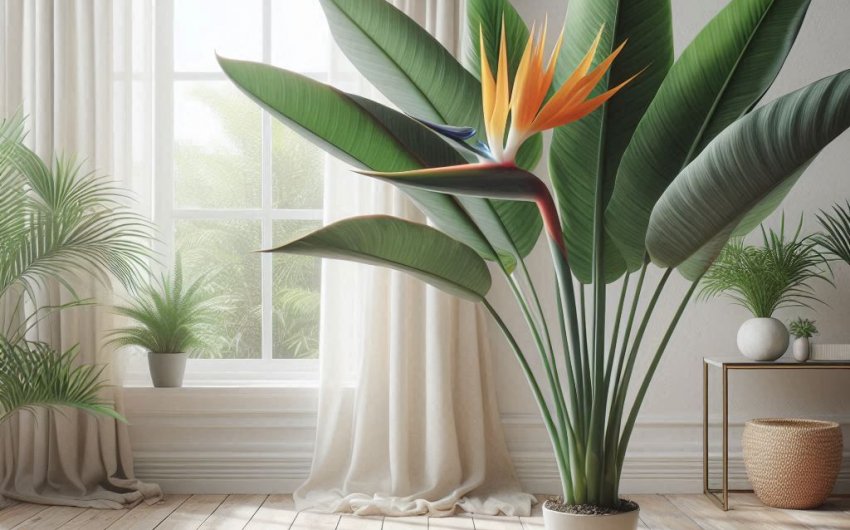
Bringing the vibrant beauty of the tropics into your home is an achievable and rewarding endeavor, even for those in cooler climates. Many stunning tropical houseplants, like the majestic Bird of Paradise (Strelitzia reginae), can thrive indoors with the right approach. Understanding their native environmental conditions and replicating them as closely as possible within your living space is the key to successfully cultivating these exotic beauties, allowing you to enjoy their lush foliage and, for some, their spectacular blooms.
What Do Tropical Houseplants Need to Thrive Indoors?
Tropical houseplants originate from warm, humid climates, often with abundant indirect light and consistent moisture. To successfully grow them indoors, you need to mimic these conditions as closely as possible within your home environment. This involves paying close attention to light, humidity, temperature, and specific care routines that cater to their unique needs.
Understanding Light Requirements
Most tropical houseplants, including the Bird of Paradise, prefer bright, indirect light. In their natural habitats, they often grow under a canopy of taller trees, receiving filtered sunlight. Direct, harsh sunlight, especially through a window, can scorch their leaves. An east-facing window offers ideal morning sun, while a few feet back from a south or west-facing window is usually suitable. If natural light is insufficient, supplementing with a grow light for houseplants can be beneficial, especially during shorter winter days.
Why is Humidity So Important?
Humidity is arguably the most critical factor for most tropical houseplants. Coming from rainforests, they are accustomed to consistently moist air. Indoor environments, particularly with heating or air conditioning, tend to be very dry. Low humidity can lead to crispy leaf edges, browning tips, and increased susceptibility to pests like spider mites.
Maintaining Consistent Temperatures
Tropical houseplants thrive in warm, stable temperatures. Most prefer a range between 65°F and 85°F (18°C to 29°C). Avoid sudden temperature drops or cold drafts, which can shock and damage these sensitive plants. Keep them away from drafty windows, exterior doors, and heating or cooling vents. Consistent warmth is key to their vigorous growth.
The Right Watering and Soil for Tropicals
Proper watering and a suitable soil mix are fundamental. Tropical plants generally prefer consistently moist, but not soggy, soil. The soil should be well-draining to prevent root rot.
Watering Best Practices
Water your tropical houseplants when the top inch or two of soil feels dry to the touch. This can vary from once a week to every few days, depending on the plant's size, pot material, and environmental conditions. Always water thoroughly until water drains from the bottom of the pot. Ensure the pot has drainage holes to prevent water from sitting at the bottom, which leads to root rot. Use tepid (room temperature) water, as cold water can shock roots.
Choosing the Ideal Potting Mix
A well-draining potting mix is essential for tropical houseplants. A good quality, peat-based houseplant mix is often a good starting point. You can improve drainage and aeration by adding perlite, bark, or coarse sand. For specific plants like aroids (Monstera, Philodendron), a chunkier mix with orchid bark and coco coir is beneficial. An effective tropical plant potting mix like FoxFarm Ocean Forest Potting Soil provides good drainage and nutrients.
How Can I Provide Enough Humidity for Tropical Houseplants?
As previously mentioned, humidity is paramount for tropical houseplants. Indoor air can often be too dry for them, leading to stressed plants and vulnerability to pests. Fortunately, there are several effective strategies to boost the ambient moisture around your plants.
Misting Regularly
Misting the foliage with a fine spray of water is a popular way to increase humidity, though its effects are temporary. Use a plant mister and mist once or twice a day, especially during dry periods or if you notice crispy leaf edges. While misting provides a quick boost, it's not a long-term solution for plants that demand consistently high humidity.
Using a Pebble Tray
A pebble tray is a simple yet effective method for creating a localized humid microclimate. Fill a shallow tray with pebbles and add water, ensuring the water level is below the top of the pebbles so the plant pot isn't sitting directly in water. As the water evaporates, it increases the humidity directly around the plant. This is a great solution for single plants or small groupings.
Employing a Humidifier
For serious tropical plant enthusiasts or those with many humidity-loving plants, a room humidifier is the most effective and consistent way to maintain high humidity levels. Place the humidifier near your plant collection, making sure to follow the manufacturer's instructions for cleaning and refilling to prevent mold growth. A humidifier for plants can make a significant difference.
Grouping Plants Together
Plants naturally release moisture into the air through a process called transpiration. By grouping several tropical houseplants closely together, they create a small, more humid microclimate amongst themselves. This is a mutually beneficial arrangement and can significantly contribute to their overall well-being.
How Do I Care for a Bird of Paradise Indoors?
The Bird of Paradise (Strelitzia reginae) is a truly iconic tropical houseplant, renowned for its architectural foliage and, if conditions are right, its spectacular, crane-like blooms. While it's a relatively easy-care plant, understanding its specific needs will help it flourish and potentially reward you with those famous flowers.
Light Requirements for Bird of Paradise
The Bird of Paradise plant craves bright light, preferably direct sunlight for at least 4-6 hours a day if you want it to bloom. This is a crucial difference from many other tropical houseplants that prefer only indirect light. Place it in a south or west-facing window where it can receive plenty of sun. Inadequate light is the most common reason a Bird of Paradise fails to flower indoors. If you don't have enough natural light, a powerful LED grow light for flowering plants can help.
Watering a Bird of Paradise
During the active growing season (spring and summer), water your Bird of Paradise thoroughly when the top 2-3 inches of soil feel dry. Allow excess water to drain completely from the bottom of the pot. In fall and winter, reduce watering frequency, allowing the soil to dry out more between waterings, but don't let it become bone dry. While they like moisture, they are susceptible to root rot if left in soggy conditions.
Soil and Potting for Bird of Paradise
A well-draining potting mix is essential. A standard good quality houseplant potting mix with added perlite or sand for extra drainage works well. Bird of Paradise plants also like to be slightly root-bound to encourage blooming, so avoid repotting too frequently or into a pot that is too large. When repotting, only go up one pot size. Ensure the pot has ample drainage holes.
Temperature and Humidity for Bird of Paradise
Bird of Paradise plants thrive in warm temperatures, ideally between 65°F and 80°F (18°C to 27°C). They can tolerate slightly cooler night temperatures but avoid anything below 50°F (10°C). While they appreciate humidity, they are more tolerant of average household humidity levels than some other tropicals. However, higher humidity will prevent leaf splitting and make them more robust. Misting or a pebble tray can still be beneficial.
Fertilizing a Bird of Paradise
During the active growing season (spring and summer), feed your Bird of Paradise with a balanced liquid fertilizer every 2-4 weeks. Look for a fertilizer with an NPK ratio suitable for flowering plants, perhaps something like a 5-10-5 or 10-10-10, diluted to half strength. A good choice is Miracle-Gro Indoor Plant Food. Reduce or stop fertilizing entirely during the fall and winter months.
Pruning and Grooming a Bird of Paradise
Prune your Bird of Paradise to remove any dead, yellowing, or damaged leaves. Use sharp, clean pruning shears and cut the leaf stem as close to the base of the plant as possible. This helps the plant focus energy on new, healthy growth. You can also wipe down the large leaves periodically with a damp cloth to remove dust and keep them looking shiny and allow for better photosynthesis.
Encouraging Blooms in Bird of Paradise
Blooming indoors can be challenging but not impossible.
- Plenty of Bright, Direct Light: This is the most critical factor.
- Maturity: Plants usually need to be at least 3-5 years old and well-established to bloom.
- Slightly Root-Bound: As mentioned, they prefer tight roots.
- Consistent Care: Avoid stressing the plant with extreme temperature changes, inconsistent watering, or nutrient deficiencies.
- Winter Rest Period: Some growers induce a rest period in winter with slightly cooler temperatures (but not below 50°F) and reduced watering.
What Are Other Popular Tropical Houseplants and Their Care Tips?
Beyond the Bird of Paradise, many other captivating tropical houseplants can bring lushness and exotic flair to your indoor spaces. Each has its own unique charm and specific care requirements, but generally, they all thrive under conditions that mimic their warm, humid native environments.
Monstera Deliciosa (Swiss Cheese Plant)
The Monstera Deliciosa is a highly popular tropical houseplant known for its large, glossy, heart-shaped leaves that develop characteristic splits and holes (fenestrations) as they mature.
- Light: Bright, indirect light. Direct sun can scorch leaves.
- Water: Water when the top 2-3 inches of soil are dry.
- Humidity: High humidity is preferred; mist or use a pebble tray.
- Soil: A chunky, well-draining aroid mix with bark, perlite, and coco coir is ideal.
- Support: Provide a moss pole for Monstera for its aerial roots to climb.
Philodendron Varieties (Heartleaf, Pink Princess, Split-leaf)
The Philodendron genus is vast, offering both vining and upright tropical houseplants with diverse foliage. The Heartleaf Philodendron (Philodendron hederaceum) is a classic for its easy care.
- Light: Medium to bright indirect light. Tolerates lower light but grows slower.
- Water: Water when the top inch of soil is dry.
- Humidity: Appreciates higher humidity but tolerates average indoor levels.
- Soil: A well-draining houseplant mix.
Alocasia Varieties (Elephant Ear, Polly)
Alocasias are stunning tropical houseplants famous for their large, often dramatically veined or textured leaves. They are a bit more demanding than some other tropicals.
- Light: Bright, indirect light.
- Water: Keep soil consistently moist but never soggy.
- Humidity: Requires high humidity; a humidifier is often best.
- Soil: A well-draining, airy mix rich in organic matter.
- Dormancy: Some varieties may go dormant in winter, losing leaves. Reduce watering during this period.
Calathea Varieties (Prayer Plant, Rattlesnake Plant)
Calatheas are beloved for their exquisitely patterned leaves, often with vibrant undersides, and their unique habit of folding their leaves up at night. They demand consistent care.
- Light: Low to medium indirect light. Direct sun will scorch leaves.
- Water: Keep soil consistently moist; do not allow to dry out completely. Use distilled or rainwater to prevent brown leaf edges.
- Humidity: High humidity is crucial; a humidifier is often necessary.
- Soil: A well-draining, moisture-retentive potting mix.
Anthurium (Flamingo Flower, Laceleaf)
Anthuriums are eye-catching tropical houseplants grown for their glossy, heart-shaped "flowers" (actually spathes) in shades of red, pink, white, or purple, and their dark green foliage.
- Light: Bright, indirect light.
- Water: Water when the top inch of soil is dry.
- Humidity: High humidity is preferred.
- Soil: A loose, well-draining mix, often with orchid bark and perlite, as they are epiphytic in nature.
What Are Common Issues with Tropical Houseplants and How to Solve Them?
Even with the best intentions, tropical houseplants can present challenges. Recognizing common problems and understanding their solutions is crucial for keeping your plants healthy and vibrant. Most issues stem from not adequately replicating their native tropical environment.
Brown Leaf Tips and Edges
This is a very common issue for many tropical houseplants.
- Cause: Most often, it's due to low humidity. It can also be caused by inconsistent watering (allowing the soil to dry out too much between waterings) or fluoride/salt buildup from tap water or over-fertilization.
- Solution: Increase humidity (misting, pebble tray, humidifier). Water consistently. If tap water is very hard, consider using distilled or rainwater. Periodically flush the soil with plain water to remove salt buildup.
Yellowing Leaves
Yellowing can indicate several problems, depending on where on the plant it occurs.
- Cause: Overwatering (most common, especially for lower leaves, often with mushy stems/root rot). Can also be due to under-fertilization (overall pale yellowing), or normal aging (older, lower leaves).
- Solution: Check soil moisture and drainage. Reduce watering frequency if soggy. If root rot suspected, repot into fresh, well-draining soil after trimming mushy roots. If under-fertilized, apply a balanced liquid fertilizer during the growing season.
Drooping or Wilting Leaves
- Cause: Usually underwatering. The plant is thirsty and its cells are losing turgor. Can also be a symptom of overwatering if it leads to root rot, where roots can no longer absorb water.
- Solution: If soil is dry, water thoroughly. If soil is wet and plant is drooping, check for root rot.
Stunted Growth or Lack of New Growth
- Cause: Not enough light, insufficient nutrients, or being root-bound.
- Solution: Move to a brighter location. Fertilize during the growing season. Check roots and repot if necessary.
Pests (Spider Mites, Mealybugs, Scale)
Tropical houseplants are particularly attractive to common houseplant pests.
- Cause: Low humidity (especially for spider mites), bringing in an infected plant, or general plant stress.
- Solution:
- Spider Mites: Increase humidity. Wipe down leaves with a damp cloth or a mixture of water and Neem oil for plants.
- Mealybugs & Scale: Dab with cotton swab dipped in rubbing alcohol. Use insecticidal soap for larger infestations.
- Prevention: Regularly inspect your plants. Quarantine new plants. A healthy plant is more resistant.
Fungal Issues (Leaf Spot, Root Rot)
- Cause: Often related to overwatering, poor air circulation, or high humidity without adequate ventilation.
- Solution: Improve air circulation. Avoid overhead watering. Ensure excellent drainage. For root rot, allow soil to dry, or repot with fresh soil.
By understanding the unique environmental needs of tropical houseplants like the magnificent Bird of Paradise and diligently addressing their care requirements, you can successfully cultivate a lush, vibrant indoor oasis.