
How to Incorporate Vintage Elements in Garden Decor?
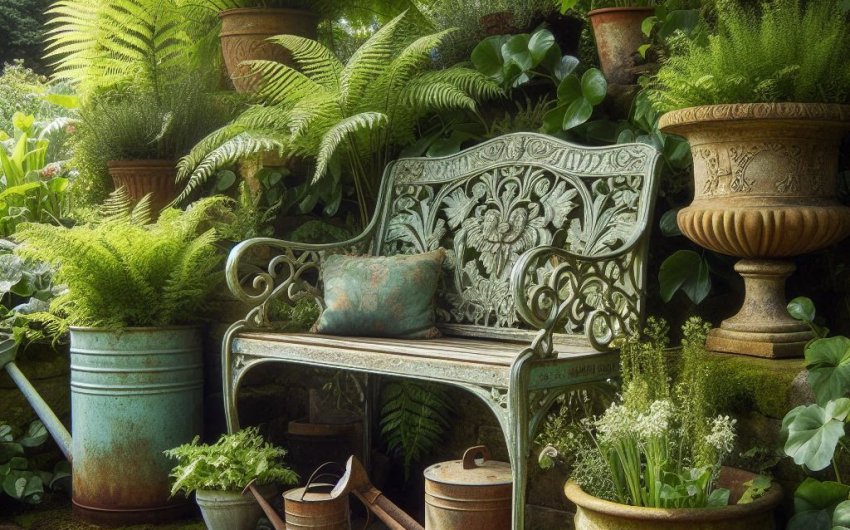
Gardens are more than just collections of plants; they are extensions of our homes, reflecting our personal style and creativity. For many, the charm of yesteryear holds a special allure, bringing a sense of history, nostalgia, and unique character to outdoor spaces. Learning how to incorporate vintage elements in garden decor offers a wonderful opportunity to blend the timeless beauty of aged pieces with the vibrant life of flourishing greenery. This approach not only creates a unique and captivating aesthetic but also promotes sustainability by giving new life to forgotten treasures, transforming your garden into a truly distinctive sanctuary.
Why Choose Vintage Elements for Garden Decor?
In a world increasingly dominated by mass-produced items, vintage garden decor offers an authentic charm that is hard to replicate. These pieces carry a story, adding depth and personality to your outdoor space that modern items often lack. Beyond aesthetics, incorporating vintage elements is a sustainable and often budget-friendly way to create a truly unique and inviting garden.
What is the Appeal of "Aged" Garden Decor?
The allure of aged garden decor lies in its unique qualities that develop over time:
- Character and History: Each vintage piece carries a past, a story from a different era. This inherent history adds a layer of depth and interest to your garden that new items simply can't provide. Imagine a rusty old watering can that has seen decades of use or a weathered stone birdbath that has stood the test of time.
- Unique Aesthetic: Vintage items often have unique designs, craftsmanship, and patinas that are distinct from contemporary mass-produced goods. The wear and tear, the subtle rust, the faded paint, or the mossy growth all contribute to an authentic, lived-in look that creates a cozy and welcoming atmosphere. This is the essence of vintage garden decor ideas.
- Blends with Nature: The weathered appearance of vintage items often blends seamlessly with natural garden elements. Their muted tones and organic textures complement lush greenery, creating a harmonious and cohesive look rather than clashing with it. A naturally aged piece often looks "right at home" in a garden setting.
- Sense of Nostalgia and Whimsy: For many, vintage items evoke a sense of nostalgia for simpler times or childhood memories. They can add a whimsical or romantic touch to the garden, creating a space for relaxation and reflection.
- Texture and Contrast: An old metal pail or a chipped ceramic planter adds visual texture that contrasts beautifully with soft foliage and vibrant flowers, making the garden more visually dynamic.
How Does it Benefit Your Garden and the Environment?
Incorporating vintage elements in garden decor offers practical and environmental advantages:
- Sustainability and Eco-Friendliness: Repurposing old items is a fantastic way to practice sustainability. Instead of contributing to landfills, you're giving forgotten objects a new purpose, reducing waste, and lessening demand for new manufactured goods. This aligns perfectly with a "reduce, reuse, recycle" philosophy for your garden decor.
- Cost-Effectiveness: Finding vintage treasures at flea markets, antique shops, garage sales, or even inherited from family can often be much cheaper than buying new garden decor from a store. You can often find unique pieces for a fraction of the cost.
- Personalized Style: Vintage items allow you to inject a highly personalized touch into your garden. Your choices reflect your unique taste and create a space that truly feels like "you," unlike cookie-cutter modern designs. It makes your garden stand out.
- Durability and Quality: Many vintage items were made with higher quality materials and craftsmanship than their modern counterparts. Metal, stone, and sturdy wood items from decades past were often built to last, making them durable additions to an outdoor environment.
- Pest Deterrent (Indirectly): While not direct, a well-decorated, unique garden attracts more attention, which often means more time spent in the garden, and more observant gardeners are better at noticing and addressing pest issues early.
What Kinds of Vintage Elements Work Best in a Garden?
The beauty of incorporating vintage elements in garden decor lies in the endless possibilities. Many items that were once used for entirely different purposes can be repurposed into charming and functional garden accents. It's about looking at old things with a new perspective and imagining their potential amidst the greenery.
Rustic Tools and Farm Implements
Old tools and farm equipment bring a rugged, nostalgic, and often industrial-chic feel to a garden. Their weathered appearance and utilitarian design fit perfectly with a natural landscape.
- Galvanized Buckets and Tubs: These are incredibly versatile. Use them as planters for flowers or herbs, to hold gardening tools, or simply as decorative accents. Their aged patina contrasts beautifully with green foliage. A vintage galvanized tub can become a focal point.
- Old Wheelbarrows: A classic. A rusty old wheelbarrow, especially a wooden one, makes a fantastic mobile planter. Fill it with colorful annuals or succulents. It creates a striking visual element.
- Watering Cans: Even leaky old metal watering cans can be charming. Use them as decorative pieces, perhaps overflowing with flowers, or as a unique planter. Their aged appearance speaks of countless past gardening seasons.
- Farm Implements: An old plow blade, a rusty wagon wheel, or even old hand tools (rakes, shovels) can be leaned against a fence, mounted on a wall, or strategically placed in a garden bed as sculptural elements. Their rustic charm adds character to your vintage garden decor.
- Milk Cans: Large metal milk cans, often found at antique shops, can serve as tall planters for dramatic flowers or slender evergreens, or simply as standalone decorative pieces.
When using metal items, remember they can heat up in direct sun, which might not be ideal for all plants if used as planters. Ensure good drainage if planting.
Architectural Salvage and Building Materials
Pieces salvaged from old buildings offer a sense of grandeur, history, and unique texture to a garden.
- Old Windows and Doors: A weathered window frame, perhaps painted in a vibrant color, can be hung on a fence or wall to create a focal point. An old door can be used as a garden gate or a backdrop for climbing plants. Consider a salvaged wood window frame for artistic display.
- Iron Gates and Fencing: Sections of old wrought iron fencing or gates can be used as decorative trellises for climbing roses or clematis, or simply as architectural dividers within the garden.
- Brick and Stone: Old bricks or cobblestones can be used to create charming pathways, borders for garden beds, or even small retaining walls. Their aged look provides instant character.
- Corrugated Metal: Sections of rusty corrugated metal can be used as rustic garden bed liners, privacy screens, or even unique backdrops for vertical gardens.
- Terra Cotta Pots (Aged): While not "salvage" in the same way, genuinely old, weathered terra cotta pots with their natural patina add immense vintage appeal compared to brand new ones. They look great stacked or arranged in clusters.
Ensure any architectural salvage is stable and free from sharp edges or harmful chemicals (like lead paint) if you plan to plant edible crops nearby.
Furniture and Household Items
Unexpected household items can find new life as whimsical or functional vintage elements in garden decor.
- Old Chairs and Benches: A weathered wooden chair with a missing seat can become a charming plant stand. An old metal garden bench, perhaps rusty, adds a comfortable and inviting spot.
- Dressers/Drawers: An old dresser or chest of drawers can be repurposed as a tiered planter. Open the drawers at different levels, line them, and fill with plants. This creates a fun, multi-level display.
- Bird Cages: An antique bird cage, left open, makes a lovely decorative accent, perhaps with a small plant spilling out, or a fairy garden inside. Ensure it's clean and safe if you want birds to genuinely visit it.
- Wagons and Carts: A small, decorative wagon or cart can be filled with potted plants, creating a mobile garden display that can be moved for sun or shade. A vintage garden cart is both practical and charming.
- Baskets: Wicker or wire baskets can be lined and used as temporary planters or decorative holders for potted plants.
- Lanterns: Old metal lanterns can be placed strategically to add ambiance, or even repurposed with solar lights for evening illumination.
When using furniture, ensure it's made from materials that can withstand outdoor exposure (wood that won't rot quickly, rust-resistant metal) or be prepared to maintain it.
How Do You Successfully Incorporate Vintage Elements?
Bringing vintage elements into garden decor is an art form. It's about striking a balance between charming nostalgia and cluttered chaos. With a thoughtful approach, you can create a cohesive and captivating outdoor space that tells a unique story.
What's the Rule of Thumb for Placement?
Placement is key to making your vintage garden decor look intentional and harmonious.
- Focal Points: Use larger or more striking vintage pieces as focal points in your garden. For example, an old bicycle overflowing with flowers, a weathered stone birdbath, or an antique garden gate. Place these where they will naturally draw the eye.
- Groupings: Instead of scattering individual pieces randomly, create small vignettes or groupings of related vintage items. A collection of rusty watering cans, old terra cotta pots, and a small metal stool creates a cohesive display.
- Weave Them In: Don't just place items on the garden. Think about how they can be integrated into the landscape. A climbing vine growing over an old metal headboard, or succulents spilling out of a repurposed shoe.
- Consider Scale: Ensure the size of your vintage items is appropriate for the scale of your garden. A tiny gnome might get lost in a sprawling landscape, while a massive farm implement could overwhelm a small patio.
- Pathways and Borders: Use vintage bricks or stones to edge garden beds or create meandering pathways, adding structure and aged charm.
- Vertical Space: Don't forget walls, fences, and trellises. Old ladder sections can become vertical plant displays, or vintage tools can be hung.
The goal is to create visual interest and flow, not just random placement.
How Can You Combine Vintage with Living Plants?
The magic happens when vintage elements in garden decor are combined with living plants. This fusion brings static objects to life and highlights the beauty of both.
- Planters: The most obvious way. Old metal buckets, wooden crates, ceramic sinks, colanders, even old boots or tires can become unique planters. Ensure they have drainage holes (drill them if necessary) and are filled with appropriate potting mix. Consider a vintage crate for planting.
- Backdrops: Use large vintage items (an old door, a metal sign, a wagon wheel) as a backdrop for a planting bed. The plants can grow in front of them, contrasting in texture and color.
- Supports/Trellises: Old metal bed frames, bike wheels, or sections of wrought iron fencing make excellent supports for climbing plants like clematis, sweet peas, or pole beans.
- Water Features: An old pump or a large metal tub can be repurposed into a charming, rustic water feature, adding sound and attracting wildlife.
- "Flowing" Plants: For items like old watering cans or buckets, arrange trailing plants (like creeping Jenny or sedum) as if they are "spilling" out, creating a dynamic visual.
Choose plants that complement the vintage item. Lush, flowing plants often soften the hard edges of metal or wood, while succulents can look great in more industrial containers.
How Do You Maintain and Protect Vintage Pieces Outdoors?
Leaving vintage items outdoors means they will continue to age, but you can take steps to protect them and ensure their longevity.
- Embrace the Patina: For most metals, a rusty patina is part of the charm. Don't feel you need to scrub it off.
- Seal for Protection (Optional): If you want to slow down further rusting on metal or prevent wood rot, you can apply a clear outdoor sealant. For wood, a marine varnish or exterior-grade wood sealer will help. For metal, clear lacquer or a rust-inhibiting sealant can work. A clear outdoor sealant spray can protect various materials.
- Check for Stability: Regularly check that heavy items are stable and won't tip over. Ensure hanging items are securely fastened.
- Drainage: For any item used as a planter, proper drainage is critical to prevent water buildup and subsequent damage to the item (rust, rot) and the plant roots.
- Winter Storage: In harsh winter climates, consider bringing very delicate or valuable vintage items indoors to protect them from extreme cold, snow, and ice, which can accelerate deterioration.
- Cleanliness: Occasionally wipe down items to remove excess dirt or moss, unless the moss is part of the desired aesthetic.
A little maintenance ensures your vintage elements in garden decor continue to charm for years to come.
What Are Common Mistakes to Avoid with Vintage Decor?
While incorporating vintage elements in garden decor is fun and rewarding, it's easy to fall into traps that can lead to a cluttered or unharmonious look. Being aware of these common pitfalls will help you create a truly beautiful and intentional outdoor space.
Why Is Too Much "Stuff" a Problem?
This is perhaps the biggest mistake beginners make: overdoing it.
- Clutter vs. Charm: A few thoughtfully placed vintage pieces add charm; too many create clutter and make the garden feel messy and overwhelming. Instead of a curated collection, it looks like a junk pile.
- Overwhelms Plants: The main focus of a garden should always be the plants. Too many decorative items can distract from the beauty of your greenery and even hinder plant growth by taking up too much space or casting unwanted shade.
- Loss of Impact: When every nook and cranny is filled with an old item, none of them stand out. The unique appeal of each piece is lost in the noise.
Solution: Be selective. Choose pieces that genuinely speak to you and complement your garden's style. Start with a few key pieces and slowly add more as you see how they fit. Embrace "less is more" for your vintage garden decor ideas.
How Can You Avoid a Disconnected Look?
Sometimes, pieces are beautiful on their own, but don't quite "fit" together in a garden.
- Lack of Theme: Without some kind of unifying theme or style (e.g., rustic farmhouse, shabby chic, industrial garden), your vintage items might look random and disconnected.
- Mixing Too Many Styles: While eclectic can be fun, too many wildly different styles of vintage items can clash. Stick to a few complementary aesthetics. For example, combine rustic farm tools with natural wood and stone, rather than trying to force sleek mid-century modern pieces into the same space.
- Ignoring the Garden's Existing Style: Your vintage elements in garden decor should complement your home and existing garden design, not fight against it. If you have a very formal, manicured garden, overly rustic elements might look out of place unless carefully integrated.
Solution: Define a general style or theme for your garden. Look for common threads in the vintage items you choose – material, color, era, or function. Use plants to help tie everything together, creating visual bridges between different elements.
What Materials Should You Be Cautious With?
As mentioned, some materials, while looking good, can pose risks or degrade quickly.
- Treated Wood: Wood that has been pressure-treated, painted with lead-based paint, or chemically stained can leach harmful substances into the soil, contaminating edible crops. Always ensure wood is untreated if it will be in contact with the soil where you grow food.
- Unstable Glass/Ceramics: While beautiful, delicate glass or easily shattered ceramic items might not be suitable for high-traffic areas or windy spots where they could break and create hazardous shards.
- Thin Metals: Very thin or flimsy metals can rust through quickly, become sharp, or get easily bent out of shape, making them less durable outdoors.
- Lead or Mercury: Be wary of truly antique items, especially old garden ornaments or planters, that might contain lead (especially older paints) or even mercury (in some old thermometers). Research before buying and use with caution, especially if children or pets will be nearby.
Solution: Prioritize safety and durability. For items meant to hold plants, ensure they are made of plant-safe materials and have proper drainage. If in doubt about a material, avoid it, especially for edible gardens.
Successfully weaving vintage elements in garden decor allows you to create an outdoor space that is rich in character, visually engaging, and a true reflection of your unique style, turning your garden into a treasure trove of past and present.