
What Are the Best Upcycled Garden Decor Ideas for Small Spaces?
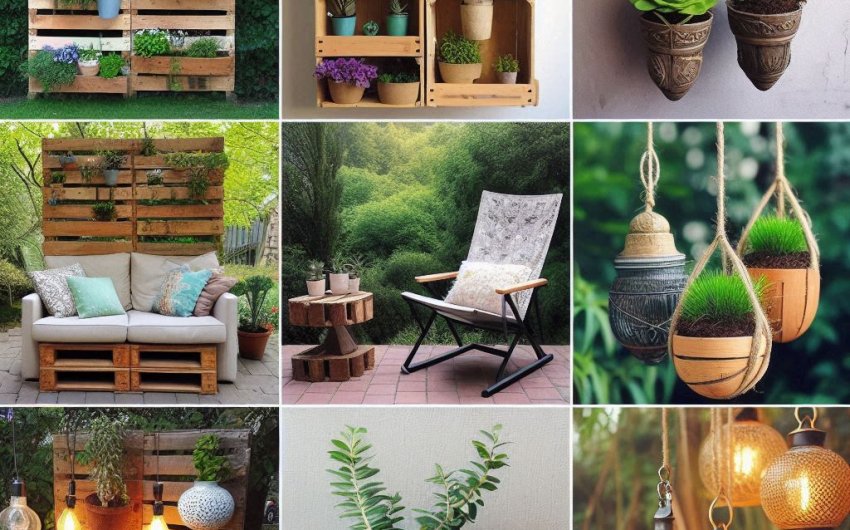
Transforming an overlooked nook or a compact balcony into a charming green oasis doesn't require a large budget or extensive resources. Embracing upcycled garden decor ideas for small spaces is a brilliant way to add personality, functionality, and sustainability to your outdoor areas. By giving new life to discarded items, you can create truly unique and budget-friendly garden features that maximize every square inch, proving that creativity, not acreage, is the key to a delightful small garden.
Why is Upcycling Perfect for Small Garden Spaces?
When faced with limited square footage, traditional garden decor can sometimes feel bulky or overwhelming. Upcycling, the process of transforming waste materials or unwanted products into new materials or products of higher quality or environmental value, is a tailor-made solution for small gardens.
What are the Benefits of Upcycled Decor in Small Gardens?
The advantages of using upcycled decor in small gardens are numerous, encompassing aesthetics, sustainability, and practicality.
- Cost-Effective: This is often the biggest draw. Instead of buying new, expensive garden decor, you're repurposing items you already have or can find cheaply at thrift stores, yard sales, or even curbside. This makes creating a stylish garden accessible on a tight budget.
- Unique and Personalized: Upcycled decor brings character and individuality to your space. Each piece tells a story, and the quirky charm of repurposed items creates a garden that is truly one-of-a-kind and reflects your personal creativity. You won't find these pieces in a big box store!
- Sustainable and Eco-Friendly: By diverting items from landfills, you reduce waste and minimize your environmental footprint. This aligns perfectly with a green gardening philosophy and contributes to a more sustainable lifestyle.
- Space-Saving Solutions: Many upcycled garden ideas are inherently space-saving, especially those involving vertical gardening. Old pallets, crates, and ladders can be transformed into multi-tiered planters, making the most of vertical space on walls or fences, which is crucial in small gardens.
- Adds Whimsy and Charm: There's an undeniable charm and playfulness to upcycled garden decor. A pair of old boots holding flowers, or a colander repurposed as a hanging planter, adds a delightful, unexpected touch that sparks conversation and brings a smile.
- Encourages Creativity: Upcycling challenges you to look at everyday objects with a new perspective, fostering creativity and problem-solving skills as you imagine new uses for old things.
What Common Household Items Can Be Upcycled for Gardens?
You'd be surprised how many items lurking in your garage, attic, or local thrift store can find a second life as charming and practical garden decor.
How Can Old Tires Be Transformed?
Old tires are incredibly versatile for upcycled garden decor, especially for adding height or defining spaces. They are durable, weather-resistant, and readily available.
- Tiered Planters: Stack 2-3 tires on top of each other, slightly offsetting them, to create a tiered planter. Fill each tier with soil and plant cascading flowers (like petunias or nasturtiums) or herbs. This adds vertical interest and allows for diverse planting in a small footprint.
- Raised Beds: Cut a tire in half (this can be challenging and requires a sharp utility knife or saw) and use it as a mini raised bed for herbs or shallow-rooted vegetables. Or, stack several whole tires to create a deeper raised bed.
- Painted Planters: Clean and prime old tires, then paint them in bright, cheerful colors to match your garden's aesthetic. You can paint patterns, stripes, or even whimsical faces. This adds a bold pop of color.
- Hanging Planters: For small tires (like those from a wheelbarrow or go-kart), you can hang them vertically from a fence or wall, planting succulents or air plants inside for a unique wall display.
- Water Feature Base: Use a single tire as the base for a small, shallow water feature or bird bath, lining it with pond liner.
Safety Note: Ensure tires are cleaned thoroughly before use. Some sources suggest avoiding tires for growing edible plants due to potential chemical leaching, while others state it's safe for ornamentals. It's best to research and decide based on your comfort level.
How Can Glass Bottles and Jars Be Repurposed?
Glass bottles and jars are abundant and easily transformed into elegant, whimsical, or practical garden decor for small spaces, often playing with light and transparency.
- Vases/Flower Holders: Use various-sized glass bottles (wine bottles, soda bottles, jam jars) as individual vases for cut flowers from your garden. Group them together for a charming centerpiece on a patio table.
- DIY Lighting:
- Solar Jar Lights: Place small solar garden lights (like Gaiatop Solar Jar Lights) inside clean mason jars to create enchanting fairy lights for pathways or table tops.
- Oil Lamps/Candle Holders: Fill jars with a bit of sand or pebbles and insert tea lights or small candles for a soft evening glow. Always use caution with open flames.
- String Lights: Coil battery-operated fairy string lights (like Fairy String Lights Battery Operated) inside larger jars for ambient lighting.
- Bird Feeders/Waterers: Adapt larger bottles with specialized attachments to create simple bird feeders or hummingbird feeders.
- Mini Terrariums: Small jars can be transformed into tiny, self-contained terrariums for moss, succulents, or tiny plants, perfect for a tabletop display.
- Edging/Borders: Bury glass bottles upside down, neck-first, to create a unique, colorful border around a small garden bed or pathway.
Safety Note: Be mindful of sharp edges if bottles break. For DIY lighting, ensure fire safety.
What Creative Uses Do Old Crates and Pallets Have?
Old wooden crates and pallets are goldmines for upcycled garden decor, especially for vertical gardening and adding rustic charm to small spaces. They inherently offer structure and can be transformed with minimal effort.
- Vertical Planters (Pallets): Stand a pallet upright against a wall or fence. Attach landscape fabric to the back and bottom of each "shelf" created by the slats to hold soil. Plant herbs, small vegetables, or flowers in each pocket. This maximizes vertical growing space. You'll need a staple gun (like a Stanley Staple Gun) and landscape fabric (like DeWitt Landscape Fabric).
- Tiered Herb Garden (Crates): Stack several wooden crates of varying sizes, slightly offset, to create a multi-level herb garden. Paint them vibrant colors or leave them natural for a rustic look.
- Raised Planter Boxes: Use individual crates as ready-made raised planter boxes. Line them with plastic (with drainage holes) or landscape fabric to protect the wood from moisture.
- Fold-Down Garden Bar/Table (Pallets): Attach a single pallet to a wall with hinges at the bottom. When not in use, it folds flat against the wall. When needed, it folds down to create a temporary garden bar or potting bench, supported by chains or collapsible legs.
- Garden Tool Storage: Mount pallet pieces to a wall to create custom hooks and shelves for small garden tools, gloves, or watering cans.
- Miniature Garden Display: Fill a shallow crate with small succulents, pebbles, and tiny figurines to create a charming miniature garden scene.
Safety Note: Always inspect pallets for splinters, protruding nails, or chemical treatments (look for "HT" for heat-treated, avoid "MB" for methyl bromide treated). Sand and seal if desired.
How Can Old Furniture Pieces Be Repurposed?
Don't discard that wobbly chair or chipped dresser! Old furniture pieces can be creatively upcycled into whimsical and functional garden decor, adding character and height to your small space.
- Chair Planter: Remove the seat from an old wooden or metal chair. Place a plant pot (ensure it has drainage) directly into the opening, or line the opening with landscape fabric and fill with soil. Paint the chair a bright color for a playful touch.
- Drawer Planters: Remove drawers from an old dresser. Line them with plastic (with drainage holes) and use them as unique planter boxes. Stack them staggered for a multi-level display, or hang them vertically from a wall.
- Bed Frame Trellis: The headboard or footboard of an old metal bed frame can be repurposed as a decorative trellis for climbing vines like clematis or morning glories.
- Tabletop Display Stand: An old end table or coffee table can become a charming display stand for a collection of potted plants, garden lanterns, or other decor. Ensure it's sturdy and consider painting it with outdoor-grade paint.
- Bookcase/Shelf Planter: An old, open-back bookcase can be laid on its side or adapted to create multi-tiered planting shelves. Ensure proper drainage for each section.
- Bathtub/Sink Planter: For a truly unique statement, an old clawfoot bathtub or vintage sink can be cleaned, painted, and filled with soil to create a large, eye-catching planter. Ensure excellent drainage.
Safety Note: Ensure furniture is stable and doesn't pose a tipping hazard. Use outdoor-grade paint and sealants to protect wood from rot and metal from rust.
What Are Unique and Artistic Upcycled Garden Ideas?
Beyond common household items, embracing your artistic side can lead to truly unique and whimsical upcycled garden decor pieces that become focal points in your small space.
How Can Old Boots and Shoes Become Planters?
Don't throw away those worn-out boots or shoes! They can be charmingly repurposed into quirky and unexpected planters, adding a touch of personality and whimsy to your garden.
- Whimsical Boot Planters: Clean an old pair of rain boots, cowboy boots, or even sturdy work boots. Poke a few drainage holes in the bottom with a drill. Fill them with potting mix and plant small, colorful annuals like violas, pansies, or succulents. Place them on steps, a patio railing, or even half-bury them in a garden bed for a fun display.
- Shoe Wall Display: For a truly unique vertical garden, gather a collection of old shoes (even sneakers or high heels!). Clean them, add drainage holes, and plant small succulents, herbs, or creeping thyme. Securely attach them to a sturdy fence or wall at varying heights for a fun, eclectic wall art installation. This uses vertical space cleverly.
- Child's Shoe Garden: If you have small children's shoes that are outgrown, they make adorable miniature planters for tiny succulents or air plants, perfect for a windowsill garden box.
Maintenance Tip: Remember that shoes and boots are relatively small containers, so they will dry out quickly and need frequent watering. Ensure they can drain well to prevent rot.
How Can Old Colanders and Strainers Be Used?
Old colanders and strainers are naturally perfect for upcycled garden decor because they come with built-in drainage holes! Their bowl shape makes them ideal for planting.
- Hanging Baskets: Line an old metal colander with a coco liner or landscape fabric (to hold the soil in but let water drain). Add chains or sturdy wire and hang it as a unique and charming hanging basket for trailing plants like petunias, bacopa, or ivy.
- Herb Planters: Use a colander as a small tabletop planter for herbs, ensuring good drainage.
- Bird Feeder: Fill a colander with birdseed and hang it securely to create a rustic bird feeder. The holes allow smaller seeds to fall out as birds feed, preventing buildup.
- Lantern/Light Shade: If the colander has an interesting pattern of holes, you can suspend a solar string light (like Solar String Lights Waterproof Outdoor) inside it, or wrap string lights around it, to create a charming, industrial-chic lantern for evening ambiance.
Maintenance Tip: Metal colanders can rust over time. Consider spraying them with a clear sealant or an outdoor-grade paint if you want to prevent rust.
What About Repurposing Old Tin Cans and Food Containers?
Old tin cans and plastic food containers are among the easiest and most accessible items to upcycle for garden decor, especially for small, repetitive plantings.
- Herb or Succulent Planters: Clean tin cans (soup cans, coffee cans) thoroughly. Remove sharp edges. Drill drainage holes in the bottom. Paint them in bright colors, cover them with decorative paper (and seal with mod podge for outdoor use), or leave them industrial. Plant herbs or succulents.
- Vertical Wall Garden: Attach a series of painted tin cans or plastic containers to a wooden board or pallet. Plant individual herbs or small annuals in each, creating a vertical garden that saves space. Use hose clamps (like Stainless Steel Hose Clamps) to secure cans to a board.
- Seedling Starters: Smaller containers like yogurt cups or plastic fruit containers are perfect for starting seeds indoors before transplanting. Remember to add drainage holes.
- Garden Tool Caddies: Larger tin cans or old paint cans can be cleaned and used to organize small garden tools like hand trowels, pruners, or seed packets.
- Fairy Garden Elements: Small, clean tin cans or lids can be painted and incorporated into miniature fairy garden scenes as tiny houses, tables, or stepping stones.
Maintenance Tip: Tin cans will eventually rust, which can be part of their charm or can be mitigated by painting and sealing. Plastic containers are more durable but can degrade in harsh sunlight over time.
How Do You Plan Your Upcycled Garden Space?
Even with upcycled decor, careful planning is key, especially in small garden spaces, to ensure your creations enhance rather than clutter your outdoor area.
What is the Importance of Vertical Space?
In a small garden, vertical space is your best friend. It allows you to grow more plants and add more decor without taking up valuable floor area. Upcycled garden decor ideas are often perfectly suited for vertical applications.
- Wall-Mounted Planters: Old tin cans, plastic bottles, shoe organizers, or even repurposed drawers can be transformed into wall-mounted planters for herbs, succulents, or small flowers. Attach them securely to a fence, wall, or shed.
- Ladder Planters: An old wooden ladder can be repurposed as a tiered display stand for potted plants. Simply place pots on the rungs, or attach small shelves to create more planting surfaces. This creates instant height and a charming display.
- Hanging Displays: Utilize hanging baskets, colanders, or even old birdcages to create suspended gardens. Hang them from porch ceilings, pergolas, or shepherd's hooks to add visual interest at different levels. This keeps things off the ground.
- Pallet Gardens: As mentioned, pallets are excellent for creating vertical growing pockets. They can be painted or left natural to suit your style.
- Shelving: Install narrow, simple shelves on a fence or wall to display a collection of small upcycled planters.
Thinking vertically maximizes your planting and decorating potential in a confined area, making your small garden feel more expansive and lush.
How Do You Choose a Cohesive Theme or Color Palette?
While upcycled decor can be wonderfully eclectic, having a cohesive theme or color palette will prevent your small garden from looking chaotic or cluttered.
- Rustic/Farmhouse: Focus on natural wood, aged metal, and earthy tones. Use old crates, galvanized buckets, rusty tools, and natural fibers.
- Boho/Eclectic: Embrace a mix of vibrant colors, patterns, and materials. Use brightly painted bottles, various textured containers, and unique found objects.
- Modern/Industrial: Lean into clean lines, geometric shapes, and materials like metal and concrete. Use minimalist tin cans, stark white or black paint, and clean-cut repurposes.
- Coastal/Beach: Use sea glass, shells, driftwood, and weathered wood. Incorporate blues, whites, and sandy tones.
- Whimsical/Childlike: Embrace bright, primary colors, playful figures, and unexpected reuses like boots and toy trucks as planters.
Once you have a general theme or a few key colors in mind, try to stick to them when choosing or painting your upcycled items. This creates visual harmony even amidst diverse objects. A cohesive backdrop, like a freshly painted fence or wall, can also help unify a collection of varied upcycled decor. The goal is to make your small garden feel intentionally designed, not just a random collection of old stuff.
What Are Practical Considerations for Upcycled Decor?
Even though upcycled garden decor is budget-friendly and creative, some practical considerations are vital for safety, durability, and plant health.
Why is Drainage and Soil Quality Important?
No matter what container you upcycle into a planter, drainage and soil quality remain paramount for plant health.
- Drainage Holes: If your repurposed item (e.g., tin can, boot, drawer) doesn't have holes, you must create them. Use a drill for plastic, metal, or wood. Without drainage, water will sit, leading to root rot and plant death.
- Elevate for Airflow: If possible, elevate your upcycled planters slightly off the ground or patio surface to allow air to circulate around the drainage holes. Pot feet or small blocks work well.
- Quality Potting Mix: Don't skimp on the soil. Use a good quality potting mix (like Miracle-Gro Potting Mix) designed for containers. It will provide the necessary nutrients, aeration, and water retention. Garden soil from your yard is often too heavy and can compact easily in containers.
- Monitor Moisture: Smaller upcycled containers will dry out much faster than large garden beds. Check the soil moisture frequently, especially during hot, sunny, or windy weather, and water as needed.
Proper drainage and good soil quality are non-negotiable for keeping your plants healthy and thriving in their repurposed homes.
How Do You Ensure Weather Resistance and Safety?
When repurposing items for outdoor use, you need to think about how they will stand up to the elements and ensure they are safe for your garden.
- Weather-Resistant Finishes: If you paint or stain wood furniture or metal items, use exterior-grade paints, stains, or sealants (like Rust-Oleum Protective Enamel). These are designed to withstand UV rays, moisture, and temperature changes, preventing rot, rust, and fading. Reapply as needed.
- Rust Prevention: For metal items (tin cans, colanders, metal furniture), consider clear sealants or rust-inhibiting primers before painting if you want to prevent rust. If you like the rusty look, be aware that rust can stain surfaces below.
- Stability and Secure Mounting: Ensure all upcycled decor is stable and securely mounted, especially if it's tall (like ladder planters) or hanging (like suspended containers). Strong winds can easily knock over unsecured items, causing damage or injury. Use appropriate hardware (screws, sturdy hooks, anchors).
- Avoid Harmful Materials: Be cautious with certain materials. Avoid using tires for edibles if concerned about leaching chemicals (though views vary). Don't use items that could splinter easily (unless sanded well), have sharp edges (file them down), or were treated with unknown chemicals.
- Winter Protection: In cold climates, bring in very delicate upcycled pieces (like glass chimes or painted wood) during winter to prevent cracking, splitting, or accelerated deterioration from freezing and thawing cycles.
By taking these practical steps, your upcycled garden decor will not only look great but also last longer and contribute safely to your beautiful small space oasis.