
How to Design a Japanese Zen Garden on a Budget?
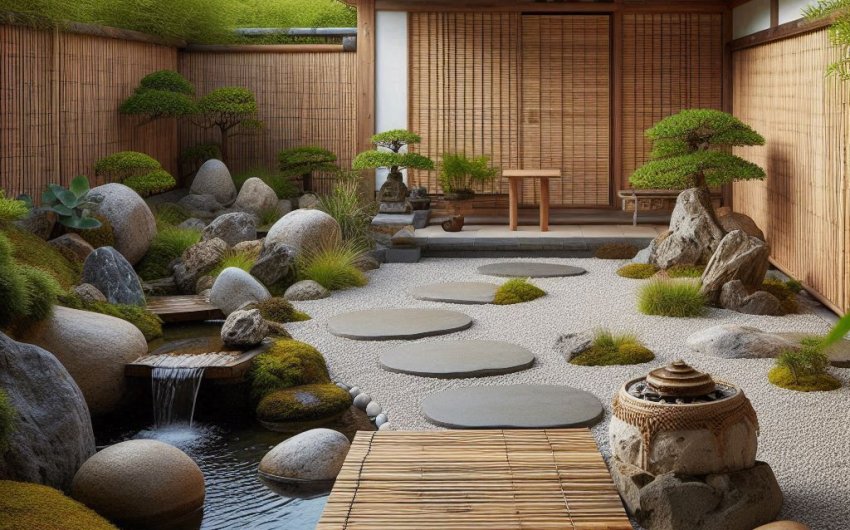
Creating a tranquil and contemplative space doesn't have to break the bank. If you've ever admired the serene beauty of a Japanese Zen garden but felt it was out of reach financially, think again. With careful planning and clever material choices, it's entirely possible to design a Japanese Zen garden on a budget, bringing peace and minimalist elegance to your backyard without spending a fortune.
What Are the Core Principles of a Japanese Zen Garden?
Before you start designing, it's essential to understand the underlying philosophy of a Japanese Zen garden, also known as a karesansui garden. These gardens are not simply about aesthetics; they are designed to inspire contemplation, meditation, and a connection with nature, even in a small space. Understanding these principles will guide your budget-friendly design choices.
What is the Philosophy Behind Zen Gardens?
The philosophy of Zen gardens is rooted in Zen Buddhism and its emphasis on simplicity, naturalness, and profound meaning found in understated elements.
- Simplicity (Kanso): This principle emphasizes removing clutter and focusing on essential elements. Less is more. Every element has a purpose and contributes to the overall harmony. This is great for a budget!
- Naturalness (Shizen): While carefully arranged, the garden should appear effortless and mimic nature. Elements are used to represent natural landscapes (rocks as mountains, gravel as water).
- Asymmetry (Fukinsei): Zen gardens often feature irregular and unbalanced arrangements, reflecting the imperfect and ever-changing nature of the world. This creates dynamic tension and visual interest.
- Subtlety (Yugen): There should be a sense of hidden beauty or profoundness that is suggested rather than overtly displayed. The garden invites contemplation and deeper understanding.
- Stillness (Seijaku): The garden is designed to evoke a sense of calm, tranquility, and quietude, fostering an environment for meditation.
- Austerity/Dryness (Koko): Many Zen gardens, particularly karesansui, feature dry elements like sand or gravel to represent water, creating a stark, austere beauty. This eliminates the need for expensive water features.
What are the Essential Elements of a Zen Garden?
Even on a budget, certain core elements are indispensable to capture the essence of a Japanese Zen garden.
- Gravel/Sand (Kare-sansui): This is the defining feature, symbolizing water (oceans, rivers, ripples). It is meticulously raked into patterns. White or light-colored gravel is most common. This is typically the largest component and can be a significant cost if buying specialty sand, but regular gravel can be substituted.
- Rocks (Ishi): Represent mountains, islands, or even animal forms. They are chosen for their shape, texture, and character. Placement is crucial, often in odd-numbered groupings to create asymmetry and balance. Sourcing these can be free or very cheap.
- Moss (Koke): Often used to cover ground, rocks, or highlight certain features, symbolizing age and tranquility. If you have moss in your yard, it's free!
- Plants (Shokubutsu): Used sparingly and chosen for their symbolic meaning, evergreen nature, and ability to remain harmonious. Common choices include pines, azaleas, bamboo (contained), and various ground covers. Small, budget-friendly options are best.
- Water Feature (Optional - but often implied): While karesansui means "dry landscape," some Zen gardens incorporate actual water features like a basin (tsukubai) or a simple bamboo spout (shishi-odoshi). These add sound and movement. For a budget, often implied by raked gravel.
- Enclosures (En): Walls, fences, or hedges that define the garden space and create a sense of seclusion and introspection. This can be built simply with wood or existing barriers.
By understanding these principles and elements, you can strategically allocate your budget to create an authentic and inspiring Japanese Zen garden on a budget.
How Can I Plan My Zen Garden Design on a Budget?
Careful planning is the cornerstone of designing a Japanese Zen garden on a budget. A well-thought-out design minimizes waste, helps you source materials wisely, and ensures your vision aligns with your financial constraints.
What Steps Are Involved in Budget-Friendly Design?
- Define Your Space:
- Size and Location: How much space do you have? A small corner, a courtyard, or a specific section of your yard? Is it visible from a window or seating area? Measure the dimensions.
- Sunlight: Observe how much sun the area gets throughout the day. This will influence plant choices.
- Existing Features: Are there existing walls, fences, large rocks, or trees you can incorporate? Using what you have reduces costs.
- Sketch Your Layout (Rough Drafts):
- Draw several simple sketches of your garden area.
- Start by placing the main elements: where will the "water" (gravel) be? Where will the main "mountains" (rocks) go?
- Experiment with different arrangements. Remember asymmetry and balance.
- Think about the path you'll take to rake the gravel.
- Research Budget Materials:
- Gravel/Sand: Look for local landscape supply companies. Buying in bulk (per ton or half-ton) is cheaper than bags. Often, regular pea gravel or crushed granite is much cheaper than specialty Zen garden sand.
- Rocks: Source locally! Look for free rocks from construction sites (with permission), creek beds, or ask neighbors. Check local online marketplaces (Craigslist, Facebook Marketplace) for free or cheap landscaping rocks.
- Plants: Small saplings, propagating from existing plants (if compatible), or seeking end-of-season sales at nurseries can save money.
- Edging/Borders: Recycled wood, concrete pavers, or even simple treated lumber can be budget-friendly.
- Create a Materials List and Budget:
- Based on your sketch, estimate the quantities of gravel, rocks, and any other materials you'll need.
- Get quotes for gravel from local suppliers.
- Estimate plant costs.
- Add a contingency fund (10-20%) for unexpected expenses.
- Prioritize spending on core elements.
How Can I Optimize Space for a Small Zen Garden?
Even a tiny space can become a powerful Japanese Zen garden. The principles of minimalism and contemplation are perfectly suited for limited areas.
- Define Boundaries Clearly: Use simple wooden borders, rocks, or a clear change in ground cover to define the garden's edge. This helps create a sense of contained serenity.
- Focus on Key Elements: Instead of many small rocks, use one or two larger, impactful rocks as focal points. One carefully chosen plant can be more powerful than several.
- Verticality: If space is tight, consider a tall, slender evergreen plant or a small, upright rock to add visual height without spreading horizontally.
- Raking Patterns: The raked gravel becomes even more important in small spaces. Simple, clean lines or gentle curves will enhance the sense of calm.
- Consider a Container Zen Garden: For extremely small spaces like a patio or balcony, a large, shallow planter can become a mini Zen garden. Use small rocks, sand, and perhaps a bonsai or a single sedum plant.
By thoughtful planning and resourcefulness, you can effectively design a Japanese Zen garden on a budget, regardless of its size.
What Are Budget-Friendly Materials for My Zen Garden?
Sourcing materials economically is where you'll save the most money when you design a Japanese Zen garden on a budget. Creativity and willingness to repurpose or find local alternatives are key.
How to Source Affordable Gravel or Sand?
The gravel or sand is the largest surface area in most Zen gardens, so its cost can quickly add up.
- Local Landscape Supply Companies: This is usually the cheapest option for large quantities. Buy by the ton or half-ton, not by the bag.
- Types: Look for "pea gravel," "crushed granite," "river rock" (small size), or "play sand." These are generally more affordable than specialized "Zen garden sand."
- Color: While white or light grey is traditional, consider tan or light brown gravel if it's more readily available and cheaper in your area.
- Construction Sites (with permission): Sometimes, excess gravel or sand is available for free or very low cost. Always ask for permission first.
- "Free Dirt" or "Free Landscape Materials" Websites: Check local online classifieds; people sometimes give away excess gravel or sand from their projects.
- Self-Haul: If you have a truck or can rent one, picking up materials yourself from a quarry or landscape supplier will save on delivery fees.
- Quantity Calculation:
- Measure your area in square feet.
- Decide on desired depth (e.g., 2-4 inches / 5-10 cm).
- Use an online gravel calculator to estimate tonnage needed. (Example: 1 cubic yard of gravel covers about 100 sq ft at 3 inches deep).
Where Can I Find Inexpensive Rocks?
Rocks are key focal points in a Japanese Zen garden and can often be acquired for free or very little cost.
- Your Own Property: Walk around your yard or property. You might discover interesting rocks buried or exposed.
- Local Creek Beds or River Banks (check legality): Always check with local authorities or landowners before removing anything. Many areas prohibit removing natural materials.
- Construction Sites (with permission): Often, large boulders or interesting rocks are unearthed during construction. Ask if you can take some off their hands.
- Online Marketplaces: Craigslist, Facebook Marketplace, or local gardening groups often have people giving away or selling landscaping rocks cheaply.
- Roadside Finds: Keep an eye out for discarded rocks or those unearthed during roadwork.
- Local Rock Quarries: If you need specific types or larger quantities, a local quarry might sell them for less than a garden center.
What are Budget-Friendly Plant Choices?
Plants in a Zen garden are used sparingly for emphasis. Focus on small, slow-growing, or easily propagated varieties.
- Small Pines or Junipers: Look for dwarf varieties or bonsai starters. Consider visiting local nurseries during clearance sales (late season).
- Azaleas or Rhododendrons: Choose smaller, compact varieties.
- Moss: If you have moss growing in your lawn or on rocks, carefully lift and transplant it. This is the ultimate free plant!
- Sedum or Groundcovers: Low-growing, hardy succulents or ground covers can be used in place of moss or to provide texture. Propagate from existing plants if you or a friend have them.
- Thrift Stores/Garage Sales for Containers: For container Zen gardens, look for large, shallow ceramic or concrete planters at secondhand stores.
- Bamboo (Contained!): If you want bamboo, choose clumping varieties or plant in a large, sturdy container to prevent aggressive spreading. A small clump can be sourced cheaply.
- Recycle Existing Plants: If you're doing a garden overhaul, see if you can repurpose any existing small evergreens or suitable shrubs.
How to Create Affordable Borders and Accents?
Defining the edges of your Japanese Zen garden is important, and can be done without much expense.
- Treated Lumber: Simple 2x4s or 4x4s can create a clean, minimalist border.
- Reused Pavers/Bricks: Check online marketplaces for free or cheap used patio pavers or bricks that can form a neat edge.
- Stones/Rocks: Line the edge with a single row of medium-sized rocks, either found or bought in bulk.
- DIY Rake: While you can buy a traditional Zen garden rake, you can also make one from a piece of wood and dowels, or even use a garden rake and then smooth with a broom or board for simpler patterns.
By prioritizing repurposing, finding local deals, and considering the long-term impact of your choices, you can effectively design a Japanese Zen garden on a budget that looks polished and serene.
How Do I Install My Zen Garden Elements on a Budget?
Once you have your design and materials, the installation phase is where your Japanese Zen garden comes to life. Strategic installation, even on a budget, ensures the garden's longevity and aesthetic appeal.
What are the Steps for Ground Preparation?
Proper ground preparation is essential to prevent weeds and ensure your gravel stays clean, minimizing future maintenance.
- Clear the Area: Remove all existing grass, weeds, roots, and debris from your designated garden space. Digging down a few inches can help.
- Level the Ground: Ensure the area is as level as possible. This is crucial for even gravel depth and to prevent water pooling. Use a rake and a level to achieve this.
- Install Edging: Before laying down weed barrier, install your chosen border material (wood, rocks, pavers). This contains the gravel and defines your garden space. Ensure it's firmly in place.
- Lay Down Weed Barrier: This is a critical step for a low-maintenance Zen garden. Use a heavy-duty, permeable landscape fabric over the entire prepared area.
- Why: It prevents weeds from growing up through your gravel and keeps the gravel from sinking into the soil.
- Permeable: Choose a fabric that allows water to drain through to prevent puddling.
- Overlap: Overlap seams by at least 6 inches (15 cm) and secure with landscape fabric staples.
- Avoid Plastic Sheeting: Non-permeable plastic sheeting will trap water, leading to algae and root issues if you have plants.
How Do I Place Rocks and Other Hardscape Elements?
The arrangement of rocks is central to a Japanese Zen garden, embodying its contemplative nature.
- Symbolism First: Before placing, remember what each rock represents (mountain, island, stable element).
- Odd Numbers (Usually): Rocks are typically arranged in odd-numbered groupings (e.g., 3, 5, 7) to create asymmetry and dynamic balance.
- Varying Heights and Shapes: Use rocks of different sizes and shapes to add visual interest. A larger, more dominant rock can serve as a main "mountain," with smaller ones as surrounding "islands."
- Burial for Stability and Natural Look: Don't just place rocks on top of the fabric. Dig through the fabric (and carefully patch around it afterwards) to partially bury the base of each rock. This makes them more stable and appear more naturally "rooted" in the landscape. Burying about 1/3 to 1/2 of the rock gives a sense of age and permanence.
- Consider "Borrowing Scenery" (Shakkei): If you have a beautiful distant view (e.g., a tree, a hill), try to frame or integrate it into your garden's overall composition.
How Should I Lay Down the Gravel and Place Plants?
The final steps involve laying the gravel and incorporating any plants.
- Spread Gravel Evenly: Dump your gravel over the landscape fabric. Use a rake to spread it evenly to your desired depth (typically 2-4 inches / 5-10 cm). Ensure consistent depth for easier raking.
- Smooth and Rake: Once spread, use the flat side of your rake or a board to smooth the surface of the gravel. Then, use your Zen garden rake (or DIY alternative) to create your desired patterns. Start with simple parallel lines or gentle curves.
- Planting:
- Cut X in Fabric: If planting, cut an X-shape in the landscape fabric where you want your plant to go.
- Dig Hole: Dig a planting hole directly into the soil beneath the fabric.
- Plant: Carefully plant your chosen specimen.
- Backfill and Cover: Backfill with soil, then pull the flaps of the fabric around the base of the plant. Cover the fabric around the plant with gravel or a layer of moss to hide the fabric.
- Water: Water your plants thoroughly.
- Moss Placement: If adding moss, gently press clumps onto the soil around rocks or in small designated areas. Moss prefers consistent moisture until established.
By following these installation guidelines, even on a budget, your Japanese Zen garden will embody the tranquility and thoughtful design principles that make these spaces so unique and beautiful.
How Do I Maintain My Budget-Friendly Zen Garden?
Maintaining a Japanese Zen garden is a part of its meditative practice, and even a budget-friendly one requires consistent, though simple, care. Regular maintenance ensures its serene appearance and longevity.
What is the Daily or Weekly Maintenance?
The daily or weekly routine for your Zen garden primarily revolves around raking and inspecting the gravel.
- Raking the Gravel: This is the most iconic and meditative practice.
- Frequency: Daily, a few times a week, or as often as you wish, especially after rain or wind disrupts the patterns.
- Purpose: To create tranquil patterns (concentric circles around rocks representing ripples, straight lines representing calm water) and to smooth out footprints or debris. It's a mindful activity that connects you to the garden.
- Tool: Use your Zen garden rake or your DIY alternative.
- Removing Debris:
- Daily: Pick up fallen leaves, twigs, and any other debris that lands on the gravel. This keeps the pristine appearance.
- Tool: A small hand rake or even gloved hands are sufficient.
- Spot Check Weeds: Even with landscape fabric, occasional persistent weeds might sprout through. Pull them immediately when you see them. It's much easier when they're small.
How Often Should I Address Weeds and Other Issues?
While daily maintenance is light, less frequent but thorough attention to potential issues keeps your Japanese Zen garden in top shape.
- Weed Control:
- Monthly/Bi-Monthly: Thoroughly inspect the entire garden for any signs of weeds, especially those pushing through the fabric or growing along the edges. Pull them out by hand.
- Prevention: Ensure your initial weed barrier was installed correctly and overlap edges well.
- Gravel Management:
- Annually/Bi-Annually: Over time, gravel can settle or mix with underlying soil, especially if heavily trafficked. You might need to add a thin layer of new gravel to refresh the depth and appearance.
- Cleaning: If gravel becomes very dirty, you can try hosing it down or even raking it into piles and washing it, though adding fresh gravel is often simpler.
- Plant Care:
- Pruning: Prune your plants sparingly, maintaining their natural shape and size. Remove any dead or diseased branches. Prune evergreen shrubs to maintain their contemplative form, usually once or twice a year depending on growth.
- Watering: Water plants only when the soil beneath the gravel (accessed through the fabric cut-out) feels dry. Remember that Zen gardens often imply dryness, so overwatering is generally discouraged, and plant choices should reflect this.
- Moss Care: Moss requires consistent moisture, especially until established. If you have moss, mist it periodically, particularly in dry weather, to keep it vibrant.
What Are Long-Term Considerations for My Budget Zen Garden?
Thinking about the long game will save you headaches and expenses down the line for your Japanese Zen garden.
- Drainage: Ensure your garden area continues to drain well. If you notice persistent puddling, you might need to improve sub-surface drainage.
- Edging Integrity: Check your border materials periodically. Over time, wood might rot or stones might shift. Repair or replace as needed to maintain a clean edge.
- Sunlight Changes: As nearby trees or structures grow, the amount of sunlight your garden receives might change. Be mindful of this for your plant health.
- Embrace Imperfection: Remember the Zen principle of wabi-sabi (beauty in imperfection). A tiny weed, a slightly uneven rake line, or a moss patch that spreads a bit can add to the garden's natural charm. Don't strive for absolute perfection, but for serene contemplation.
By dedicating a small amount of time to consistent, mindful maintenance, your Japanese Zen garden on a budget will remain a beautiful, calming, and truly effective space for meditation and reflection for years to come.