
How to Use Vertical Gardens for Decorative Purposes?
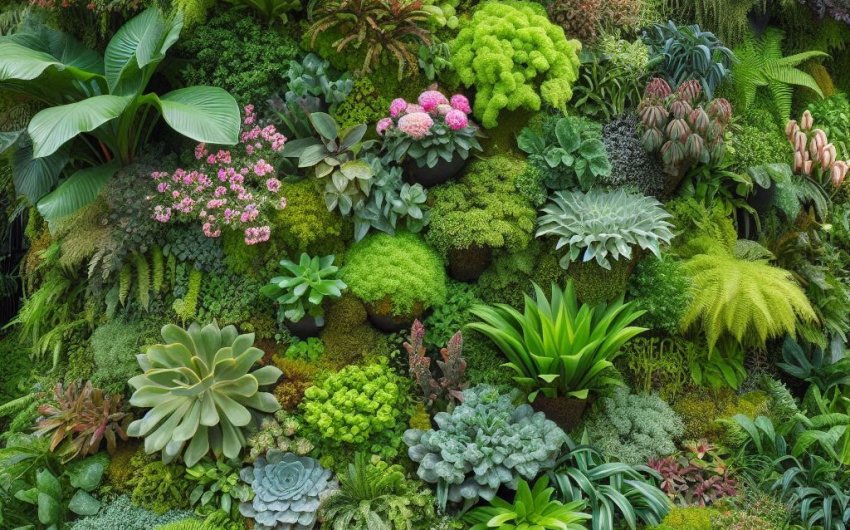
Transforming a plain wall into a vibrant, living display is an exciting way to add natural beauty and a unique decorative element to any space. Vertical gardens, also known as living walls or green walls, offer an innovative solution for those who love plants but have limited horizontal space. Beyond just growing things, these upright gardens can become stunning works of art, bringing texture, color, and life to your home, office, or outdoor area. Let's explore how to create beautiful vertical gardens for decorative purposes.
Why Choose a Vertical Garden for Decoration?
Vertical gardens are more than just a trend; they offer a powerful way to integrate nature into your decor, providing aesthetic appeal, space-saving solutions, and even a touch of artistry.
How Do Vertical Gardens Maximize Space?
One of the most obvious and compelling reasons to embrace a vertical garden is its incredible ability to maximize space, especially in urban environments or smaller homes where every square foot counts.
- Utilize Unused Vertical Space: Instead of taking up valuable floor or counter space, a vertical garden system utilizes walls, fences, or even narrow columns. This means you can have a thriving garden without sacrificing living area. Think about that empty wall in your kitchen or that blank fence in your small patio!
- Ideal for Small Homes and Apartments: For city dwellers with limited square footage, vertical gardens are a game-changer. They allow you to bring in a substantial amount of greenery that would otherwise be impossible to accommodate with traditional potted plants. You can have a herb garden, a floral display, or even a mini-vegetable patch on a balcony wall. A balcony plant shelf is perfect.
- Small Outdoor Areas: Similarly, small patios, balconies, or cramped backyards can be transformed into lush oases by going vertical. Instead of just a few pots on the ground, you can have a cascading wall of plants.
- Clutter Reduction: By consolidating multiple plants onto a single vertical structure, you can reduce the visual clutter of many individual pots, creating a cleaner, more organized look while still enjoying abundant greenery.
What Aesthetic Appeal Do Vertical Gardens Offer?
Beyond functionality, the primary draw of using vertical gardens for decorative purposes is their stunning visual impact. They are living art.
- Living Art: A vertical garden isn't just a collection of plants; it's a dynamic, evolving piece of art. The interplay of different plant textures, colors, and forms creates a natural tapestry that changes with the seasons or as plants grow. Imagine a wall covered in lush green foliage, punctuated by vibrant blooms.
- Focal Point: A well-designed vertical garden instantly becomes a focal point in any room or outdoor space. It draws the eye, creates a sense of drama, and becomes a conversation starter. It's a statement piece that no static artwork can truly match.
- Adds Texture and Depth: The layered arrangement of plants brings incredible texture and depth to a flat surface. This can soften harsh architectural lines and make a room feel more inviting and organic.
- Enhances Biophilic Design: Biophilic design is all about connecting humans with nature in built environments. Vertical gardens are a prime example of this, fostering a sense of calm, well-being, and a connection to the natural world right inside your home.
- Conceals Imperfections: Have an unsightly wall, a faded fence, or an electrical box you want to hide? A vertical garden can beautifully conceal these blemishes, transforming an eyesore into an attractive feature.
Can Vertical Gardens Improve Indoor Air Quality and Mood?
Beyond their visual appeal, vertical gardens bring the benefits of houseplants on a grander scale, enhancing your living environment in tangible ways.
- Air Purification: Just like individual houseplants, the collective power of many plants in a vertical garden can help filter indoor air. Plants naturally absorb carbon dioxide and release oxygen. Certain plants are also effective at removing common airborne toxins (volatile organic compounds or VOCs) released by furniture, cleaning products, and paints. A larger quantity of plants means potentially more significant air-cleaning benefits.
- Increased Humidity: Plants release moisture into the air through a process called transpiration. A large vertical garden can significantly increase the humidity levels in a room, which can be beneficial in dry climates or during winter months when indoor heating dries out the air. This can alleviate dry skin, respiratory discomfort, and even benefit other humidity-loving houseplants.
- Stress Reduction and Well-being: Being surrounded by nature, even in an urban setting, has been shown to reduce stress, lower blood pressure, and improve mood. A living wall creates a calming, tranquil atmosphere, fostering a sense of peace and relaxation. The act of tending to the plants can also be meditative and grounding.
- Noise Reduction: While not their primary purpose, the dense foliage of a large vertical garden can absorb some sound waves, contributing to a slightly quieter indoor environment by dampening echoes.
What Types of Vertical Garden Systems Are There?
Before you start planting, understanding the different types of vertical garden systems available is crucial. Each has its own benefits, installation methods, and suitability for various decorative purposes.
What are Pocket and Felt Systems?
These are some of the most common and often easiest vertical garden systems to install, making them popular for beginners.
- Description: Pocket systems typically consist of a frame or panel with multiple fabric pockets (made from felt or recycled plastic bottles) where plants are inserted. The material is designed to hold soil and moisture while allowing excess water to drain.
- Installation: They are usually hung directly on a wall or fence using screws or hooks. Some are modular, allowing you to connect multiple units. A felt vertical garden planter is a common choice.
- Pros:
- Lightweight: Easy to hang and move, especially before planting.
- Affordable: Often one of the most budget-friendly options.
- Easy to Install: Requires minimal tools and DIY skills.
- Versatile: Can be used indoors or outdoors.
- Cons:
- Drying Out: Fabric pockets can dry out quickly, especially outdoors or in sunny spots, requiring more frequent watering.
- Durability: Felt can break down over time, though higher-quality recycled plastic felt is more durable.
- Limited Root Space: Pockets offer limited room for root growth, which might restrict the size of plants you can grow long-term.
- Water Management: Can sometimes drip water if not properly managed with a tray or liner.
How Do Panel and Module Systems Work?
Panel and module systems are more robust and offer greater flexibility in design, often leading to more integrated and visually impactful living walls.
- Description: These systems use individual panels or modules (often made of plastic or metal) that snap together or attach to a frame. Each module contains separate compartments or pots for plants. Some have built-in irrigation channels.
- Installation: Typically mounted to a sturdy wall or a specialized frame. Larger systems may require professional installation due to weight and irrigation needs.
- Pros:
- Modular Design: Allows for customizable layouts and scalability. You can create large, seamless walls.
- Better Water Retention: Individual cells or pots often hold more soil and moisture than fabric pockets.
- Integrated Irrigation (Optional): Many systems can be connected to a drip irrigation system, making watering automated and efficient. A drip irrigation kit is helpful.
- Durability: Made from more robust materials, these systems tend to be long-lasting.
- Aesthetic: Can create a very polished and professional "green wall" look.
- Cons:
- More Expensive: Higher initial cost compared to pocket systems.
- Heavier: Requires strong wall mounting.
- More Complex Installation: Especially with integrated irrigation.
What Are Trellises and Grids for Climbing Plants?
These systems are ideal if you want to showcase climbing plants and create a lush, natural facade.
- Description: A simple trellis or grid (made from wood, metal, or plastic) provides a structure for climbing plants to grow upwards. Plants are typically planted in pots at the base of the structure or directly in the ground.
- Installation: Mounted to a wall or fence, or free-standing. The plants then naturally climb the grid as they grow. A garden trellis can be bought online.
- Pros:
- Natural Look: Creates a very organic, overgrown look as plants spread.
- Cost-Effective: Can be very inexpensive, especially DIY versions.
- Easy Maintenance: Plants are mostly in individual pots or the ground, making watering and care simpler than complex modular systems.
- Good for Large Plants: Can support large, vining plants.
- Cons:
- Limited Plant Variety: Best suited for climbing or vining plants; not ideal for compact, upright plants.
- Slower to Fill In: Takes time for plants to grow and cover the entire structure.
- Less Dense Coverage: May not achieve the same dense "living wall" effect as pocket or modular systems, initially.
How Do DIY and Repurposed Vertical Garden Ideas Work?
For the creative and budget-conscious, DIY vertical gardens offer endless possibilities using repurposed materials.
- Description: These systems are crafted from everyday items repurposed as planters and arranged vertically.
- Ideas:
- Pallet Gardens: Attach plastic pots or planters to the slats of a wooden pallet, or create planting pockets within the pallet itself.
- Shoe Organizer Planters: Use over-the-door fabric shoe organizers for herbs or small flowers.
- Plastic Bottle Planters: Cut plastic bottles, attach them to a frame, and plant directly into them.
- Rain Gutter Planters: Attach sections of old rain gutters to a fence or wall.
- Tiered Planters: Stack various sized pots or containers to create a tiered effect.
- A vertical planter box can be a great starting point for a DIY project.
- Pros:
- Cost-Effective: Often free or very low cost using salvaged materials.
- Creative Freedom: Allows for unique, personalized designs.
- Sustainable: Gives new life to old items.
- Cons:
- Durability: May not be as long-lasting as commercial systems.
- Watering Challenges: Can be harder to water evenly or manage drainage without specialized features.
- Pest Control: Some DIY setups may be harder to clean or manage pests.
How Do I Choose the Right Plants for My Decorative Vertical Garden?
The plants you choose are the "paint" for your living canvas! Selecting the right species for your specific conditions and desired aesthetic is crucial for a thriving and beautiful vertical garden.
What Light Conditions Do I Need to Consider?
Just like with any other plant, light is the most important factor for success. Match your plants to the amount of sunlight your vertical garden spot receives.
- Full Sun (6+ hours of direct sun): Ideal for many herbs (rosemary, thyme, basil), some vegetables (lettuce, spinach), succulents (sedum, sempervivum), and certain flowering plants (petunias, verbena).
- Partial Sun (4-6 hours of direct sun, or dappled sun all day): Good for many edibles like mint, chives, strawberries, and flowering plants like impatiens (if it's morning sun) or fuchsias.
- Bright Indirect Light (Bright room, no direct sun): Perfect for most houseplants indoors. Think Pothos, Philodendron, Spider Plant, ZZ Plant, Prayer Plant, most ferns, and Peace Lily. These are great for creating lush, green walls indoors.
- Low Light (Dim areas, far from windows): Very few plants truly thrive in low light, but some can tolerate it. Consider a ZZ Plant, Snake Plant, or Cast Iron Plant for these spots, though they will grow very slowly. You might need to supplement with a grow light for truly low-light areas if you want vibrant growth.
What About Watering Needs and Humidity?
Plants in vertical gardens often have different watering needs than those in traditional pots.
- Consistent Moisture: Many vertical garden systems are designed to dry out faster than traditional pots due to increased air exposure. This means you'll likely need to water more frequently.
- Grouping Similar Needs: Try to group plants with similar watering and humidity needs together in the same section of the vertical garden. This prevents over-watering some plants and under-watering others.
- Humidity Lovers: For indoor vertical gardens, choose plants that appreciate average to high indoor humidity, especially if you're not planning to use a humidifier. Many tropical houseplants fit this bill.
- Succulents/Cacti: If you're building a succulent vertical garden, ensure excellent drainage and much less frequent watering.
How Can I Create an Appealing Design with Plants?
Designing your vertical garden like a living tapestry is where the decorative aspect truly shines.
- Variety of Textures: Mix plants with different leaf textures – broad, smooth leaves (like a Monstera) with delicate, feathery ones (like a fern) or trailing vines (like a Pothos) with upright spiky forms (like a Sansevieria).
- Color Palette:
- All Green: A monochromatic palette of various shades of green can be incredibly soothing and sophisticated.
- Pops of Color: Integrate flowering plants or plants with colorful foliage (e.g., Coleus, Croton, Prayer Plant, Red Aglaonema) for vibrant accents.
- Variegated Foliage: Plants with striped or spotted leaves (like a Pothos 'Marble Queen' or a Spider Plant) add bright splashes without needing flowers.
- Growth Habits:
- Trailing Plants: Essential for cascading over the edges and softening the look (Pothos, Philodendron, Ivy, String of Pearls). Place these at the top or edges.
- Bushy/Mounding Plants: Fill in the middle sections (Ferns, Peperomia, Aglaonema, Begonia).
- Upright/Spiky Plants: Provide vertical accents and structure (Snake Plant, ZZ Plant, certain succulents).
- Density: Decide if you want a dense, wall-to-wall lushness or a more sparse, architectural look.
- Theme: Consider a theme. Do you want an edible herb wall, a tropical jungle wall, a succulent tapestry, or a wall of vibrant blooms?
What Are Some Recommended Plants for Decorative Vertical Gardens?
Here's a list of popular and versatile plants suitable for various vertical garden conditions:
- Low to Medium Light (Indoors):
- Pothos (Epipremnum aureum): Extremely easy, variegated varieties add color, vines beautifully.
- Philodendron (various): Similar to Pothos, many vining types.
- Spider Plant (Chlorophytum comosum): Arching variegated leaves, easy to care for.
- Peace Lily (Spathiphyllum): Lush green foliage, elegant white blooms.
- ZZ Plant (Zamioculcas zamiifolia): Very drought-tolerant, shiny dark green leaves, handles low light.
- Snake Plant (Sansevieria): Architectural, upright, virtually indestructible.
- Ferns (e.g., Boston Fern, Kimberly Queen Fern): Lush, feathery texture, loves humidity.
- Prayer Plant (Maranta leuconeura): Beautiful patterned leaves that move at night.
- Aglaonema (Chinese Evergreen): Many varieties with colorful, patterned foliage.
- Bright Indirect Light to Partial Sun (Indoors/Outdoors):
- Ficus Pumila (Creeping Fig): A true climbing vine that clings beautifully.
- Tradescantia (Inch Plant): Fast-growing, colorful variegated varieties.
- Hoya (Wax Plant): Slow-growing, thick, waxy leaves, unique flowers.
- Coleus: Stunning array of colorful foliage, but needs consistent moisture.
- Begonias (Rex Begonia for foliage, Wax Begonia for flowers): Many vibrant options.
- Full Sun (Outdoors):
- Succulents (e.g., Sedum, Sempervivum, Echeveria): Low water needs, amazing variety of shapes and colors. A succulent planter can work.
- Herbs (Rosemary, Thyme, Oregano, Mint, Basil): Edible and fragrant.
- Strawberries: Trailing fruit, fun and decorative.
- Petunias, Lobelia, Verbena: Cascading annual flowers for vibrant color.
- Nasturtiums: Edible flowers and leaves, beautiful trailing habit.
How Do I Install and Maintain My Decorative Vertical Garden?
Once you've chosen your system and plants, it's time for installation and ongoing care to keep your vertical garden looking its best.
What Do I Need to Consider for Installation?
Proper installation is crucial for the safety and longevity of your vertical garden.
- Wall Material and Weight: Assess the wall or fence material.
- Drywall: Requires wall anchors or mounting directly into studs for heavier systems.
- Concrete/Brick: Needs masonry anchors.
- Wood Fence/Decking: Generally easier to attach.
- Remember, a planted vertical garden is much heavier than an empty one, especially after watering. Always check the weight capacity of your chosen system and your wall. A stud finder can help with internal walls.
- Water Management: This is perhaps the most critical aspect, especially for indoor installations.
- Drainage: All vertical garden systems need a way for excess water to drain.
- Indoor: You MUST have a plan to catch water. This usually means a drainage tray or a gutter system at the bottom of the vertical garden. Some high-end systems have built-in reservoirs and recycling systems. Consider a waterproof backing or membrane behind the system to protect your wall.
- Outdoor: Drainage is simpler as water can often run off naturally, but consider where the water will pool or flow to avoid affecting foundations or patios.
- Accessibility: Can you easily reach all plants for watering, pruning, and pest checks? For tall vertical gardens, a step stool or small ladder might be necessary.
- Proximity to Outlets (for Grow Lights/Pumps): If you're using grow lights or an automated irrigation pump, ensure there's a conveniently located power outlet.
- Leveling: Use a spirit level to ensure your system is hung straight and level for a professional look and even water distribution.
How Do I Water a Vertical Garden?
Watering methods vary depending on the system, but precision is often key.
- Manual Watering: For smaller vertical gardens or systems with individual pockets/pots, a watering can with a long, narrow spout is ideal for targeting each plant. A watering can with a long spout provides precision.
- Top-Down Drip: Many vertical garden systems are designed to be watered from the top, allowing water to trickle down through the layers. This can be done manually or with an automated drip irrigation system.
- Automated Drip Irrigation: For larger or more complex vertical gardens, especially those outdoors or in high-traffic indoor areas, a drip irrigation system is highly recommended. It delivers water directly to each plant, minimizes waste, and ensures consistent moisture. This often involves a pump, tubing, and drip emitters. A vertical garden irrigation kit can simplify the setup.
- Watering Frequency: Vertical gardens often dry out faster than traditional pots due to increased air circulation. You'll likely need to water more frequently, possibly daily or every other day in warm, dry conditions. Always check the soil moisture before watering.
- Check Drainage: Always ensure that excess water can drain freely from the bottom of the system and into a collection tray or outdoor drainage area.
What Are the Maintenance Tasks for a Vertical Garden?
Ongoing maintenance keeps your vertical garden vibrant and healthy.
- Pruning and Trimming: Regularly prune leggy stems, remove dead or yellowing leaves, and trim to maintain the desired shape and density. This encourages new, fuller growth. Use sharp pruning snips.
- Pest and Disease Checks: Inspect your plants regularly (at least weekly) for any signs of pests (spider mites, mealybugs) or diseases. Early detection makes treatment much easier. Isolate affected plants if possible. Use neem oil spray for common pests.
- Fertilization: Since nutrients leach out faster in many vertical systems, regular, diluted liquid fertilization during the growing season is crucial. Follow product instructions and avoid over-fertilizing.
- Plant Replacement: Some plants may not thrive in specific spots or might outgrow their space. Be prepared to replace plants as needed to maintain the garden's aesthetic.
- Cleaning: Periodically wipe down the non-plant parts of the system to keep it clean and prevent algae or mold buildup.
- Rotation (for smaller systems): If some plants aren't getting enough light, you can rotate them or rearrange pockets/modules to give them more sun.
- Soil Amendment: Over time, the potting mix in vertical systems can break down. You might need to top up or refresh the soil in individual pockets/modules periodically.
How Can I Incorporate Decorative Elements into My Vertical Garden?
Beyond the plants themselves, you can enhance the decorative appeal of your vertical garden with additional elements.
- Lighting: Install small, warm LED spotlights or fairy lights to illuminate your vertical garden in the evening, creating a magical glow and highlighting its textures. A string of outdoor LED lights can add charm.
- Art and Ornaments: Interspersed between the plants, hang small, weather-resistant art pieces, mirrors, or decorative objects that complement your overall decor theme.
- Mixed Materials: If your system allows, use pots or modules made from different materials (e.g., terracotta, ceramic, galvanized metal) to add visual interest.
- Water Features (Outdoor): For larger outdoor vertical gardens, a small, recirculating water feature at the base can add a soothing sound and enhance the natural oasis feel.
- Framing: A decorative frame around your vertical garden can instantly elevate it to a true piece of wall art.
- Signage: For edible vertical gardens, small, stylish plant markers or labels can add a charming, practical touch.