
What Are the Best Garden Decor Ideas for Urban Rooftop Gardens?
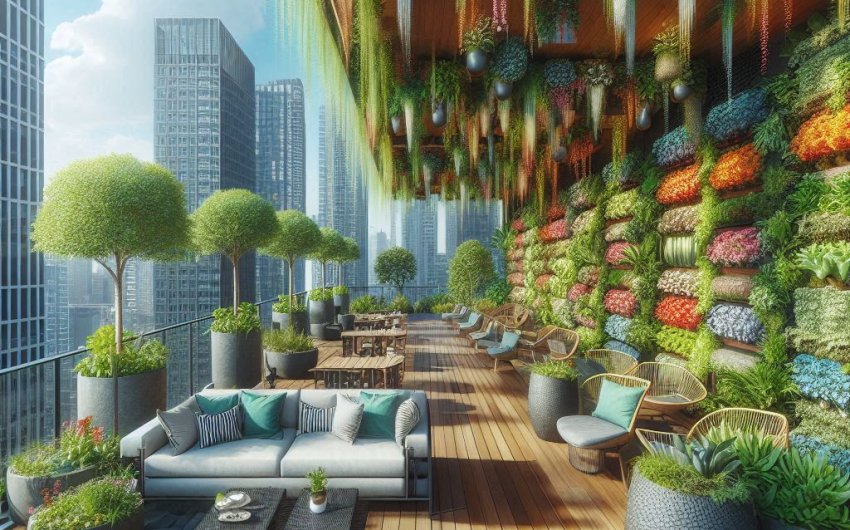
Transforming a bland urban rooftop into a lush, inviting garden oasis is a dream for many city dwellers. With panoramic views and abundant sunlight, rooftops offer unique opportunities for gardening and outdoor living, but they also come with specific challenges like weight limitations, wind exposure, and intense heat. Creating a functional and beautiful space requires thoughtful planning, especially when it comes to garden decor ideas for urban rooftop gardens. It's about blending practicality with aesthetics to craft a personal retreat high above the city streets.
Why Focus on Decor in Rooftop Gardens?
Decorating your rooftop garden goes beyond just making it look pretty. It's about enhancing functionality, creating distinct zones, and making the space truly yours.
How Does Decor Enhance a Rooftop Garden?
Thoughtful decor choices contribute significantly to the success and enjoyment of your elevated green space.
- Defining Spaces: On an open rooftop, decor elements like strategically placed planters, outdoor rugs, or even a simple screen can help define different "rooms" – a dining area, a lounge spot, or a dedicated gardening zone. This gives the open space structure and purpose.
- Adding Visual Interest: Against the backdrop of concrete and urban sprawl, varied textures, colors, and forms introduced through decor create focal points and make the garden visually appealing. This is especially true for small rooftop garden decor.
- Personalizing the Space: Decor reflects your style and personality, turning a generic rooftop into a unique outdoor extension of your home. It's where you express creativity.
- Enhancing Comfort and Functionality: Seating, lighting, and shade structures aren't just decorative; they make the rooftop garden a comfortable and usable space for relaxation and entertaining.
- Addressing Challenges: Some decor items, like sturdy planters or wind screens, also serve practical purposes by helping to mitigate environmental challenges such as wind and intense sun, common in urban rooftop garden design.
- Creating an Ambiance: Lighting, sound elements (like a small water feature), and even the scent of certain plants contribute to the overall mood and atmosphere of the garden, making it a true escape.
Essential Considerations Before Decorating Your Rooftop
Before you start shopping for decorative items, there are crucial practicalities unique to rooftop environments that must be addressed. Ignoring these can lead to serious issues.
What Structural and Environmental Factors Impact Rooftop Decor?
Rooftops are not like ground-level gardens; their unique challenges demand specific considerations.
- Weight Load Limits: This is perhaps the most critical factor. Every building has a maximum weight capacity for its rooftop. Soil, water, planters, furniture, and even people contribute to this weight. You absolutely must consult a structural engineer or your building management to understand your specific rooftop's weight bearing capacity. Overloading a rooftop is extremely dangerous. When selecting items, always prioritize lightweight materials such as lightweight fiberglass planters or aluminum furniture.
- Wind Exposure: Rooftops are often exposed to strong winds, which can knock over planters, damage plants, and make the space uncomfortable.
- Secure Everything: All decor, especially tall planters, furniture, and any freestanding structures, must be heavy enough or securely anchored to prevent them from blowing away or tipping over.
- Windbreaks: Consider incorporating wind-resistant features like sturdy trellises with climbing plants, slatted screens, or dense planting zones to create sheltered microclimates.
- Sun and Heat Intensity: Rooftops receive unfiltered sunlight and can become extremely hot, especially in urban environments where heat radiates off surrounding buildings and dark surfaces.
- Heat-Resistant Materials: Choose decor materials that can withstand high temperatures without fading, warping, or becoming too hot to touch. Metal furniture can get very hot, for instance.
- Shade Solutions: Incorporate shade structures like patio umbrellas with heavy bases, pergolas, or tall, dense plants to provide relief from the sun for both you and your plants.
- Drainage: Proper drainage is vital to prevent water pooling on the rooftop, which can damage the building structure. Ensure your planters have adequate drainage holes and that water can flow freely to the building's drainage system. Consider using planter risers for drainage to elevate pots slightly.
- Access and Logistics: How will you get all your garden supplies, soil, plants, and decor items up to the roof? This can be a major logistical challenge in an urban setting. Plan ahead for deliveries and transport.
- Water Source: Ensure you have easy access to a water source for irrigation. Running a long hose or installing a drip irrigation system will be much more convenient than carrying buckets of water. A collapsible garden hose might be easier to manage on a rooftop.
- Privacy: Urban rooftops often overlook other buildings. Think about how you can create a sense of privacy using strategic planting, screens, or outdoor curtains.
Planters and Containers: The Backbone of Your Rooftop Garden Decor
Since most rooftop gardens rely heavily on container gardening, your choice of planters is not just functional but a major decorative element.
What are the Best Types of Planters for a Rooftop?
Selecting the right containers is key for both plant health and aesthetic appeal in your rooftop patio decor.
- Material Matters (Weight and Durability):
- Lightweight Fiberglass or Resin: Excellent choices for rooftops due to their low weight, durability, and resistance to extreme weather. They come in various finishes that can mimic stone, terra cotta, or metal. Many large lightweight resin planters are available.
- Aluminum or Galvanized Steel: Lightweight, modern, and very durable. They can heat up in direct sun, so consider light colors or strategic placement.
- Fabric Grow Bags: Extremely lightweight, breathable, and promote healthy root growth. While not traditionally decorative, they can be disguised or grouped for a rustic, practical look. Large fabric grow bags are great for edibles.
- Wood: Attractive and natural, but can be heavy when filled with soil and require proper sealing/treatment for longevity. Choose weather-resistant cedar planters.
- Terra Cotta/Ceramic: Beautiful but generally very heavy, especially when wet, and prone to cracking in freezing temperatures. Use sparingly or only for very small plants if weight is a concern.
- Size and Shape for Impact:
- Varying Heights and Sizes: Create visual interest by using planters of different heights and sizes. Tall, narrow planters can add verticality, while wide, shallow ones are great for herbs or succulents.
- Large Planters: While conscious of weight, using a few larger planters (rather than many small ones) can create a more cohesive and less cluttered look. Larger pots also retain moisture better, reducing watering frequency.
- Modular Systems: Consider modular planter systems that can be arranged in various configurations to fit your space perfectly.
- Color and Texture:
- Harmonize with the Building: Choose colors that complement the existing architecture and urban landscape. Neutral tones like gray, black, or terra cotta allow the plants to be the stars.
- Introduce Contrasts: Use a pop of color with a brightly glazed ceramic pot or metallic planter to create a focal point.
- Textural Variety: Mix smooth modern finishes with ribbed, textured, or woven planters for tactile appeal.
Furniture and Seating: Creating Your Rooftop Living Room
Rooftop gardens are often extensions of indoor living spaces. Comfortable and stylish furniture is key to making them usable for relaxation and entertaining.
How to Choose Furniture for a Rooftop Garden?
Prioritize durability, comfort, and weather resistance when selecting outdoor furnishings.
- Material Selection (Durability and Weight):
- Aluminum: Lightweight, rust-proof, and low maintenance. Ideal for dining sets and lounge chairs. Many modern aluminum patio furniture sets are available.
- Woven Resin Wicker: Offers the look of natural wicker but is much more durable, weather-resistant, and lighter.
- Teak or Cedar: Natural wood options are durable and beautiful but heavier and require more maintenance (oiling). They weather beautifully to a silver-gray patina.
- Recycled Plastics: Sustainable, lightweight, and very durable, often mimicking wood.
- Comfort and Layout:
- Define Zones: Before buying, sketch out your layout. Do you want a dining area, a lounge area, or both? This will dictate the type and amount of furniture needed.
- Modular Seating: Sectional or modular outdoor furniture allows for flexible arrangements and can be adapted to different events or moods.
- Outdoor Cushions: Invest in comfortable, weather-resistant outdoor cushions with UV protection to elevate comfort and add color.
- Securing Furniture:
- Heavy Bases: For tables, chairs, and umbrellas, ensure they have heavy, stable bases to resist wind.
- Anchor Points: If possible, consider furniture that can be secured to the rooftop surface (e.g., bolted down) or is inherently heavy enough.
Lighting: Illuminating Your Rooftop Oasis
Proper lighting extends the usability of your rooftop garden into the evening hours and creates a magical ambiance.
What are the Best Lighting Options for a Rooftop?
Consider both functional and ambient lighting for a truly inviting space.
- Safety First: Ensure all electrical components are rated for outdoor use and installed correctly to prevent hazards, especially in exposed rooftop conditions.
- Types of Lighting:
- String Lights (Fairy Lights): Easy to install, relatively inexpensive, and instantly add a festive, charming glow. Look for outdoor LED string lights for energy efficiency.
- Solar-Powered Lights: Environmentally friendly and require no wiring. Use them for pathway lighting, accentuating planters, or as decorative lanterns. Solar-powered garden lanterns are versatile.
- Uplighting: Place spotlights at the base of larger plants or interesting architectural features to create dramatic shadows and highlight textures.
- Wall-Mounted or Post Lights: For more functional lighting, such as over a dining area, consider sturdy wall-mounted fixtures or lights on freestanding posts, if allowed and secured.
- LED Strip Lights: Can be discreetly installed under benches or along planter edges for a modern, subtle glow.
- Layering Light: Combine different types of lighting to create depth and warmth. Use brighter task lighting where needed (e.g., dining area) and softer, ambient lighting for relaxation zones.
- Dimmers: For ultimate control over ambiance, consider outdoor lighting with dimmer switches.
Shade Structures: Battling the Rooftop Sun
Intense sun exposure is a blessing for sun-loving plants but can make the rooftop uncomfortable for humans. Shade structures are both functional and decorative.
How Can I Create Shade on My Rooftop?
Effective shade solutions are crucial for comfort and plant health.
- Patio Umbrellas: The simplest and most flexible solution. Choose a sturdy, large cantilever patio umbrella with a heavy base to withstand winds. Ensure it's properly weighted or secured.
- Pergolas or Awnings: More permanent structures that can be partially or fully covered with climbing plants, shade sails, or retractable fabric for adjustable shade. Requires careful planning and often professional installation due to weight and structural considerations.
- Shade Sails: Modern and stylish, these fabric sails can be tensioned between existing structures or dedicated poles to create large areas of shade. Look for outdoor shade sails with UV protection. Ensure strong attachment points for wind resistance.
- Living Shade (Tall Plants): Strategically placed tall trees or shrubs in large, heavy pots (within weight limits) can provide natural shade. Consider bamboo (in containers with root barriers) or small, wind-resistant trees like Japanese maples or certain conifers.
Water Features: Adding Serenity and Sound
The soothing sound of water can transform a noisy urban rooftop into a tranquil sanctuary.
What Water Features Work Best on a Rooftop?
Choose lightweight, self-contained units that are easy to maintain and won't add excessive weight.
- Self-Contained Fountains: These are the most practical for rooftops. They recirculate water and don't require plumbing.
- Lightweight Materials: Opt for lightweight resin outdoor fountains or fiberglass. Avoid heavy concrete or stone fountains.
- Size and Splash: Choose a size appropriate for your space and one that minimizes splash, especially in windy conditions.
- Pondless Water Features: These mimic natural streams or waterfalls but have an underground reservoir, reducing visible water and evaporation while maintaining the sound.
- Tabletop Fountains: For smaller spaces or an added touch, a compact tabletop water fountain can provide pleasant ambient sound.
- Considerations:
- Water Source and Drainage: You'll need access to electricity for the pump and a way to refill the fountain.
- Maintenance: Water features require regular cleaning to prevent algae buildup and ensure proper function.
- Winterization: In colder climates, fountains need to be drained and protected from freezing during winter.
Privacy Screens and Vertical Elements: Defining Your Space
In an urban setting, privacy is often a luxury. Screens and vertical elements can create intimate zones and add greenery.
How Can I Add Privacy and Verticality to My Rooftop?
These elements help segment the space and offer a sense of enclosure.
- Slatted Screens: Modern and effective. Outdoor privacy screens made of wood, composite, or metal can block views and act as windbreaks. Ensure they are securely anchored.
- Trellises and Arbors: These structures provide support for climbing plants like clematis, jasmine, or edible vines, creating a "living wall" that offers both privacy and beauty. Choose lightweight, durable materials like aluminum or treated wood.
- Tall Planters with Strategic Planting: Use tall, narrow planters with dense, upright plants (e.g., bamboo (clumping varieties only), ornamental grasses, or tall shrubs) to create natural screens.
- Living Walls (Vertical Gardens): If weight allows, a true vertical garden system can maximize planting space on a wall, adding immense greenery and visual impact. Look for modular vertical garden planters that attach to a sturdy wall.
- Outdoor Curtains: Hung from a pergola or a sturdy frame, weather-resistant outdoor curtains can provide instant privacy and a soft, luxurious feel.
Decorative Accents and Personal Touches
Once the major elements are in place, it's the smaller details that truly personalize your rooftop garden.
What Small Details Can Enhance My Rooftop Decor?
These accents add charm, comfort, and character.
- Outdoor Rugs: Define seating areas, add warmth, and introduce color and pattern. Choose weather-resistant outdoor rugs that can withstand UV exposure and moisture.
- Outdoor Pillows and Throws: Bring the comfort of indoors outside. Select fabrics that are fade and mildew resistant.
- Garden Art and Sculptures: Choose pieces that are weather-resistant and either heavy enough or securely anchored against wind. Consider abstract metal sculptures, ceramic pieces, or even reclaimed urban objects.
- Wind Chimes: Add a sensory element with the gentle sounds of wind chimes, but ensure they are not too loud for neighbors.
- Mirrors: Strategically placed outdoor mirrors can create the illusion of more space and reflect light and greenery, but ensure they are safety-backed and securely mounted.
- Bird Feeders/Houses: Invite avian visitors, adding life and sound to your garden, but be mindful of attracting pests.
- Pathways and Decking: If the rooftop surface is bland, consider adding portable decking tiles or stepping stones to create defined pathways or warmer zones. Interlocking outdoor deck tiles are a good option.
- Tool Storage and Organization: Integrate stylish storage solutions for gardening tools and supplies. A compact outdoor storage bench can serve a dual purpose.
Plant Selection: The Living Decor
While not strictly "decor" in the traditional sense, your plant choices are the most important decorative elements in any garden, especially on a rooftop. They bring the space to life.
What Plants Thrive and Look Good in Rooftop Gardens?
Select plants that can withstand the unique rooftop environment and contribute to the overall aesthetic.
- Consider the Conditions: Choose plants that are known to be heat-tolerant, wind-tolerant, and drought-tolerant once established.
- Plant for Purpose:
- Ornamental: Focus on plants with interesting foliage (texture, color), long blooming periods, or striking architectural forms. Examples include ornamental grasses, sedums, sempervivums, lavender, rosemary, or dwarf conifers.
- Edibles: For those who want a productive garden, consider sturdy edibles like tomatoes (bush varieties), peppers, herbs, bush beans, or compact fruit trees in large pots.
- Climbers: Vines like passionflower, clematis, or hardy kiwi can provide shade and privacy when grown on trellises.
- Planting in Layers: Create visual depth by planting taller plants in the back or center of large containers, medium-sized plants in the middle, and trailing plants (like petunias, nasturtiums, or groundcovers) at the edges to spill over.
- Wind-Resistant Plants: Choose plants with flexible stems, small leaves, or a low-growing, compact habit. Avoid plants with large, delicate leaves or shallow root systems.
By combining practical considerations with thoughtful garden decor ideas for urban rooftop gardens, you can transform an often-overlooked space into a truly functional, beautiful, and personalized outdoor sanctuary high above the bustling city.