
How to Create a Bird-Friendly Garden with Natural Decor?
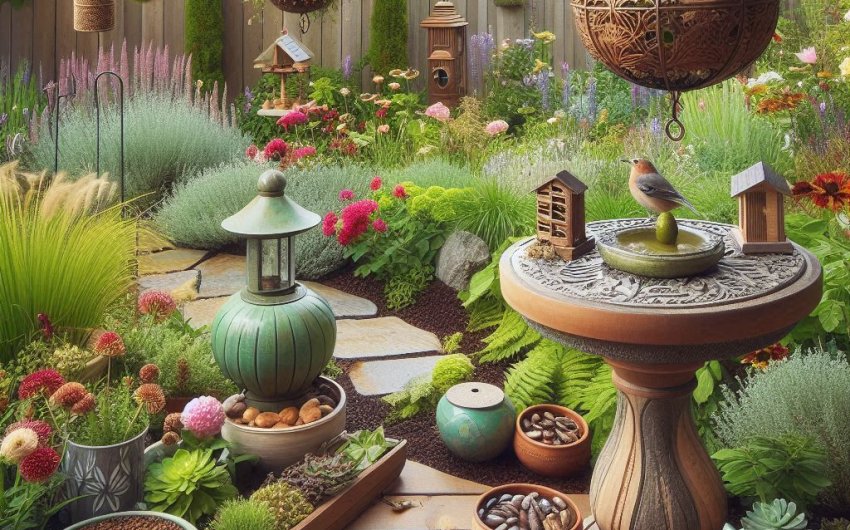
You can create a bird-friendly garden with natural decor by providing essential resources: food, water, shelter, and nesting sites, all while using elements that blend seamlessly with nature. This involves selecting native plants, offering natural water features, and incorporating materials like logs, stones, and untreated wood.
Why Should You Create a Bird-Friendly Garden?
Creating a garden that welcomes birds offers numerous benefits, not just for the birds themselves, but also for your outdoor space and the broader ecosystem. Birds are delightful to watch, bringing movement, color, and song to your yard. They also play a vital role in natural pest control and pollination.
What are the Benefits of a Bird-Friendly Garden?
- Pest Control: Many bird species feed on insects like mosquitoes, aphids, and caterpillars, naturally keeping pest populations in check without the need for harmful pesticides.
- Pollination: Hummingbirds and some other bird species are excellent pollinators, helping your plants reproduce and your garden thrive.
- Weed Control: Some birds, like sparrows and finches, eat weed seeds, reducing the spread of unwanted plants.
- Biodiversity: A bird-friendly garden contributes to local biodiversity, supporting a healthy ecosystem.
- Beauty and Sound: Birds add immense beauty with their vibrant plumage and cheerful songs, transforming your garden into a lively sanctuary.
- Educational Opportunity: It's a fantastic way for children and adults to observe wildlife and learn about nature up close.
- Relaxation: Watching birds can be a calming and meditative activity, promoting well-being.
What are the Four Essential Elements Birds Need in a Garden?
To truly make your garden a haven for birds, you need to provide four fundamental elements: food, water, shelter, and nesting sites. Think of your garden as a complete ecosystem, fulfilling all a bird's basic needs.
How Can You Provide Natural Food Sources?
The most effective way to provide food for birds is through native plants. These plants have co-evolved with local bird species, offering the specific types of seeds, berries, nectar, and insects that birds need for their diet.
- Berry-Producing Shrubs and Trees:
- Serviceberry (Amelanchier spp.): Produces early summer berries, a favorite for many songbirds.
- Dogwood (Cornus florida): Offers berries that birds love in late summer and fall.
- Elderberry (Sambucus canadensis): Abundant berries are a superfood for many species.
- Holly (Ilex spp.): Provides berries that persist into winter, a crucial food source when other options are scarce.
- Virginia Creeper (Parthenocissus quinquefolia): A native vine with berries eaten by dozens of bird species.
- Seed-Producing Plants:
- Sunflowers (Helianthus annuus): A classic, offering seeds popular with finches, chickadees, and nuthatches.
- Coneflower (Echinacea spp.): Goldfinches adore the seeds from spent coneflower heads.
- Black-Eyed Susan (Rudbeckia hirta): Another excellent seed source for small birds.
- Native Grasses: Ornamental native grasses like Little Bluestem or Switchgrass provide seeds and cover.
- Nectar Plants for Hummingbirds:
- Trumpet Vine (Campsis radicans): Its trumpet-shaped flowers are perfect for hummingbirds.
- Cardinal Flower (Lobelia cardinalis): Bright red flowers are a hummingbird magnet.
- Bee Balm (Monarda didyma): Attracts hummingbirds and beneficial insects.
- Insect-Hosting Plants: Many birds rely on insects, especially during nesting season. Native oaks, willows, cherries, and birches host a vast array of caterpillars and other insects, which are critical protein sources for baby birds.
How Can You Offer Water to Birds?
Water is just as important as food. Birds need water for drinking and bathing, helping them stay hydrated and keep their feathers clean for insulation and flight.
- Bird Baths:
- Choose a shallow bird bath (1 to 2 inches deep) with a gently sloping edge. Birds prefer shallow water to safely wade and drink.
- Opt for natural materials like stone or concrete. These materials offer good grip for birds. A beautiful stone bird bath can be a focal point.
- Placement: Place your bird bath in an open area so birds can spot predators, but also near some shrubs for quick escape routes.
- Maintenance: Clean your bird bath daily, especially in warm weather, to prevent algae and mosquito larvae buildup. Use a stiff brush and rinse thoroughly.
- Drippers or Misters: Birds are attracted to the sound and sparkle of moving water. A bird bath dripper or mister can make your bird bath even more enticing.
- Ponds or Water Features: A small, shallow pond with gently sloping edges, surrounded by rocks and plants, can provide a more naturalistic water source. Ensure some areas are very shallow for small birds.
How to Provide Natural Shelter for Birds?
Shelter is crucial for birds to hide from predators, escape harsh weather, and roost safely at night. Natural shelter elements are key for a truly bird-friendly garden.
- Dense Shrubs and Thickets:
- Plant groupings of native evergreens like junipers or hollies, and deciduous shrubs like dogwood or viburnum. Their dense branches offer excellent protection.
- A thicket provides a safe haven from predators like cats and hawks.
- Evergreen Trees: Pines, spruces, and firs offer year-round cover from rain, snow, and wind, and are often used as roosting sites.
- Brush Piles: Create a loose brush pile in a corner of your yard using fallen branches, twigs, and leaves. This provides fantastic cover for ground-dwelling birds and small mammals, and also attracts insects for birds to eat.
- Climbing Vines: Native vines like Virginia Creeper or Trumpet Vine growing on a trellis or wall offer shaded hiding spots.
Where Can Birds Find Nesting Sites?
Birds need safe places to build their nests and raise their young. Natural nesting sites are preferred, providing camouflage and protection.
- Mature Trees: Older trees with strong branches offer ideal spots for many bird species to build their nests. Trees with cavities are perfect for cavity-nesting birds.
- Dense Shrubs: Many songbirds prefer to nest in dense, thorny shrubs, which offer protection from predators.
- Native Grasses and Wildflowers: Some ground-nesting birds, like sparrows, will build nests in tall, dense grasses.
- Bird Houses (with caution): While artificial, some birdhouses can supplement natural sites. Choose birdhouses made from untreated wood and designed for specific bird species (e.g., proper hole size for wrens, bluebirds, or chickadees). Place them in safe locations, out of direct sun, and away from predator access. Make sure they can be cleaned annually. A good cedar bird house will last longer.
- Leave Snags (Dead Trees) if Safe: If you have a dead tree that isn't a hazard, leaving it standing can provide nesting cavities for woodpeckers, chickadees, and other cavity nesters. It also attracts insects for food.
How Do You Design a Natural Bird-Friendly Landscape?
Designing a landscape that is both beautiful and functional for birds means thinking about layers, plant choices, and overall garden structure. The goal is to mimic natural habitats.
What are Key Design Principles for Birds?
- Layered Planting: Create different vertical layers in your garden, from groundcover to tall trees. This provides diverse habitats and foraging opportunities.
- Ground Layer: Leaf litter, native grasses, low-growing perennials.
- Herbaceous Layer: Wildflowers, ferns, taller perennials.
- Shrub Layer: Berry-producing and dense shrubs.
- Understory Tree Layer: Small to medium-sized native trees.
- Canopy Layer: Large, mature native trees.
- Varying Plant Textures and Forms: Mix plants with different leaf shapes, flower types, and growth habits. This provides a wider range of resources and aesthetic appeal.
- Grouping Plants: Plant in drifts or clusters rather than single specimens. This makes it easier for birds to forage and offers more substantial cover.
- Succession of Bloom and Fruit: Choose plants that flower and fruit at different times throughout the year. This ensures a continuous supply of food. For example, serviceberry in spring, then dogwood in summer, then holly in winter.
- Creating "Soft Landings": Plant shrubs or groundcovers under windows or feeders. If a bird accidentally hits a window, they have a softer place to land, increasing their chance of survival.
- Consider Edges: Birds often use the edges between different habitats (e.g., forest edge to open field) for foraging and protection. Recreate this "edge effect" in your garden by transitioning from tall plants to shorter ones.
What Natural Decor Elements Can You Add to Attract Birds?
Natural decor is about using elements that blend with the environment, providing both aesthetic appeal and practical benefits for birds. This avoids artificial, brightly colored plastic items that can look out of place.
How to Use Logs and Branches?
- Log Piles: Create a small, neat pile of untreated logs and branches in a shaded area. This becomes a mini-ecosystem, attracting insects, fungi, and moss, which in turn provide food for birds. Ground-feeding birds like juncos and towhees will forage around them.
- Snags (Deadwood): If safe, leave a standing dead tree or a section of a dead tree (a snag). Woodpeckers, nuthatches, and chickadees will use these for foraging insects or nesting in excavated cavities.
- Perching Branches: Strategically place sturdy, natural branches near your bird feeders or bird baths. Birds need safe perches to survey their surroundings before approaching food or water. Look for attractive, naturally fallen branches.
How to Incorporate Stones and Rocks?
- Rock Piles: Similar to log piles, a pile of various sized natural stones can offer crevices for insects (a food source) and provide sunning spots for birds.
- Stone Pathways: Use natural flagstones or stepping stones for pathways. These can have gaps that allow small plants or moss to grow, creating microhabitats.
- River Rock Borders: Use smooth river rocks as borders around garden beds or water features. These look natural and can help retain moisture.
- Boulders: Larger boulders can become natural perching spots or add a strong vertical element to your garden design. Birds will often use them to survey the area.
What About Untreated Wood and Other Materials?
- Untreated Wooden Posts: Use untreated wooden posts for mounting bird feeders or bird houses. Avoid pressure-treated wood as chemicals can be harmful. Cedar or redwood are good natural choices.
- Woven Willow Structures: If you have access to willow branches, you can weave simple structures like trellises or small fences. These provide perching spots and a rustic look.
- Pinecones and Acorns: Collect fallen pinecones and acorns and scatter them in garden beds or around the base of trees. They provide a natural, textured ground cover and can be foraging spots for birds looking for insects.
- Leaf Litter: Don't rake away all your fallen leaves! A layer of leaf litter provides excellent insulation for plant roots, enriches the soil, and crucially, offers a foraging ground for birds like robins and thrushes, who search for insects and invertebrates hiding within.
What Plants are Best for a Bird-Friendly Garden?
Choosing the right plants is paramount. Focus on native plants as they are best adapted to your local climate and provide the most suitable resources for native birds.
What are Good Native Plant Choices?
Here's a table of categories and examples of native plants often recommended for bird gardens:
| Plant Type | Examples (Native to many regions) | Benefits for Birds |
|---|---|---|
| Trees | Oak (Quercus spp.), Cherry (Prunus spp.), Willow (Salix spp.), Birch (Betula spp.), Serviceberry (Amelanchier spp.), Dogwood (Cornus florida) | Host caterpillars (crucial protein for nestlings), provide seeds/berries, nesting sites, shelter |
| Shrubs | Viburnum (Viburnum spp.), Elderberry (Sambucus spp.), Holly (Ilex spp.), Juniper (Juniperus spp.), Sumac (Rhus spp.) | Berries for food, dense cover for shelter and nesting, attract insects |
| Perennials | Coneflower (Echinacea spp.), Black-Eyed Susan (Rudbeckia spp.), Sunflower (Helianthus spp.), Bee Balm (Monarda spp.), Goldenrod (Solidago spp.), Aster (Symphyotrichum spp.) | Seeds for finches, nectar for hummingbirds, attract beneficial insects |
| Vines | Virginia Creeper (Parthenocissus quinquefolia), Trumpet Vine (Campsis radicans), Passionflower (Passiflora incarnata) | Berries, nectar, dense cover for nesting/roosting |
| Grasses | Little Bluestem (Schizachyrium scoparium), Switchgrass (Panicum virgatum), Indiangrass (Sorghastrum nutans) | Seeds, nesting material, cover for ground-dwelling birds |
Tips for Plant Selection:
- Research Local Natives: The absolute best way is to research plants that are native to your specific region (state or eco-region). Your local cooperative extension office, native plant society, or Audubon chapter can provide tailored lists.
- Avoid Invasive Species: Be mindful not to plant anything labeled as invasive in your area. These can outcompete native plants and harm local ecosystems.
- Chemical-Free Gardening: Do not use pesticides, herbicides, or synthetic fertilizers. These chemicals can harm birds directly or indirectly by reducing their food sources (insects) or contaminating water. Opt for organic gardening practices.
- Leave Seed Heads: Resist the urge to deadhead all your flowers in the fall. Leaving spent seed heads of coneflowers, sunflowers, and other plants provides crucial food for birds throughout the winter.
- Embrace "Messy" Areas: A perfectly manicured lawn is a desert for birds. Allow some areas of your garden to be a little wilder, with dense plantings, leaf litter, and brush piles.
How Can You Ensure Safety for Birds in Your Garden?
A bird-friendly garden isn't just about providing resources; it's also about minimizing threats. Even a beautiful garden can pose dangers if not designed with bird safety in mind.
What are Common Threats and Solutions?
- Window Collisions:
- Threat: Birds often hit reflective windows, mistaking them for open sky or continuous habitat.
- Solution: Apply decals, bird tape, or use UV reflective window film like Feather Friendly window markers. Hang exterior screens, or position bird feeders within 3 feet (or further than 30 feet) of windows to minimize collision risk.
- Outdoor Cats:
- Threat: Domestic cats are a significant threat to bird populations.
- Solution: Keep pet cats indoors, especially during nesting season. Educate neighbors about the impact of free-roaming cats.
- Pesticides and Herbicides:
- Threat: Chemical treatments directly poison birds or reduce their insect food sources.
- Solution: Go organic! Use natural pest control methods like introducing beneficial insects, companion planting, and hand-picking pests. Embrace some weeds; many provide seeds or host beneficial insects.
- Unsafe Bird Feeders:
- Threat: Dirty feeders can spread disease. Improperly placed feeders can make birds vulnerable to predators.
- Solution: Clean feeders regularly (at least every two weeks, more often in warm/wet weather) with a 10% bleach solution, then rinse thoroughly and dry. Place feeders near cover but far enough that predators cannot ambush. Avoid offering moldy or old food.
- Water Contamination:
- Threat: Stagnant water in bird baths can become breeding grounds for bacteria and mosquitoes.
- Solution: Clean bird baths daily, especially in hot weather. Change water frequently.
- Night Lighting:
- Threat: Bright artificial lights can disorient migrating birds.
- Solution: Reduce outdoor lighting at night. Use motion-sensor lights or downward-facing fixtures.
- Netting:
- Threat: Fine mesh netting used for fruit protection can entangle birds.
- Solution: Use netting with very small mesh sizes (less than 1/4 inch) or choose other deterrents like reflective tape or protective cages.
What is the Role of "Managed Messiness" in a Bird Garden?
While we often strive for tidy gardens, a truly bird-friendly garden embraces a certain level of natural "messiness." This isn't about neglecting your garden, but rather understanding that nature thrives in complexity, not sterile order.
Why is Some Messiness Beneficial?
- Leaf Litter: As mentioned, a layer of leaves on garden beds provides insulation, enriches soil, and creates a crucial habitat for insects, spiders, and other invertebrates. These are a primary food source for many bird species, especially ground feeders like robins and juncos. Instead of raking all leaves to the curb, rake them into your garden beds.
- Brush Piles: A loose pile of fallen branches and twigs offers vital cover from predators and harsh weather. It also serves as a foraging spot for insects, attracting birds. Place them in an out-of-the-way corner.
- Dead Stems and Seed Heads: Don't cut back all your perennial stems and spent flower heads in the fall. Many birds, like goldfinches, feed on the seeds of plants like coneflowers and black-eyed Susans throughout winter. Hollow stems can also provide shelter for overwintering insects, another food source for birds.
- Fallen Logs: Decomposing logs attract a rich array of insects and fungi, becoming a mini-ecosystem that benefits birds.
- Weeds (Selective): While you don't want invasive weeds, some "weeds" like dandelions or clover provide early nectar for pollinators, which then attract birds. Consider allowing certain beneficial weeds to grow in less visible areas.
Table: Tidy vs. Bird-Friendly Habits
| Tidy Garden Habit | Bird-Friendly Garden Habit | Benefit for Birds |
|---|---|---|
| Raking all leaves | Raking leaves into garden beds; leaving some untouched | Provides insect food, shelter, and nesting material |
| Deadheading all flowers | Leaving some spent seed heads through winter | Provides winter food source for seed-eating birds |
| Pruning all dead branches | Creating brush piles with pruned branches; leaving safe snags | Offers shelter from predators and weather, insect foraging opportunities |
| Meticulously manicured lawn | Allowing some areas of taller grass or wildflowers | Habitat for ground-dwelling birds, insects, and weed seeds |
| Removing all "weeds" | Tolerating beneficial "weeds" like clover or dandelions | Early nectar source for pollinators, provides food for certain bird species |
How Can You Make Your Garden Appealing to People and Birds?
A bird-friendly garden doesn't have to look wild and untamed. You can integrate natural elements and design principles to create a garden that is beautiful for humans while also providing optimal habitat for birds.
What are Aesthetic Tips for a Bird Garden?
- Embrace Native Plant Beauty: Native plants come in a wide range of colors, textures, and forms. Group them artfully for visual interest. For example, the vibrant red of Cardinal Flower contrasts beautifully with the deep greens of native ferns.
- Create Pathways: Use natural materials like wood chips, stepping stones, or gravel for pathways. This defines areas and guides visitors through your garden.
- Incorporate Seating: Place benches or chairs in areas where you can observe the birds. This encourages connection with nature. A rustic wooden bench can fit perfectly.
- Use Natural Materials for Hardscaping: For patios or retaining walls, choose natural stone, untreated wood, or permeable pavers.
- Bird Bath as a Focal Point: A well-designed stone bird bath can be a beautiful central feature in a garden bed.
- Vary Heights: Create visual interest with plants of different heights, from groundcovers to tall trees. This also provides vertical layers for birds.
- Seasonal Interest: Choose plants that provide interest throughout the year – spring blooms, summer berries, fall foliage, and persistent winter seeds.
- Storytelling Elements: Incorporate a small sign explaining the native plants you've chosen, or a description of why leaf litter is important. This educates visitors.
- Artful Brush Piles: While "messy," a brush pile can be made more visually appealing by tucking it behind larger shrubs or designing it with larger, more aesthetically pleasing branches on the outside.
- Naturalistic Plantings: Avoid rigid rows or formal patterns. Let plants flow and overlap naturally, mimicking a wild landscape.
Creating a bird-friendly garden with natural decor is a rewarding journey that connects you deeply with nature. By focusing on providing the essential elements of food, water, shelter, and nesting sites through native plants and natural materials, you can transform your outdoor space into a thriving haven for birds, benefiting both wildlife and your well-being.