
How to Incorporate Artistic Garden Wall Hangings?
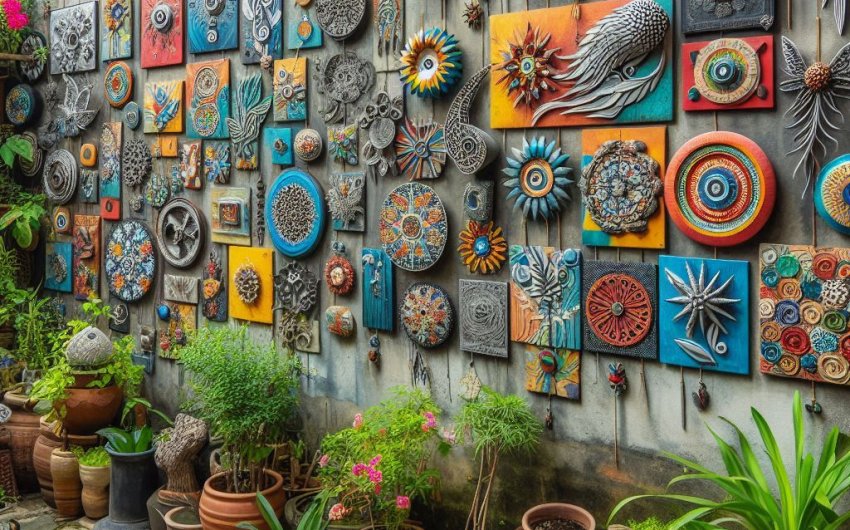
Transforming an ordinary outdoor space into a captivating visual experience becomes effortless when you learn how to incorporate artistic garden wall hangings. These decorative elements offer a unique opportunity to elevate bare fences, dull walls, or even shed exteriors into vibrant focal points. By adding texture, color, and depth to vertical surfaces, garden wall hangings provide an artistic touch that completes the aesthetic of any outdoor sanctuary.
Why are garden wall hangings a great addition to an outdoor space?
Garden wall hangings are an often-underestimated design element that can dramatically transform an outdoor space. They go beyond mere decoration, offering a wealth of benefits that enhance both the aesthetics and functionality of your garden, patio, or balcony.
Here's why they are a great addition:
- Maximize Vertical Space: In urban gardens, small patios, or balconies, horizontal space is limited. Wall hangings effectively utilize vertical surfaces like fences, exterior walls, or shed sides, turning otherwise blank canvases into dynamic displays. This is especially true for vertical garden planters that allow you to grow plants vertically.
- Add Instant Color and Texture: A plain wall can feel dull. A vibrant metal wall art sculpture, a mosaic, or a living wall planter introduces immediate color, varied textures, and visual interest, breaking up monotony.
- Create Focal Points: A well-placed wall hanging can act as a focal point, drawing the eye and guiding attention through the garden. It can highlight a seating area, define an entryway, or simply be a striking piece of art to admire.
- Conceal Imperfections: Have an unsightly fence, a dull concrete wall, or an old shed? Wall hangings can cleverly disguise these imperfections, making less attractive areas disappear behind beautiful art or lush greenery.
- Reflect Personal Style: Wall hangings are an extension of your indoor decor, allowing you to infuse your outdoor space with your unique personality and artistic taste. Whether you prefer rustic, modern, whimsical, or elegant, there's a wall hanging to match.
- Provide Year-Round Interest: Unlike plants that may go dormant in winter, many decorative wall hangings offer consistent visual appeal throughout all seasons. They can be particularly important in winter when the garden is otherwise bare.
- Enhance Ambiance: Depending on the style, wall hangings can create different moods. A wind chime adds soothing sounds, a mirror can create an illusion of space, and a vibrant mosaic piece can add energy.
- Support Plant Growth: Some wall hanging designs, like trellises or vertical planters, actively support the growth of climbing plants, herbs, or flowers, combining art with horticulture.
- Versatility: They are available in a vast array of materials, sizes, and designs, ensuring there's something suitable for every garden theme and budget. They can be easily changed out seasonally or when you want a new look.
By understanding these benefits, you can truly appreciate why learning how to incorporate artistic garden wall hangings is a valuable skill for enhancing any outdoor living space.
What types of garden wall hangings are popular?
The world of garden wall hangings is diverse, offering a rich tapestry of materials, styles, and functionalities to suit any outdoor aesthetic. When learning how to incorporate artistic garden wall hangings, exploring the popular types will inspire your choices and help you find the perfect pieces for your space.
Here are some popular types of garden wall hangings:
1. Metal Wall Art
- Description: Sculptural pieces crafted from various metals, often featuring intricate designs, natural motifs (leaves, flowers, animals), or abstract forms.
- Materials: Common metals include steel (often powder-coated or rusted to a Corten steel finish), aluminum (lightweight and rust-resistant), copper (develops a beautiful green patina over time), and wrought iron.
- Popular Styles:
- Nature-Inspired: Metal tree of life wall art, birds, butterflies, suns, moons.
- Abstract: Geometric shapes, flowing lines.
- Figurative: Sylized human or animal figures.
- Benefits: Durable, weather-resistant, provides year-round interest, and can create a strong visual statement. Metal reflects light beautifully.
- Considerations: Weight (especially for iron), potential for rust on untreated steel.
2. Vertical Planters and Living Walls
- Description: Systems designed to hold plants on a vertical surface. These can range from simple wall-mounted pots to elaborate modular systems that create a lush "living wall."
- Materials: Plastic, recycled plastic, felt, wood, metal.
- Popular Styles: Stackable planters, wall-mounted pockets (felt vertical garden planter), multi-tiered shelf units, or even old pallets repurposed.
- Benefits: Maximizes growing space in small areas, adds greenery and freshness, can grow herbs, flowers, or small vegetables. Improves air quality and provides aesthetic appeal.
- Considerations: Requires consistent watering, drainage management, and plant selection suitable for vertical growth and light conditions.
3. Outdoor Mirrors
- Description: Specially designed mirrors with weather-resistant frames that can be mounted outdoors.
- Materials: Typically framed with metal (often treated for outdoor use), resin, or wood, with a reflective surface.
- Popular Styles: Window frame mirrors, ornate decorative mirrors, or simple round/square designs.
- Benefits: Creates an illusion of depth and space, reflects light into darker areas, and mirrors surrounding plants, making the garden feel larger and brighter.
- Considerations: Placement to avoid reflecting harsh direct sun onto plants (can scorch them) or creating a fire hazard. Ensure frame material is truly outdoor-rated.
4. Decorative Clocks and Thermometers
- Description: Functional pieces designed with aesthetic appeal for outdoor use.
- Materials: Metal, resin, or weather-resistant wood.
- Popular Styles: Large outdoor garden clock with Roman numerals, vintage-style thermometers, or combined clock/thermometer/hygrometer units.
- Benefits: Adds a practical element while also serving as a decorative focal point. Can be a classic or whimsical touch.
- Considerations: Ensure they are genuinely weatherproof and that the mechanism is durable for outdoor conditions.
5. Wind Chimes
- Description: Tuned tubes or rods that produce soothing sounds when moved by the wind.
- Materials: Metal (aluminum, copper, brass), bamboo, glass, ceramic, wood.
- Popular Styles: Large melodic wind chimes for deep tones, smaller decorative chimes.
- Benefits: Adds an auditory dimension to the garden, creating a peaceful and relaxing ambiance. Can also be visually appealing.
- Considerations: Sound quality (test before buying if possible), durability of materials, and placement to catch gentle breezes without being overwhelmed by strong winds.
6. Mosaic Art and Stained Glass Panels
- Description: Intricate pieces created from small pieces of colored glass, tile, or ceramic, or panels of colored glass joined by lead.
- Materials: Glass, ceramic, stone, adhered to a weather-resistant backing (for mosaic) or framed leaded glass (for stained glass).
- Popular Styles: Abstract patterns, floral designs, animal figures, suncatchers.
- Benefits: Adds vibrant color and unique texture, especially when illuminated by sunlight. Creates a handcrafted, artistic feel.
- Considerations: Fragility, especially for stained glass. Requires protection from direct impact or extreme weather.
7. Repurposed Items and DIY Art
- Description: Creative use of everyday objects to create unique wall decor.
- Examples: Old garden tools arranged artistically, painted wooden pallets, colorful plates, antique wagon wheels, metal grates, old signs, or even creatively arranged stones.
- Benefits: Highly personal, budget-friendly, sustainable, and creates truly unique statements.
- Considerations: Ensure items are outdoor-safe or treated to withstand weather.
By understanding the characteristics and popular styles of these garden wall hangings, you're well-equipped to make informed choices on how to incorporate artistic garden wall hangings that truly enhance your outdoor living space.
How do I choose the right wall hanging for my garden's style?
Choosing the right garden wall hanging involves more than just liking a piece; it's about making sure it complements and enhances your garden's existing style and atmosphere. A well-chosen wall hanging integrates seamlessly, feeling like a natural extension of your outdoor design. This thoughtful selection is key to successfully learning how to incorporate artistic garden wall hangings.
Here’s how to choose the right wall hanging for your garden's style:
1. Identify Your Garden's Existing Style
Before you shop, take a moment to define your garden's current aesthetic. Is it:
- Modern/Contemporary: Clean lines, minimalist, often uses geometric shapes, concrete, metal, limited color palettes.
- Cottage/Romantic: Abundant flowers, soft curves, natural materials, a slightly wild or informal feel, pastel colors, vintage elements.
- Rustic/Farmhouse: Natural wood, distressed metal, weathered finishes, practical items repurposed, earthy tones.
- Asian/Zen: Serene, minimalist, natural stone, bamboo, water features, simple, contemplative forms, often shades of green, gray, and brown.
- Formal/Traditional: Symmetrical, manicured, classical elements (urns, pedestals), often stone or wrought iron, restrained color palettes.
- Mediterranean/Tuscan: Warm colors, terracotta, mosaic, wrought iron, often citrus plants, drought-tolerant plants.
- Bohemian/Eclectic: Mix of patterns, textures, vibrant colors, handmade items, global inspirations, relaxed and layered feel.
- Coastal/Beach: Driftwood, nautical themes, blues, whites, sandy tones, natural textures.
2. Consider the Material
The material of the wall hanging profoundly impacts its suitability for a particular style.
- Metal (Sleek/Modern): Polished stainless steel or aluminum for modern. Rusty Corten steel for rustic/industrial. Intricate wrought iron for traditional/Mediterranean. Metal sun wall decor can fit many styles depending on its finish.
- Stone/Concrete: Ideal for formal, classical, Asian/Zen, or rustic gardens. Their natural texture and weight ground the design.
- Resin: Highly versatile due to its ability to mimic other materials and take on various painted finishes. Can fit almost any style depending on the specific design. Look for garden wall art resin to match your theme.
- Wood: Best for rustic, farmhouse, or natural/bohemian styles. Can be raw, distressed, or painted.
- Ceramic/Mosaic/Glass: Adds vibrant color and texture, suitable for eclectic, Mediterranean, or whimsical gardens.
3. Match the Color Palette
- Harmonize: Choose colors that already exist in your garden's planting scheme or hardscaping. For example, a blue metal piece could echo blue flowers or a blue painted pot.
- Contrast: Alternatively, choose a color that provides a striking but pleasing contrast to your existing palette, drawing attention to the piece. A vibrant red or orange piece against a green backdrop can be very effective.
- Consider Patina: Remember that natural materials like copper and bronze will change color over time. Ensure you like the aged patina as much as the initial finish.
4. Subject Matter and Theme
- Nature Motifs: Flowers, leaves, birds, butterflies are universally appealing and fit most garden styles, especially cottage or naturalistic themes. A metal butterfly wall art is a versatile choice.
- Abstract Forms: Geometric shapes, flowing lines, or sculptural pieces are best for modern, contemporary, or minimalist gardens.
- Figurative: Gnomes for whimsical, classical busts for formal, Asian figures for Zen.
- Functional Art: Clocks, thermometers, or unique vertical planters can blend practicality with decoration, fitting well into various informal styles.
5. Consider Scale and Proportion
- Size Matters: A wall hanging should be proportional to the wall space it occupies and the garden around it. A tiny piece on a huge wall will look lost, while an oversized piece on a small wall will overwhelm.
- "Rule of Thirds": As a general guideline, aim for the wall hanging to occupy roughly one-third to two-thirds of the empty wall space.
6. Think About the Overall Feeling
- Mood: Does your garden evoke peace, energy, whimsy, or formality? Choose a wall hanging that reinforces that feeling.
- Peaceful: Smooth, minimalist, natural textures, water elements (like a wall-mounted fountain).
- Energetic/Vibrant: Bright colors, dynamic shapes, wind chimes that produce lively sounds.
- Whimsical: Playful animals, gnomes, quirky repurposed items.
By thoughtfully considering your garden's existing style, the material, color, and subject matter of the wall hanging, you can confidently choose pieces that truly complement your outdoor aesthetic, effectively demonstrating how to incorporate artistic garden wall hangings with purpose and beauty.
How do I securely install garden wall hangings outdoors?
Securely installing garden wall hangings is paramount to ensure they remain safe, stable, and undamaged by outdoor elements. Improper installation can lead to damage to the artwork, the wall, or even pose a safety hazard. Learning how to incorporate artistic garden wall hangings effectively includes mastering proper mounting techniques for various outdoor surfaces.
Here's a guide to securely installing garden wall hangings:
1. Assess the Wall Surface
The type of wall you're mounting to dictates the fasteners and tools you'll need. Common outdoor surfaces include:
- Wood Fences or Walls (e.g., shed siding, deck railings): Easiest to work with.
- Brick or Concrete Walls (e.g., house exterior, retaining wall): Requires drilling into masonry.
- Vinyl Siding: Can be tricky; avoid drilling directly into the siding if possible.
- Metal Fence/Trellis: Requires specific clamps or ties.
2. Choose the Right Hardware
Always use outdoor-rated hardware that is resistant to rust and corrosion.
- Stainless Steel Screws: Ideal for longevity.
- Galvanized Screws/Nails: Also rust-resistant, good for wood.
- Anchors/Molly Bolts (for masonry): If drilling into brick or concrete, you'll need masonry drill bits and appropriate wall anchors or lag shields.
- Heavy-Duty Hooks/Brackets: Ensure the hook or bracket itself is rated for the weight of your wall hanging. Look for outdoor wall hanging hooks.
- Zip Ties/Wire (for fences/trellises): For lighter hangings on open structures. Use UV-resistant outdoor zip ties or galvanized wire.
3. Determine the Weight of Your Wall Hanging
- Small/Light (under 5 lbs): Simple nails or small screws into wood studs may suffice.
- Medium (5-20 lbs): Requires a sturdy screw into a wood stud or robust wall anchor for masonry. Use at least two anchor points if possible.
- Heavy (20+ lbs): Requires very strong, multi-point anchoring into studs or structural elements. Consider professional installation for very heavy pieces.
4. Installation Steps by Surface Type:
For Wood Fences or Walls:
- Locate Studs/Strong Points: For heavy items, aim for fence posts or wall studs behind the siding. For lighter items, any sturdy section of wood is usually fine.
- Mark Placement: Hold the wall hanging in place, or measure carefully, and mark the drill points for your screws or hooks. Use a level to ensure it's straight.
- Pre-Drill Pilot Holes: Use a drill bit slightly smaller than your screw's diameter to create pilot holes. This prevents wood splitting.
- Install Hardware: Screw in your hooks or screws firmly until secure.
- Hang the Art: Carefully hang your wall hanging.
For Brick or Concrete Walls:
- Mark Placement: Mark your drill points. Use a level.
- Drill Pilot Holes: Use a masonry drill bit (carbide-tipped) and a hammer drill (if possible) to drill holes to the specified depth for your anchors.
- Insert Anchors: Tap plastic or metal wall anchors into the drilled holes until flush with the wall surface.
- Install Hardware: Screw your hooks or screws into the anchors. The anchors will expand and grip the masonry.
- Hang the Art: Carefully hang your wall hanging.
For Vinyl Siding:
- Option 1 (Best - Use a Siding Hook): Use specially designed vinyl siding hooks that slide under the siding panels. These require no drilling and are great for lighter items.
- Option 2 (Drilling - Use with Caution): If you must drill, aim for a structural stud underneath the siding. Use a drill bit slightly larger than your screw's shaft, and use a siding safe screw or seal the hole with silicone caulk to prevent water intrusion behind the siding, which can lead to mold or rot.
For Metal Fences/Trellises:
- Option 1 (Zip Ties/Wire): For lightweight items, use UV-resistant outdoor zip ties or plastic-coated garden wire to secure the hanging.
- Option 2 (Clamps/Bolts): For heavier pieces, use metal clamps or U-bolts that wrap around the trellis bars. For permanent installation, you may need to drill and use nuts and bolts.
5. Consider Wind and Weather
- High Wind Areas: If your garden is prone to strong winds, ensure any wall hanging is securely fastened at multiple points to prevent it from swinging, rattling, or being ripped off.
- Mirrors: Place outdoor mirrors where they won't reflect intense direct sunlight onto plants (scorching risk) or create a fire hazard.
By carefully following these installation guidelines and using the appropriate outdoor-rated hardware, you can securely incorporate artistic garden wall hangings into your outdoor space, ensuring they remain beautiful and safe focal points for years to come.