
What Are the Best Minimalist Garden Decor Ideas for Modern Homes?
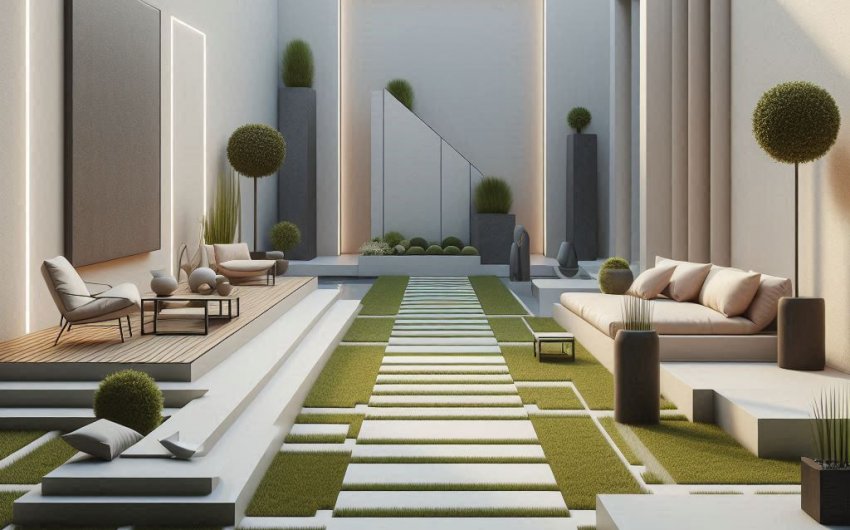
Minimalist design is all about simplicity, clean lines, and focusing on what truly matters. It's about creating spaces that feel calm, organized, and elegant, without too much clutter. When you bring this style outdoors, you get a minimalist garden. This kind of garden is perfect for modern homes because it matches their sleek, uncluttered look. Instead of lots of small decorations, a minimalist garden uses a few well-chosen items to make a big impact. It's about quality, not quantity. Let's explore how to create this peaceful outdoor retreat.
What Defines a Minimalist Garden?
Before we dive into specific decor, it's good to understand the core ideas behind a minimalist garden. It’s more than just having less stuff; it’s about thoughtful design.
Why Less is More in Minimalist Design?
In minimalist gardens, every element has a purpose. There are no unnecessary decorations. This creates a sense of openness and calm. When there's less clutter, your eyes can focus on the beautiful lines, textures, and key features of the garden. It makes the space feel larger and more intentional. Think of it like a beautiful piece of art where every brushstroke matters.
What Are the Key Elements of Minimalist Style?
Several things come together to make a garden feel minimalist:
- Clean Lines and Geometric Shapes: You'll see straight paths, square planters, and circular seating areas. These strong shapes create structure and order.
- Limited Color Palette: Instead of many bright colors, minimalist gardens often use a few main colors. Think greens, whites, grays, and perhaps one subtle accent color. This creates a peaceful, harmonious look.
- Emphasis on Texture: With fewer colors, textures become very important. Smooth concrete, rough stone, glossy leaves, and soft grasses add interest without adding clutter.
- Functional Design: Everything in a minimalist garden serves a purpose. Seating areas are for relaxing, paths are for walking, and plants are chosen for their form, not just their flowers.
- Negative Space: This is the empty space around objects. In minimalist design, negative space is just as important as the objects themselves. It allows elements to "breathe" and stand out.
How Does Minimalist Garden Design Complement Modern Homes?
Modern homes often feature simple shapes, large windows, and natural materials like concrete, glass, and steel. A minimalist garden extends these design choices from inside the house to the outdoor space. It creates a seamless flow, making the garden feel like another "room" of the home. This connection makes both the house and the garden feel more harmonious and complete.
What Are the Best Planters for a Minimalist Look?
Planters are essential in any garden, but in a minimalist space, their shape, material, and placement are very important. They should add to the clean aesthetic, not detract from it.
Why Choose Simple Shapes?
For a minimalist garden, stick to planters with very simple shapes.
- Cubes and Rectangles: Square or rectangular planters made of concrete, metal, or sleek fiberglass are perfect. Their straight lines echo the architectural lines of a modern home.
- Cylinders: Smooth, cylindrical planters in dark or neutral colors also work well.
- Avoid: Steer clear of ornate, highly decorative, or brightly colored planters. Their busy patterns would clash with the calm minimalist aesthetic.
What Materials Work Best?
The material of your planters should be durable and have a modern feel.
- Concrete: Concrete planters are heavy, sturdy, and have a beautiful, industrial look that fits perfectly with modern homes. They often come in shades of gray.
- Metal (Corten Steel, Aluminum): Corten steel rusts to a rich, earthy orange patina over time, which adds a beautiful textural contrast. Aluminum planters are lightweight and can be powder-coated in various sleek colors like black or dark gray.
- Fiberglass: Fiberglass planters are light, strong, and can be molded into various shapes. They often have a smooth, matte finish that looks very modern.
- Terra Cotta (Limited Use): While classic, traditional terra cotta can look too rustic. If you use it, choose very simple, unadorned shapes and perhaps darker, unglazed versions.
How to Use Planters for Impact?
Placement is key in a minimalist garden.
- Grouping: Instead of scattering many small planters, use a few large planters or group a few of the same size and material together. This creates a stronger visual statement.
- Strategic Placement: Place planters to highlight a specific area, define a path, or frame an entrance.
- One Plant Per Planter: Often, a minimalist approach means planting only one type of plant in each planter. Choose plants with strong forms or interesting textures. This keeps the focus on the plant itself and the clean lines of the planter.
Which Plants are Ideal for a Minimalist Garden?
In a minimalist garden, plants are chosen for their structure, texture, and subtle beauty, rather than an explosion of color.
Why Choose Architectural Plants?
Architectural plants have a strong, defined shape that makes a statement.
- Grasses: Ornamental grasses like Fountain Grass (Pennisetum alopecuroides) or Maiden Grass (Miscanthus sinensis) add movement and fine texture. Mondo grass is great for ground cover in shady spots.
- Succulents and Cacti: Large Agaves, Yucca, or columnar cacti offer unique, sculptural forms. They are also low-maintenance, which fits the simplicity theme.
- Evergreen Shrubs with Strong Forms: Boxwood (clipped into clean shapes), Dwarf Conifers, or Japanese Maples (for their elegant structure, even when bare) work well.
How to Use Limited Color Palettes?
Stick to greens, whites, and perhaps silvers or purples.
- Varied Greens: Use different shades of green to create depth and interest through foliage. Think dark green hostas next to lighter green ferns.
- White Flowers: White flowers, like those on Hydrangeas or some varieties of Peonies, provide bright accents without being overwhelming.
- Subtle Accents: If you want a touch of color, choose one subtle accent color that repeats in a few places, perhaps a deep purple or a soft blue.
Why Focus on Texture and Form?
With less reliance on bright flowers, the texture and form of the plants become the main attraction.
- Bold Leaves: Plants with large, bold leaves like Hostas or some tropical plants.
- Fine Foliage: Delicate, wispy foliage of grasses or ferns.
- Smooth Bark: Trees with interesting bark patterns.
- Repetition: Repeating the same plant or type of plant in different areas creates a cohesive and calm look.
What Seating and Furniture Fit a Minimalist Garden?
Outdoor furniture in a minimalist garden should be comfortable, functional, and visually light.
Why Choose Simple, Uncluttered Designs?
Furniture should blend into the environment, not dominate it.
- Clean Lines: Look for outdoor furniture with straight lines, simple curves, and minimal ornamentation.
- Built-in Seating: Built-in benches or concrete seating areas are fantastic for a minimalist look. They are permanent, blend seamlessly with the landscape, and remove the need for separate pieces that might clutter the space.
- Avoid: Ornate wrought iron, bulky wicker with too many cushions, or furniture with excessive details.
What Materials are Best for Minimalist Outdoor Furniture?
Similar to planters, durable, modern materials are preferred.
- Metal (Powder-Coated Aluminum, Stainless Steel): Powder-coated aluminum furniture is lightweight, rust-resistant, and comes in sleek colors like black, white, or dark gray. Stainless steel offers a very modern, shiny look.
- Teak or Ipe (Clean Designs): If using wood, choose teak or ipe furniture with very simple, slatted, or blocky designs. The natural warmth of wood can be a nice contrast to harsher materials. Avoid rustic or heavily carved wooden pieces.
- Concrete: Concrete benches or even custom-built concrete seating with simple, sleek cushions.
How to Keep Seating Functional and Visually Light?
- Limited Cushions: Use only a few simple, solid-colored cushions. White, gray, or black cushions work well. Avoid busy patterns or too many throw pillows.
- Retractable Awnings: Instead of bulky umbrellas, consider a retractable awning or a simple shade sail for sun protection. They are less visually intrusive.
- Integrated Storage: If you need storage, choose furniture with hidden compartments or very clean, integrated storage solutions.
What Hardscaping Elements Create a Minimalist Look?
Hardscaping refers to the non-living elements in your garden, like paths, patios, and walls. These are crucial for creating the structure of a minimalist garden.
Why Use Clean, Geometric Paving?
The type of paving you choose can greatly influence the overall feel.
- Large Format Pavers: Large, square or rectangular pavers made of concrete, bluestone, or porcelain are excellent. Lay them in a grid pattern or with clean, wide joints filled with gravel or small plants.
- Poured Concrete: A smooth, continuous surface of poured concrete creates a very modern and seamless look.
- Gravel Paths: Simple gravel paths with clean edges can add texture and a subtle sound.
What Materials Work for Walls and Edging?
Walls and edging define spaces and add vertical interest.
- Rendered Walls: Smooth, rendered walls in white, gray, or charcoal provide a clean, architectural backdrop.
- Corten Steel Edging: Corten steel edging creates crisp, clean lines for garden beds or paths, adding that industrial, yet natural, touch.
- Gabion Walls: Walls made of wire cages filled with rocks (gabion walls) offer a unique texture and a raw, modern look.
How to Incorporate Water Features?
Water features in a minimalist garden are about the sound and reflection, not ornate sculptures.
- Still Water Basins: A simple, rectangular or circular still water basin or pond provides calm reflections and a sense of serenity.
- Sheer Descent Waterfalls: A simple sheet of water falling from a wall into a hidden basin offers a clean, modern aesthetic and a soothing sound. Avoid elaborate, multi-tiered fountains.
- Consider LED Lighting: Subtly illuminate water features with submersible LED lights for evening ambiance.
Why Use Minimal Mulch or Ground Cover?
Instead of colorful bark mulches, opt for materials that enhance the clean look.
- Pebbles or Crushed Stone: Smooth, uniform pebbles or crushed stone in shades of gray, white, or black create a neat, textural ground cover.
- Exposed Soil (Carefully): In some very minimalist designs, carefully prepared and weed-free exposed soil can be used, creating a zen-like effect.
- Groundcover Plants: Low-growing, uniform groundcover plants like Dwarf Mondo Grass or Irish Moss can create a lush, green carpet.
What Lighting Ideas Work for Minimalist Gardens?
Outdoor lighting is not just for safety; it's a powerful tool to highlight features and create ambiance in a minimalist garden.
Why Use Subtle, Functional Lighting?
Lighting should be understated, drawing attention to the features, not the light fixture itself.
- Path Lighting: Install low-profile, in-ground path lights or slim bollard lights to guide the way safely without being obtrusive.
- Up-lighting: Use spotlights to shine upwards onto architectural plants, textured walls, or trees. This creates dramatic shadows and highlights key elements.
- Down-lighting: Lights mounted high on a wall or pergola that shine down (sometimes called "moonlighting") create a soft, general glow.
What Kind of Fixtures to Choose?
Look for simple, modern fixtures.
- Sleek Materials: Choose fixtures made of brushed metal (stainless steel, aluminum), black, or dark gray finishes.
- Hidden Fixtures: Often, the best minimalist lighting means the light source itself is hidden, and you only see the effect of the light.
- Integrated Lighting: Built-in LED strips under benches or along steps create a beautiful, seamless glow.
How to Use Lighting to Create Ambiance?
- Warm White Light: Stick to warm white LED lights (around 2700K-3000K) to create a cozy and inviting atmosphere. Avoid harsh blue-white lights.
- Dimmers: Use outdoor-rated dimmer switches to control the brightness and set the mood.
- Highlight Key Features: Use lighting to draw attention to your chosen focal points, whether it's a sculptural plant, a water feature, or an architectural wall.
What About Minimalist Garden Art and Decor Accents?
In a minimalist garden, every piece of decor must earn its place. Forget the garden gnomes and whimsical statues.
Why Choose One or Two Statement Pieces?
Instead of many small items, select just one or two powerful statement pieces.
- Sculptural Elements: A single, large, modern garden sculpture made of metal, stone, or concrete can be a stunning focal point.
- Abstract Forms: Look for abstract or geometric forms that complement the clean lines of the garden.
- Avoid: Overly detailed or realistic statues, which can look busy and out of place.
What Materials Work for Garden Art?
Again, natural and industrial materials are preferred.
- Corten Steel: A piece of Corten steel art will develop a beautiful rusty patina.
- Polished Stone: Smooth, polished stone spheres or blocks add a touch of natural elegance.
- Concrete: Simple concrete forms or cast concrete pieces can be very impactful.
How to Incorporate Fire Features?
A fire pit or fireplace can be a wonderful addition, bringing warmth and a focal point.
- Clean Designs: Choose a modern fire pit made of concrete, steel, or stone with very clean, geometric lines.
- Built-in Fireplaces: A simple, built-in outdoor fireplace with a rendered finish can be a strong architectural element.
- Avoid: Ornate or overly rustic fire pits.
Why Less is Truly More with Accessories?
Resist the urge to add lots of small decorative items.
- No Clutter: Think about functionality first. If an item doesn't serve a clear purpose or enhance the overall design, leave it out.
- Consideration of Space: Every object takes up visual space. In a minimalist garden, you want to preserve as much open, calming space as possible.
What are Some General Principles for Minimalist Garden Design?
Beyond specific decor items, there are overarching ideas to keep in mind when planning your minimalist garden.
Why Focus on Harmony and Flow?
A minimalist garden should feel like a natural extension of your home.
- Seamless Transition: Use similar materials, colors, and forms indoors and out to create a smooth transition.
- Clear Pathways: Paths should lead somewhere and be easy to navigate. They aren't just decorative but functional.
- Viewpoints: Design your garden with specific views in mind from your windows or seating areas. Frame these views with careful plant placement or hardscaping.
How to Maintain Simplicity?
- Regular Pruning: Keep plants well-pruned to maintain their desired shape and prevent them from looking overgrown or messy.
- Weeding: Weeds stand out in a minimalist garden. Stay on top of them.
- Tidiness: A minimalist garden needs to be kept tidy. Regularly sweep paths, clear leaves, and keep surfaces clean.
What About Repetition and Balance?
- Repetition: Use the same types of plants, materials, or colors in different parts of the garden. This creates a cohesive and calming feel.
- Balance: Create visual balance. This doesn't always mean symmetry. You might have one large planter balanced by a group of smaller ones on the other side of a pathway.
Why Plan Before You Plant?
With minimalist design, every choice counts.
- Draw it Out: Sketch your ideas. Think about where paths will go, where seating will be, and where your key plants or sculptures will be placed.
- Consider Scale: Make sure the size of your chosen decor items and plants is right for the size of your garden. A huge sculpture in a tiny garden can look overwhelming.
- Think Long-Term: Choose plants that will maintain their shape and size with minimal effort. Consider how materials will age over time.
By embracing these principles and choosing your garden decor thoughtfully, you can create a tranquil, stylish, and low-maintenance minimalist garden that perfectly complements your modern home. It will be a peaceful retreat where every element contributes to a sense of calm and beauty.