
How to Use Repurposed Items as Garden Planter Decorations?
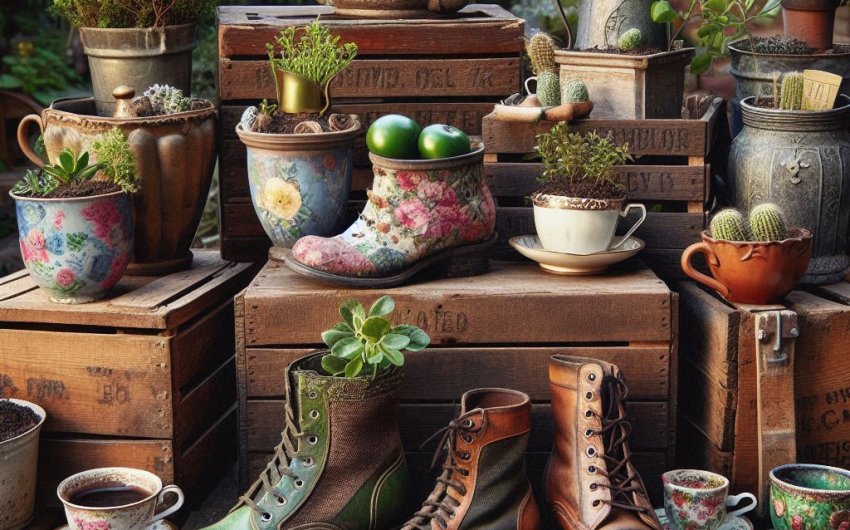
Do you love finding treasures at yard sales, flea markets, or even in your own garage? Are you looking for unique ways to add personality and charm to your garden? Then repurposing is your new favorite word! Turning old, unused items into beautiful garden planter decorations is a fantastic way to combine your love for gardening with creativity and sustainability. It saves money, reduces waste, and gives your outdoor space a truly one-of-a-kind look. Let's dig into how you can transform everyday objects into whimsical and wonderful homes for your plants.
Why Repurpose Items for Your Garden?
Before we jump into specific ideas, let's understand why repurposing is such a winning concept for your garden. It’s more than just a trend; it's a smart way to garden.
What are the Benefits of Repurposing?
- Sustainability and Eco-Friendly: Every item you repurpose is one less item in a landfill. This reduces waste and gives materials a new life, which is great for the planet. It's a truly eco-friendly garden solution.
- Cost-Effective: You can create stunning garden decor without spending a lot of money. Many repurposed items can be found for free or at very low cost.
- Unique and Personalized: Your garden will stand out! No two repurposed creations are exactly alike, giving your outdoor space a distinctive charm that reflects your personality. It tells a story.
- Creative Outlet: It's a fun and rewarding way to exercise your creativity. You'll start seeing potential in objects you once overlooked.
- Durability (Often): Many old items, especially those made of metal or sturdy wood, were built to last. They can withstand outdoor elements surprisingly well.
What Kind of Items Can Be Repurposed?
Almost anything can be repurposed! The key is to look at objects with a fresh perspective and imagine them holding plants or complementing your existing garden decor.
- Old Furniture: Chairs, dressers, bedside tables, headboards.
- Kitchenware: Teacups, colanders, kettles, old pots.
- Tools: Wheelbarrows, toolboxes, old garden tools.
- Vehicles/Parts: Old tires, license plates, even bicycle frames.
- Containers: Buckets, crates, barrels, even old boots!
- Architectural Salvage: Old windows, doors, bricks, tiles.
What to Consider Before Repurposing an Item as a Planter?
While almost anything can be repurposed, a few practical considerations will ensure your creative project is successful and long-lasting.
Does it Need Drainage Holes?
This is the most crucial point for any container intended to hold live plants.
- Prevent Root Rot: Plants need drainage to prevent their roots from sitting in soggy water, which leads to root rot.
- Drilling Holes: If your repurposed item doesn't have holes, you'll need to add them.
- Metal: Use a metal drill bit for cans, buckets, or metal tubs.
- Plastic: A regular drill bit works fine for plastic.
- Ceramic/Glass: Use a diamond-tipped drill bit and go slowly with water to keep the bit cool.
- Wood: A regular drill bit for wood.
- Alternative (No Holes): If you absolutely cannot or do not want to drill holes, you can use the repurposed item as a "cache pot" (a decorative outer pot). Place a smaller, nursery pot with drainage holes inside your repurposed item. Just remember to empty any excess water that collects in the bottom.
Is the Material Safe for Plants?
Be mindful of what the item is made of and what might leach into the soil.
- Treated Wood: Some old wood (especially from outdoor structures or pallets) might be treated with chemicals that could be harmful to plants. It's generally best to avoid treated wood for edible plants unless you're sure it's food-safe.
- Painted Items: If an item is old and painted, especially with peeling paint, consider sanding it down and repainting it with outdoor, non-toxic paint that's safe for gardens. Some old paints might contain lead.
- Chemical Residue: Avoid items that have held harsh chemicals (e.g., old gas cans, pesticide containers), even if they appear clean.
Will It Withstand Outdoor Elements?
Your repurposed planter will be exposed to sun, rain, wind, and temperature changes.
- Rust: Metal items will rust over time. For an aged, rusty look, this is great! If you want to prevent rust, you'll need to clean, prime, and paint metal items with rust-inhibiting spray paint.
- Rot: Wooden items will eventually rot, especially if in constant contact with moist soil. You can prolong their life by lining them with plastic sheeting (remembering drainage holes) or treating the inside with a wood preservative.
- Fading: Plastics and painted items can fade in the sun.
Does It Need to Be Cleaned or Prepped?
Almost always, yes!
- Thorough Cleaning: Wash the item thoroughly with soap and water, especially if it's dirty or has held anything questionable. A scrub brush can be very helpful.
- Sanding/Painting: As mentioned, sand rough edges on wood or prepare metal for paint if you want a specific finish.
Top Ideas for Repurposing Items into Garden Planters
Get ready to be inspired! Here are some fantastic and popular ideas for turning trash into garden treasures.
1. Old Furniture as Planters
Furniture offers unique shapes and multiple planting opportunities.
- Drawer Planters: An old dresser or chest of drawers can be transformed into a tiered planter. Pull out the drawers, line them with plastic (with drainage holes), fill with soil, and plant. You can paint the dresser a fun color.
- Chair Planters: Remove the seat from an old chair and replace it with a wire basket or a sturdy pot. You can paint the chair, or let it weather naturally for a rustic look.
- Bed Frame Gardens: An old iron bed frame can become a stunning focal point. Plant climbing vines or tall flowers where the mattress would go, or use the headboard as a trellis for smaller vining plants.
- End Table/Nightstand Planters: Small tables can hold a single pot, or their drawers can be modified to hold plants.
2. Kitchenware and Dishware Planters
These add a charming, whimsical touch, especially in smaller garden spaces or patios.
- Colander Planters: An old colander already has drainage! Just line it with a bit of landscaping fabric to prevent soil from washing out, then plant small herbs or succulents. Hang it or place it on a stand.
- Teacup/Teapot Planters: Delightful for miniature plants, succulents, or tiny fairy gardens. Ensure you drill a small drainage hole. You can display them on shelves or nestled in garden beds.
- Kettle Planters: An old metal kettle or watering can, especially a rusty one, can be charming for herbs or small flowers. Drill drainage holes.
- Bundt Pan Planters: The unique shape of a bundt pan can make an interesting planter for succulents or small annuals.
3. Old Tools and Hardware Planters
Giving old tools a new purpose highlights their history and character.
- Wheelbarrow Planters: A rusty old wheelbarrow makes a fantastic mobile planter for annuals, herbs, or even a small vegetable garden. Ensure drainage holes are present or add them.
- Toolbox Planters: An old metal toolbox or wooden toolbox can hold succulents, herbs, or a collection of small flowers. Drill drainage holes.
- Shovel Head Decor: While not a planter itself, an old shovel head can be hung as a backdrop for a smaller wall-mounted pot.
- License Plate Planters: Bend old license plates into small box shapes for succulents or air plants, or use them as decorative accents behind pots.
4. Container Creations
Think beyond traditional pots for unique planting vessels.
- Tire Planters: Old tires can be painted bright colors and stacked to create tiered planters. Or, cut them and flip them inside out for a more decorative edge.
- Wooden Crate Planters: Old wooden crates (like milk crates or fruit crates) can be lined, filled with soil, and used for flowers or vegetables. Stack them for vertical gardening.
- Tin Can Gardens: Assorted tin cans can be cleaned, drilled for drainage, painted, and grouped together for a charming display. Attach them to a fence for a vertical garden.
- Old Boot/Shoe Planters: Worn-out boots, especially wellington boots, can make quirky planters for annuals or succulents. Just poke a few holes in the bottom.
5. Architectural Salvage and More
Look for discarded building materials or oddities.
- Old Sinks/Toilets: For a truly quirky statement, an old sink or toilet can become a conversation-starting planter. Ensure proper drainage.
- Brick/Cinder Block Planters: Stack cinder blocks to create unique, modular planters. Their holes are perfect for planting small trailing plants or succulents.
- Wagon/Cart Planters: An old wooden wagon or rusty cart can be a large, movable planter for a variety of plants.
- Old Bicycles: Lean an old bicycle against a fence and attach small pots to the basket, handlebars, or seat for a charming display.
How to Make Your Repurposed Planters Thrive?
Once you've chosen and prepped your repurposed items, making them functional for plants requires good gardening practice.
Choose the Right Plants
Consider the size and needs of the repurposed planter and choose plants accordingly.
- Small Containers: Teacups, small cans, or boots are best for succulents, small herbs, or single annual flowers.
- Larger Containers: Wheelbarrows, drawers, or sinks can accommodate a wider variety of plants, including small vegetables or mixed arrangements.
- Drainage Needs: If drainage is limited, opt for plants that prefer drier conditions, like succulents or cacti.
Use Quality Potting Mix
Don't skimp on the soil!
- Well-Draining: Use a high-quality, well-draining potting mix suitable for containers. This is especially important for repurposed items where drainage might be less than ideal.
- Amend if Needed: You can amend your potting mix with perlite or small gravel to further improve drainage.
Proper Watering
Container plants, especially in shallower or smaller repurposed planters, tend to dry out faster than plants in the ground.
- Check Daily: Check soil moisture daily, especially during hot, sunny weather.
- Water Thoroughly: Water until you see water draining from the bottom (or collecting in your cache pot).
Fertilize as Needed
Nutrients in potting mix get used up quickly.
- Liquid Fertilizer: Plan to feed your plants with a balanced liquid fertilizer diluted to half strength every 2-4 weeks during the growing season.
Consider the Weight
Some repurposed items, once filled with soil and water, can become very heavy.
- Placement: Plan where your repurposed planter will go before filling it.
- Mobility: If you might want to move it, consider adding wheels or casters to heavier items.
Creative Tips for Displaying Your Repurposed Planters
The way you arrange your repurposed planters is just as important as the planters themselves.
Grouping for Impact
- Cluster Containers: Arrange several different repurposed containers of varying sizes and heights together. This creates a more cohesive and impactful display than scattering them.
- Theme Gardens: Create a themed collection, like a "vintage kitchen garden" with old teapots and colanders, or a "tool shed garden" with toolboxes and buckets.
Vertical Displays
- Tiered Gardens: Stack old tires or drawers for a multi-level planter.
- Wall/Fence Art: Mount old tin cans, picture frames (with small pots inside), or even old shoes to a fence or wall to create a vertical garden.
- Ladder Displays: An old wooden ladder can be transformed into shelves for displaying a collection of small repurposed pots.
Adding Complementary Decor
- Signs: Add handmade garden signs made from reclaimed wood.
- Lighting: String solar-powered fairy lights around your display for evening ambiance.
- Found Objects: Even objects that aren't planters can be incorporated, like old watering cans, birdhouses, or pieces of driftwood, to enhance the theme.
Embrace the Imperfection
Part of the charm of repurposed items is their history. Don't feel the need to make them look brand new.
- Rustic Charm: Embrace the peeling paint, the rust, and the weathered wood. These imperfections add character and a story to your garden.
- Wabi-Sabi: This Japanese concept celebrates the beauty of imperfection and transience, fitting perfectly with repurposed garden decor.
By looking at everyday objects with a creative eye, you can transform forgotten items into functional and beautiful garden planter decorations. It's a journey of discovery, sustainability, and personal expression that will make your garden truly unique and a joy to behold. Happy repurposing!