
How to Create a Cottage-Style Garden with Rustic Decor?
Why should I create a cottage-style garden?
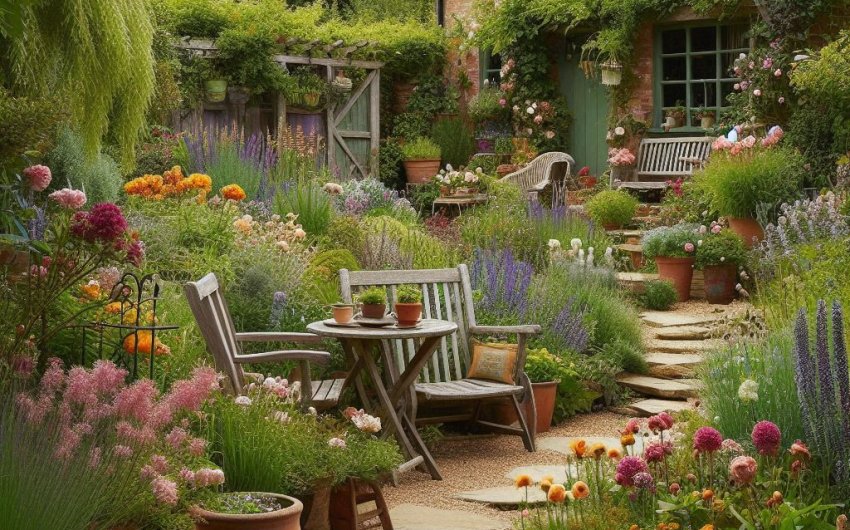
Imagine stepping into a garden that feels like a warm hug – overflowing with fragrant flowers, buzzing with bees, and filled with charming little surprises around every corner. That's the magic of a cottage-style garden! It’s all about creating a relaxed, informal, and abundant space that celebrates nature's beauty with a touch of whimsical charm. Unlike rigid, formal gardens, a cottage garden embraces a joyful mix of plants, colors, and textures, making it feel truly personal and inviting.
Creating a cottage-style garden is more than just planting flowers; it's about building a living, breathing retreat that feels both timeless and comforting. It encourages pollinators, provides a sensory feast with its scents and colors, and offers a delightful escape from the stresses of daily life. Plus, it's often more forgiving than formal gardens, allowing for a relaxed approach where plants might self-seed and grow where they please, adding to its natural charm. If you dream of a whimsical, abundant, and welcoming outdoor space, a cottage-style garden is the perfect design for you.
What are the key elements of a cottage-style garden?
A cottage-style garden has a distinct look and feel that sets it apart. It’s not just random planting; it's a carefully crafted sense of casual abundance and natural beauty. Understanding these key elements will help you design your own charming space.
Abundant planting: overflowing with flowers
This is perhaps the most defining feature of a cottage garden. It's all about packing plants in, creating a lush, overflowing look.
- Layered Planting: Instead of neat rows, imagine plants spilling over paths, climbing up walls, and mingling together. Use tall plants at the back, medium ones in the middle, and shorter ones at the front.
- Dense Coverage: The goal is to cover as much bare soil as possible, giving the garden a rich, full, and slightly wild appearance.
- Mix of Heights and Textures: Combine plants with different heights (tall delphiniums, bushy roses, low-growing campanulas) and textures (feathery ferns, spiky lavender, smooth rose petals).
An abundant, slightly unruly look is the heart of a cottage garden.
Informal design: relaxed and flowing
Forget straight lines and perfectly clipped hedges. A cottage garden embraces curves and a natural flow.
- Winding Paths: Paths made of gravel, stepping stones, or even just grass encourage leisurely strolls and reveal hidden nooks.
- Curved Flower Beds: Beds often have soft, irregular edges that flow into the lawn or other areas.
- Self-Seeding: Embrace plants that happily self-seed (like foxgloves or poppies), allowing them to pop up unexpectedly and add to the garden's informal charm.
The design should feel natural, relaxed, and welcoming, as if it evolved over time.
Diverse plant palette: a mix of old favorites
A cottage garden is a melting pot of plants, bringing together traditional favorites, edibles, and flowering beauties.
- Classic Cottage Flowers: Think roses (especially climbing and rambling varieties), hollyhocks, delphiniums, lupines, coneflowers, phlox, and daisies. These are the backbone.
- Herbs: Integrate culinary and medicinal herbs like lavender, rosemary, thyme, chives, and chamomile. Their fragrance is a bonus!
- Vegetables and Fruits: Don't be afraid to intersperse edibles! Lettuce under roses, cherry tomatoes climbing up a trellis, or strawberries bordering a path.
- Climbing Plants: Crucial for that quintessential cottage look. Roses, clematis, wisteria, and honeysuckle growing up arbors, pergolas, or house walls.
This diverse mix creates continuous bloom and interest throughout the seasons.
Rustic decor: charm and character
Rustic decor is essential for adding personality, warmth, and a touch of nostalgia to your cottage garden. It's about using natural materials and weathered items.
- Natural Materials: Wood, stone, wrought iron, and aged terracotta fit perfectly.
- Found Objects: Embrace repurposed items like old watering cans, galvanized buckets, vintage wheelbarrows, or even old tools.
- Charming Structures: Features like quaint birdhouses, ornate bird baths, wooden arbors, or simple benches made from natural materials.
- Whimsical Touches: Fairy garden elements, garden gnomes, or charming signs can add a playful note.
Rustic decor provides visual anchors and enhances the garden's storytelling quality.
Inviting pathways and seating areas
A cottage garden isn't just for looking at; it's for enjoying.
- Accessible Paths: Ensure paths are wide enough for comfortable strolling. Gravel, stepping stones, or brick are classic choices.
- Cozy Seating: Create little nooks with benches or charming chairs where you can sit and admire your handiwork, read a book, or simply enjoy the peace.
- Arbors and Pergolas: These structures define pathways or seating areas and provide support for climbing plants, adding vertical interest.
These elements encourage lingering and immersion in the garden's beauty.
What rustic decor elements are a must-have for a cottage garden?
Rustic decor adds the finishing touches to your cottage-style garden, infusing it with personality, history, and charm. These elements feel natural, often a bit weathered, and perfectly complement the abundant planting.
Vintage or antique-inspired elements
This is where your cottage garden really gets its character.
- Galvanized Buckets and Tubs: Instead of modern plastic pots, use old galvanized buckets (Galvanized Metal Tub Planter) as planters. Their weathered look adds instant charm.
- Old Watering Cans: A vintage metal watering can can be placed amongst flowers as decor, or even repurposed as a small planter for herbs.
- Wooden Crates or Barrels: Old wooden crates or half whiskey barrels make fantastic, rustic planters for herbs, vegetables, or small shrubs.
- Wrought Iron Pieces: An antique wrought iron gate (even if not functional as a gate), a trellis, or decorative plant stands add elegant, timeless touches.
These elements suggest a history and lived-in feel, core to the cottage garden aesthetic.
Natural materials: stone and wood
Embrace the raw beauty of natural elements in their simplest forms.
- Stone Pathways/Borders: Use natural stone pavers or rough-cut stones to create charming pathways or define flower bed edges.
- Pebbles and Gravel: Fill in spaces between pavers, or create a simple, meditative area with smooth river pebbles (Polished River Rock Pebbles).
- Rustic Wooden Benches or Chairs: A simple bench made from reclaimed wood or rough-hewn timber fits perfectly.
- Tree Stumps or Logs: Repurpose old tree stumps as natural plant stands or decorative elements.
These elements ground the garden and connect it deeply to nature.
Charming garden structures
These structures not only add aesthetic appeal but also provide support for plants or offer seating.
- Arbors and Pergolas: A wooden arbor (Wooden Garden Arbor) over a pathway or a pergola over a seating area adds height, defines spaces, and provides a framework for climbing roses or clematis.
- Birdhouses and Bird Baths: A quaint birdhouse or an ornate bird bath adds life and charm, inviting feathered friends to your garden.
- Garden Shed/Potting Bench: Even a small, rustic garden shed or a simple potting bench can become a delightful feature when adorned with climbing plants or hanging baskets.
These structures add architectural interest and functionality.
Whimsical and unexpected touches
A cottage garden loves a bit of quirky personality.
- Garden Gnomes or Fairies: A mischievous garden gnome or a hidden fairy statue can add a playful, magical element.
- Wind Chimes: Choose wind chimes with gentle, soothing tones to add an auditory layer of peace.
- Unique Statues: While a Buddha statue might fit a Zen-cottage blend, think more traditional statuary like cherubs, animals, or weathered busts for a classic cottage feel.
- Stepping Stones: Decorative stepping stones with sayings or interesting patterns.
These touches bring a smile to your face and make the garden feel truly lived-in.
Lighting for evening charm
Extend the enjoyment of your cottage garden into the evening with soft, charming lighting.
- Solar Pathway Lights: Simple solar pathway lights (Solar Pathway Lights Outdoor Decorative) can illuminate winding paths.
- String Lights: Drape warm white string lights (Outdoor Warm White String Lights) through pergolas, trees, or over seating areas for a magical, inviting glow.
- Lanterns: Place a few rustic metal lanterns with LED candles on tables or hanging from hooks.
Soft lighting transforms your garden into an enchanting evening retreat.
How do I choose the right plants for my cottage garden?
The plants are the heart and soul of your cottage-style garden. Choosing the right ones, and mixing them effectively, is key to achieving that abundant, informal look.
Focus on classic cottage garden flowers
These are the stars that give a cottage garden its quintessential look.
- Roses: Essential! Choose shrub roses, climbing roses, or rambling roses for walls and arbors. Look for fragrant varieties.
- Tall Perennials: Delphiniums, hollyhocks, foxgloves (Digitalis), lupines, and coneflowers create vertical accents and natural backdrops.
- Mid-Height Fillers: Phlox, daisies (Shasta or Ox-eye), campanula, coreopsis, and rudbeckia fill in the middle layers with continuous blooms.
- Edging Plants: Alchemilla mollis (Lady's Mantle), geraniums (cranesbill), and low-growing campanulas soften path edges and spill out.
- Climbers: Wisteria, clematis, honeysuckle, and climbing roses are vital for growing up structures and house walls.
Mix colors and textures freely for a riotous, joyful display.
Include fragrant plants for sensory delight
A cottage garden isn't just about what you see; it's about what you smell.
- Lavender: Fragrant and attracts pollinators.
- Rosemary: Aromatic and useful in cooking.
- Sweet Peas: Delicate flowers with an intoxicating scent.
- Jasmine: Very fragrant, especially in the evening.
- Old-fashioned Roses: Many modern roses have less scent, so seek out older varieties known for their fragrance.
Plant fragrant varieties near paths, benches, or windows where their scent can be fully appreciated.
Don't forget herbs and edibles
Interspersing edibles is a charming and practical cottage garden tradition.
- Herbs: Thyme, oregano, sage, chives, mint, and parsley can be tucked into flower beds or grown in decorative pots.
- Leafy Greens: Lettuce and spinach can fill in gaps early in the season.
- Small Fruits: Strawberries can edge a bed, while raspberries or blueberries can be grown as attractive shrubs.
- Climbing Veggies: Pole beans, cucumbers, or small squash can climb up a rustic trellis alongside flowers.
This blend of beauty and utility is a hallmark of the cottage style.
Choose plants that suit your climate and soil
While the vision is important, pick plants that will actually thrive in your garden.
- Hardiness Zone: Select plants that are appropriate for your local climate's hardiness zone.
- Sunlight Needs: Group plants according to their light requirements (full sun, partial shade).
- Soil Type: Understand your soil and choose plants that prefer its conditions, or amend the soil to suit your chosen plants.
- Water Needs: Try to group plants with similar watering needs to make maintenance easier.
Thriving plants are always the most beautiful!
Embrace self-seeders for a natural, informal look
Some plants happily drop their seeds and pop up again next year, contributing to the cottage garden's relaxed vibe.
- Foxgloves: Stunning spires that reseed readily.
- Poppies: Delicate, ephemeral blooms.
- Nigella (Love-in-a-Mist): Lacy foliage and unique seed pods.
- Calendula: Cheerful, edible flowers.
Allowing some self-seeders creates a delightful, unpredictable element and reinforces the informal aesthetic.
How do I design and lay out my cottage-style garden?
The beauty of a cottage garden is its apparent spontaneity, but it actually benefits from some thoughtful planning.
Start with defining your space
- Boundaries: Define the area of your cottage garden. Is it a large bed, a border along a fence, or wrapping around your house?
- Paths: Plan winding paths. Think about flow – where will people walk? What views do you want to create along the way? Gravel or stepping stones are great choices.
- Seating Areas: Where will you place your bench or chairs? Ensure they are in a spot where you can enjoy the garden, perhaps with some shade or a view of your favorite plants.
Defining these basic elements first provides a framework.
Layering for height and depth
Achieve that abundant, overflowing look by planting in layers.
- Back Layer: Place the tallest plants (hollyhocks, delphiniums, climbing roses on a trellis) at the back, against a fence or wall.
- Middle Layer: Fill in with medium-height plants (phlox, coneflowers, bush roses).
- Front Layer: Edge the beds with lower-growing plants that might spill onto the path (geraniums, creeping thyme).
This layering creates depth and ensures every plant gets its share of sunlight.
Embrace "controlled chaos"
A cottage garden isn't about rigid lines, but it's not truly random either.
- Soft Edges: Use plants that spill over paths and soften the edges of your beds.
- Intermingling Plants: Let plants mingle and grow into each other slightly. This creates a natural, intertwined look.
- Repetition: While diverse, repeat a few key plants or colors throughout the garden to create a sense of unity and flow.
- No Bare Soil: Fill every available space with plants or a natural mulch. This suppresses weeds and reinforces the abundant look.
The goal is to look informal and effortless, even if it took some effort to get there!
Incorporate vertical elements
Vertical elements are crucial for the classic cottage garden look.
- Climbing Plants: Train climbing roses, clematis, or jasmine up walls, fences, arbors, or pergolas.
- Tall Structures: Use obelisks, trellises, or even rustic wooden ladders as supports for climbing plants or as decorative features.
- Architectural Plants: Include tall, upright plants like hollyhocks or delphiniums that naturally add height.
Vertical elements draw the eye upwards and add dimension to your garden.
Add rustic decor elements throughout
Sprinkle your chosen rustic decor items throughout the garden, not just in one spot.
- Birdhouses/Baths: Place them where birds will enjoy them and where they can be seen from your seating area.
- Planters: Use galvanized tubs or wooden barrels for plants on your patio or flanking a doorway.
- Benches: Position a rustic bench in a quiet corner or a sunny spot.
- Whimsical Touches: Tuck gnomes or small statues among the foliage for a delightful surprise.
Each piece of decor should feel like it belongs, enhancing the garden's story.
By thoughtfully blending abundant planting, informal design, and charming rustic decor, you can successfully create a cottage-style garden that will truly wow guests and provide a delightful sanctuary for years to come.
Top rustic decor recommendations for your cottage-style garden
Ready to add those perfect finishing touches to your cottage-style garden? Here are some top rustic decor recommendations that embody charm, character, and help create that timeless, whimsical feel.
For vintage-inspired planters: Behrens 17-Gallon Galvanized Steel Round Tub
The Behrens 17-Gallon Galvanized Steel Round Tub is an absolute classic for a cottage garden. This sturdy, versatile galvanized steel tub instantly adds a rustic, vintage farm feel. It's perfect as an oversized planter for large flowers, herbs, or even small shrubs. Its natural, weathered gray finish beautifully complements lush greenery and vibrant blooms. You can also use it as a cooler for drinks at an outdoor party or as a decorative storage bin, making it both charming and practical.
For charming pathways and accents: Margo Garden Products Polished River Rock Pebbles
To create natural, flowing pathways or to simply fill in gaps in your garden beds with a serene, organic touch, the Margo Garden Products Polished River Rock Pebbles are ideal. These smooth, natural stones add beautiful texture and a subtle, earthy palette to your cottage garden. They're perfect for dry riverbeds, lining informal paths, or as decorative mulch around plants. Their natural look enhances the garden's relaxed feel and adds a sense of permanence and grounding to your rustic decor.
For vertical charm and climbing plants: Gardener's Supply Company Wooden Garden Arbor
A wooden arbor is a quintessential element of a cottage-style garden, inviting you to step into another world. The Gardener's Supply Company Wooden Garden Arbor (or similar high-quality models) provides a sturdy, beautiful structure for climbing roses, clematis, or wisteria. Its natural wood finish contributes to the rustic charm, and as plants grow over it, it creates a magical, flower-filled entryway or a romantic focal point. It's a key piece of rustic decor that adds height, definition, and endless beauty to your garden.
For whimsical lighting: Solar Pathway Lights Outdoor Decorative Lanterns
Extend the charm of your cottage garden into the evening with soft, ambient lighting. The Solar Pathway Lights Outdoor Decorative Lanterns offer a quaint, rustic touch. These solar-powered lanterns automatically illuminate winding paths, highlight garden features, or add a gentle glow to your flower beds. Their classic lantern design fits perfectly with the cottage aesthetic, providing warm, inviting light without the need for electricity or wiring, enhancing the magical atmosphere of your evening garden.
For inviting seating: Best Choice Products Wooden Adirondack Chair
A comfortable, rustic wooden chair beckons you to sit and enjoy your garden. The Best Choice Products Wooden Adirondack Chair (or a similar natural wood or painted version) is perfect for a cottage garden. Its classic design promotes relaxation, and its natural wood finish can be left to weather gracefully or painted a charming color to match your garden's palette. Place it in a secluded nook amongst your flowers, inviting you to pause, sip some tea, and fully immerse yourself in the peace and beauty of your handcrafted cottage-style garden.