
How Do I Grow Herbs in Small Spaces?
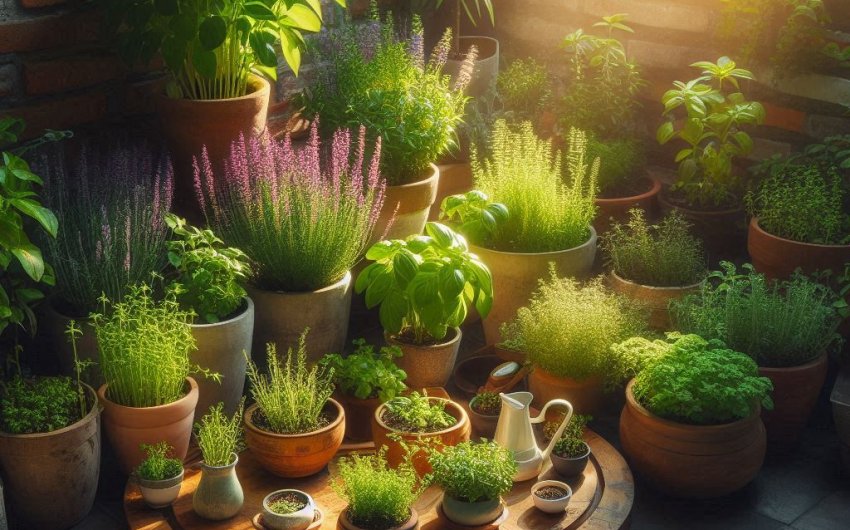
Cultivating fresh, aromatic greenery is entirely possible even if you're working with limited outdoor real estate. For aspiring home chefs and garden enthusiasts alike, understanding how to grow herbs in small spaces unlocks a world of culinary delights and aromatic beauty, transforming even the tiniest balcony, patio, or windowsill into a productive miniature garden. The key lies in smart planning, creative container choices, and maximizing vertical dimensions, ensuring you can enjoy a bounty of homegrown flavors regardless of square footage.
Why Grow Herbs in Small Spaces?
Even without a sprawling backyard, the benefits of growing herbs close at hand are numerous, making it a highly rewarding endeavor for any small-space dweller.
Freshness and Flavor: Unbeatable Quality
One of the most compelling reasons to grow your own herbs, especially in a small space, is the unparalleled freshness and flavor they offer. Herbs plucked minutes before use have a vibrant aroma and intense taste that store-bought, often days-old, herbs simply cannot match. The essential oils responsible for their pungent flavors are at their peak right after harvesting. This means your home-cooked meals will be elevated to a new level with garden-fresh basil, pungent rosemary, or zesty mint.
Convenience: Right at Your Fingertips
Imagine needing a sprig of parsley for dinner and simply stepping onto your balcony or reaching into a windowsill planter. The convenience of having herbs right at your fingertips is a game-changer. No more last-minute dashes to the grocery store for a tiny, overpriced packet of herbs that might not even be fresh. This immediate access encourages more frequent use of herbs in your cooking, leading to healthier and more flavorful meals.
Cost Savings: Growing Your Own Groceries
While a small bunch of fresh herbs at the grocery store might seem inexpensive, these costs add up, especially if you cook with herbs frequently. Growing your own, even in small quantities, leads to significant cost savings over time. A single herb plant can provide harvests for an entire season or even multiple years (for perennials), yielding far more than you'd get from multiple store purchases for the same initial investment. Many herbs can even be started cheaply from seed.
Aesthetic Appeal and Fragrance
Beyond their culinary uses, herbs offer considerable aesthetic appeal and fragrance in a small space. Their varied textures, leaf shapes, and subtle flower spikes can add beauty and visual interest to a balcony, patio, or windowsill. The wonderful aromas they release, particularly when brushed against or warmed by the sun, create a pleasant and inviting atmosphere, turning a utilitarian space into a sensory delight.
Educational and Rewarding
For those new to gardening, growing herbs in a small space provides an educational and rewarding introduction to plant care. They are generally forgiving, grow relatively quickly, and provide tangible results, boosting confidence for future gardening projects. The satisfaction of nurturing a plant from seed or a small starter to a productive, flourishing herb is immense. It teaches patience, observation, and appreciation for where our food comes from.
What are the Best Herbs to Grow in Small Spaces?
Choosing the right herbs is crucial when space is limited. Focus on varieties that thrive in containers, don't grow too large, and offer a good yield for their size.
1. Basil (Ocimum basilicum)
Basil is a warmth-loving annual herb essential for Italian and many Asian cuisines. Its lush, aromatic leaves are perfect for pesto, salads, and sauces.
- Best for Small Spaces: Basil thrives in pots. Regular harvesting (pinching off leaves) keeps the plant bushy and prevents it from bolting (going to seed) too quickly.
- Sun Needs: Loves full sun (at least 6 hours).
- Water Needs: Prefers consistently moist soil.
- Tips: Sow seeds directly into pots after all danger of frost has passed, or buy small plants. Pinch off flower buds to encourage leaf production. Try different varieties like 'Genovese' for pesto, 'Bush' or 'Spicy Globe' for a more compact habit, or 'Thai Basil' for Asian dishes. A Genovese Basil Seed Packet is a great start.
2. Chives (Allium schoenoprasum)
Chives are a hardy perennial herb from the onion family, offering a mild oniony flavor. Their slender, grassy leaves and cheerful purple pom-pom flowers are both edible and decorative.
- Best for Small Spaces: Chives form neat clumps and are perfectly suited for pots. They are very forgiving.
- Sun Needs: Prefers full sun but tolerates partial shade.
- Water Needs: Keep soil consistently moist.
- Tips: Can be grown from seed or small bulbs. Snip off leaves from the outer part of the clump. Deadhead spent flowers to prevent excessive self-seeding, though the flowers are also edible and lovely in salads. A Live Chives Plant will provide instant harvests.
3. Mint (Mentha spp.)
Mint is a wonderfully aromatic perennial known for its refreshing flavor, perfect for teas, mojitos, and desserts.
- Best for Small Spaces: This is one herb that must be grown in a container in a small space! Mint is an incredibly aggressive spreader and will quickly take over any garden bed. Growing it in a pot controls its rampant growth.
- Sun Needs: Prefers partial shade to full sun.
- Water Needs: Likes consistently moist soil.
- Tips: There are many varieties (peppermint, spearmint, chocolate mint, mojito mint). Choose a large pot with good drainage. Harvest frequently to encourage new growth. A Live Spearmint Plant is a versatile choice.
4. Parsley (Petroselinum crispum)
Parsley is a biennial herb (grows leaves in year one, flowers and dies in year two) that's a staple in many cuisines, offering a fresh, slightly peppery flavor.
- Best for Small Spaces: Parsley grows well in containers. You can grow both flat-leaf (Italian) and curly varieties.
- Sun Needs: Prefers full sun to partial shade.
- Water Needs: Keep soil consistently moist.
- Tips: Can be slow to germinate from seed, so many prefer to buy small plants. Harvest outer stems from the base of the plant to encourage new growth. A Flat Leaf Parsley Seed Packet is common.
5. Rosemary (Salvia rosmarinus, formerly Rosmarinus officinalis)
Rosemary is a woody evergreen perennial, treasured for its fragrant, needle-like leaves that are essential for roasting meats and vegetables.
- Best for Small Spaces: Rosemary thrives in pots and can be easily pruned to maintain a manageable size and shape.
- Sun Needs: Loves full sun (at least 6-8 hours).
- Water Needs: Prefers well-drained soil and tolerates drier conditions once established. Let the soil dry out slightly between waterings.
- Tips: Can be a bit slow from seed. Buy a small plant. Protect from hard freezes if your climate is colder than USDA Zone 7. Prune regularly to keep it bushy and encourage new growth. A Live Rosemary Plant is a sturdy choice.
6. Thyme (Thymus vulgaris)
Thyme is a low-growing perennial with tiny, aromatic leaves, perfect for savory dishes.
- Best for Small Spaces: Thyme forms neat, low-spreading mats or small bushy plants, ideal for shallow pots or window boxes.
- Sun Needs: Requires full sun and excellent drainage.
- Water Needs: Very drought-tolerant once established; prefers drier soil.
- Tips: Many varieties exist (common, lemon, creeping). Harvest by snipping stems. Can be easily rooted from cuttings. A Live Common Thyme Plant is a great starter.
7. Oregano (Origanum vulgare)
Oregano is a hardy perennial known for its robust, pungent flavor, a cornerstone of Mediterranean cuisine.
- Best for Small Spaces: Grows well in pots, often forming a spreading mound. Can be vigorous, so a dedicated pot is often best.
- Sun Needs: Loves full sun.
- Water Needs: Prefers well-drained soil and tolerates drier conditions.
- Tips: Choose 'Greek Oregano' for the strongest flavor. Harvest frequently by snipping stems to keep it bushy. A Live Greek Oregano Plant is highly recommended.
What Creative Container Solutions Maximize Small Spaces?
When garden space is at a premium, thinking vertically and creatively with your containers is key to a flourishing herb collection.
1. Vertical Planters and Wall-Mounted Gardens
Vertical planters and wall-mounted gardens are game-changers for small spaces, transforming unused wall space into productive growing areas.
- Types:
- Pocket Planters: Fabric or felt pockets that hang vertically, ideal for shallow-rooted herbs like basil, chives, or lettuce.
- Stackable Planters: Tiered systems where pots stack on top of each other, creating a tower of herbs.
- Wall-Mounted Shelves/Racks: Simple shelves that hold individual pots, or dedicated wall-mounted systems with built-in planting pockets.
- Pallet Gardens: Upcycled wooden pallets turned vertically with fabric or wooden shelves to create planting pockets.
- Pros: Maximizes growing area, creates an attractive living wall, keeps plants off the ground.
- Cons: Can dry out quickly (especially fabric pockets), heavier once filled with soil and plants.
- Example: A Mr. Stacky 5-Tier Vertical Planter is a popular stackable option.
2. Railing Planters
Railing planters are perfect for balconies, decks, or porches, utilizing the perimeter space.
- Design: These planters are designed to hook or sit securely over railings, maximizing the available surface area.
- Pros: Utilizes otherwise unused space, brings plants to an accessible height, adds beauty to railings.
- Cons: Can be susceptible to wind, may drip water onto areas below (choose models with drainage saucers).
- Example: Bloem Dura Cotta Rail Planter.
3. Hanging Baskets
Hanging baskets add another dimension of vertical gardening, ideal for cascading herbs like trailing rosemary, thyme, or oregano.
- Pros: Saves floor space, brings plants closer to eye level, can create beautiful displays.
- Cons: Tend to dry out very quickly due to exposure to air on all sides, require more frequent watering, can be heavy when wet.
- Tips: Use a good quality potting mix with water retention capabilities. Choose a large enough basket to hold sufficient soil volume. A Coco Fiber Hanging Basket works well.
4. Window Boxes
Window boxes are a classic way to add greenery and herbs to your home, directly attached to windowsills or railings.
- Pros: Provides easy access to herbs from inside, enhances curb appeal, excellent for herbs needing good sun exposure.
- Cons: Can be limiting in depth, may require regular watering, consider drainage to prevent water damage to your home.
- Example: A Mayne Fairfield Window Box offers a classic look.
5. Tiered Planters or Strawberry Pots
Tiered planters or strawberry pots (with multiple planting pockets around the sides) are excellent for growing multiple herbs in a compact footprint.
- Pros: Maximizes planting space in a small ground area, creates an attractive focal point.
- Cons: Can be challenging to ensure even watering for all pockets, especially in strawberry pots.
- Example: A Kardianer Tiered Herb Planter can hold several plants.
6. Repurposed Items and DIY Containers
Don't underestimate the power of repurposing everyday items into charming herb containers.
- Examples: Old tires, wooden pallets, plastic bottles (cut and hung), tin cans (with drainage holes), old colanders, even worn-out boots.
- Pros: Inexpensive or free, environmentally friendly, adds unique character to your space.
- Cons: Requires creativity and often some DIY effort (drilling drainage holes), ensure materials are safe and non-toxic (e.g., avoid treated wood that might leach chemicals). A good set of Drill Bits for Plastic is handy for this.
What Are the Essential Care Tips for Container Herbs?
Growing herbs in containers in small spaces comes with specific care considerations. Mastering these fundamentals will ensure your herbs thrive and produce bountiful harvests.
1. Sunlight: The Non-Negotiable Requirement
Most herbs, especially the Mediterranean varieties like rosemary, thyme, and oregano, absolutely require full sun.
- Definition: "Full sun" means at least 6 hours of direct sunlight per day.
- Location, Location, Location: Place your herb containers, vertical planters, or window boxes in the sunniest spot available. Observe your space throughout the day to find the areas that receive the most direct light.
- Rotation (for indoor/partial sun): If natural light is limited, rotate your containers regularly to ensure all sides of the plant get sun. If growing indoors, supplemental lighting with a grow light might be necessary, like an AeroGarden LED Grow Light.
2. Watering: More Frequent for Containers
Container plants generally dry out faster than those in the ground. Consistent watering is crucial.
- Check Daily: Check the soil moisture daily, especially during hot, sunny, or windy weather. Stick your finger an inch or two into the soil; if it feels dry, it's time to water.
- Water Thoroughly: When you water, do so until water drains from the bottom of the pot. This ensures the entire root ball is moistened.
- Avoid Overwatering: While herbs like consistent moisture, they hate sitting in soggy soil, which can lead to root rot. Ensure all containers have good drainage holes. Remove any standing water from saucers after about 30 minutes.
- Consider Self-Watering Pots: For busy gardeners, self-watering pots can be a great investment. They have a reservoir that holds water and wicks it up to the plant's roots as needed, reducing watering frequency. A Self-Watering Planter can be very convenient.
3. Potting Mix: Essential for Container Success
Do NOT use garden soil in containers. It becomes too compacted, lacks proper drainage, and can introduce pests and diseases.
- High-Quality Potting Mix: Use a high-quality potting mix specifically designed for containers. This type of mix is lighter, offers good drainage, and retains moisture well.
- Amendments (Optional): You can mix in a small amount of perlite or vermiculite for even better drainage and aeration, or a bit of compost for added nutrients.
- Fresh Mix Annually: For annual herbs, use fresh potting mix each year. For perennial herbs, you might top-dress with fresh mix or compost annually. A Miracle-Gro Potting Mix is a readily available option.
4. Fertilizing: Less is More
Most herbs are not heavy feeders, and too much fertilizer can reduce their flavor intensity.
- Initial Nutrients: A good quality potting mix usually contains enough nutrients for the first few weeks.
- Light Feeding: If your herbs show signs of nutrient deficiency (yellowing leaves, stunted growth), use a diluted, balanced liquid fertilizer (e.g., half-strength) every 2-4 weeks, or a slow-release organic granular fertilizer.
- Organic Options: Many gardeners prefer organic fertilizers like fish emulsion or diluted compost tea. A Neptune's Harvest Fish & Seaweed Fertilizer is a popular choice for herbs.
- Avoid Over-Fertilizing: Over-fertilizing can lead to lush leafy growth with less flavor and can burn roots.
5. Harvesting and Pruning: Encourage Bushy Growth
Regular harvesting and pruning are not just for collecting herbs; they are crucial for maintaining the health, shape, and productivity of your plants.
- Pinch Back Young Plants: When young herbs have 2-3 sets of leaves, pinch back the top growing tip. This encourages branching and bushier growth, leading to more leaves for harvest.
- Regular Harvesting: Harvest frequently, especially for annuals like basil. Snip off leaves or stems as needed, always taking from the top or outer parts of the plant. This promotes continuous new growth.
- Prevent Bolting: For herbs like basil and parsley, pinch off any flower buds as soon as they appear. Flowering (bolting) signals the end of the plant's leafy growth cycle and can make the leaves taste bitter.
- Shape Perennials: For woody perennials like rosemary and thyme, prune to maintain shape and encourage new, tender growth suitable for harvesting. Avoid cutting into old, woody stems unless you are doing a renovation prune. Use sharp Herb Shears.
6. Pest and Disease Management: Vigilance and Organic Solutions
Container herbs are generally resilient, but pests or diseases can occasionally occur.
- Monitor Regularly: Inspect your plants frequently for any signs of pests (small insects, sticky residue, holes in leaves) or diseases (spots, discoloration).
- Common Pests: Aphids, spider mites, and whiteflies are common.
- Solution: For light infestations, spray with a strong stream of water. For heavier infestations, use insecticidal soap, like Safer Brand Insect Killing Soap, following package instructions.
- Diseases: Often related to overwatering or poor air circulation.
- Prevention: Ensure good drainage and avoid overcrowding plants.
- Quarantine New Plants: Before adding new plants to your collection, isolate them for a week or two to ensure they don't introduce pests or diseases.
By embracing smart container choices and providing consistent, attentive care, you can effortlessly grow herbs in small spaces, bringing fresh flavors and delightful aromas into your home.