
What Are the Best Fruits to Grow in Containers?
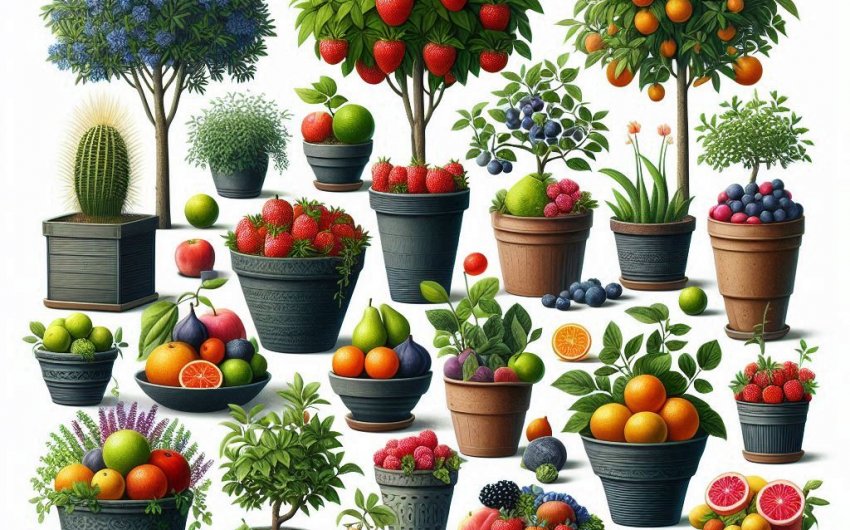
Embracing container gardening opens up a world of possibilities for those with limited space, transforming even a small balcony or patio into a productive orchard. Discovering the best fruits to grow in containers empowers urban gardeners and those with challenging soil conditions to enjoy a bountiful harvest of fresh, homegrown produce. From dwarf fruit trees to compact berry bushes, selecting the right varieties and providing proper care ensures a rewarding experience, proving that delicious fruit isn't exclusive to sprawling orchards.
Why is container fruit growing a great option for many gardeners?
Growing fruit in containers, often called patio fruit gardening or edible container gardening, offers remarkable flexibility and control, making it an excellent choice for a diverse range of gardeners. It breaks down barriers often associated with traditional in-ground fruit cultivation, such as limited space or unsuitable soil.
What are the main benefits of growing fruit in pots?
- Space Saving: This is the most significant advantage. Container growing allows anyone with a balcony, patio, small yard, or even a sunny windowsill to grow fresh fruit. Dwarf and compact varieties are specifically bred for this purpose.
- Mobility and Portability:
- Climate Control: In regions with harsh winters or extreme summers, potted fruit trees can be easily moved indoors or into a protected area (garage, greenhouse, sunroom) to escape freezing temperatures, scorching heat, or strong winds. This extends the growing season for tender varieties or allows non-hardy fruits to be grown in colder zones.
- Optimizing Sun Exposure: You can strategically move pots throughout the day or season to ensure your plants get the ideal amount of sunlight, maximizing fruit production.
- Soil Control: If your native garden soil is poor (e.g., heavy clay, sandy, nutrient-deficient, or has an incorrect pH), container gardening allows you to fill pots with a precisely tailored, high-quality potting mix rich in nutrients and with excellent drainage. This avoids the challenges and costs of extensive soil amendment.
- Pest and Disease Management: Potted plants are often easier to inspect for pests and diseases. If an issue arises, you can isolate the affected plant, treat it more precisely, and prevent spread to other garden areas. It can also deter some ground-dwelling pests.
- Reduced Weeding: Weeding is significantly reduced, if not eliminated, in container setups compared to in-ground beds.
- Ergonomics: For gardeners with mobility issues or those who prefer not to bend, raised containers make gardening more comfortable and accessible.
- Aesthetics: Fruit trees and bushes can be highly ornamental, adding beauty and fragrance to your patio or deck. Imagine a potted dwarf citrus tree covered in fragrant blossoms and bright fruit!
What challenges might I face with container fruit growing?
While beneficial, container fruit growing does present some unique challenges compared to in-ground cultivation.
- More Frequent Watering: Containers dry out much faster than garden beds, especially in hot weather or windy conditions. This means more frequent watering, sometimes daily or even twice daily during peak summer. Installing a drip irrigation system can be a significant help.
- More Frequent Fertilizing: Nutrients leach out of potting mix faster with frequent watering. Containerized fruit plants will require regular fertilization to replenish nutrients and support fruit production.
- Root Temperature Fluctuations: In containers, roots are more exposed to ambient air temperatures. This means they can get much hotter in summer and much colder in winter than roots insulated by ground soil. Choosing appropriate pot materials and insulating in winter can help.
- Repotting: Fruit trees will eventually outgrow their pots and need to be moved to larger containers or have their roots pruned (root pruning) to refresh the soil and manage size. This can be a heavy task.
- Container Size and Material: Selecting the right size and type of container is crucial. Too small a pot will stunt growth, and certain materials (like black plastic) can overheat roots.
Despite these challenges, the ability to harvest fresh, homegrown fruit in a limited space makes container fruit growing a highly rewarding endeavor, making the search for the best fruits to grow in containers well worth the effort.
What are the best berries to grow in containers?
Berries are among the best fruits to grow in containers due to their relatively compact size, prolific fruiting habits, and often beautiful foliage. They offer a rewarding harvest even in limited spaces, making them a fantastic choice for patio or balcony gardeners.
Which berry bushes thrive in pots?
- Blueberries: Dwarf and compact blueberry varieties are excellent container candidates.
- Container Choice: Blueberries require very specific acidic soil (pH 4.5-5.5). Growing them in containers with a specialized acidic potting mix (e.g., peat moss based with perlite) allows you to perfectly control their soil environment, which is often difficult in alkaline garden soil.
- Varieties: Look for self-pollinating dwarf varieties like 'Top Hat', 'Sunshine Blue', 'Pink Lemonade', or 'Jelly Bean'. For better yield, consider planting two different varieties for cross-pollination, even if a variety is "self-pollinating."
- Care: Keep consistently moist, use acidifying fertilizer, and ensure full sun.
- Strawberries: These versatile berries are perfect for containers, hanging baskets, or strawberry pots.
- Varieties: Choose ever-bearing or day-neutral varieties for continuous harvest throughout the summer, like 'Ozark Beauty' or 'Seascape'.
- Container Choice: Almost any container works, as long as it has good drainage. A strawberry planter specifically designed with side pockets is ideal.
- Care: Full sun, consistent moisture, and regular feeding. Remove runners (new plantlets) to encourage fruit production.
- Raspberries and Blackberries (Dwarf/Thornless Varieties): While some can be sprawling, dwarf and thornless varieties are well-suited for large pots or half-barrels.
- Varieties: Look for compact, ever-bearing types like 'Raspberry Shortcake' (thornless dwarf raspberry) or 'Baby Cakes' (thornless dwarf blackberry).
- Container Choice: Require large pots (at least 15-20 gallons) due to their root systems.
- Care: Full sun, regular watering, and appropriate pruning for optimal fruit. Support with a small trellis or stakes.
- Currants and Gooseberries: These less common berries are also excellent for container growing, often more cold-hardy and shade-tolerant than other berries.
- Varieties: Red, black, or white currants; traditional gooseberry varieties.
- Container Choice: Thrive in large pots (10-15 gallons).
- Care: Prefer cooler climates and tolerate some afternoon shade. Provide consistent moisture.
What are key tips for success with potted berries?
- Container Size: Always err on the side of a larger container. Berries need room for their root systems. A good rule of thumb is at least a 5-gallon pot per plant, and often larger.
- Drainage: All berries absolutely require excellent drainage. Ensure pots have ample drainage holes and use a well-draining potting mix.
- Sunlight: Most berries need full sun (at least 6-8 hours of direct sunlight) for optimal fruit production, though some currants/gooseberries tolerate part shade.
- Watering: Consistent moisture is crucial, especially when fruiting. Do not let the pots dry out completely.
- Fertilizing: Regular feeding with a balanced granular fertilizer or liquid feed designed for fruiting plants is necessary, as nutrients leach out of containers quickly.
- Pruning: Understand the specific pruning requirements for each berry type to encourage the best fruiting.
By following these guidelines, you can successfully cultivate a wide range of berries in containers, making them truly among the best fruits to grow in containers for a rewarding harvest.
What are the best dwarf fruit trees for container growing?
Dwarf fruit trees have been specifically bred or grafted onto dwarfing rootstock to remain compact, making them ideal candidates for growing in containers. They allow gardeners to enjoy tree-borne fruits even with limited space, proving that substantial harvests are possible without a sprawling orchard. These are certainly among the best fruits to grow in containers.
Which dwarf fruit trees excel in pots?
- Citrus Trees (Dwarf Varieties): Perhaps the most popular and aesthetically pleasing container fruit trees, especially for those in cooler climates where they can be moved indoors for winter.
- Varieties: Dwarf Meyer Lemon, Kaffir Lime, Kumquat, Dwarf Mandarin, Calamondin Orange, Key Lime.
- Container Choice: Start with a 10-15 gallon pot and size up as needed. Terra cotta or glazed ceramic pots work well.
- Care: Require at least 6-8 hours of direct sun, consistent moisture (allow soil to dry slightly between waterings), and regular feeding with a citrus fertilizer. Provide high humidity indoors in winter. Pollination is often self-sufficient.
- Fig Trees (Dwarf Varieties): Figs are remarkably adaptable and thrive in containers, producing delicious fruit.
- Varieties: 'Brown Turkey', 'Chicago Hardy', 'Celeste', 'Improved Celeste'. These varieties are often naturally compact or can be kept small with pruning.
- Container Choice: Start with a 15-20 gallon pot; they can grow large even in containers.
- Care: Love full sun, consistent watering, and well-draining soil. In colder climates, move indoors to an unheated garage or basement for dormancy (they are deciduous).
- Dwarf Peach/Nectarine Trees: Modern breeding has produced compact peach and nectarine varieties that perform well in large containers.
- Varieties: 'Bonanza', 'Pix Zee', 'Garden Sun Peach', 'Necta Zee' (nectarine). Look for dwarf or "patio" varieties.
- Container Choice: Need very large pots, at least 20-25 gallons, due to their growth habit and fruit load.
- Care: Require full sun, regular deep watering, and heavy feeding with a fruit tree fertilizer. They are self-pollinating.
- Dwarf Cherry Trees: Certain tart (sour) cherry varieties, and some sweet cherries on dwarfing rootstock, can be grown in containers.
- Varieties: 'Romeo', 'Carmine Jewel' (tart cherries), 'Compact Stella' (sweet, self-pollinating).
- Container Choice: Large pots, 20-25 gallons minimum.
- Care: Require full sun and well-draining soil. Sweet cherries often need a pollinator, so choose a self-pollinating variety for single-tree container growing.
- Dwarf Apple/Pear Trees: While more challenging due to chilling hour requirements and sometimes pollination needs, dwarf apple and pear trees on very dwarfing rootstock (e.g., M27 for apples) can be grown in containers.
- Varieties: 'Mini Macintosh', 'Honeycrisp' (dwarf); 'Patio Pear' varieties.
- Container Choice: Very large pots, 25 gallons or more.
- Care: Full sun, consistent moisture, and fertilization. Pay close attention to chilling hours for your region. Many require cross-pollination.
- Dwarf Mulberry Trees: Easy to grow and produce abundant, delicious berries.
- Varieties: 'Dwarf Black Mulberry' or 'Issai' (a self-fertile hardy kiwi that looks like mini kiwis, but often mistaken for a mulberry due to its easy growth). Actual dwarf mulberry varieties exist that stay compact.
- Container Choice: 15-20 gallon pots.
- Care: Full sun, drought-tolerant once established but appreciate consistent moisture when fruiting.
What are crucial considerations for potted fruit trees?
- Container Size: This is paramount. Fruit trees are hungry and thirsty. Start with the largest pot you can manage (e.g., 15-25 gallon equivalents) and be prepared to pot up or root prune every few years. Air-pruning pots (like fabric grow bags) can encourage healthier root systems.
- Drainage: Absolutely essential. Ensure pots have ample drainage holes and use a high-quality, well-draining potting mix for fruit trees, never garden soil.
- Sunlight: Most fruit trees need full sun (minimum 6-8 hours direct sunlight daily) to produce fruit.
- Watering: Containers dry out very quickly. Daily watering in summer heat is common, potentially twice daily. Automated drip irrigation is a significant convenience.
- Fertilizing: Regular feeding with a balanced slow-release fertilizer or liquid feed is essential throughout the growing season.
- Pollination: Check if your chosen variety is self-pollinating or requires a companion. For a single container tree, self-pollinating is often preferred.
- Pruning: Regular pruning is necessary to maintain size, shape, and encourage fruit production. Look into specific pruning techniques for your chosen tree type.
- Winter Protection: Know the cold hardiness of your tree and be prepared to move it indoors (garage, sunroom) or provide insulation if you live in a colder climate than its hardiness zone. Frost blankets can offer temporary protection.
With careful selection and consistent care, these dwarf fruit trees can be a stunning and productive addition to any patio or small garden, solidifying their place among the best fruits to grow in containers.
What other compact fruits are excellent for container gardening?
Beyond the traditional berries and dwarf trees, several other compact and unique fruit-bearing plants are surprisingly well-suited for container gardening, expanding the possibilities for your patio or balcony orchard. These offerings broaden the list of the best fruits to grow in containers, providing diverse flavors and growing experiences.
Which vines and unconventional fruits thrive in pots?
- Grape Vines (Dwarf/Patio Varieties): While traditional grapevines can be sprawling, specific dwarf or compact varieties are excellent for large containers and arbors.
- Varieties: Look for 'Concord', 'Thompson Seedless', or 'Niagara' on dwarf rootstock, or varieties specifically marketed as "patio" grapes.
- Container Choice: Need very large, sturdy containers (at least 20-25 gallons) and a strong trellis or support system from day one.
- Care: Require full sun, consistent moisture, and specific pruning (cane or spur) to maximize fruit production. Can be moved to protected areas in winter in colder zones.
- Kiwi (Hardy Kiwi, Actinidia arguta): Unlike the fuzzy tropical kiwi, hardy kiwi vines are much more compact and produce small, smooth-skinned, grape-sized fruit that don't need peeling.
- Varieties: 'Issai' is a self-fertile variety, meaning you only need one plant to get fruit. Others require male and female plants.
- Container Choice: Large containers (15-20 gallons) with a very sturdy trellis or support.
- Care: Full sun to partial shade, consistent moisture, and appropriate pruning. More cold-hardy than fuzzy kiwi.
- Gooseberries (Container-Friendly Varieties): Related to currants, gooseberries offer tangy fruit and are often more tolerant of cooler climates and some shade than other berries.
- Container Choice: Thrive in 10-15 gallon pots.
- Care: Prefer full sun to partial shade, consistent moisture. Some varieties are thornless, making harvesting easier.
- Miniature Pomegranate: While larger varieties are trees, dwarf pomegranates produce small, edible fruit and are highly ornamental.
- Varieties: 'Nana' or 'Punica granatum 'Nana''.
- Container Choice: 10-15 gallon pots.
- Care: Full sun, drought-tolerant once established but appreciate regular water when fruiting. Can be brought indoors in winter in colder climates.
- Passion Fruit (Passiflora species): Many varieties of passion fruit are vigorous vines that produce beautiful flowers and delicious fruit. Some can be grown in large containers.
- Varieties: 'Maypop' (Passiflora incarnata) is more cold-hardy; 'Frederick' (Passiflora edulis 'Frederick') is a common, productive tropical type.
- Container Choice: Very large pots (20+ gallons) with a strong vertical trellis or support.
- Care: Full sun, abundant water, and heavy feeding during the growing season. Tropical varieties need to be brought indoors in winter.
What are important considerations for these unique container fruits?
- Support Systems: Many of these (grapes, kiwi, passion fruit) are vines and will require sturdy trellises, arbors, or cages from the beginning. Ensure the container is heavy enough to support the mature plant and its fruit load.
- Pollination: Always check if your chosen variety is self-fertile or requires a compatible pollinator. For solitary container plants, self-fertile options are ideal.
- Chilling Hours (for temperate fruits): For grapes and hardy kiwi, understand their chilling hour requirements (the number of hours below a certain temperature in winter needed for proper fruit set). This dictates if they're suitable for your climate.
- Pest and Disease Monitoring: As with all container plants, vigilance for pests and diseases is important, as they can spread quickly in confined spaces.
- Watering and Feeding: These plants often grow vigorously and fruit heavily, meaning they are very thirsty and hungry. Daily watering in summer and consistent feeding are critical.
By venturing beyond the usual suspects, you can diversify your container orchard and enjoy an even wider array of fresh, homegrown produce, confirming that these are truly among the best fruits to grow in containers for a versatile and exciting harvest.
What general care tips ensure success for all container-grown fruits?
Regardless of the specific fruit you choose, successful container fruit growing hinges on a few fundamental care practices. Mastering these general tips is crucial for maintaining the health and productivity of your plants, transforming a good start into a long-term, bountiful harvest, and truly making them the best fruits to grow in containers.
How do I choose the right container and potting mix?
The foundation of container growing lies in selecting appropriate vessels and their contents.
- Container Size: This is paramount. Always choose the largest container you can practically manage and afford. While you might start a young plant in a 5-gallon pot, many dwarf fruit trees will eventually need 15-25 gallon containers (or even half wine barrels) to thrive long-term. Adequate size provides root space, stability, and helps buffer against rapid temperature and moisture fluctuations.
- Drainage Holes: This is non-negotiable. Every single container must have ample drainage holes at the bottom. Fruit plants (and most plants) will suffer from root rot if their roots sit in stagnant water. If a decorative pot lacks holes, use it as a cachepot (outer pot) and place your fruit plant in a slightly smaller nursery pot with drainage holes inside.
- Container Material:
- Terracotta/Clay: Breathable, which helps prevent overwatering, but dries out quickly. Can be heavy.
- Glazed Ceramic: Retains moisture better than unglazed clay, attractive. Can be heavy and crack in winter freezes if not protected.
- Plastic/Resin: Lightweight, retains moisture well, affordable. Can absorb heat and become brittle over time.
- Fabric Grow Bags: Excellent for root health (air pruning prevents circling roots), lightweight, and promote good drainage and aeration. They can dry out faster than plastic. A heavy-duty fabric grow bag is great for trees.
- Potting Mix: Never use garden soil directly in containers. Garden soil compacts readily in pots, leading to poor drainage and aeration.
- Use a high-quality, well-draining potting mix specifically formulated for containers or fruit trees. Look for mixes containing peat moss or coco coir, perlite, and sometimes pine bark fines. This ensures good drainage, aeration, and moisture retention.
- For acid-loving plants like blueberries, use a specialized acidic potting mix.
What are best practices for watering and fertilizing?
These are two areas where container-grown fruits have distinctly different needs than in-ground plants.
- Watering: Containers dry out much faster.
- Frequency: During hot, dry, or windy weather, you may need to water daily, sometimes twice daily. In cooler weather, less often.
- Method: Water deeply until it flows out of the drainage holes. Avoid light, frequent sprinkles, which encourage shallow root growth.
- Checking Moisture: Use your finger to check the soil moisture. Stick it 2-3 inches deep. Water when it feels dry. A soil moisture meter can also be helpful.
- Drip Irrigation: For multiple pots, a drip irrigation system with emitters for each pot can be a lifesaver.
- Fertilizing: Nutrients leach out quickly with frequent watering.
- Regular Feeding: Plan for regular feeding throughout the growing season (spring through summer). Reduce or stop feeding in fall and winter.
- Type: Use a balanced slow-release granular fertilizer mixed into the topsoil, or a liquid fertilizer applied with watering. Choose fertilizers formulated for fruit-bearing plants or specific types (e.g., citrus fertilizer).
- Dosage: Follow product instructions carefully. For liquid fertilizers, a diluted solution applied more frequently is often better than a strong solution applied rarely.
How do I manage sun exposure and winter protection?
- Sunlight: Most fruit plants require full sun (at least 6-8 hours of direct sunlight) for optimal fruit production. Position your containers where they receive maximum light.
- Rotating: Rotate containers periodically to ensure even growth and sun exposure on all sides.
- Winter Protection: This is critical for non-hardy or marginally hardy fruit in containers.
- Move Indoors: Move tender citrus, figs, pomegranates, and tropical berries to a frost-free environment like an unheated garage, cool basement, or bright sunroom before the first hard freeze. Reduce watering and stop fertilizing during dormancy.
- Insulation: For hardier plants that stay outdoors, cluster pots together, wrap them in burlap or bubble wrap, or place them in larger containers filled with leaves or straw to insulate the roots. Elevated pot feet can also help prevent freezing to the ground.
- Frost Blankets: For unexpected late frosts, use frost blankets for temporary protection.
By diligently applying these essential care tips, you can overcome the unique challenges of container gardening and unlock the full potential of the best fruits to grow in containers, enjoying a continuous supply of fresh, homegrown produce right outside your door.