
How to Create a Vertical Garden for Small Patios?
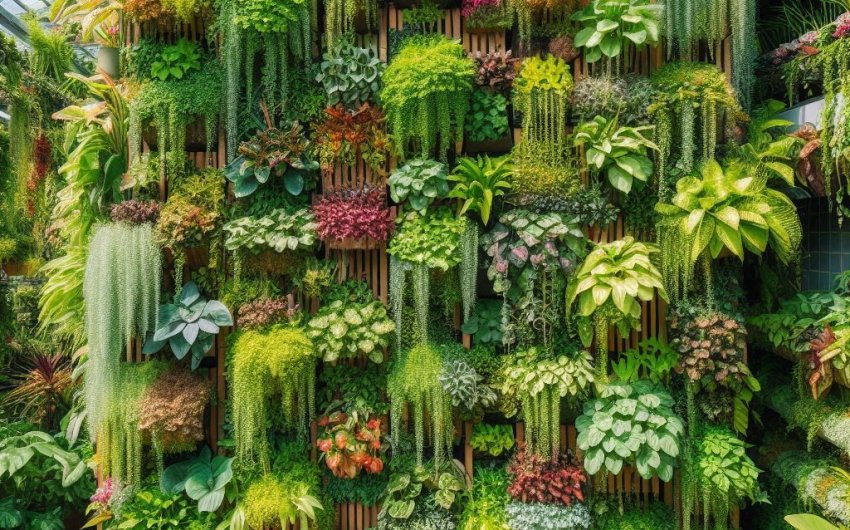
Creating a vertical garden for small patios offers an ingenious solution for maximizing greenery and productivity in confined outdoor spaces. This innovative gardening approach utilizes vertical planes like walls, fences, or specialized structures to cultivate plants upwards, transforming overlooked areas into lush, vibrant displays. By embracing verticality, you can significantly expand your growing capacity, introduce diverse plant life, and elevate the aesthetic appeal of even the most compact urban dwelling or apartment balcony.
What is a Vertical Garden and Why Use One on a Small Patio?
A vertical garden is a method of growing plants in an upright position, typically on a wall, fence, or a specially designed freestanding structure. Instead of spreading horizontally, plants are arranged in stacked containers, pockets, or shelves, utilizing vertical space to cultivate a greater number and variety of plants in a limited footprint.
Types of Vertical Garden Systems
Vertical gardens come in various forms, each suited for different needs, budgets, and plant types.
- Pocket Planters/Growing Bags:
- Description: Fabric or felt pockets sewn together, designed to be hung on a wall or fence. Some are individual pockets, others are large sheets.
- Pros: Lightweight, inexpensive, easy to install, good for herbs, strawberries, or smaller annuals. Many available options are fabric vertical garden planters.
- Cons: Can dry out quickly, pockets may not be deep enough for all plants, felt can deteriorate over time.
- Stacking Planters:
- Description: Individual pots designed to stack on top of each other, creating a tower.
- Pros: Freestanding, relatively easy to assemble, good for strawberries, herbs, or flowers.
- Cons: Limited plant variety per tier, can become top-heavy if not well-balanced. You can find stackable garden planters in various sizes.
- Wall-Mounted Planters/Panels:
- Description: Individual pots, troughs, or modular panels designed to be securely attached to a wall or fence. Some systems include irrigation.
- Pros: Creates a permanent, attractive living wall, good for a wider range of plants depending on pocket/trough size.
- Cons: Requires secure mounting, often more expensive, can be heavier. A wall-mounted planter system can create a striking display.
- Pallet Gardens:
- Description: Repurposed wooden pallets are adapted into vertical planters by creating shelves or pockets within their structure.
- Pros: Inexpensive (often free), DIY-friendly, rustic aesthetic.
- Cons: Needs to be made from heat-treated (HT) pallets, not chemically treated (MB); can be heavy, wood may rot over time.
- Ladder/Shelf Gardens:
- Description: A tiered shelving unit resembling a ladder, with pots placed on each step/shelf.
- Pros: Freestanding, easy to rearrange pots, offers varying light levels.
- Cons: Limited by shelf depth, less dense planting than other systems. A tiered plant stand can fit narrow spaces.
- Rain Gutter Gardens:
- Description: Repurposed or new rain gutters are hung horizontally in tiers, filled with soil and plants.
- Pros: Very DIY-friendly, good for shallow-rooted plants, visually interesting.
- Cons: Limited depth, can be heavy when filled with soil.
Why Create a Vertical Garden on a Small Patio?
For urban dwellers or those with limited outdoor space, vertical gardens offer numerous benefits.
- Space Maximization: This is the primary advantage. A vertical garden allows you to grow significantly more plants in a tiny footprint, extending your garden "upwards" when horizontal space is scarce.
- Aesthetic Appeal: Transforms plain walls or fences into lush, living works of art, adding beauty, color, and texture to your patio.
- Privacy Screen: A dense vertical garden can act as a natural and attractive privacy screen from neighbors or unsightly views.
- Accessibility: Plants are at a more comfortable height, reducing bending and kneeling, which is ideal for individuals with mobility issues.
- Improved Air Quality & Cooling: Plants naturally filter air and contribute to evaporative cooling, making your patio feel fresher and potentially cooler.
- Reduced Pests & Diseases: Elevated plants may experience better air circulation, which can help prevent some fungal diseases. It can also deter some ground-dwelling pests.
- Noise Reduction: A dense green wall can subtly absorb and dampen urban noise.
- Increased Produce: Allows you to grow a surprising amount of herbs, greens, and small vegetables, even in a small area.
How Do You Plan Your Vertical Garden for a Small Patio?
Successful vertical garden creation, especially on a small patio, hinges on careful planning. This involves assessing your space, understanding sunlight patterns, choosing the right system, and considering the types of plants that will thrive in your chosen setup.
Assessing Your Patio Space
Before diving into plant choices, evaluate the practicalities of your patio.
- Available Wall/Fence Space: Identify walls, fences, or railings that are sturdy enough to support the weight of a vertical garden (especially when wet). Measure the dimensions of the potential vertical surface.
- Weight Considerations: Remember that soil and plants, especially after watering, can be heavy. Ensure your chosen wall or structure can bear the load. If renting, check with your landlord about wall-mounted structures.
- Proximity to Water Source: How easy will it be to water your vertical garden? Near a hose bib or a water source is ideal.
- Accessibility: Can you easily reach all parts of the vertical garden for watering, pruning, and harvesting?
Understanding Sunlight Exposure
Light is the most critical factor for plant success. Track the sun exposure of your chosen vertical surface throughout the day.
- Full Sun (6+ hours direct sun): Ideal for most vegetables, herbs, and flowering annuals. South-facing or west-facing walls typically get full sun.
- Partial Sun (4-6 hours direct sun): Suitable for many herbs, leafy greens, and flowering plants that tolerate some shade. East-facing walls often fall into this category.
- Partial Shade (2-4 hours direct sun): Good for shade-loving annuals, ferns, and some herbs.
- Full Shade (less than 2 hours direct sun): Very limited options; focus on true shade-loving plants like certain ferns or mosses.
Tip: Observe how sunlight hits the vertical surface at different times of the day and throughout the seasons. The top tiers will always receive more light than the bottom tiers.
Choosing the Right Vertical Garden System for Your Patio
Refer back to the "Types of Vertical Garden Systems" and consider which best fits your space, budget, and desired aesthetic.
- For Renters: Freestanding stacking planters, tiered shelves, or non-invasive hanging pocket planters are best.
- For Permanent Fixtures: Wall-mounted panels, pallet gardens (securely mounted), or custom-built structures.
- Budget: DIY options like pallets or repurposed gutters are inexpensive. Commercial systems vary widely in price.
- Maintenance Level: Systems with integrated irrigation reduce watering frequency. Individual pockets may require more frequent watering.
Selecting the Right Plants for Your Vertical Garden
Plant choice is paramount, influenced by light, desired outcome, and system type.
- Light Requirements: Match plants to the light exposure of your vertical wall. This is non-negotiable.
- Growth Habit: Choose plants that don't grow too large or heavy, and that cascade, trail, or remain compact.
- Trailing: Herbs like creeping thyme, prostrate rosemary; annuals like petunias, verbena, sweet potato vine; strawberries.
- Compact/Upright: Many herbs (basil, mint, cilantro), leafy greens (lettuce, spinach, kale), small peppers, nasturtiums, violas.
- Root Depth: Consider the depth of your chosen system's pockets or containers. Shallow-rooted plants are best for pocket systems.
- Water Needs: Group plants with similar watering requirements together if possible, especially in a single-system unit. Plants at the top will typically dry out faster than those at the bottom.
- Edibles vs. Ornamentals:
- Edibles: Herbs (most varieties), leafy greens (lettuce, spinach, arugula, kale), strawberries, small cherry tomatoes (compact varieties), bush beans, radishes, small peppers.
- Ornamentals: Petunias, impatiens, lobelia, sweet alyssum, violas, pansies, ferns, coleus, succulents (for sunny, well-draining systems).
Table: Plant Suggestions by Light Exposure
| Light Exposure | Herbs | Edibles | Flowers & Ornamentals |
|---|---|---|---|
| Full Sun | Basil, Rosemary, Thyme, Oregano, Mint | Strawberries, Lettuce, Spinach, Kale, Bush Beans, Compact Tomatoes, Peppers, Radishes | Petunia, Verbena, Nasturtium, Marigold, Sedum |
| Partial Sun | Mint, Cilantro, Parsley, Chives | Lettuce, Spinach, Arugula, Radishes | Impatiens (some), Lobelia, Coleus, Fuchsia |
| Partial Shade | Mint, Parsley | Lettuce, Spinach (more tolerant) | Impatiens, Begonia, Ferns, Ivy |
How Do You Set Up Your Vertical Garden?
Once you've meticulously planned your vertical garden for small patios, the next step is the actual setup. This involves preparing the structure, choosing the right potting mix, planting your selected greens, and ensuring a proper watering system. A solid setup lays the groundwork for a thriving and low-maintenance garden.
Step 1: Prepare Your Vertical Garden Structure
- Clean and Inspect: If using a repurposed item like a pallet, thoroughly clean it and check for splinters or sharp edges. If buying a new system, unbox and inspect all components.
- Assembly (if needed): Assemble your chosen vertical garden system according to the manufacturer's instructions.
- Mount Securely (for wall-mounted systems):
- Identify Studs: Use a stud finder to locate wall studs for secure mounting points, especially for heavier systems. If mounting to a fence, ensure the fence posts are strong enough.
- Use Appropriate Hardware: Use heavy-duty screws, anchors, or brackets designed for the weight of your system when filled with wet soil and plants. Safety is paramount to prevent the garden from falling.
- Ensure Level: Use a level to ensure your system is perfectly straight for aesthetic appeal and even water distribution.
Step 2: Choose and Prepare the Potting Mix
- Avoid Garden Soil: Never use heavy outdoor garden soil. It compacts in containers, leading to poor drainage and suffocated roots.
- Use a High-Quality Potting Mix: Opt for a lightweight, well-draining potting mix specifically designed for containers. This typically contains peat moss or coco coir, perlite, and sometimes vermiculite.
- Amend for Drainage (if needed): For added drainage, especially for succulents or herbs that hate wet feet, mix in extra perlite or small orchid bark into your potting mix.
- Pre-moisten Soil: Lightly moisten the potting mix before filling your planters. It should be damp like a wrung-out sponge, not soggy. This helps prevent dust and ensures even wetting when you water the plants later.
Step 3: Plant Your Vertical Garden
- Fill with Soil: Fill each pocket, container, or shelf of your vertical garden system with the prepared potting mix, leaving about an inch or two from the top for watering.
- Planting Density: Don't overcrowd your plants. Give them enough space to grow to their mature size. Remember that some plants will trail downwards, others will grow upright.
- Strategic Placement of Plants:
- Light Seekers at Top: Place plants that need the most sun (e.g., tomatoes, peppers, most herbs) in the top tiers or sunniest spots.
- Trailing Plants at Edges/Bottom: Plants that cascade beautifully (e.g., strawberries, petunias, sweet potato vine, nasturtiums) are ideal for the lower pockets or edges where they can spill over.
- Similar Needs Grouped: If possible, group plants with similar water and light requirements together. This simplifies care.
- Transplant Carefully: Gently remove plants from their nursery pots. Tease apart any circling roots if necessary. Place them in the prepared holes in your vertical garden, backfill with soil, and gently pat down around the base.
Step 4: Establish a Watering System
Vertical gardens tend to dry out much faster than traditional in-ground beds or even large pots, due to increased air exposure and often smaller soil volumes. Consistent watering is crucial.
- Hand Watering: For smaller systems, a watering can with a long spout or a hose with a gentle spray nozzle can work. Water each pocket or container individually.
- Top-Down Watering (for stacking/pocket systems): In many multi-tiered systems, watering the top tier allows water to trickle down to the lower tiers. Ensure enough water reaches the very bottom plants.
- Drip Irrigation (Recommended for Larger Systems): For more extensive vertical gardens, installing a mini drip irrigation system is highly recommended.
- Benefits: Saves time, conserves water, delivers water directly to the roots, reduces fungal issues on foliage.
- Setup: Tiny emitters or drippers are placed in each plant pocket/pot, connected to a main hose line and often controlled by a battery-operated timer.
- Monitor Moisture: Regardless of your system, check the soil moisture frequently. Stick your finger into the soil or use a moisture meter to determine when to water. Plants in top rows will dry fastest.
How Do You Maintain Your Vertical Garden for Small Patios?
Maintaining a thriving vertical garden for small patios involves consistent care tailored to its unique needs. Due to limited soil volume and increased exposure, vertical systems require more diligent attention to watering, feeding, and overall plant health compared to traditional gardens.
Consistent Watering (Crucial!)
This is the most critical aspect of vertical garden maintenance. Vertical gardens dry out quickly.
- Frequency: You will likely need to water daily, or even twice daily, during hot, sunny, or windy weather. In cooler, overcast periods, you might water every 2-3 days.
- Check Moisture Daily: Always feel the soil. The top pockets/plants will almost always dry out faster than the bottom ones.
- Deep Watering: When you water, ensure it's thorough enough to reach the roots of all plants, including those in lower tiers if using a top-down system.
- Drip System Check: If using drip irrigation, regularly check emitters to ensure they are not clogged and all plants are receiving water.
Regular Fertilization
With limited soil volume, nutrients can be depleted quickly.
- Frequency: Fertilize more frequently than in-ground gardens, typically every 2-4 weeks during the active growing season (spring and summer).
- Type: Use a liquid fertilizer for edibles (for herbs/vegetables) or an all-purpose balanced liquid plant food for ornamentals. Dilute to half or quarter strength as recommended on the bottle.
- Avoid Over-fertilizing: More is not always better. Too much fertilizer can burn roots and lead to salt buildup.
Pruning and Harvesting
Regular pruning keeps plants healthy and productive.
- Deadheading: Remove spent flowers (deadheading) from ornamental plants to encourage more blooms.
- Pinching: Pinch back the growing tips of herbs (like basil or mint) and leafy greens to encourage bushier growth and prevent legginess.
- Harvesting: Regularly harvest mature herbs and vegetables. This encourages the plant to produce more and prevents it from going to seed prematurely.
- Remove Dead/Diseased Foliage: Promptly remove any yellowing, brown, or diseased leaves to maintain plant health and prevent the spread of issues.
Pest and Disease Management
While elevated, vertical gardens can still experience pest and disease issues.
- Regular Inspection: Inspect your plants frequently for signs of pests (like aphids, spider mites, mealybugs) or diseases. Check the undersides of leaves.
- Hand-Picking: For larger pests, simply hand-pick them off.
- Organic Sprays: For infestations, use organic insecticidal soap or neem oil spray.
- Good Air Circulation: Ensure plants aren't too crowded to promote airflow, which helps prevent fungal diseases.
Seasonal Care and Winterizing
- Annuals: Most annual flowers, herbs, and vegetables will complete their life cycle at the end of the growing season. You can compost them and refresh your soil for the next season.
- Perennials: If growing perennial herbs or small shrubs, consider if they are hardy enough for your climate. In cold climates, you may need to:
- Move Indoors: If possible, bring the entire vertical garden indoors to a protected area.
- Protect: Wrap the system with burlap or insulating material.
- Remove Plants: Transplant perennials into larger, individual pots and bring them indoors.
- Clean and Store: At the end of the season, clean your vertical garden system thoroughly and store it in a sheltered area to prolong its life. Refresh the potting mix annually or biennially.
By consistently applying these maintenance practices, your vertical garden for small patios will remain a vibrant, productive, and beautiful feature, allowing you to enjoy fresh produce and lush greenery even in the most compact outdoor spaces.