
What Are the Benefits of Raised Bed Gardening?
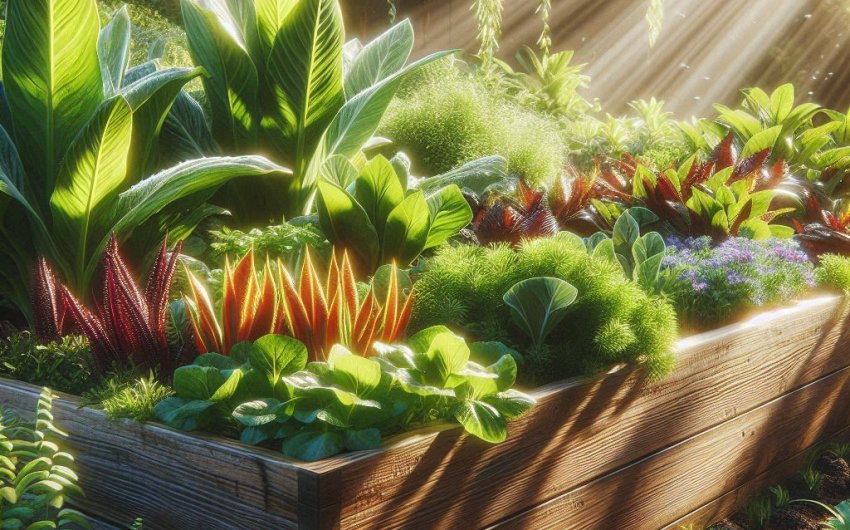
Creating elevated planting areas can profoundly transform your gardening experience, offering solutions to common challenges and boosting plant productivity. If you're exploring what are the benefits of raised bed gardening, you'll discover a multitude of advantages, from superior soil control to enhanced accessibility and aesthetic appeal. This popular gardening method provides a contained, optimized environment for plants to thrive, making it an excellent choice for both novice and experienced growers seeking efficiency and better yields.
What is Raised Bed Gardening?
Raised bed gardening involves growing plants in a defined, elevated area that sits above the surrounding ground level. These beds are typically enclosed by a frame made of various materials, such as wood, stone, metal, or recycled plastic, and filled with a custom-blended growing medium. Unlike traditional in-ground gardens, raised beds offer gardeners precise control over the soil environment and numerous other practical advantages.
How Does a Raised Bed Differ from an In-Ground Garden?
The distinction lies primarily in control and structure.
- Containment: In-ground gardens use the native soil, often with amendments. Raised beds create an entirely new, contained growing environment separate from the underlying soil. This separation is key to many of their benefits.
- Elevation: As the name suggests, raised beds are elevated. This height can range from a few inches to several feet, making them accessible to gardeners with physical limitations or those who simply prefer not to kneel.
- Soil Control: In-ground gardens rely on improving existing soil. Raised beds allow you to completely replace or build up the soil from scratch with an ideal mix for your plants, ensuring optimal drainage and nutrient levels from day one.
- Weed and Pest Management: The defined boundaries of a raised bed naturally deter some weeds from creeping in from the sides, and the elevated height can make it more challenging for certain pests to access your plants.
What are the Common Materials for Raised Beds?
The choice of material impacts durability, appearance, and cost.
- Wood: Cedar, redwood, and cypress are popular choices due to their natural rot resistance. Untreated lumber like pine can also be used but will have a shorter lifespan. Cedar raised garden beds are highly favored for their longevity.
- Stone or Brick: Very durable and aesthetically pleasing, providing a long-lasting, formal look. However, they can be more expensive and labor-intensive to construct.
- Metal: Galvanized steel or corrugated metal raised beds are durable, modern-looking, and can retain heat well. They are becoming increasingly popular.
- Recycled Plastic/Composite: Made from recycled materials, these are highly durable, rot-proof, and low maintenance. Composite raised garden beds are a sustainable option.
- Concrete Blocks: Inexpensive and easy to assemble, but can absorb heat and release lime into the soil, potentially affecting pH.
What are the Main Advantages of Raised Bed Gardening?
The appeal of raised bed gardening stems from its ability to offer a controlled and optimized growing environment. These benefits directly translate into healthier plants, easier maintenance, and often higher yields, making them a popular choice for many home gardeners.
Superior Soil Control and Quality
This is arguably the most significant benefit of raised bed gardening.
- Custom Soil Mix: You have complete control over the growing medium. You can fill your beds with a premium blend of organic compost, high-quality topsoil, and amendments like perlite or vermiculite, creating an ideal environment tailored to your plants' needs. This is especially advantageous if your native soil is poor (e.g., heavy clay, rocky, or sandy).
- Excellent Drainage: Raised beds naturally drain better than in-ground gardens, as excess water can flow out through the sides or bottom. This prevents waterlogging, which can lead to root rot and other plant diseases. Good drainage is crucial for healthy root development.
- Optimized Nutrients: The custom soil mix can be enriched with all the necessary nutrients from the start. Over time, it's easier to maintain nutrient levels by adding fresh compost or targeted organic fertilizers without disturbing the native soil.
- No Soil Compaction: Because you typically don't walk directly on the soil within a raised bed, the soil remains loose and aerated. This prevents soil compaction, allowing plant roots to grow freely, absorb nutrients more efficiently, and access oxygen more readily.
Extended Growing Season
Raised beds offer a distinct advantage in extending the time you can grow plants.
- Warmer Soil in Spring: Elevated beds warm up faster in the spring due to better drainage and exposure to more sunlight. This allows you to plant earlier, giving your crops a head start.
- Slower Cooling in Fall: Similarly, the soil in raised beds tends to retain heat longer into the fall, extending the harvest season for cool-weather crops.
- Frost Protection: The contained environment of a raised bed makes it easier to install season extenders like row covers or cold frames directly over the beds, further protecting plants from early or late frosts.
Easier Management and Maintenance
Many gardeners find raised bed gardening less physically demanding and more efficient.
- Reduced Weeding: The elevated sides act as a barrier, preventing many invasive weeds from creeping in from surrounding areas. The custom soil mix also starts weed-free. When weeds do appear, the loose soil makes them much easier to pull.
- Improved Accessibility: Taller raised beds reduce the need for bending and kneeling, making gardening more comfortable for individuals with back problems, mobility issues, or those who prefer to garden from a standing or seated position.
- Pest and Disease Control: While not entirely foolproof, the elevated height can deter some ground-dwelling pests (like slugs and snails) from easily accessing your plants. The improved drainage also reduces the incidence of soil-borne diseases. It's also easier to apply garden netting or other barriers.
- Intensive Planting: The ideal soil conditions and lack of compaction allow for intensive planting, meaning you can plant crops closer together than in traditional rows. This maximizes yield per square foot.
How Do Raised Beds Impact Plant Health and Yields?
The optimized conditions provided by raised bed gardening directly translate into healthier, more vigorous plants and often significantly increased yields compared to traditional in-ground methods. These factors make a compelling case for adopting this gardening approach.
Enhanced Root Development
- Loose, Aerated Soil: In a raised bed, the custom-filled soil remains loose and well-aerated because it's not compacted by foot traffic. This creates an ideal environment for root development. Roots can easily spread out, grow deeper, and access water and nutrients more efficiently.
- Oxygen Availability: Good soil aeration ensures oxygen is readily available to the roots. Roots need oxygen for respiration, a process vital for energy production and nutrient uptake. Poorly aerated, compacted soil suffocates roots.
- Reduced Stress: Healthy root systems lead to less stressed plants, making them more resilient to environmental fluctuations, pests, and diseases.
Optimized Nutrient Uptake
- Nutrient-Rich Medium: When you fill a raised bed, you can create a perfectly balanced and nutrient-rich growing medium from day one. This gives plants immediate access to essential minerals.
- Efficient Fertilization: It's easier to deliver targeted nutrients directly to the root zone in a raised bed. Adding layers of organic compost or specific organic fertilizers ensures that nutrients are readily available without being leached away or diluted in surrounding native soil.
- Stable pH: With control over your soil mix, you can maintain the ideal pH level for your chosen crops, ensuring that nutrients are in a form that plants can easily absorb.
Improved Disease Resistance
- Better Drainage: Many common plant diseases (like various forms of root rot and damping-off) thrive in waterlogged, poorly drained soil. The excellent drainage of raised beds significantly reduces these conditions, helping to prevent such diseases.
- Reduced Soil-Borne Pathogens: If your native soil has a history of specific soil-borne diseases, creating a new, isolated soil environment in a raised bed can help mitigate these problems by preventing the pathogens from spreading.
- Better Air Circulation: Elevated plants often benefit from better air circulation around their foliage, which helps prevent fungal diseases that thrive in damp, stagnant air.
Higher Crop Yields
The combination of all these factors — superior soil, optimal drainage, improved root health, and better nutrient access — leads directly to increased plant vigor and, consequently, higher crop yields.
- Vigorous Growth: Plants in raised beds tend to grow more vigorously due to ideal growing conditions.
- Intensive Planting: The ability to plant crops closer together (because you don't need pathways for walking within the bed) means you can grow more food in a smaller footprint. This "square foot gardening" approach is highly effective in raised beds.
- Consistent Environment: The controlled nature of a raised bed helps minimize external stressors, allowing plants to put more energy into fruit and vegetable production rather than struggling for survival.
What are the Considerations Before Building a Raised Bed?
While raised bed gardening offers many benefits, there are several factors to consider before you start building. Proper planning ensures your beds are successful, long-lasting, and meet your gardening needs and budget.
Site Selection
Choosing the right location is paramount for the success of your raised garden bed.
- Sunlight: Most vegetables and fruit-bearing plants require at least 6-8 hours of direct sunlight per day. Observe your chosen spot throughout the day and across seasons to ensure it receives adequate sun.
- Accessibility:
- Water Source: Ensure your beds are conveniently located near a water source for easy irrigation. Dragging hoses long distances can become a chore.
- Tools and Storage: Consider proximity to your shed or storage for tools and gardening supplies.
- Ease of Access: Ensure you can easily walk around all sides of the bed for weeding, harvesting, and maintenance without stepping on the soil.
- Level Ground: While not strictly necessary, building on level ground makes construction much easier. If your site has a slope, you may need to step your beds or build retaining walls.
- Drainage: Even though raised beds improve drainage, avoid placing them in areas where water consistently pools.
Size and Dimensions
The size of your raised bed impacts accessibility, material usage, and cost.
- Width: Aim for a width that allows you to reach the center of the bed comfortably from either side. Typically, 3-4 feet (approximately 1 meter) is ideal. This prevents the need to step into the bed and compact the soil.
- Length: The length can be as long as you desire or as your space allows. Consider breaking very long beds into sections for easier management.
- Height:
- Minimum (6-8 inches): Provides better drainage and a slight elevation. Good for shallow-rooted crops.
- Ideal (10-12 inches): Offers excellent drainage, sufficient depth for most vegetables, and warms up quickly.
- Accessible (18-24+ inches): Best for gardeners who want to minimize bending, allowing for comfortable gardening from a seated or standing position. This height requires more soil fill.
Material Choice and Cost
The material you select for your raised garden bed frame affects durability, aesthetics, and your budget.
- Wood:
- Pros: Natural look, relatively easy to work with.
- Cons: Varies in rot resistance and lifespan. Untreated pine might last 5-7 years; cedar or redwood can last 10-20+ years. Avoid pressure-treated wood if you are growing edibles, as older treatments contained chemicals. Newer ACQ-treated wood is generally considered safe for edibles but check labels.
- Cost: Varies widely by wood type.
- Metal (e.g., Galvanized Steel):
- Pros: Very durable, rust-resistant, modern aesthetic, can reflect heat away from roots in hot climates.
- Cons: Can get hot to the touch in direct sun, may be more expensive upfront.
- Cost: Moderate to high.
- Stone/Brick/Concrete Blocks:
- Pros: Extremely durable, long-lasting, formal appearance.
- Cons: Heavy, labor-intensive to build, higher initial cost. Concrete can affect soil pH.
- Cost: High.
- Recycled Plastic/Composite:
- Pros: Extremely durable, rot-proof, splinter-free, low maintenance, eco-friendly.
- Cons: Can be more expensive upfront than basic wood.
- Cost: Moderate to high.
Soil Filling and Initial Investment
Filling a raised bed requires a significant volume of quality soil, which can be a substantial upfront cost.
- Calculating Volume: Measure the length, width, and height of your proposed bed, then multiply to get the cubic feet.
- Soil Mix: Don't use unamended native soil, especially if it's poor quality. Invest in a good mix of topsoil, organic compost, and sometimes perlite or vermiculite for optimal drainage and fertility.
- "Hugelkultur" (Optional): To reduce soil volume and create a slow-release nutrient base, you can fill the bottom 1/3 to 1/2 of taller beds with logs, branches, wood chips, and other decaying organic matter. This technique (known as Hugelkultur) is an advanced way to build soil.
How Do You Maintain a Healthy Raised Bed Garden?
Maintaining a healthy raised bed garden is generally easier than an in-ground garden, but it still requires consistent care to ensure continuous productivity and robust plant health. Focusing on soil replenishment, smart watering, and vigilant pest management will keep your elevated beds thriving.
Replenishing Soil Nutrients Annually
Unlike in-ground gardens where nutrients might be slowly replenished from deeper soil layers, raised beds are contained systems. Plants draw nutrients from the limited soil volume, which needs regular replenishment.
- Topdressing with Compost: The simplest and most effective way to replenish nutrients is to add a 1-2 inch layer of fresh, finished compost to the top of your beds each spring before planting. This provides a slow-release source of vital nutrients and improves soil structure.
- Organic Fertilizers: You may also need to supplement with organic granular fertilizers during the growing season, especially for heavy feeders like corn, tomatoes, or squash. Apply according to package directions.
- Crop Rotation: Practice crop rotation within your raised beds to prevent nutrient depletion and reduce the buildup of specific soil-borne diseases. Don't plant the same type of crop in the same spot year after year.
Watering Strategies for Raised Beds
While raised beds offer superior drainage, this also means they can dry out faster than in-ground gardens, especially in hot or windy conditions.
- Monitor Moisture: Regularly check the soil moisture by sticking your finger 2-3 inches deep. Water when the soil feels dry at that depth.
- Deep, Consistent Watering: When you water, do so deeply and consistently. This encourages deep root growth.
- Irrigation Systems: Consider installing a drip irrigation system or soaker hoses. These systems deliver water directly to the root zone, minimize evaporation, and reduce water waste. They also free up your time.
- Mulch: Apply a 2-4 inch layer of organic mulch (like straw, shredded leaves, or wood chips) around your plants. Mulch conserves soil moisture, suppresses weeds, and moderates soil temperature.
Weed and Pest Management
While generally easier, raised beds still require attention to weeds and pests.
- Weeding: Even with fewer weeds, some will inevitably pop up. The loose soil makes them incredibly easy to pull by hand, often roots and all. Stay on top of weeding to prevent competition for nutrients and water.
- Integrated Pest Management (IPM):
- Regular Inspection: Daily checks for pests. Early detection is key.
- Hand-picking: Remove larger pests like slugs, snails, or caterpillars manually.
- Barriers: The raised sides of the bed make it easier to install copper tape for slugs or floating row covers to protect against flying insects.
- Beneficial Insects: Encourage beneficial insects by planting flowers that attract them.
- Organic Sprays: Use insecticidal soap or neem oil for more persistent issues, if necessary.
- Disease Prevention: Good air circulation (through proper plant spacing) and excellent drainage are your best defenses against most plant diseases in raised beds.
End-of-Season Care
Proper care at the end of the growing season prepares your raised beds for the next year.
- Clear Out Debris: Remove all dead plant material, spent annuals, and any large weeds. This prevents pests and diseases from overwintering.
- Add Organic Matter: Top up the beds with more finished compost or well-rotted manure. This will break down over winter, enriching the soil for spring planting.
- Cover Cropping (Optional): In milder climates, consider planting a winter cover crop (e.g., winter rye, clover) to protect the soil from erosion, suppress weeds, and add organic matter when tilled in next spring.
By consistently applying these maintenance practices, you can fully realize what are the benefits of raised bed gardening, ensuring a highly productive, low-maintenance, and enjoyable growing experience year after year.