
Extending Your Growing Season with a Greenhouse
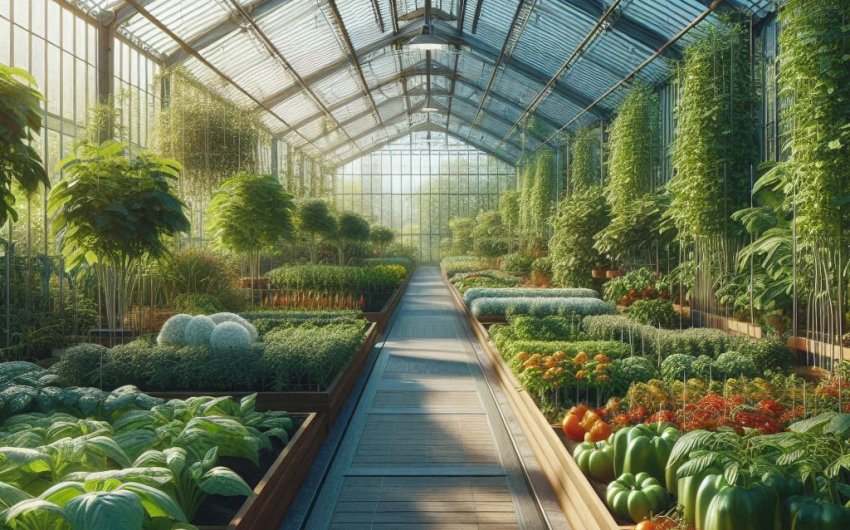
For passionate gardeners yearning for more than just a fleeting summer harvest, extending your growing season with a greenhouse represents a transformative investment. This controlled environment unlocks the potential to cultivate a wider variety of plants, kickstart seedlings earlier, and even enjoy fresh produce deep into the colder months, far beyond what typical outdoor conditions permit. Embracing greenhouse gardening opens up new dimensions of horticultural possibility, offering a stable haven where warmth and light nurture growth, defying the limitations of seasonal changes.
Why is a greenhouse the ultimate tool for extending the growing season?
A greenhouse is more than just a fancy shed; it's a precisely engineered environment designed to manipulate key growing conditions. This control is what makes it the ultimate tool for extending your growing season, offering benefits that simple row covers or cold frames cannot match, fundamentally changing how and what you can cultivate.
How does a greenhouse create an extended growing period?
The primary magic of a greenhouse lies in its ability to manage light, temperature, and humidity, creating an artificial microclimate ideal for plant growth, even when outdoor conditions are hostile.
- Trapping Solar Heat (Greenhouse Effect): The most well-known function. Transparent glazing (glass or polycarbonate) allows short-wave solar radiation (sunlight) to pass through and warm the air and surfaces inside. Once absorbed, this heat is re-radiated as long-wave infrared radiation, which cannot easily escape back through the glazing, effectively trapping heat. This "greenhouse effect" keeps the interior significantly warmer than the outside air, preventing frost damage and maintaining plant-friendly temperatures.
- Protection from Cold and Frost: The enclosed structure provides a physical barrier against cold winds, snow, ice, and most importantly, frost. Frost is deadly to most tender plants, and a greenhouse completely eliminates this threat, allowing you to grow sensitive crops much earlier in spring and later into fall (or even through winter, with supplemental heating).
- Protection from Extreme Weather: Beyond just cold, a greenhouse shields plants from other damaging elements like heavy rain, hail, strong winds, and even excessive drying from winter winds. This protects delicate seedlings and extends the life of mature plants.
- Optimizing Humidity: Greenhouses help retain humidity, which is especially beneficial for many tropical vegetables and ornamentals that struggle in dry indoor air or fluctuating outdoor conditions. This consistent moisture helps prevent plant stress and pest issues like spider mites.
- Enhanced Light Capture: While trapping heat, the transparent panels also maximize light exposure. Even on cloudy days, a greenhouse can provide more consistent, diffused light than an unprotected outdoor area, allowing for photosynthesis even when days are short.
- Pest and Disease Management: The enclosed environment offers some control over external pests (like deer, rabbits, and larger insects) and can help manage the spread of wind-borne diseases, though internal pest management becomes important.
What are the main benefits of extending your growing season with a greenhouse?
The ability to control the environment translates directly into a multitude of advantages for the gardener.
- Earlier Starts: You can start seedlings much earlier in spring, well before the last frost date. This gives your plants a significant head start, leading to earlier harvests of warm-season crops like tomatoes, peppers, and melons.
- Later Harvests: Extend the harvest of summer crops far into fall, even through the first few frosts, by providing continued warmth and protection.
- Year-Round Production: In many climates, with proper insulation and possibly supplemental heating, you can grow cool-season crops (lettuce, spinach, kale) or even some warm-season crops year-round, enjoying fresh produce regardless of the outdoor temperature.
- Wider Plant Variety: Grow plants that are not typically hardy in your climate, such as tropical fruits (citrus, dwarf bananas), tender herbs, or exotic flowers. A greenhouse creates a climate zone all its own.
- Propagation Hub: It serves as an ideal space for propagating plants from seeds, cuttings, or divisions, providing the consistent warmth and humidity needed for rooting and germination.
- Protection for Tender Plants: Overwinter sensitive perennials, containerized fruit trees, or tender annuals that you want to save for next year, protecting them from freezing temperatures.
- Cost Savings: By growing your own produce year-round and successfully starting more plants from seed, you can significantly reduce your grocery bills and nursery purchases.
- Enjoyment and Therapy: A greenhouse provides a warm, bright haven for gardening even in the depths of winter, offering a therapeutic escape and allowing you to indulge your passion all year long.
These benefits underscore why a greenhouse is an invaluable asset for any serious gardener committed to extending your growing season beyond its natural limits.
What types of greenhouses are available for home gardeners?
Choosing the right greenhouse is a significant decision that depends on your budget, available space, gardening goals, and the climate you live in. There's a wide range of types, from simple temporary structures to permanent, sophisticated setups, each contributing to extending your growing season in different ways.
What are the common greenhouse structures?
- Lean-To Greenhouses:
- Description: These structures are built against an existing building (house, garage, shed), sharing one wall.
- Pros: Cost-effective (fewer materials, uses existing wall for support), good heat retention (wall absorbs and radiates heat), convenient access to utilities. Ideal for small yards.
- Cons: Limited in size, may not get as much sun exposure depending on the orientation of the existing wall.
- Best For: Smaller spaces, urban gardeners, or those wanting to start seeds early and extend harvests.
- Freestanding Greenhouses:
- Description: Stand-alone structures, typically square, rectangular, or octagonal.
- Pros: Maximum sun exposure (can be oriented optimally), good ventilation, more flexible in size and design. Offers more internal space.
- Cons: Requires more material and land space, potentially higher heating costs due to more exposed surfaces.
- Best For: Serious gardeners with ample space, or those looking for year-round growing. A freestanding greenhouse kit is a popular option.
- Mini Greenhouses/Cold Frames:
- Description: Smaller, often portable, structures designed for specific purposes.
- Mini Greenhouses: Multi-tiered shelving units covered with clear plastic. Good for seed starting.
- Cold Frames: Low-profile, bottomless boxes with clear tops, placed directly over garden beds.
- Pros: Very affordable, portable, great for small spaces, extend season by a few weeks on either end, perfect for hardening off plants.
- Cons: Limited space, minimal temperature control beyond passive solar, not for year-round growing. A mini greenhouse for seedlings is convenient.
- Geodesic Dome Greenhouses:
- Description: Spherical or dome-shaped structures made from triangular panels.
- Pros: Extremely strong and wind-resistant, excellent light distribution, very energy efficient due to minimal surface area to volume ratio. Unique aesthetic.
- Cons: More complex to build, can be expensive, interior space might be less practical for shelving compared to rectangular shapes.
- Best For: Those seeking a highly efficient and durable structure with a unique look.
What are the common glazing materials?
The glazing material determines light transmission, insulation value, and durability.
- Polycarbonate Panels:
- Description: Multi-wall (twin-wall or triple-wall) sheets of plastic.
- Pros: Excellent insulation (traps air between layers, much better than single-pane glass), highly durable (shatterproof, impact-resistant), lightweight, good light diffusion (reduces hot spots and scorching). Common choice for most home greenhouses.
- Cons: Can yellow or degrade over many years (though UV-coated versions are better), not as crystal clear as glass.
- Recommendation: Best all-around choice for most home gardeners for efficient extending your growing season. A polycarbonate greenhouse offers a good balance.
- Glass:
- Description: Traditional glazing, can be single-pane, double-pane (insulated), or tempered safety glass.
- Pros: Highly transparent (excellent light transmission), aesthetically pleasing, long-lasting, heavy and stable.
- Cons: Poor insulation (single-pane), heavy, brittle (can shatter), expensive. Double-pane offers better insulation but is very costly.
- Recommendation: For aesthetics and maximum light transmission in milder climates, or if significant heating is planned.
- Polyethylene Film (Plastic Sheeting):
- Description: Thick, UV-stabilized plastic film. Used for hoop houses or temporary greenhouses.
- Pros: Very inexpensive, easy to install, lightweight.
- Cons: Poor insulation, short lifespan (typically 2-5 years before needing replacement), easily torn by wind or hail.
- Recommendation: For very budget-conscious projects or temporary seasonal use. A hoop house plastic cover is budget-friendly.
Choosing the right structure and glazing based on your needs and climate is the first big step in effectively extending your growing season with a greenhouse.
What essential accessories maximize greenhouse efficiency and growing potential?
Having a greenhouse is a great start, but to truly maximize its potential for extending your growing season, you'll need a range of essential accessories. These tools and systems help you control the internal environment more precisely, ensuring your plants thrive year-round.
How do I manage temperature and ventilation?
Controlling the internal temperature and ensuring adequate airflow are critical for plant health within a greenhouse.
- Vents and Louvers:
- Function: Release excess heat and provide fresh air.
- Types: Roof vents (or automatic roof vents with solar-powered openers), side louvers, or hinged doors.
- Importance: Prevents overheating and reduces humidity, which can cause fungal diseases.
- Automation: Automatic vent openers are highly recommended. They use a heat-sensitive wax cylinder that expands and contracts, opening and closing vents without electricity as temperatures change, providing passive cooling.
- Fans:
- Function: Improve air circulation, prevent stagnant air, and help regulate temperature.
- Types: Circulation fans (move air within the greenhouse) and exhaust fans (pull hot air out, often controlled by a thermostat).
- Importance: Prevents hot spots, reduces fungal growth, strengthens plant stems.
- Heaters:
- Function: Provide supplemental heat during cold nights or in winter for year-round growing.
- Types: Electric, propane, or natural gas heaters specifically designed for greenhouse use (often with thermostats).
- Importance: Essential for growing tender plants through winter or for pushing the season significantly in cold climates. Choose a greenhouse heater with thermostat.
- Shade Cloth:
- Function: Reduces intense light and heat during hot summer months.
- Types: Fabric mesh that blocks a certain percentage of sunlight (e.g., 30%, 50%, 70%).
- Importance: Prevents scorching of delicate plants and helps keep the greenhouse cooler. Can be easily put on and taken off. A greenhouse shade cloth is vital in sunny regions.
- Thermometer/Hygrometer:
- Function: Monitors temperature and humidity levels inside the greenhouse.
- Importance: Provides crucial data for making adjustments to ventilation, heating, and watering. Look for a digital thermometer hygrometer for greenhouse.
How do I manage watering and humidity?
Consistent and appropriate moisture is vital in the enclosed greenhouse environment.
- Watering System:
- Function: Efficiently delivers water to plants.
- Types: Hoses with fine spray nozzles, drip irrigation systems (ideal for consistency and efficiency), or watering cans for smaller operations.
- Importance: Prevents over or under-watering and saves time.
- Misters/Foggers:
- Function: Increase ambient humidity.
- Importance: Beneficial for tropical plants, germination, and preventing spider mites in dry climates.
- Pebble Trays/Water Troughs:
- Function: Simple way to increase humidity through evaporation.
- Importance: Effective for smaller greenhouses or specific benches.
What other useful items should I consider?
- Sturdy Shelving/Benches:
- Function: Maximizes growing space and organizes plants.
- Types: Wire, metal, or durable plastic. Should be able to hold weight and resist moisture. Look for greenhouse shelving.
- Potting Bench:
- Function: A dedicated workspace for potting, transplanting, and seed starting.
- Importance: Keeps the greenhouse tidy and provides a comfortable working height. A garden potting bench is very handy.
- Grow Lights:
- Function: Provide supplemental light, especially in winter or for seed starting, when natural light is insufficient.
- Types: Full-spectrum LED grow lights.
- Importance: Critical for strong, non-leggy seedlings and for growing through very dark periods.
- Soil Heating Mats:
- Function: Provide bottom heat for seed germination and rooting cuttings.
- Importance: Significantly speeds up germination rates and improves success for warmth-loving plants. A seedling heat mat is a must for early starts.
By thoughtfully selecting and integrating these essential accessories, you can transform your greenhouse into a finely tuned growing machine, truly capable of extending your growing season to its fullest potential.
What are the best strategies for growing in a greenhouse year-round?
Extending your growing season with a greenhouse from a few weeks to year-round production requires strategic planning and management. It's about optimizing conditions for different types of plants during various seasons, making the most of your controlled environment.
How do I plan my crops for year-round production?
- Seasonal Rotation: The key is to select crops appropriate for each season's light and temperature conditions.
- Late Winter/Early Spring: Focus on starting seeds for summer vegetables (tomatoes, peppers, eggplant) and annual flowers. Grow cool-season crops for early harvest (lettuce, spinach, radishes, peas).
- Summer: Transition to warm-season crops that require high temperatures (tomatoes, cucumbers, melons, peppers, okra). Ensure adequate ventilation and shade to prevent overheating.
- Fall: Plant cool-season crops for a late harvest (kale, collards, Swiss chard, carrots, beets). Start winter-hardy greens. Overwinter tender perennials.
- Winter: If heated, continue with some cool-season greens. If unheated, focus on very hardy greens (spinach, claytonia, kale), or simply overwinter dormant plants. This is a time of reduced light, so growth will be slower.
- Succession Planting: To ensure a continuous harvest, practice succession planting. Sow small batches of seeds every 2-3 weeks for crops like lettuce, radishes, and bush beans. This avoids having all your harvest at once.
- Variety Selection: Choose greenhouse-specific varieties of vegetables that are known to perform well in protected environments, or varieties suited to shorter days if growing in winter. Look for disease-resistant cultivars.
- Vertical Growing: Maximize space by utilizing vertical growing techniques for vining plants (tomatoes, cucumbers, melons). Use trellises, strings, or cages to train plants upwards.
What are key management practices for year-round greenhouse growing?
Consistent attention to detail in monitoring and adjusting the greenhouse environment is paramount for year-round success.
- Temperature Control: This is the most critical factor.
- Heating: For winter production in cold climates, use a reliable greenhouse heater with thermostat to maintain minimum night temperatures. Consider insulation (bubble wrap on glazing, thermal mass objects like barrels of water) to reduce heating costs.
- Cooling: In summer, ensure excellent ventilation (automatic vents, fans) and use shade cloth to prevent overheating. Open doors and vents completely on hot days.
- Watering:
- Adjust Seasonally: Water less frequently in winter when plants are dormant or growing slowly and evaporation is low. Water much more frequently in hot summer months.
- Check Soil Moisture: Always check soil moisture before watering. Don't water on a schedule.
- Morning Watering: Water in the morning to allow foliage to dry before night, reducing fungal disease risk.
- Humidity Management:
- Too High: Excessive humidity can lead to fungal diseases (e.g., powdery mildew, damping off). Ensure good air circulation with fans and proper ventilation.
- Too Low: Can cause plant stress and attract spider mites. Use misters, pebble trays, or group plants.
- Nutrient Management:
- Regular Feeding: Plants in containers or active growth need consistent nutrients. Fertilize regularly with a balanced liquid fertilizer during their active growing periods.
- Soil Health: If growing directly in ground beds within the greenhouse, amend with compost annually.
- Pest and Disease Monitoring: The enclosed environment means pests and diseases can spread rapidly once introduced.
- Vigilance: Inspect plants daily for early signs of pests (e.g., aphids, whiteflies, spider mites) or diseases.
- Integrated Pest Management (IPM): Use non-chemical methods first (hand-picking, insecticidal soap, neem oil), and introduce beneficial insects if necessary.
- Good Sanitation: Remove dead leaves and plant debris regularly. Sterilize pots and tools.
- Pollination: If growing fruit-bearing plants in an enclosed greenhouse, you may need to hand-pollinate flowers, especially for self-fertile plants that would normally rely on wind or insects outdoors. Use a small brush or vibrate flower stems.
- Light Supplementation: In regions with short, dark winter days, grow lights are essential for maintaining healthy growth and preventing leggy seedlings.
With diligent application of these strategies, your greenhouse can become a productive, living space all year, truly extending your growing season and providing fresh harvests regardless of the outdoor climate.