
Why Your Lawn Has a Puffy, Sponge-Like Texture and How to Fix It?
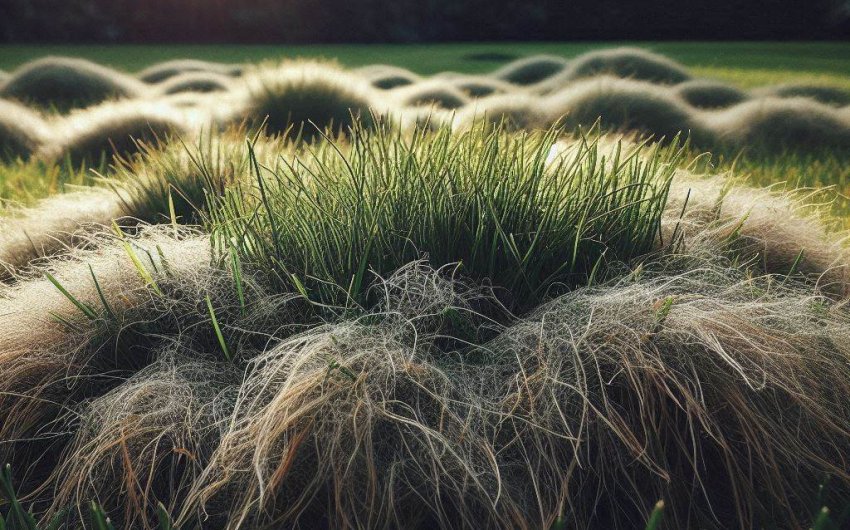
If you’ve ever noticed a puffy, sponge-like feel when walking across your lawn, you might wonder what's causing it and how to fix it. This issue, commonly due to a thick thatch layer, can affect the health and appearance of your grass. Thatch buildup can make your lawn feel soft underfoot, but it also restricts water, air, and nutrient flow to the roots, ultimately hindering growth. Here’s a comprehensive guide on why your lawn develops this sponge-like texture and effective ways to restore its structure.
What is Thatch, and Why Does It Cause a Puffy Texture?
Thatch is a layer of dead and living organic material, including grass roots, stems, and shoots, that builds up between the grass and soil. When thatch accumulates faster than it can decompose, it forms a thick mat that can give the lawn a spongy feel. Although a little thatch is beneficial, an excess layer often leads to root suffocation and increases the risk of disease.
Key Characteristics of Thatch
- Location: Thatch lies just below the green surface of the grass but above the soil.
- Thickness: Thatch over half an inch thick can cause sponginess.
- Effects on Grass Health: Thick thatch can block essential nutrients and water from reaching the roots.
If your lawn feels like a plush carpet or gives slightly when you walk on it, there’s a good chance thatch is the cause.
1. Test for Thatch Buildup
Confirming that thatch is causing the puffy texture is the first step. Testing for thatch is simple and can be done using a garden trowel.
- How to Test: Insert a trowel into the lawn and lift up a small section of grass. Look for a thick, straw-like layer between the soil and grass.
- Measurement: Thatch thicker than ½ inch indicates a problem that needs to be addressed.
Using a garden trowel makes it easy to dig into your lawn and examine the thatch layer for thickness.
2. Understand Common Causes of Thatch
Knowing what causes thatch can help prevent it from becoming a recurring problem. Here are some typical factors that lead to excessive thatch:
- Overwatering: Too much water can prevent organic material from breaking down, promoting thatch buildup.
- Excessive Fertilizer: High-nitrogen fertilizers encourage rapid grass growth, adding to the organic material buildup.
- Poor Soil Microorganisms: Lack of decomposers in the soil slows down the natural breakdown of thatch.
Recognizing these causes can guide you toward adjusting your lawn care practices to minimize future thatch formation.
3. Dethatch Your Lawn for Immediate Relief
Dethatching is the process of removing excess thatch to restore a balanced lawn. Depending on the size of your lawn and the thickness of the thatch, you can use a dethatching rake or a power dethatcher.
- Manual Dethatching: For small lawns, use a dethatching rake to pull up the thatch layer.
- Power Dethatcher: For larger lawns or thick thatch layers, a power dethatcher is more efficient.
Using a dethatching rake helps you remove the thatch by hand, while a power dethatcher makes it easier to cover large areas.
4. Aerate to Improve Soil Health
After dethatching, aerating your lawn can further help alleviate the sponge-like feel. Aeration loosens compacted soil, allowing air, water, and nutrients to penetrate the root zone effectively.
- Core Aeration: Use a core aerator to remove small plugs of soil, reducing compaction and improving drainage.
- Timing: Aerate in early spring or fall for the best results.
A manual lawn aerator helps create spaces in the soil, allowing roots to expand and reducing thatch buildup.
5. Adjust Your Watering Routine
Overwatering contributes significantly to thatch buildup by limiting the oxygen that decomposers need to break down organic material. Reducing the frequency of watering can help control thatch and reduce the puffy texture of your lawn.
- Watering Schedule: Water deeply but infrequently to encourage deep root growth.
- Ideal Time: Early morning watering is best to prevent evaporation and allow the soil to dry out during the day.
Using a sprinkler timer makes it easy to control your watering frequency, reducing the chance of overwatering.
6. Reduce Fertilizer Use
Too much fertilizer, especially nitrogen-rich varieties, can stimulate rapid grass growth, contributing to thatch. Instead of heavy feeding, try applying a balanced fertilizer less frequently to maintain healthy growth without encouraging excess thatch.
- Balanced Fertilizer: Opt for a fertilizer with a balanced N-P-K ratio.
- Application Rate: Fertilize twice a year, ideally in spring and fall.
A slow-release lawn fertilizer provides steady nutrition to the grass without accelerating thatch buildup.
7. Introduce Compost to Increase Soil Microorganisms
Adding compost to your lawn can help increase soil microorganisms, which aid in breaking down thatch naturally. Compost enriches the soil, encouraging microbial activity that decomposes organic material effectively.
- How to Apply: Spread a thin layer of compost over the lawn and work it into the soil.
- Benefits: Compost provides essential nutrients, improving soil health and reducing thatch buildup.
Using organic compost enriches the soil and supports natural decomposers, making it easier to manage thatch levels over time.
8. Avoid Cutting Grass Too Short
Mowing your lawn too short, also known as scalping, stresses the grass and contributes to thatch buildup. Maintaining a proper mowing height encourages stronger roots and reduces the need for rapid regrowth, limiting thatch accumulation.
- Recommended Height: Keep your grass at least 2.5 to 3 inches tall to promote healthy growth.
- Mower Settings: Adjust your mower’s height based on the grass type and season.
Using a lawn mower with adjustable height allows you to set the right height, preventing excessive thatch buildup.
9. Overseed Bare Spots
If thatch has created bare patches on your lawn, overseeding can help restore a uniform appearance and reduce future thatch problems. Choose a grass variety compatible with your current lawn to improve density.
- Seed Selection: Use high-quality grass seed that’s suited for your climate and soil.
- Application: Spread seed over bare areas and water thoroughly to promote germination.
A grass seed spreader makes it easy to apply seed evenly, helping fill in thin areas and prevent thatch from building up.
10. Apply a Lawn Topdressing
Topdressing with a thin layer of soil or compost can improve soil structure, making it easier for grass roots to establish while reducing the likelihood of thatch.
- How to Topdress: Spread a light layer of compost or sand across the lawn and rake it in.
- Frequency: Apply topdressing once a year to maintain a balanced soil structure.
Using a lawn topdressing spreader ensures even coverage, providing a balanced layer that encourages healthy root growth.
11. Encourage Microbial Activity with Organic Amendments
Adding organic soil amendments boosts microbial activity, which helps break down thatch naturally. These amendments encourage decomposers, like earthworms and beneficial fungi, to flourish, promoting a healthier lawn ecosystem.
- Types of Amendments: Compost tea, worm castings, and humic acid are effective options.
- Application: Apply amendments monthly during the growing season for best results.
A compost tea brewer allows you to create nutrient-rich solutions that enhance microbial activity in your lawn.
12. Prevent Soil Compaction
Compacted soil limits root growth and can contribute to a spongy feel by encouraging thatch buildup. Aerating annually and avoiding heavy foot traffic can help reduce compaction.
- Core Aeration: This method removes small plugs of soil, relieving compaction and improving drainage.
- Limit Traffic: Designate paths or use stepping stones to direct foot traffic and prevent compacted areas.
Using lawn stepping stones can guide traffic, protecting vulnerable areas from compaction and reducing thatch formation.
13. Incorporate Grass Clippings Wisely
While returning grass clippings to the lawn can be beneficial, overdoing it may contribute to thatch buildup. Properly managing grass clippings can help maintain a balance.
- Mulching Mowers: Use a mulching mower to cut clippings finely, allowing them to decompose more easily.
- Avoid Excessive Clippings: During periods of rapid growth, collect clippings to prevent accumulation.
A mulching mower recycles clippings back into the soil in a way that limits thatch buildup.
14. Test Soil pH and Correct Imbalances
Imbalanced soil pH can interfere with nutrient absorption, impacting grass health and promoting thatch buildup. Most grass types prefer a pH range between 6.0 and 7.0.
- Testing: Use a soil pH tester to determine your lawn’s pH level.
- Adjusting pH: Add lime to raise pH or sulfur to lower it as needed.
Using a soil pH tester allows you to monitor pH levels, helping you make adjustments to promote optimal grass health.
15. Introduce Earthworms to Improve Soil Quality
Earthworms play an essential role in soil health by aerating the soil and breaking down organic matter, which helps reduce thatch naturally. Encouraging earthworm activity in your lawn can improve structure and drainage.
- How to Encourage Earthworms: Apply organic compost and avoid using chemical pesticides.
- Benefits: Earthworms reduce compaction, improve soil texture, and help control thatch.
Using worm castings as a soil amendment can attract more earthworms, enhancing the natural aeration of your lawn.
16. Use a Scarifying Tool for Deep Thatch Removal
If your lawn has a significant thatch problem, a scarifying tool can be used for more intensive thatch removal. Scarifying cuts into the soil to lift out thatch and improve soil-to-root contact.
- When to Scarify: Spring or fall is best for scarifying, as grass can recover more easily during these seasons.
- Scarification Depth: Adjust the depth to avoid damaging the grass roots.
Using a lawn scarifier provides deeper thatch removal, making it easier to eliminate thick layers of organic material.
17. Avoid Over-Seeding with Aggressive Grass Types
Certain grass types, especially those with aggressive growth patterns, can contribute to thatch buildup by producing excess organic matter. Opt for grass varieties that match your lawn’s conditions and avoid over-seeding with fast-growing species.
- Choose Wisely: Consider fine fescue or perennial ryegrass, which have moderate growth habits.
- Application: Seed lightly to avoid promoting excessive thatch accumulation.
Using a low-maintenance grass seed mix can help you maintain a healthy lawn without increasing thatch levels.
18. Monitor and Maintain Regular Lawn Care
Regular lawn care, including balanced watering, moderate fertilization, and seasonal aeration, helps prevent thatch buildup over time. Consistency is key in keeping your lawn resilient and free from issues like a puffy, spongy texture.
- Routine Checkups: Inspect your lawn for signs of thatch or compaction periodically.
- Seasonal Maintenance: Follow a care schedule to ensure all aspects, from watering to fertilization, are managed efficiently.
Using a lawn care planner allows you to keep track of maintenance tasks, helping you maintain a healthy and well-structured lawn year-round.