
Effective Weed Control Strategies for Creeping Charlie
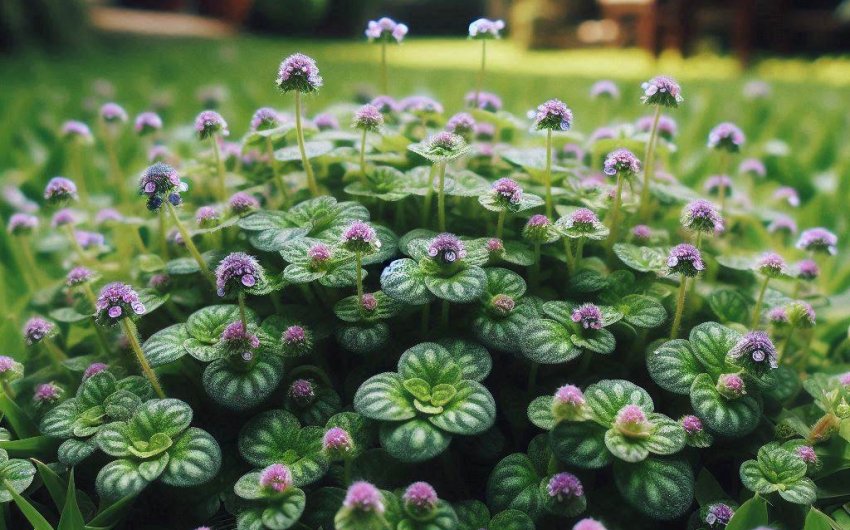
Creeping Charlie, also known as ground ivy, is one of the most persistent and challenging weeds to manage in lawns and gardens. With its creeping vines, round leaves, and small purple flowers, Creeping Charlie can quickly take over if left unchecked. This invasive plant spreads through its roots, or rhizomes, and can dominate areas with shady, moist conditions. Controlling this weed requires a combination of methods, from manual removal to proper lawn care and targeted treatments. Here’s a guide on effective strategies to manage and control Creeping Charlie in your yard.
Understanding Creeping Charlie and Its Growth Habits
To effectively manage Creeping Charlie, it’s essential to understand how it grows and spreads. This weed is a low-growing perennial, meaning it returns year after year if not controlled. Creeping Charlie thrives in moist, shady areas and can quickly take over lawns, garden beds, and flower borders. Its stems spread along the ground, rooting at nodes and forming a dense mat that crowds out other plants.
Key Characteristics of Creeping Charlie
- Leaves: Round or kidney-shaped leaves with scalloped edges, which are attached to square stems.
- Flowers: Small purple flowers that bloom in spring, adding to its attractive yet invasive nature.
- Roots: Roots form at stem nodes, which is why the plant spreads quickly across the ground.
- Growth Preferences: Prefers shady and moist conditions but can survive in sunlit areas as well.
Identifying these features will help you spot Creeping Charlie early, which is crucial for successful control.
1. Manual Removal of Creeping Charlie
One of the simplest but time-consuming methods for controlling Creeping Charlie is manual removal. This involves pulling up the plant by hand, making sure to remove all roots to prevent regrowth. Manual removal works best for small infestations or isolated patches.
- Preparation: Water the area before pulling to loosen the soil, making it easier to remove the roots.
- How to Pull: Grab the plant close to the ground and gently pull, trying to remove the entire root system.
- Post-Removal: Dispose of Creeping Charlie carefully to avoid spreading seeds or stems to other areas.
Using a garden weeding tool will make it easier to dig out the plant and remove roots completely.
2. Smothering the Weed
Smothering is an effective method for large patches of Creeping Charlie, as it deprives the plant of sunlight and prevents it from spreading further.
- Mulching: Apply a thick layer of organic mulch over the Creeping Charlie. Make sure the mulch is at least 2-3 inches thick.
- Cardboard Smothering: Place cardboard over the area and cover it with soil or mulch to block light and kill the weed over time.
- Wait Period: Leave the cover in place for several weeks, allowing the plant to die from lack of sunlight.
Using cardboard mulch helps cover the weed effectively, creating a barrier that prevents Creeping Charlie from getting the sunlight it needs.
3. Mow High and Maintain Lawn Health
Maintaining a healthy lawn is one of the most effective strategies to prevent Creeping Charlie from taking over. Mowing at the correct height helps grass grow thicker, creating a natural barrier against this invasive weed.
- Mowing Height: Keep grass height around 3-4 inches. Taller grass shades the soil, making it harder for Creeping Charlie to thrive.
- Regular Fertilization: Apply a balanced fertilizer in spring and fall to promote a dense, healthy lawn.
- Watering Practices: Water deeply but infrequently to encourage deep root growth, which strengthens your lawn’s resistance to weeds.
Using a lawn mower with adjustable height allows you to set the mower at a higher level, which is ideal for preventing Creeping Charlie from establishing.
4. Apply Borax as a Natural Treatment
Borax, a common household product, can be effective in controlling Creeping Charlie. The boron in borax acts as a natural herbicide but should be used carefully, as too much can harm grass and other plants.
- Preparation: Mix 10 ounces of borax with 2.5 gallons of water. This amount will cover about 1,000 square feet.
- Application: Spray the solution directly onto the Creeping Charlie, avoiding other plants.
- Reapply Cautiously: Wait a few weeks to see results before reapplying, as excessive boron can damage soil health.
Using a garden sprayer ensures even distribution, allowing you to target Creeping Charlie without affecting surrounding plants.
5. Use a Selective Broadleaf Herbicide
Selective broadleaf herbicides target broadleaf weeds like Creeping Charlie without harming grass. These herbicides contain active ingredients like triclopyr or 2,4-D, which are effective against stubborn weeds.
- Application Timing: Apply in late spring or early fall when the weed is actively growing.
- Precautions: Avoid applying herbicides on windy days to prevent drift to other plants.
- Follow-Up: Multiple applications may be necessary for full control, as Creeping Charlie can be resistant to a single treatment.
Using a selective herbicide spray allows you to treat Creeping Charlie directly, reducing the risk of damage to your grass.
6. Aerate Your Lawn to Reduce Compaction
Creeping Charlie often thrives in compacted soil, which limits grass growth and creates an ideal environment for the weed. Aerating your lawn can help loosen the soil, allowing air, water, and nutrients to reach grass roots and improve overall lawn health.
- When to Aerate: Early spring or fall is the best time for aeration.
- Aeration Method: Use a core aerator to remove small plugs of soil, creating holes that reduce compaction.
Using a manual lawn aerator makes it easy to relieve compacted soil, helping your grass grow stronger and resist Creeping Charlie.
7. Hand-Pulling Creeping Charlie After Rain
After a rain shower or watering session, the soil is softer, making it easier to hand-pull Creeping Charlie without leaving behind roots.
- How to Pull: Grasp the plant firmly at the base and pull slowly to get the entire root system.
- Disposal: Place pulled weeds in a plastic bag to prevent spreading.
Using a hand weeder tool can help you pull weeds with precision, ensuring the root system is removed completely.
8. Boost Soil Health with Compost
Adding compost to your lawn and garden areas can improve soil quality, providing nutrients that encourage grass growth while making it harder for weeds like Creeping Charlie to take hold.
- Application: Spread a 1/4-inch layer of compost over your lawn or garden bed in early spring.
- Benefits of Compost: Compost improves soil structure and enhances microbial activity, creating an environment less hospitable to weeds.
Using organic compost will enrich the soil naturally, helping to create a robust lawn that can crowd out Creeping Charlie.
9. Overseed to Deter Creeping Charlie
Overseeding your lawn with a shade-tolerant grass seed can help fill in thin areas and reduce the space available for Creeping Charlie to grow. Thick, healthy grass is one of the best defenses against this invasive weed.
- Choose the Right Seed: Look for a shade-tolerant variety like fescue, which can thrive in low-light conditions.
- When to Overseed: Late summer or early fall is ideal for overseeding cool-season grasses.
Using a grass seed spreader allows you to distribute seed evenly, helping establish a dense lawn that suppresses weeds.
10. Use Corn Gluten Meal as a Natural Pre-Emergent
Corn gluten meal can be used as a natural pre-emergent herbicide to prevent Creeping Charlie seeds from sprouting. It’s best used as a preventative method rather than a cure for established weeds.
- Application Timing: Apply in early spring before weed seeds germinate.
- How to Apply: Spread corn gluten meal evenly over the lawn and water lightly.
Using corn gluten meal provides a natural alternative to chemical herbicides, helping prevent weeds from establishing in the first place.
11. Trim Surrounding Trees and Shrubs
Creeping Charlie thrives in shady environments, so increasing sunlight exposure can discourage its growth. Trim overhanging branches and reduce shade in areas where Creeping Charlie tends to grow.
- Pruning: Trim back trees and shrubs that cast shade over your lawn or garden beds.
- Increase Sunlight: Aim for at least 4-6 hours of sunlight in problem areas.
Using pruning shears makes it easy to trim back branches and encourage a healthier, sunnier environment for your lawn.
12. Apply Lime to Balance Soil pH
Creeping Charlie prefers slightly acidic soil, so applying lime can help neutralize the soil, creating an environment where the weed struggles to thrive.
- Test Soil pH: Use a soil test kit to check the pH and determine if lime is needed.
- Application Rate: Follow the recommended amount based on your soil test results to avoid over-liming.
Using a soil pH tester helps you determine the exact pH of your soil, allowing you to make informed adjustments.
13. Edge Garden Beds and Lawn Borders
Edging your lawn and garden beds creates a defined boundary that prevents Creeping Charlie from creeping into these areas. Regular edging helps keep the plant contained and reduces its spread.
- How to Edge: Use a garden spade or edging tool to create a clear boundary.
- Regular Maintenance: Edge once or twice a year to keep Creeping Charlie from spreading.
Using a garden edging tool makes it easier to maintain clean borders, keeping Creeping Charlie in check.
14. Spot-Treat with Vinegar Solution
A vinegar solution is a natural option for treating small patches of Creeping Charlie. Vinegar is acidic and can kill the weed on contact, although it may need multiple applications.
- Preparation: Mix a solution of 20% vinegar and water.
- Application: Spray directly onto Creeping Charlie, being careful to avoid surrounding plants.
Using a vinegar spray bottle allows for targeted application, reducing the risk of affecting desirable plants.
15. Rotate Control Methods
Creeping Charlie can develop resistance to a single control method if used repeatedly. Rotating control strategies helps maintain effectiveness and prevents the weed from adapting.
- Combination Approach: Use a mix of cultural, mechanical, and chemical methods.
- Evaluate Results: Observe which methods work best and alternate them over the growing season.
Using a variety of tools, such as a multi-use garden tool set, allows for flexibility in tackling Creeping Charlie from different angles, improving your chances of success.