
How to Handle Lawn Grubs Before They Damage Roots?
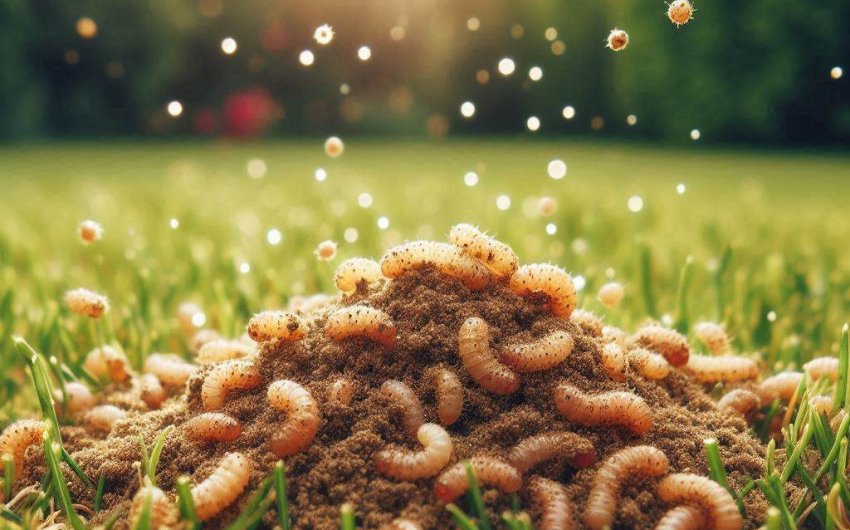
Lawn grubs can become a significant problem if they go undetected in your yard. These small, white larvae feed on grass roots, which can cause patches of dead grass and make your lawn more susceptible to other pests and diseases. Acting quickly to detect, treat, and prevent grubs is key to maintaining a healthy lawn. This guide covers everything you need to know about handling lawn grubs before they cause extensive root damage.
What Are Lawn Grubs?
Lawn grubs are the larvae of several types of beetles, including Japanese beetles, June bugs, and European chafers. They live just beneath the soil surface and feed on the roots of grass and other plants, disrupting the root system and causing grass to die in patches. These grubs typically measure about a half-inch to an inch in length and are white with a brown head.
Signs of Grub Infestation
Identifying grubs early can prevent extensive damage. Here are some common signs of a grub problem in your lawn:
- Brown Patches: Grubs feed on roots, causing brown or yellow patches that can be easily pulled up.
- Soft and Spongy Grass: Infested areas feel spongy and may lift away like a loose carpet due to root damage.
- Increased Wildlife Activity: Birds, skunks, and raccoons often dig up grass to feed on grubs.
- Dead Spots: Patches of dead grass that worsen over time can indicate grubs in the soil.
1. Perform a Simple Grub Test
If you suspect grubs, performing a simple test can help confirm their presence. This test will show you if grubs are present and at what density.
- How to Test: Dig up a small section of grass, about 1 square foot and 2–4 inches deep, and look for grubs.
- Grub Threshold: If you find more than five to ten grubs in the square foot sample, treatment is usually necessary.
Using a garden spade helps you dig deep enough to uncover any hidden grubs.
2. Encourage Natural Grub Predators
Introducing or encouraging natural predators in your yard can help keep grub populations under control. Birds, for example, are great at eating grubs, and creating a bird-friendly environment can reduce the need for chemical treatments.
- Attract Birds: Set up bird feeders and birdbaths to encourage birds to visit your lawn.
- Other Beneficial Insects: Some insects like ants and ground beetles naturally prey on grubs.
Setting up a bird feeder can attract birds to your yard, increasing natural predation on grubs and other pests.
3. Use Beneficial Nematodes
Beneficial nematodes are microscopic worms that hunt down and kill grubs by entering their bodies and releasing bacteria. They are a safe and organic solution to combat grub problems effectively.
- Application Timing: Apply nematodes in spring or early fall when soil temperatures are between 55°F and 85°F.
- How to Apply: Mix nematodes with water and spray onto the lawn.
Using a garden sprayer will help you evenly distribute the nematode solution across your lawn.
4. Apply Milky Spore Disease for Long-Term Control
Milky spore is a natural bacterium specifically targeting Japanese beetle grubs. Once introduced to the soil, it can provide long-term protection against these grubs, as the spores reproduce in infected grubs and remain in the soil.
- Best Time to Apply: Apply milky spore during warm months, as it spreads effectively when soil temperatures are above 60°F.
- Duration: It may take one to three years to build up enough spores for lasting control.
A milky spore spreader can make the application process smoother, ensuring consistent coverage.
5. Use Insecticides for Immediate Control
In severe cases, chemical insecticides may be necessary for immediate control. Choose insecticides labeled for grub control, and follow the instructions carefully to protect your lawn and beneficial insects.
- Timing: Apply in late summer or early fall when grubs are feeding most actively.
- Type of Insecticide: Use products containing imidacloprid or chlorantraniliprole, which are effective for grub control.
Using an insecticide spreader can ensure you apply the product evenly, covering infested areas thoroughly.
6. Water Correctly to Deter Grubs
Grubs thrive in moist soil, especially during egg-laying seasons in summer. Adjusting your watering schedule can help reduce the likelihood of a grub infestation by keeping soil slightly drier.
- Watering Frequency: Water deeply but less frequently to encourage grass to establish strong roots.
- Timing: Water in the early morning to allow grass to dry by evening, reducing moisture that attracts beetles.
Using a sprinkler timer can help you manage watering schedules, avoiding overly damp soil that might attract grubs.
7. Repair Grub-Damaged Grass by Reseeding
Once you’ve controlled the grub population, it’s essential to repair the damage they caused. Reseeding helps fill in bare patches, restoring the lawn’s appearance and preventing weeds from taking over.
- Choose the Right Seed: Use a grass seed mix that matches your existing lawn.
- Prepare the Soil: Rake the damaged areas to remove dead grass and loosen the soil.
Using a grass seed spreader helps distribute seed evenly, promoting faster and more uniform regrowth.
8. Fertilize to Encourage Healthy Growth
Healthy grass is more resistant to pests, so fertilizing your lawn can help it recover from grub damage and discourage future infestations. Choose a balanced fertilizer that supports root growth and overall lawn health.
- Application Timing: Fertilize in early spring and fall for the best results.
- Type of Fertilizer: Use a slow-release fertilizer for consistent nutrient availability.
Using a slow-release lawn fertilizer will provide steady nutrients, helping your lawn grow back thicker and stronger.
9. Consider Topdressing with Compost
Adding a layer of compost over grub-damaged areas can improve soil structure and increase microbial activity, creating an environment that’s less attractive to grubs.
- Application Method: Spread a thin layer of compost over damaged patches and rake it in lightly.
- Benefits of Compost: Compost enriches the soil with organic matter, supporting root growth and enhancing soil health.
Using organic compost helps restore nutrients, making your lawn more resistant to future infestations.
10. Mow Grass at the Proper Height
Keeping your grass at the right height helps it develop a strong root system, which can make it more resistant to grubs. Short grass is more prone to stress, making it easier for grubs to damage roots.
- Ideal Mowing Height: Most lawns do best when mowed to about 3 inches.
- Mowing Frequency: Mow regularly, but avoid cutting more than one-third of the blade length at a time.
Using a lawn mower with adjustable height makes it easy to keep grass at the recommended height, encouraging healthy growth.
11. Encourage a Diverse Lawn Ecosystem
A diverse lawn with a mix of grass types and even other ground covers can help reduce grub populations by limiting their preferred food source.
- Add Clover: Including clover in your lawn can make it less appealing to grubs and also enriches soil nitrogen.
- Mixed Grasses: Plant different grass species, like fescue and Kentucky bluegrass, to improve resilience.
Using a clover seed mix is an easy way to add diversity to your lawn, making it less prone to pest problems.
12. Remove Thatch Buildup
Thatch is a layer of dead grass and organic matter that accumulates on the soil surface. Excessive thatch can provide a habitat for grubs and make it harder for water and nutrients to reach grass roots.
- Dethatch Regularly: Rake your lawn or use a dethatching tool once a year to break up thatch.
- Avoid Over-Thatching: A light layer is normal, but over half an inch can increase grub problems.
Using a dethatching rake makes it easy to remove excess thatch, improving soil access for water and nutrients.
13. Use Grub-Resistant Grass Varieties
Some grass types are naturally more resistant to grubs. If you live in an area prone to infestations, consider overseeding with a grub-resistant grass variety.
- Best Varieties: Fescue and perennial ryegrass are more resistant to grub feeding.
- Overseeding Tips: Spread new seed in early spring or fall to establish healthy growth.
Using a grub-resistant grass seed mix can provide extra protection, helping your lawn withstand potential grub damage.
14. Reduce Lawn Traffic in Grub-Damaged Areas
Grub-damaged grass is more fragile, so reducing foot traffic can help prevent further stress on already weakened areas.
- Redirect Traffic: Use pathways or stepping stones to keep foot traffic off vulnerable spots.
- Temporary Fencing: Consider putting up a temporary barrier to protect reseeded or damaged areas.
Using garden stepping stones can guide traffic away from sensitive parts of your lawn, allowing it to recover.
15. Install Barriers to Deter Wildlife
Animals like skunks and raccoons are drawn to grub-rich lawns. Adding barriers or deterrents can keep them from digging up your grass in search of grubs.
- Install Netting: Lay down netting over affected areas to prevent animals from accessing grubs.
- Use Repellents: Apply animal repellents near grub-prone areas to keep wildlife away.
Using animal repellent spray helps deter pests from digging up your lawn, keeping it intact while you work on grub control.
16. Monitor Lawn for Recurring Grub Problems
Once you’ve treated for grubs, continue to monitor your lawn throughout the year. Regular inspections help catch new infestations early, allowing you to address the problem before serious damage occurs.
- Check in Spring and Fall: These seasons are peak times for grubs, so regular checks are essential.
- Repeat Preventative Treatments: If your lawn is prone to grubs, consider applying natural treatments annually.
Keeping a lawn inspection tool kit makes it easy to check for pests, ensuring your lawn stays healthy year-round.
17. Avoid Over-Fertilizing with Nitrogen
Grubs are often drawn to lawns that grow quickly due to high nitrogen levels. Avoid excessive nitrogen in your fertilization routine to prevent encouraging grub populations.
- Balanced Fertilization: Use a balanced fertilizer instead of one high in nitrogen.
- Application Timing: Fertilize moderately in spring and fall.
A balanced lawn fertilizer provides nutrients without overloading on nitrogen, which helps keep grub numbers in check.
18. Treat Bare Patches Quickly
Bare patches caused by grubs can become a hotbed for weed growth, which can further damage your lawn. Reseed and fertilize these areas to prevent weeds from taking hold.
- Patch Repair: Use grass seed to fill in bare spots and prevent further deterioration.
- Soil Preparation: Rake and loosen soil before seeding to encourage quick germination.
Using a lawn repair kit allows you to fix bare patches effectively, helping prevent weeds and creating a uniform lawn surface.