
Dealing with Anthracnose Disease in Lawns
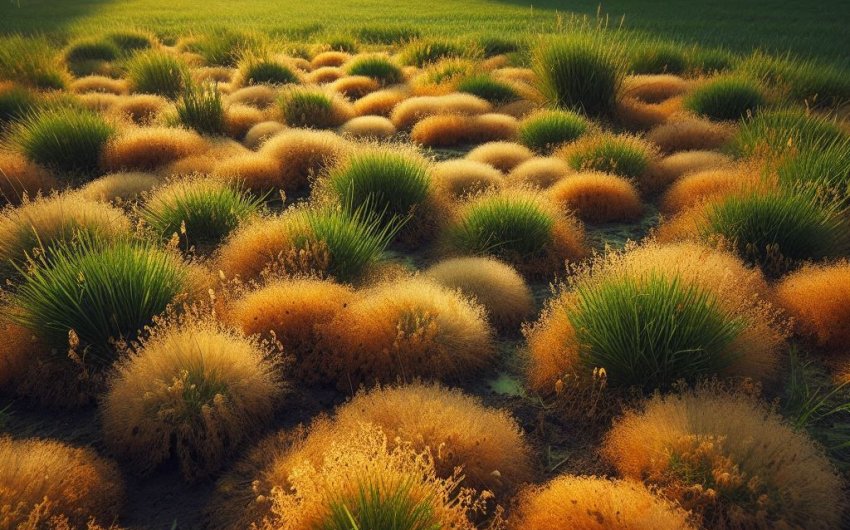
Anthracnose is a common fungal disease that affects lawns, causing yellowing, browning, and even death of grass in severe cases. This disease thrives in warm, humid conditions and can spread quickly if not managed effectively. Understanding how to identify, treat, and prevent anthracnose can help you protect your lawn and keep it looking lush and green. Here’s a complete guide to dealing with anthracnose disease in lawns.
What is Anthracnose Disease?
Anthracnose is a fungal disease caused by the Colletotrichum species, which targets grass plants under stress. This disease affects various types of turfgrass, especially bentgrass and annual bluegrass, making it common in golf courses, but it can also damage home lawns. Anthracnose can occur as a foliar blight, affecting grass blades, or as a basal rot, attacking the plant's crown and roots.
Key Signs of Anthracnose Disease
- Yellowing or Browning: Affected areas start yellowing or turning brown, often with irregular patterns.
- Thinning Grass: Lawns appear thinner or sparse in affected patches.
- Black Spots or Lesions: Small black spots may form on the leaf blades, especially near the base.
- Wilting: Infected grass blades wilt, especially during hot or dry periods.
- Rotted Crowns: In basal rot anthracnose, the grass crown and lower stems appear blackened and rotted.
Identifying these symptoms early can help prevent anthracnose from spreading across your entire lawn.
Causes of Anthracnose Disease
Anthracnose usually develops in lawns that are stressed due to factors like compaction, drought, or nutrient deficiencies. Here are common causes that can increase anthracnose risk in your lawn:
- Warm, Humid Conditions: The fungus thrives in warm and moist environments, especially in summer.
- Poor Soil Quality: Lawns with compacted soil or low fertility are more prone to fungal infections.
- Improper Watering: Inconsistent or shallow watering can weaken grass, making it susceptible.
- Low Mowing Height: Scalping the lawn or cutting grass too short increases stress on the turf.
- Frequent Foot Traffic: Heavy use and foot traffic cause compaction, reducing oxygen flow to roots.
Knowing these causes will help you make necessary changes in your lawn care routine to prevent future outbreaks.
1. Start with Proper Lawn Care Practices
The first step in controlling anthracnose is ensuring a healthy lawn. Proper lawn care creates stronger grass that can resist fungal infections and recover quickly if infected.
- Regular Mowing: Keep your mower blade at a higher setting to avoid stressing the grass. The ideal height is around 3 inches for most lawns.
- Sharp Mower Blades: Dull blades tear the grass, making it more vulnerable to diseases. Always keep your mower blades sharp.
Using a self-propelled lawn mower with adjustable height allows you to set the correct mowing height easily.
2. Improve Drainage to Prevent Excess Moisture
Anthracnose flourishes in waterlogged soil, so maintaining good drainage is crucial. Aerating your lawn and improving soil structure can help reduce moisture levels.
- Aeration: Aerate the lawn annually to reduce compaction, which improves water infiltration.
- Reduce Shade: Trim back overhanging branches that might block sunlight and trap moisture.
A lawn aerator tool will make aeration easier, providing your lawn with better airflow and reducing soil compaction.
3. Apply a Balanced Fertilizer
Nutrient-deficient grass is more likely to develop anthracnose. Applying a balanced fertilizer with nitrogen, phosphorus, and potassium promotes strong, healthy growth.
- Fertilizer Timing: Fertilize in early spring and again in fall for continuous growth support.
- Avoid Excess Nitrogen: Too much nitrogen can make grass more susceptible to diseases.
Using a slow-release lawn fertilizer ensures that nutrients are delivered steadily, preventing sudden growth spurts that stress the grass.
4. Practice Proper Watering Techniques
Watering the right way reduces stress on the grass and limits fungal growth. Anthracnose spores spread more easily in overly moist environments, so deep, infrequent watering is best.
- Water Early: Water your lawn in the early morning to allow the grass to dry before nightfall.
- Avoid Overwatering: Too much water creates conditions ideal for fungal growth.
Using a watering timer helps you regulate watering schedules, preventing overwatering and excess moisture accumulation.
5. Use Fungicides for Severe Infections
In severe cases, applying a fungicide can help control the spread of anthracnose. Look for fungicides labeled for lawn use, specifically those that target anthracnose and other common turf diseases.
- Application Timing: Apply at the first sign of infection or during high-risk periods like summer.
- Rotate Fungicides: To prevent resistance, rotate between different fungicide types.
Using a natural lawn fungicide can help treat anthracnose without harsh chemicals, allowing you to manage the disease with fewer risks to beneficial organisms.
6. Improve Air Circulation
Good airflow around the lawn reduces humidity, which limits fungal growth. Trim dense foliage around the lawn, and consider pruning lower branches to enhance airflow.
- Spacing: If plants or trees are too close to the lawn, reposition them to reduce shade and moisture retention.
- Routine Trimming: Keep bushes and shrubs well-trimmed to allow sunlight and air circulation.
Using pruning shears makes it easy to cut back foliage, helping your lawn get the sunlight and airflow it needs.
7. Rake and Remove Grass Clippings
Clippings and other organic debris can trap moisture, creating ideal conditions for anthracnose. Removing clippings from infected areas can prevent the disease from spreading.
- Raking Regularly: Rake your lawn after mowing to remove any grass clippings or debris.
- Composting: If your lawn has anthracnose, avoid composting the clippings to prevent reintroducing fungal spores.
Using a durable garden rake helps keep your lawn clean and reduces the likelihood of fungal buildup.
8. Overseed Thinned Areas
Anthracnose can thin out patches of grass. Overseeding is an effective way to encourage denser growth, filling in bare spots and strengthening your lawn against future outbreaks.
- Grass Variety: Choose a disease-resistant variety of grass to overseed the affected areas.
- Application: Spread seed in early fall or spring for best results.
A grass seed spreader helps distribute seeds evenly, encouraging healthy regrowth in damaged areas.
9. Avoid Mowing When Wet
Mowing wet grass can spread anthracnose spores, increasing the risk of infection across your lawn. Always wait until the grass is dry to mow, especially if there are signs of disease.
- Mower Cleanliness: Clean mower blades after cutting infected grass to prevent cross-contamination.
- Mowing Frequency: Mow only when the grass reaches the proper height to avoid unnecessary stress.
Using a self-propelled mower allows you to mow efficiently, minimizing disturbance to wet or diseased grass.
10. Test and Adjust Soil pH
Anthracnose can be exacerbated by imbalanced soil pH. Most lawn grasses prefer a pH range between 6.0 and 7.0. Testing and adjusting the pH can improve soil conditions and reduce disease susceptibility.
- Test Kit: Use a soil pH test kit to determine the current pH of your lawn.
- Amendments: Add lime to raise pH or sulfur to lower it as needed.
Using a soil pH tester ensures that your soil remains balanced, creating a healthier environment for grass growth.
11. Avoid Excessive Nitrogen Fertilization
While nitrogen promotes growth, too much can weaken grass by causing rapid, weak growth that’s more prone to diseases like anthracnose.
- Balanced Fertilization: Use a balanced fertilizer rather than one high in nitrogen.
- Application Schedule: Fertilize moderately in spring and fall, avoiding heavy nitrogen doses in summer.
Using a balanced fertilizer keeps your grass healthy without risking excessive nitrogen that could fuel fungal infections.
12. Use Mulch Around Trees and Flower Beds
Adding mulch around trees and flower beds keeps moisture away from the lawn’s surface, reducing anthracnose risk. Mulching also helps regulate soil temperature and prevents weed growth.
- Mulch Type: Use organic mulch like wood chips or shredded bark for best results.
- Application: Spread mulch evenly, avoiding direct contact with grass edges.
Applying organic mulch helps maintain proper moisture levels in adjacent areas, creating a more balanced environment for your lawn.
13. Improve Sunlight Exposure
Sunlight reduces excess moisture, which in turn limits fungal growth. Trim overhanging branches or relocate lawn furniture to maximize sunlight exposure.
- Sunlight Needs: Most lawn grasses need at least 4-6 hours of direct sunlight daily.
- Routine Pruning: Regularly trim trees and shrubs that cast shade on your lawn.
Using pruning shears helps you manage the plants around your lawn, ensuring that your grass receives ample sunlight.
14. Apply Compost for Soil Health
Compost enriches soil with organic matter, improving its water retention and nutrient profile, both of which are beneficial for combating anthracnose.
- Compost Application: Spread a thin layer of compost over the lawn in spring and fall.
- Topdressing: Work the compost into the soil lightly with a rake to ensure even distribution.
Using organic compost supports healthy root growth and fortifies your lawn’s defenses against diseases.
15. Reseed with Disease-Resistant Grass Varieties
Some grass types are more resistant to anthracnose and other lawn diseases. If your lawn frequently suffers from anthracnose, consider overseeding with a disease-resistant variety.
- Grass Choice: Look for fescue or perennial ryegrass, which often shows better disease resistance.
- Timing: Overseed in early fall for cool-season grasses or late spring for warm-season varieties.
Using a disease-resistant grass seed mix helps reduce anthracnose risk and supports a more resilient lawn.
16. Reduce Stress with Proper Mowing Height
Stressed grass is more susceptible to anthracnose. Mowing at the correct height reduces stress and keeps the lawn strong and healthy.
- Ideal Height: Most grasses do best when maintained at 2.5–3 inches.
- Avoid Scalping: Avoid cutting off more than one-third of the grass blade in a single mow.
Using a lawn mower with adjustable height settings allows you to customize mowing based on the needs of your lawn.
17. Apply Preventative Fungicides Before High-Risk Periods
Applying a preventative fungicide during times of high humidity can help protect your lawn from anthracnose. Target applications just before the peak summer months when anthracnose is most active.
- Timing: Apply fungicide in early summer or during rainy periods.
- Application Rate: Follow label instructions to avoid over-application, which can harm the lawn.
Using a fungicide spray as a preventative measure reduces the chances of anthracnose, keeping your lawn healthy through the season.